
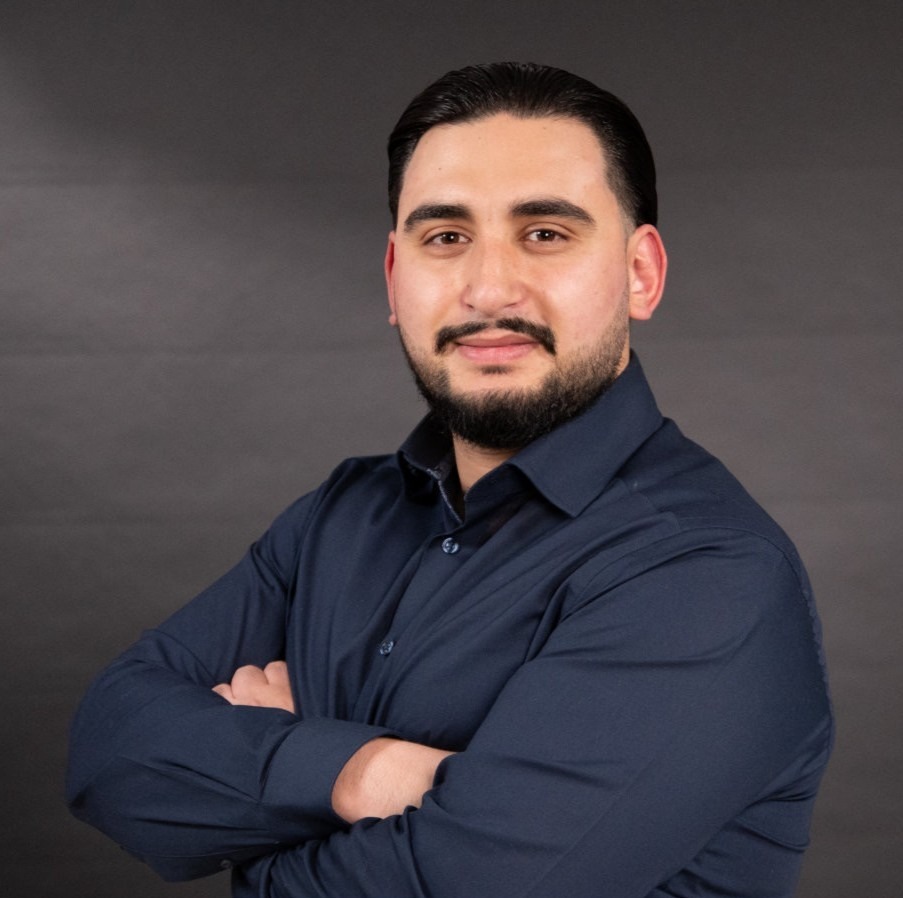

Profile
Role: Sporting Director, Tartu JK Welco
Specialisation: Scouting, Recruitment and Sporting Strategy
Experience: Estonia, Finland and Lithuania
Focus Areas: Talent Identification, Player Development and International Recruitment
Background and Career
Mihkel Rääk is a modern football executive whose career reflects a steady progression through scouting, analysis and sporting leadership across the Baltic and Nordic football landscape. Currently serving as Sporting Director at Tartu JK Welco in Estonia, he combines strategic planning, squad building and structural development at club level.
His background includes roles as Talent Scout and Video Analyst at Kauno Žalgiris Football Academy in Lithuania, as well as international scouting responsibilities for HJK Helsinki, Finland’s most successful club. Certified by the International Professional Scouting Organisation and educated in International Business and Sport Management, Rääk represents a new generation of sporting decision makers shaped by talent identification, international networking and hands on recruitment experience across emerging and established football markets.
A modern sporting director shaped by scouting and structure
Mihkel Rääk represents a new generation of football executives who connect hands on scouting experience with strategic sporting leadership. His work focuses on translating talent identification, market analysis and structural planning into clear and sustainable decisions at club level.
Rather than separating recruitment from long term development, he integrates scouting insight directly into squad building, sporting strategy and organizational processes. Shaped by experiences across the Baltic and Nordic football landscape, his approach emphasizes clarity, international perspective and practical impact in emerging and competitive football environments.
Key Insights
- How Mihkel Rääk built a career across scouting, recruitment and sporting leadership
- Why Baltic and Nordic football markets still contain undervalued talent
- How structured development pathways can connect emerging leagues to stronger European competitions
Our Exclusive Interview with Mihkel Rääk
How did your journey into football begin, and which key moments led you from scouting and analysis into a Sporting Director role at a relatively young age?
From an early age, sport has always been part of my life, but football quickly became my true passion. For me, it is more than a game. It is a system built on strategy, talent identification and long term thinking.
For me, it is more than a game. It is a system built on strategy, talent identification and long term thinking.
My professional journey began after completing my military service in Estonia. I moved to Lithuania to study Sport Management, but I was determined to gain practical experience from the start. I contacted clubs across different sports and offered my time, even without financial compensation. At that stage, learning and experience were more important to me than income.
That persistence led to my first role at Kauno Žalgiris as a scout and video analyst. I travelled with the team, filmed matches and began building both expertise and a professional network. Later, while continuing my studies in Finland, I followed the same approach. I connected with people, attended events and made myself useful wherever possible. This opened the door to HJK Helsinki, the most successful club in Finland, where I further developed my understanding of scouting and recruitment. Within a year, through consistent work and dedication, I progressed to Chief Scout.
Building a career in football at a young age requires initiative and resilience. The industry is extremely competitive and opportunities are not given, they are created. Relationships are essential. You must travel, meet people, ask questions and learn from those with more experience. Education provides a foundation, but trust, credibility and daily effort are what truly open doors.
You operate simultaneously as Sporting Director and active Scout. How does working on both the strategic and operational levels influence your decision making in recruitment?
At HJK, my scouting focus lies on specific regions, mainly the Baltic countries and selected parts of Africa. This specialization allows for deeper market knowledge, stronger local networks and more accurate talent identification. Instead of scouting broadly, the work becomes targeted and analytical.
At the same time, I am involved with JK Welco in Estonia, which operates on a different level financially and competitively. Welco is a smaller club, but within the Estonian context it is ambitious and developing structurally, with a strong focus on youth. This creates opportunity.
The combination of both roles allows for a natural development pathway. At Welco, young Baltic and African talents can gain their first professional experience, adapt to European football and develop consistently. With the right progression, the next step can be a move to HJK, where the competitive level is higher and European competitions offer further exposure. It is not about shortcuts, but about structured growth.
In both environments, recruitment must follow a clear philosophy. Decisions cannot be reactive or driven by pressure during transfer windows. We work with defined profiles, data and strong networks. When a need arises, preparation is already done. Suitable players are identified not only from a football perspective, but also in line with the club’s financial and strategic framework.
Decisions cannot be reactive or driven by pressure during transfer windows.
Estonian football functions within a smaller market structure. What competitive advantages must clubs in emerging leagues create to remain internationally relevant?
One of the key factors in developing Estonian football is strong representation in European competitions, even if it begins with qualification rounds. UEFA participation is not only about prize money, but about visibility. Every additional club playing in Europe increases exposure for the entire league.
If Estonia were to lose a European spot due to coefficient changes, the impact would be significant. Fewer clubs in Europe mean fewer international broadcasts, fewer scouts in the stadiums and less visibility for Estonian players. Coefficient rankings are not abstract numbers, they directly affect how often our football is seen on the European stage.
From a scouting perspective, visibility is crucial. Estonia has made important progress in this area. Domestic matches are streamed freely on YouTube, giving international scouts direct access to games. This kind of openness lowers the barrier for discovery and increases the chances of players being monitored abroad.
Strategic cooperation between clubs is equally important. Partnerships should be realistic and based on development pathways, not prestige. Moving directly to top tier leagues is often too big a step for Estonian players. More logical progression markets are countries such as Finland, Slovakia or the Czech Republic. These leagues offer higher intensity and greater exposure, while still providing realistic opportunities for players to gain minutes and grow step by step.
Having worked across Estonia, Finland and Lithuania, where do you currently see undervalued talent markets or structural inefficiencies in the Baltic and Nordic regions?
There is no shortage of talent in the Baltic region or in Finland. I see many underrated players in both markets. The main difference lies in visibility and structural support.
In Finland, young players benefit from clearer development pathways and stronger league exposure. The system connects youth football more consistently to the professional level. In the Baltics, especially in Estonia, talent is present but early identification is limited. International scouts rarely attend younger age groups, and players often gain attention only once they reach youth national teams. By then, some promising talents have already left the game.
Retention is one of the key challenges. Young players, particularly outside major cities, often lack strong developmental environments and visible role models. Without clear infrastructure or belief in a realistic pathway, some choose different careers before fully testing their potential.
Finland has made progress by investing strategically in infrastructure and long term planning. Modern stadiums and training facilities have improved both perception and professionalism. Infrastructure plays a bigger role than many realize. When financial resources are reinvested wisely, it strengthens attendance, commercial growth and player ambition.
In Estonia, there is still room to improve how resources are distributed across the football ecosystem. Strategic investment in facilities and youth development could create a multiplier effect, raising standards, increasing visibility and giving young players a clearer future in the sport.
Looking ahead, do you see yourself more as a long term sporting architect building club structures, or as an international recruitment specialist operating across multiple markets?
I would not limit myself to a single role. My ambition is to build a structured football ecosystem that connects clubs, agencies and academies within one coordinated model.
I see strong potential in creating a functional satellite club system linking the Baltic region, Scandinavia and selected European leagues. The Baltics can serve as a solid development base, competitive and accessible. Scandinavia offers a higher performance level and more international exposure. From there, carefully chosen European leagues can represent the next step. At the same time, emerging markets such as Africa should be integrated as partners in talent identification.
The strength of this model lies in alignment. Player development, recruitment and progression must follow a clear pathway rather than short term opportunities. Clubs gain a reliable recruitment structure, and player movement becomes strategic instead of reactive.
FAQ
Who is Mihkel Rääk?
Mihkel Rääk is a football executive and Sporting Director at Tartu JK Welco in Estonia, with experience in scouting, recruitment and sporting strategy across the Baltic and Nordic football markets.
What clubs has Mihkel Rääk worked with?
Rääk has worked as a Talent Scout and Video Analyst at Kauno Žalgiris Football Academy and has also held scouting responsibilities with HJK Helsinki in Finland.
What is Mihkel Rääk known for in football?
He is known for combining hands on scouting experience with strategic sporting leadership, focusing on talent identification, recruitment and structured player development pathways.