

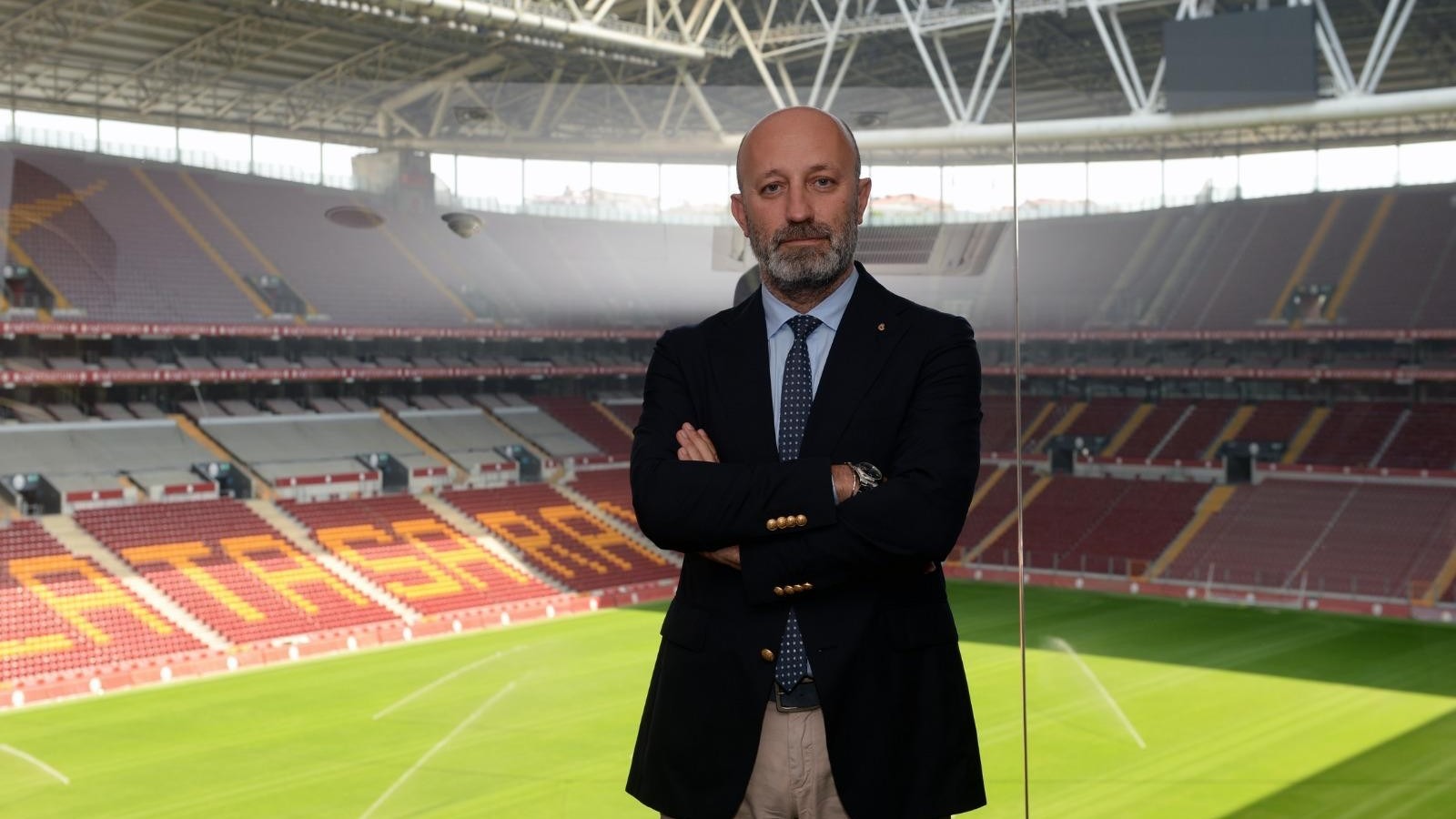
Background and executive profile
Cenk Ergün is one of the most influential football executives in modern Turkish football, widely respected for his long standing leadership roles at Galatasaray and his ability to combine administrative expertise with strategic sporting vision. Born in Bursa in 1974, Ergün has spent more than two decades at the highest levels of professional football, contributing to club operations, transfer strategy, squad planning, and long term structural development.
After studying at Koç University, where he built a strong foundation in management and organisation, Ergün joined Galatasaray in the early 2000s. Over the years, he progressed through several key positions including Team Manager, Administrative Manager, and later Director of Football. His deep understanding of club culture, internal processes, and competitive expectations made him a central figure within the organisation during multiple championship cycles.
Ergün played an important role in managing complex transition phases, overseeing high profile transfers, contract negotiations, and the daily operational framework around the first team. He was known internally for his structured approach, attention to detail, and ability to maintain stability in demanding environments.
He returned to Galatasaray in 2022 as Director of Professional Football, where he focused on strengthening the squad, maintaining competitive standards at the highest level, and supporting the gradual integration of academy players into the senior structure. His work during this period reflected a balance between short term performance objectives and longer term sustainability.
Having lived and worked across different football cultures, including experience in Europe and Saudi Arabia, Ergün combines international perspective with a deep understanding of the Turkish football ecosystem. As of 2026, he is no longer active at Galatasaray and is open to new professional challenges where his experience, leadership, and strategic mindset can add value to ambitious football projects.
Today, Cenk Ergün is regarded as a pragmatic, detail oriented football executive who believes in structure, clear processes, and responsible decision making. His profile reflects a professional capable of navigating the complex realities of modern football while remaining focused on long term sporting and organisational success.
Today, Cenk Ergün is regarded as a pragmatic, detail oriented football executive who believes in structure, clear processes, and responsible decision making.
Our exclusive interview with Cenk Ergün
You have held multiple leadership roles at Galatasaray over two decades. How has your long-term connection with the club shaped your vision for building competitive teams year after year?
Spending such a long period inside one club teaches you that success is never accidental. My connection with Galatasaray allowed me to understand the importance of continuity, culture, and institutional memory. Building competitive teams year after year is not only about individual players or single transfer windows, but about maintaining clear standards, discipline, and a shared understanding of what the club represents.
Being part of different cycles helped me see that stability behind the scenes is just as important as quality on the pitch. My vision was always shaped by the idea that competitive teams are built through consistency in decision making, trust between departments, and respect for the club’s identity.
During your time as Director of Football, you oversaw both major transfers and important structural decisions. What guiding principles do you rely on when balancing immediate performance with long-term squad planning?
The key principle is realism. A club must always know where it stands financially, structurally, and competitively. Immediate performance is important, especially at a club with high expectations, but it should never come at the cost of losing long term direction.
I always believed in planning with multiple horizons in mind. Short term needs must be addressed, but every decision should also fit into a broader squad plan. This includes age balance, contract structures, and the development pathway for younger players. Good planning reduces risk and creates stability even in periods of pressure.
Building competitive teams year after year is not only about individual players or single transfer windows, but about maintaining clear standards, discipline, and a shared understanding of what the club represents.
You have spoken about the importance of integrating young academy players into the first-team environment. What qualities must a young player demonstrate for you to believe he is ready to make that step?
Talent alone is never enough. A young player must show professionalism, discipline, and mental readiness. The first team environment is demanding, and players must be able to handle pressure, criticism, and responsibility.
I always looked for players who understand their role, are willing to learn, and show consistency in training. Physical readiness is important, but mentality and attitude are decisive. Integration should be gradual and well supported, not rushed, so that young players can develop confidence without being overloaded.
Having lived and worked across different football cultures, how have international experiences influenced your approach to leadership, communication, and managing the pressure of elite-level football?
Working in different football cultures teaches you flexibility and respect. Leadership styles that work in one environment may not work in another. International experience helped me become more aware of communication, timing, and cultural sensitivity.
At the elite level, pressure is constant. I learned that calm and clarity from leadership are essential. When people understand their responsibilities and trust the process, pressure becomes manageable. This applies to players, coaches, and staff alike.
Modern football demands not only sporting success but also strong internal organisation. What do you consider the most important elements of a high-performing club structure behind the scenes?
Clear roles, clear communication, and accountability are fundamental. A high performing club structure depends on cooperation between sporting, administrative, and financial departments. Everyone must understand the common objective and their contribution to it.
I also believe that decision making processes should be transparent and efficient. When responsibilities are defined and trust exists within the organisation, the club can react faster and more effectively to challenges.
Transfer periods bring both opportunity and pressure. Can you share how you and your team prepare strategically to ensure a football club remains competitive in the global market for talent?
Preparation starts long before the transfer window opens. Scouting, financial planning, and internal evaluations must be continuous. A club should always know which positions need reinforcement and which profiles fit its sporting and economic framework.
During the transfer period itself, discipline is crucial. Not every opportunity should be taken, and not every pressure should dictate decisions. Staying aligned with the club’s strategy, budget, and long term objectives allows a club to remain competitive without compromising stability.