

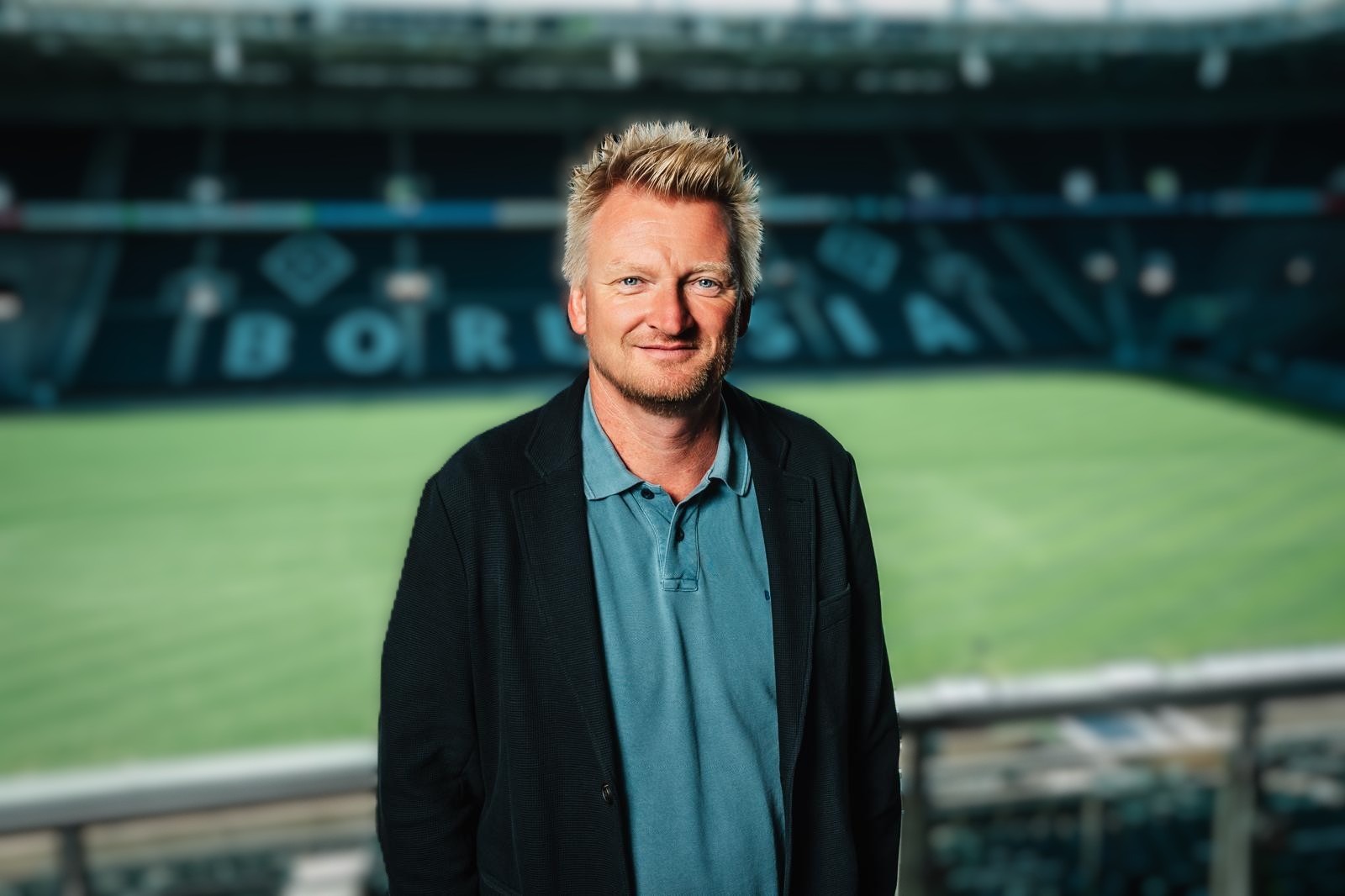
Bastian Huber has established himself as one of German football’s versatile and forward-looking professionals. His career spans teaching, coaching, scouting, and club leadership, with each stage adding to a profile built on development and structure.
Career and leadership background
At TSG Hoffenheim, Huber spent six years shaping the club’s sporting direction. From 2019 to 2023 he worked as Head of Scouting, managing national and international talent identification. His work contributed directly to the club’s player pipeline, which has long been regarded as one of the strongest in Germany.
Promoted to Technical Director in 2023, he coordinated scouting, coaching, and performance analysis, ensuring a unified football philosophy across the academy and professional teams. The club’s youth program thrived during this period, winning both the U19 German Championship and the U19 Cup in 2024, while the senior side competed in the UEFA Europa League.
With a blend of academic background, coaching expertise, and executive experience, Bastian Huber represents the modern model of a football leader.
Academic and teaching experience
Before Hoffenheim, Huber spent a decade teaching sports, economics, and law at Bavarian schools. This experience gave him strong communication and leadership skills that later translated into managing football departments at a high level.
Playing and coaching pathway
His football background is equally rich. As a player, Huber competed in the Bayernliga with 1. FC Passau and won major honors at the university level, including three World Interuniversity Games titles and two German University Championships.
He later moved into coaching, working with the University of Erlangen-Nürnberg team, the German University National Team, and the academy of SpVgg Greuther Fürth. He also served as Deputy Regional Chairman of the German Soccer Coaches Association (BDFL).
Qualifications and professional development
Huber holds DFB A, B, and C licenses, along with certifications in tennis, skiing, and snowboarding. He is currently pursuing a Master’s degree in Sports Management at the University of St. Gallen, further underlining his commitment to professional development.
With a blend of academic background, coaching expertise, and executive experience, Bastian Huber represents the modern model of a football leader. His work continues to reflect a clear philosophy: success in football comes from long-term structures, talent development, and strong leadership.
His work continues to reflect a clear philosophy: success in football comes from long-term structures, talent development, and strong leadership.
Our exclusive interview with Bastian Huber
You transitioned from teaching in Bavarian schools to leading scouting and technical development at Hoffenheim. How did your background in education influence your work in professional football?
My time as a teacher laid the foundation for my work in professional football. It gave me a deep understanding of young people, their parents and the processes behind human development. Pedagogical and psychological aspects are just as important as the ability to design structures and organizations that enable peak performance. At the same time, my studies in economics, law and sports provide the analytical and professional basis to apply these experiences successfully in a professional football environment.
During your time as Technical Director, Hoffenheim’s U19s won both the league and the cup in 2024. What made that youth team special, and what role did the club’s structure play in their success?
What made this team special was the exceptional combination of individual quality, team spirit, and a clear shared philosophy. Many of the players had been developed within the club for years and were deeply familiar with our playing principles and values. This continuity, combined with close collaboration between scouting, coaching, and performance analysis, created an environment in which development was consistently fostered.
At the same time, we employed and actively developed key staff members whose expertise and passion made the decisive difference, though this also required a high level of leadership and coordination. The club’s clear structure and open communication were crucial in ensuring that this success was both achievable and sustainable.
Scouting is often about predicting potential. What qualities do you look for in young players beyond technical ability?
Beyond technical ability, I pay particular attention to personality, curiosity, and the ability to learn. A young player should be willing to take responsibility, handle setbacks, and work continuously on self-improvement.
Key factors also include attitude, teamwork, and the willingness to align with a collective concept. An important part of the scouting process is personal conversations with the player, his family, and his closest environment, these often provide valuable insights into character, motivation, and support structures.
Ultimately, it’s not just about how good a player is today, but about the development potential and inner drive he brings for the future.
You’ve worked as a coach, scout, and executive. Which role has shaped your football philosophy the most?
Each role has shaped my football philosophy in different ways, but working as a coach has had the greatest impact. Direct contact with players teaches you how individual development, motivation, and team dynamics interact to enable performance.
At the same time, my experience as a scout showed me which long-term factors truly determine talent, while the leadership role highlighted the importance of structures, organization, and communication. Together, these experiences have reinforced my belief that success can only be achieved when development, structure, and clear values are consistently integrated.
Many in Germany see Hoffenheim as a model for innovation and player development. What do you think other clubs can learn from your experience there?
Other clubs can especially learn the importance of a holistic approach for long-term success. At Hoffenheim, it has become clear that close collaboration between scouting, coaching, performance analysis, and management is crucial to optimally develop players.
As a leader, I supported promoting the pathway from the academy to the first team and systematically strengthening internal scouting. Clear structures, open communication, and the targeted development of key staff create an environment in which talents can fully realize their potential.
Moreover, patience and continuity are essential. Sustainable success does not happen overnight, but through consistent work on processes, values, and development pathways.
You are now pursuing a Master’s degree in Sports Management at the University of St. Gallen. How do you see your next step in football leadership evolving?
After completing my Master’s degree in Sports Management at the University of St. Gallen, I aim to further expand my experience in leadership roles within professional football.
My goal is to design structures and processes that consistently link player development, team performance, and long-term success. I plan to combine my knowledge from coaching, scouting, and management to strategically support clubs and enable sustainable sporting achievements.
In the long term, I aspire to positions where I can significantly shape both the operational responsibilities and the strategic direction of a club.