

Having spent many years inside the world of football, one thing is clear from my own observations: the spotlight almost always shines on players, head coaches, and agents. Transfer headlines, star performances on the pitch, chants echoing from the stands… it is all dazzling.
Yet the game is truly held together by people who are rarely seen, but who carry some of the most critical responsibilities. Quiet, indispensable heroes form an invisible army from kit men to masseurs, from youth coaches to scouts, from drivers to groundskeepers.
Kit Men: The Architects of Order
Kit men are the unseen masters of football’s daily order. Preparing shirts on time, making sure boots are ready, restoring order after training this is their world. While players run on the pitch, kit men run behind the scenes.
They know every player’s habits: which boots feel right, which spare equipment is needed and when. A small mistake can disrupt an entire match. And the paradox is simple: when everything works perfectly, nobody notices them; when something goes wrong, the blame is immediate.
Kit men are invisible heroes who make the shine of stars possible.
Kit men are invisible heroes who make the shine of stars possible.
Masseurs and Physiotherapists: The Silent Guarantees
Behind every footballer who competes at the highest level stand masseurs and physiotherapists. Injury is never just physical; it affects the mind as well. These professionals restore bodies and rebuild confidence.
Packed schedules, late-night emergency calls, constantly changing demands all rest on their shoulders. The player returns to the pitch, the applause goes to him; the silent guarantee behind that performance is rarely seen.
Youth Coaches: Architects of the Future
Youth coaches are the builders of football’s future. They do far more than teach the game; they shape discipline, character, and mentality. Weekdays or weekends they are always on the pitch.
When a player finally reaches the first team, the applause goes to the talent on the field. The coach who first believed in him often remains unseen. Football’s future is entrusted to these people, yet their own future is frequently uncertain.
Scouts: Explorers on the Touchlines
Scouts are football’s talent hunters. They wait for hours on amateur pitches, travel to remote villages, and endure harsh weather conditions. When a discovered player succeeds, the club celebrates; when he doesn’t, the blame falls on the scout.
Their work is critical, their visibility minimal a profession where the reward is usually claimed by others.
Their work is critical, their visibility minimal a profession where the reward is usually claimed by others.
Video Analysts: Invisible Strategists
Video analysts are the quiet strategists of modern football. They study opponents, break down matches, and analyze data before and after games. While players run on grass, analysts work behind screens, identifying weaknesses, tactical gaps, and individual errors.
Their work allows teams to play smarter, but the applause almost always goes elsewhere.
Drivers and Security Staff: The Team’s Silent Direction
Drivers are the invisible steering wheel of teams that carry million-dollar legs. Long away trips, high-pressure atmospheres, and the responsibility of discretion weigh heavily on them. A flawless record goes unnoticed; one small mistake can define a career.
Security staff stand as silent guardians between the team and the crowd. They face physical and verbal aggression, often with limited training and low wages. If nothing happens, nobody remembers them; if something does, responsibility lands squarely on their shoulders.
Chefs: Quiet Providers of Energy
Chefs supply the fuel that keeps players moving. Match congestion, special diets, travel schedules all are part of their daily planning. While players fight on the pitch, chefs hustle in the kitchen. Their contribution is essential, yet largely invisible.
Groundskeepers: Guardians of the Pitch
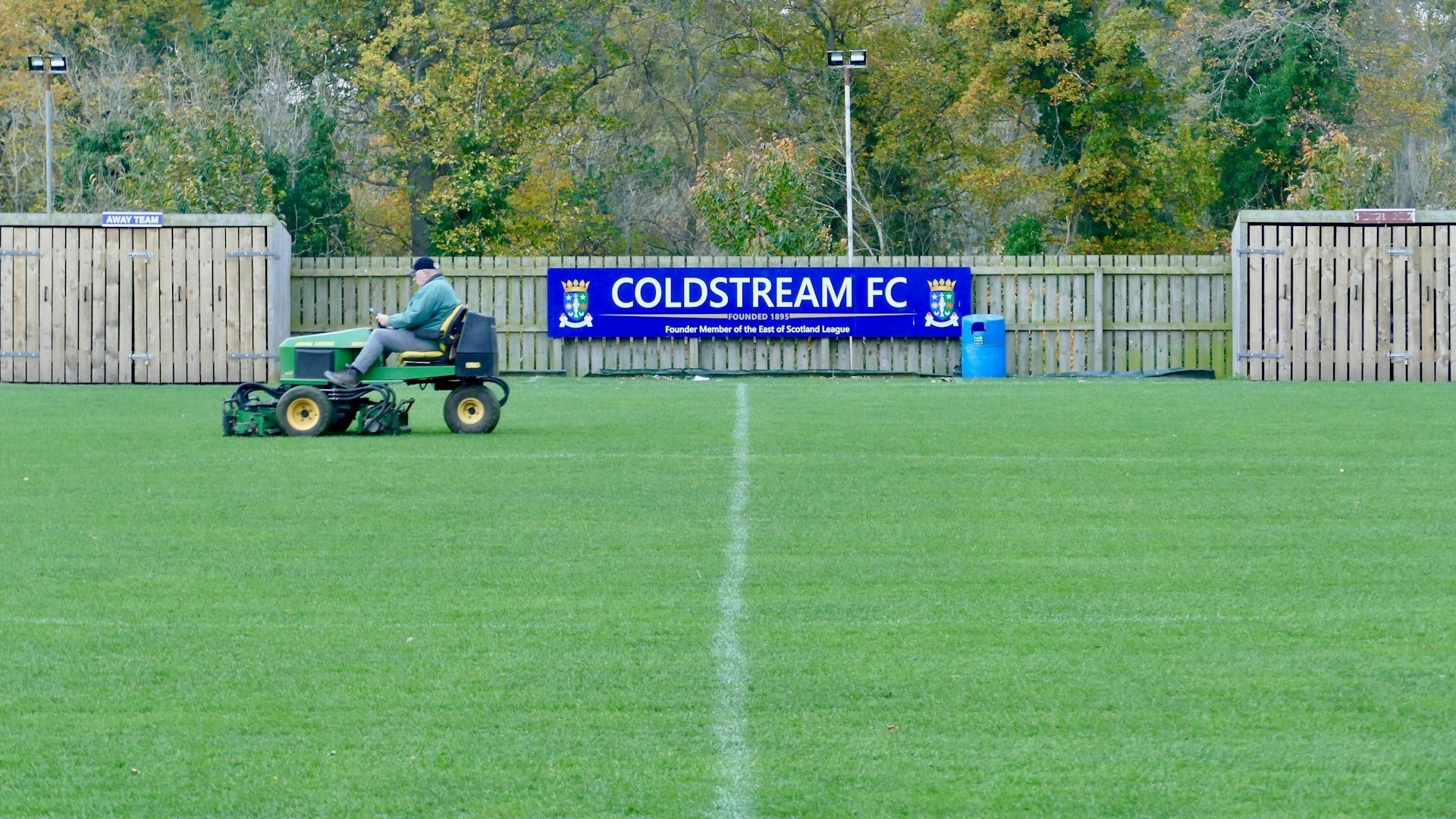
Groundskeepers sustain the very surface on which the game is played. They battle weather conditions, work through the night, and endure physical strain. If the pitch is poor, they are blamed; if it is perfect, they are ignored. Seasonal contracts, low wages, and limited social security are often their reality.
Football’s True Backbone and the Million-Dollar Paradox
Today, football operates on budgets worth billions. Hundreds of millions are spent each year on transfers and star players. Sponsorships, broadcasting rights, ticket sales the numbers are staggering.
Yet this massive economy cannot survive without its invisible workforce.
Most of these workers:
- are underpaid,
- work without job security,
- remain unseen and unrecognized.
Football’s greatness should not be measured only by its stars, but by how it treats the people who hold the entire system together. Million-dollar budgets shine under the floodlights, while the real heroes remain in the shadows.