


How Mining Cities Created the World’s Toughest Football Clubs
Mining cities are unlike anywhere else on earth. They are places where people do not simply work; they endure. Where the first lesson every child learns is not the alphabet, but the weight of danger. Where every family has at least one memory that begins in darkness: a siren at dawn, a father who didn’t return on time, a mother waiting at the window with a fear she no longer knows how to express aloud.
In such places, life is shaped by rhythms deeper than industry. The clanking of machinery underground. The silence after a shift ends. The pride of hands worn by labour. The collective instinct to hold one another upright, because survival is never personal; it is shared.
And in these towns, football becomes the brightest thing in the world.
For the sons of miners, the pitch is a rare piece of open sky. For the workers, it is the only place where the breath feels free. For entire communities, it is the single ritual that lifts the weight from their chests.
Football is not a pastime. It is an emotional shelter. A cultural mirror. A declaration of identity so powerful that even when the mines close, the memory does not.
Across continents, in coal belts, copper deserts and ports blackened by industry, similar stories emerge. Cities built by labour, shaped by fear, held together by solidarity — and each one gave birth to a football club that carries the soul of its people.
Germany
Germany’s Ruhr region, for instance, breathes football the way miners once breathed coal dust. Schalke 04 is perhaps the clearest example of what a miners’ club truly is. Entire districts of Gelsenkirchen were built to serve the pits, and every family carried the culture of danger in their bones. “Glück Auf,” the miner’s blessing, still rolls off tongues inside the stadium as if it were stitched into the fabric of the blue shirt. Schalke supporters don’t simply cheer; they inherit. Loyalty is not a choice — it is blood memory.
Nearby Dortmund and Bochum share the same industrial heartbeat. In Dortmund, the Yellow Wall stands like a modern monument to working-class unity, thousands moving as one, just as miners once did underground. In Bochum, the entire identity of the club is built on humility and stubborn pride. Aue, carved into the side of the Ore Mountains, carries the emotions of uranium miners who lived with the quiet fear of invisible danger. Rot-Weiss Essen, born in the shadow of steel giants, fills its terraces with the echoes of generations who walked straight from the shafts to the stadium with dust still on their boots.
Loyalty is not a choice — it is blood memory.
Türkiye
Across the Black Sea, Türkiye’s Zonguldak tells a similar story. A city raised entirely by coal, where entire neighbourhoods exist because a mine once operated beneath them. Zonguldak Kömürspor is not merely a club; it is a historical diary. Every match feels like a tribute to those who went underground and did not return. Every cheer sounds like a collective exhale, as if football itself helps the city breathe.
Chile
In Chile’s Atacama Desert, Cobreloa emerged from an environment so harsh that even survival feels like victory. The men and women of Calama live with heat, isolation and the economic inequalities of mineral wealth. Their club, built beside one of the world’s largest copper mines, reflects exactly that: proud, tough, impossible to break. Two Libertadores finals were not accidents; they were the echo of desert endurance.
Czechia
Czechia’s Baník Ostrava was literally born in the hands of miners, in a city defined by smoke, steel and union banners. Baník supporters carry an identity carved from resistance and authenticity. Poland’s Górnik Zabrze and Zagłębie Lubin represent two sides of the same industrial coin — one shaped by coal, the other by copper. Their fan cultures are defined by labour, migration and the dignity of rebuilding life after war.
Ukraine
And then there is Shakhtar Donetsk, perhaps the most emotionally charged miners’ club of the modern era. “Shakhtar” means miner. Its crest carries the hammer and pick. But its story today — of a city displaced, a home lost — has turned football into a living memory. For many fans, Shakhtar is the final connection to a place they can no longer return to.
United Kingdom
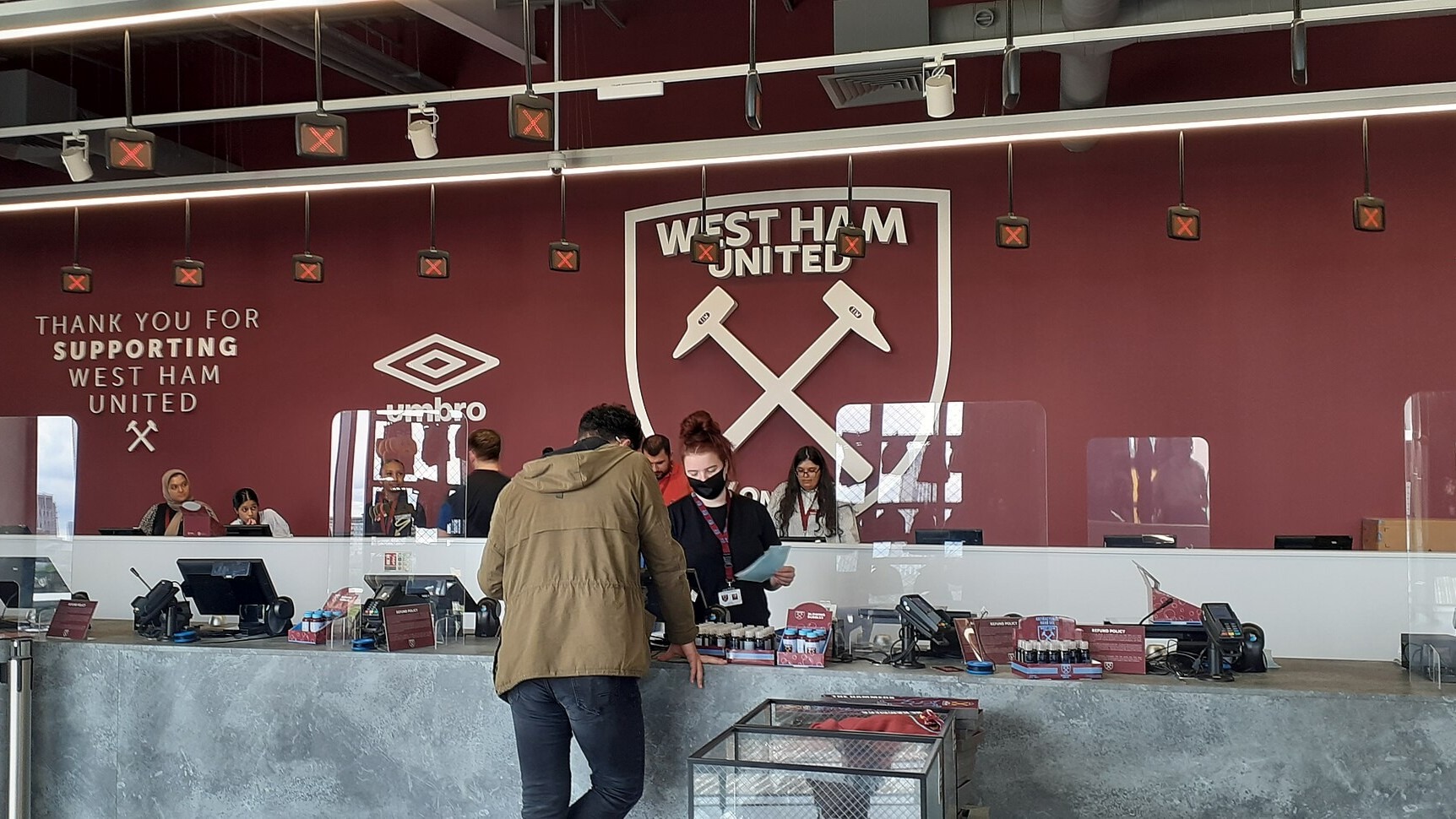
Across the United Kingdom, where industrial towns built the modern world, clubs like West Ham, Sunderland, Newcastle, Swansea and Cardiff carry the remnants of working-class defiance. East London dockworkers shaped the soul of West Ham. In Sunderland, the Stadium of Light stands on old colliery ground, making football a living tribute to the past. Newcastle’s supporters still carry the tribal intensity of Tyneside’s coal and shipyard workers. In Wales, Swansea and Cardiff are surrounded by the ghosts of mining villages, union struggles and anthems that once rose from valley to valley.
Australia
Even in Australia, where Newcastle’s harbour sent coal ships across the world, the region’s football culture grew from workers’ teams formed more than a century ago. The modern Jets still carry that industrial DNA beneath their badge.
For them, football is the continuation of collective life — one more place where they stand together, one more moment where the weight lifts.
The Shared Identity of Mining Clubs
All of these clubs, despite oceans, languages and histories separating them, share something profound: the emotional architecture of a mining town. Loyalty born from hardship. Unity forged under pressure. Communities that gather not out of luxury, but out of need. For them, football is the continuation of collective life — one more place where they stand together, one more moment where the weight lifts.
Mining-city football is not glamorous. It is honest. It is not romanticised. It is lived. It is not corporate. It is human.
These clubs were built not by investors, but by men who wiped coal dust from their eyes. Not by committees, but by workers who needed a place to breathe. Not by marketing departments, but by families who needed something — anything — bright in a world of grey.
The miners built the cities. The cities built the clubs. And the clubs keep the miners’ stories alive.
In the end, these teams are not just sporting institutions; they are monuments of memory, courage and belonging. Symbols for people who worked in darkness so others could stand in the light.