
In today’s sports business landscape, the commercial department of a football club isn’t just focused on selling shirt deals or stadium seats. Modern clubs operate like media and marketing companies, turning every touchpoint, screen, and strip of grass into potential sponsorship inventory.
From training ground naming rights to who sponsors the fourth official’s board, there’s now a marketplace for nearly every aspect of the matchday and club ecosystem. And for brands, these opportunities offer targeted access to highly engaged, loyal fanbases that span global markets.
The Expanded Sponsorship Ecosystem
Here’s how clubs are maximising revenue through a diverse and detailed inventory of sponsorship assets:
Kit & Apparel Inventory
- Front-of-Shirt: The most valuable single asset, typically reserved for a primary global partner. (e.g. TeamViewer at Man Utd, Emirates at Arsenal)
- Sleeve Sponsors: Introduced in the Premier League in 2017; brands like No Room For Racism, Cazoo, and eToro have taken these spots.
- Shorts Sponsors: Gaining traction, especially in La Liga and Serie A.
- Training Kits: Often have separate sponsors from match kits. These deals can fetch millions per year (e.g. AXA on Liverpool’s training gear).
- Warm-Up Bibs & Benchwear: A relatively new but growing area, especially during televised warm-ups and Champions League fixtures.
Stadium & Facility Assets
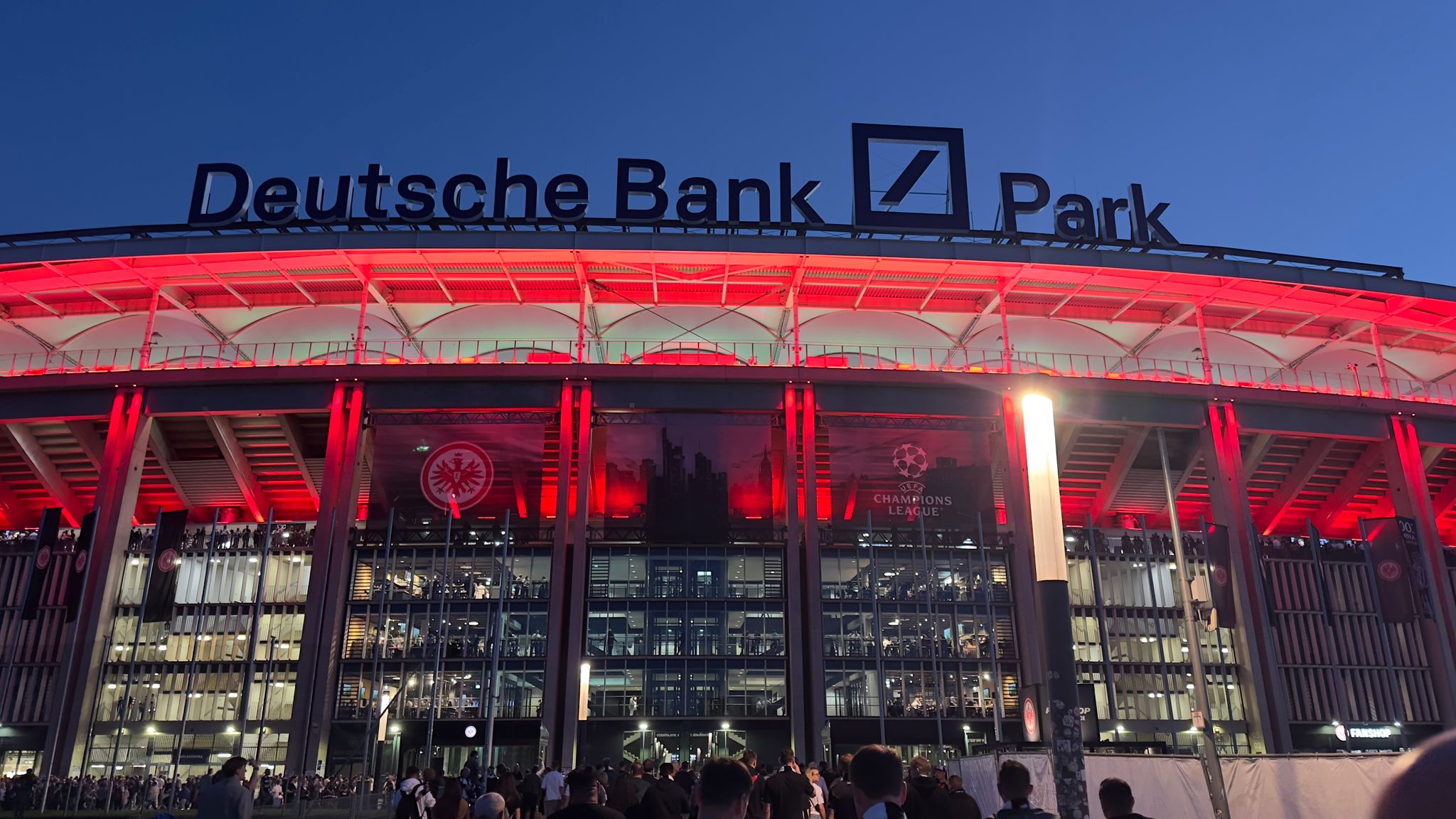
- Stadium Naming Rights: Major deals such as the Etihad Stadium and Spotify Camp Nou can bring in £20-£50 million+ annually.
- Stadium Zones: Clubs often sell naming rights for individual stands, lounges, hospitality suites, and VIP boxes.
- Training Ground Naming: Growing in popularity, Liverpool’s AXA Training Centre and Manchester City’s Etihad Campus are prime examples.
- Tunnel Cam & Dugout Branding: High-visibility zones for brands as players enter the pitch or during manager close-ups.
- Fourth Official’s Substitution Board: Sponsored in many leagues (e.g. EA Sports or Hotels.com) and broadcast globally.
- Corner Flags & Ball Plinths: Small details, big visibility, especially in stills and slow-motion replays.
- Advertising Hoardings: Sold in rotating LED panels, these can be geo-targeted to show different brands in different broadcast regions. Clubs like Man City use Virtual Replacement Technology to display different ads to fans in Asia vs. Europe during the same game.
Advertising hoardings can be geo-targeted to show different brands in different broadcast regions.
Digital & Media Rights
- Website & App Partners: Clubs often sell homepage takeovers, matchday banners, or even naming rights to digital platforms.
- Matchday Social Media: Brands can sponsor goal GIFs, final whistle graphics, fan polls, or line-up announcements.
- Email Marketing & CRM: Sponsored newsletters and direct communication channels to season ticket holders and fans.
Matchday & Fan Experience
- Official Matchday Programmes: Often include partner logos, interviews with sponsored players, and branded content.
- Ticket Backs & Season Cards: Another physical space that reaches core fans.
- Half-Time Games or Challenges: Sponsored activations like the “Car Challenge” or “Crossbar Challenge” hosted during the break.
- Fan Zones & Pre-Match Entertainment: These can feature product sampling, branded booths, or interactive displays.
Category Exclusivity & Official Partnerships
Most clubs carve their sponsorship portfolio into categories and offer “official partner” rights with exclusivity. These often include:
- Banking – e.g. Barclays, Standard Chartered
- Airlines – Emirates, Etihad, Qatar Airways
- Cars – Audi, Hyundai, Nissan
- Travel – Expedia, Trivago
- Fashion & Apparel – Hugo Boss, Levi’s
- Cyber Security – Acronis, Norton, Kaspersky
- Crypto & Web3 – Socios, OKX, Bitget
- Beer, Water, Energy Drinks – Heineken, Coca-Cola, Red Bull
- Gaming & eSports – EA Sports, Konami, Xbox
- Clubs offer these brands use of IP (logo, kits, stadium visuals), player access for campaigns, co-branded merchandise opportunities, and priority for digital content.
The Financial Impact
Top-tier clubs can generate £100-£250 million per year from commercial income, and a large portion comes from diversified sponsorship assets.
For example:
- Manchester United made £302 million in commercial revenue in 2023, including over £150 million from sponsorships.
- Barcelona’s commercial earnings topped €350 million in their last pre-pandemic peak, driven by tiered sponsors across different rights packages.
- Brentford FC, despite a smaller fanbase, signed their largest-ever deal with Gtech for naming and partnership rights — a game-changer for long-term growth.
- For smaller or mid-table clubs, the trick lies in slicing the sponsorship inventory into many smaller, affordable deals, building a broader ecosystem of aligned brands.
The trick lies in slicing the sponsorship inventory into many smaller, affordable deals.
Final Thoughts: A Club Is a Platform
Modern football clubs are no longer just sports teams. They are global entertainment platforms with powerful media distribution, hyper-loyal audiences, and layered brand ecosystems. Every detail of the matchday and fan journey, from the tunnel camera to the Instagram goal graphic, can be turned into meaningful commercial value.
The clubs who succeed commercially are those who:
- Identify undervalued inventory
- Align sponsorships with brand values
- Protect the authenticity of fan experience
- Build long-term, layered partner relationships, not just transactions
In today’s game, you’re not just playing on the pitch. You’re playing across every platform, every second, and every surface, and the commercial scoreboard is more competitive than ever.