

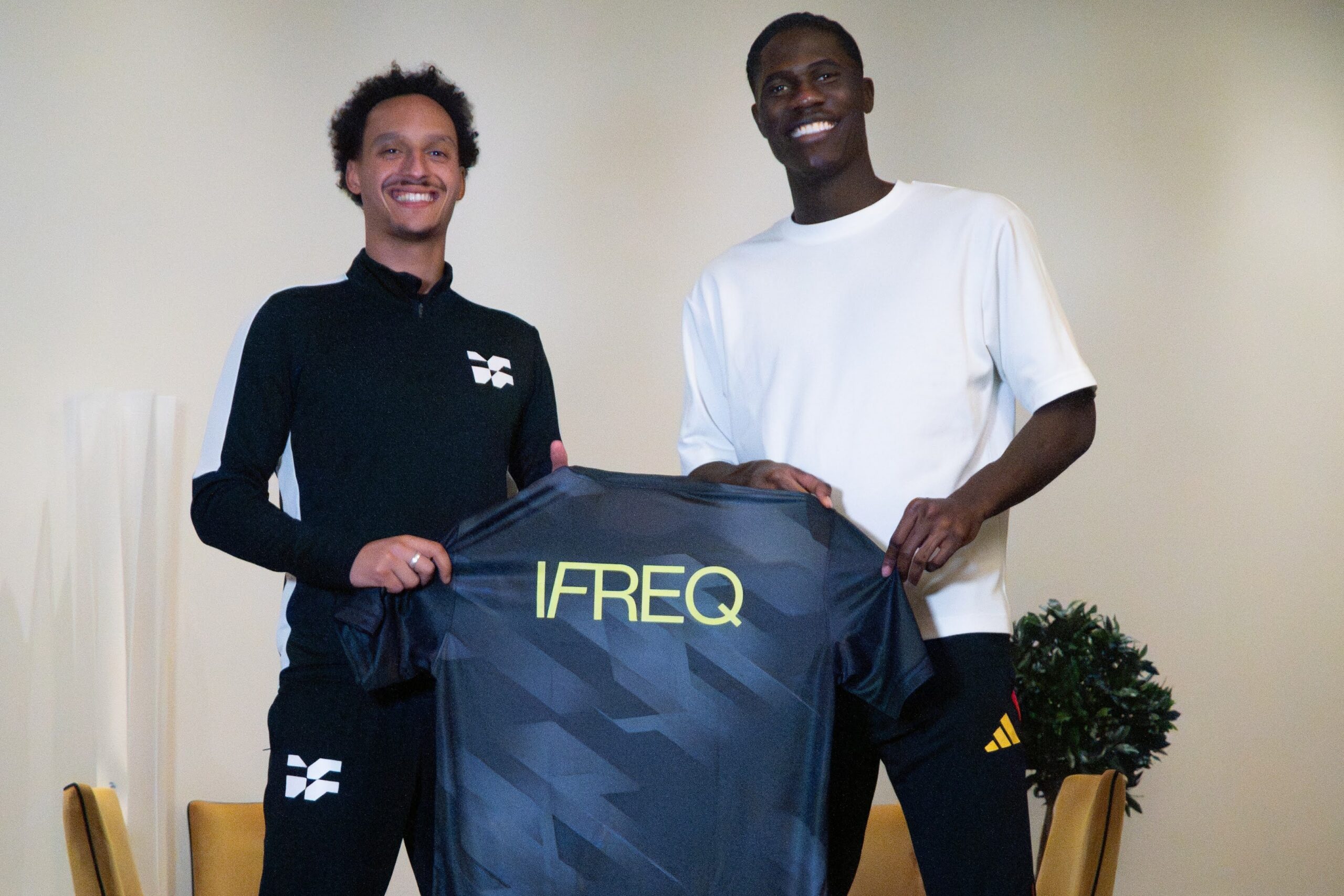
At a Glance
What: A football assessment technology that builds player profiles from standardized on-pitch testing.
Who: Aspiring players, independent coaches and professional clubs.
Founder and CEO: Philippe-Alexandre De Liedekerke.
Products: IFREQ Test and IFREQ Days.
Purpose: To make amateur football talent visible through measured performance data.
IFREQ is a technology that gives amateur football players something they have always lacked: proof of their abilities. Think of it as the Transfermarkt of amateur football. Players complete a standardized, on-pitch assessment with a coach, build a profile based on real performance data, and see how they compare with players of their own generation. All player’s results are then accessible to IFREQ’s partner clubs, creating greater visibility and new opportunities.
What is the purpose or mission of IFREQ?
There are an estimated 300 million amateur players in the world, and most of them are invisible to clubs: no data, no video, no way to prove what they can do. The problem is not their level. The problem is that nobody has ever been able to measure it. IFREQ’s mission is to make talent visible by measuring it. Get Tested, Get Ranked, Get Seen.
Who is IFREQ for?
- Aspiring players, from U12 to U23 and beyond, who want to be seen on merit.
- Independent coaches, who run the test with their own players and set their own price.
- Professional clubs, who get access to measured profiles of players they would never have found otherwise.
What does IFREQ offer?
- IFREQ Test. A one-hour test on a real pitch, run by a coach close to the player. It can be taken in full or through shorter modules. The result is a profile with real data, compared to the player’s generation and ranked on leaderboards.
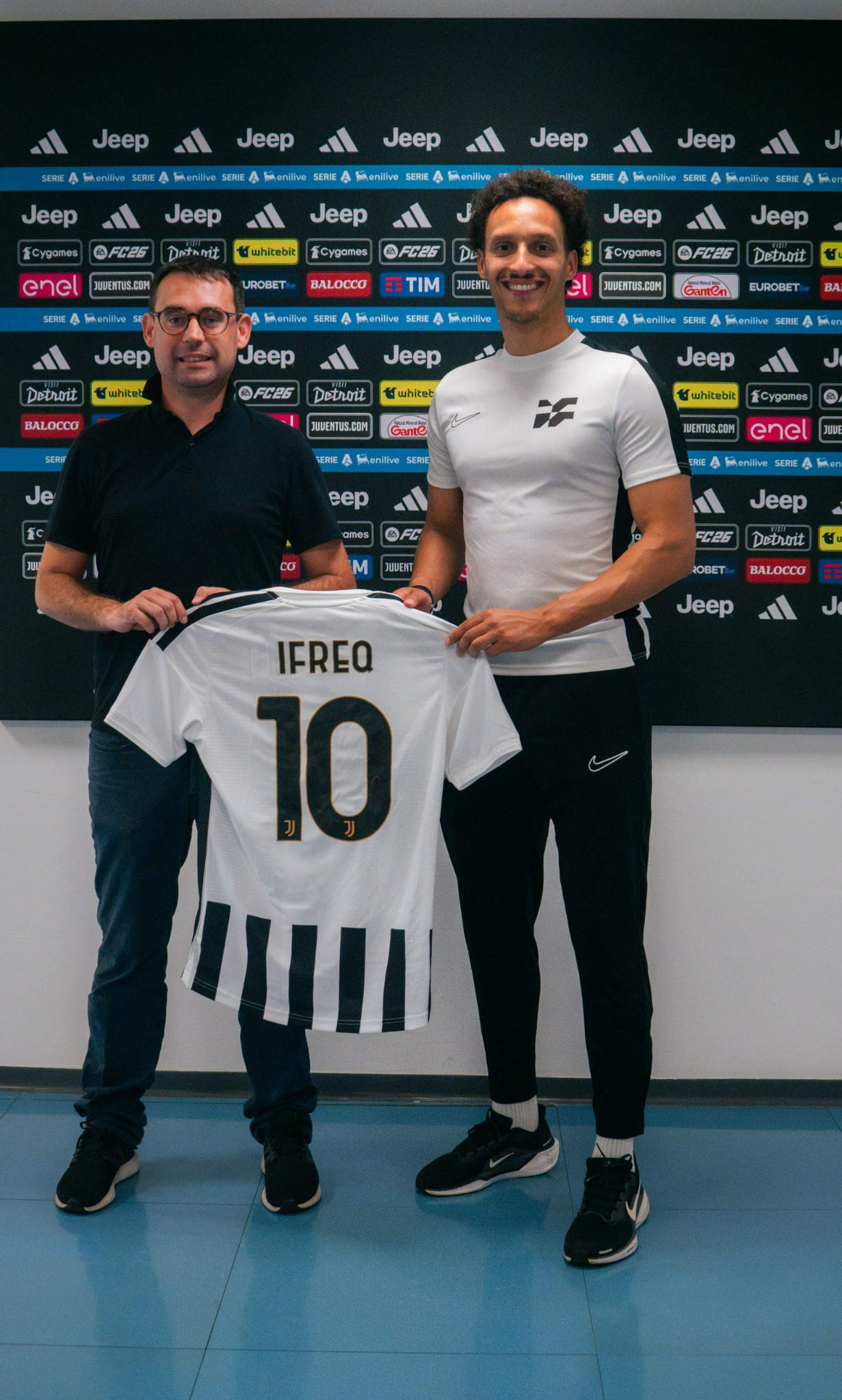
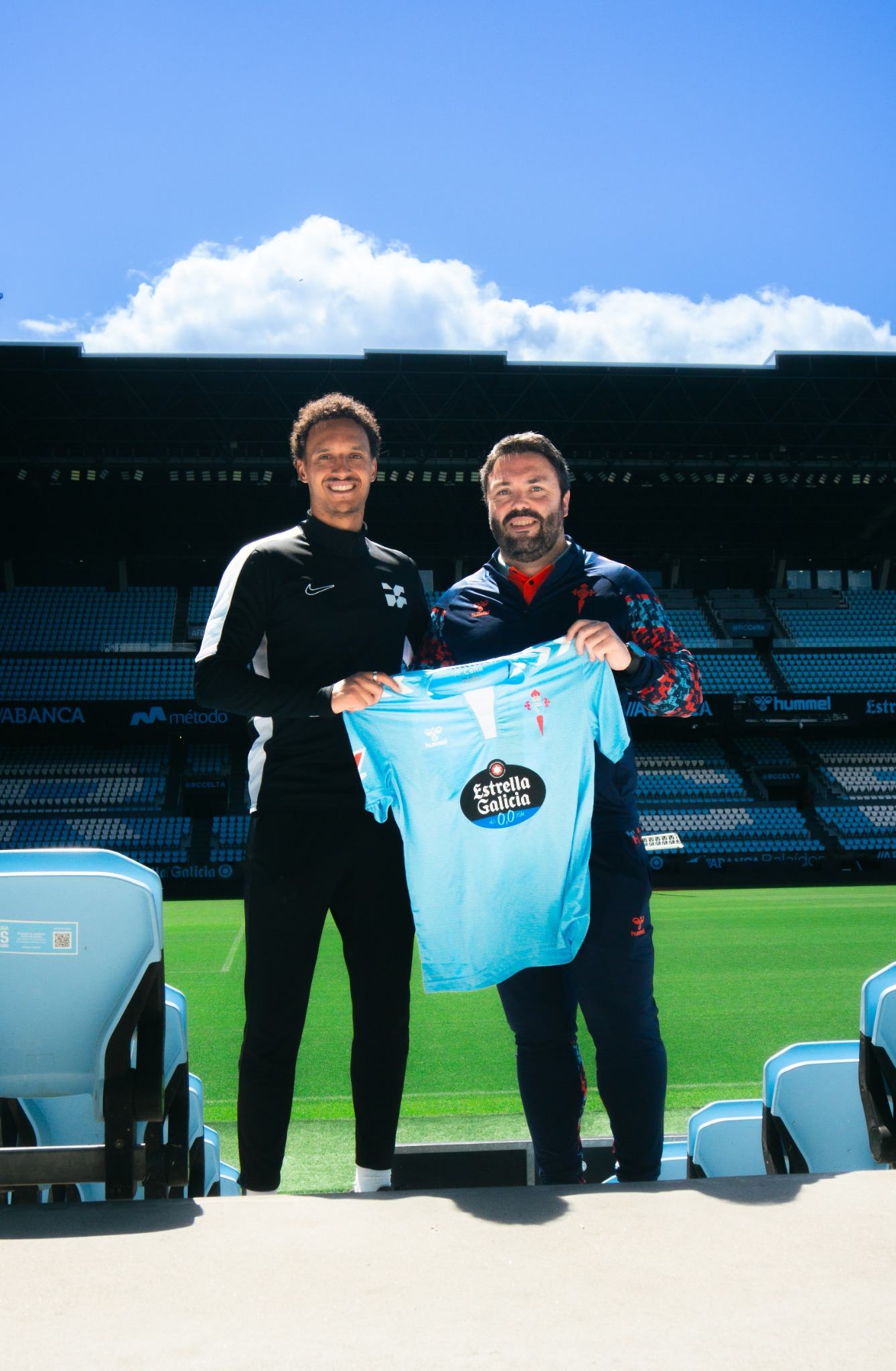
- IFREQ Days. Scouting events co-organized with football clubs, such as CD Leganés, Le Havre A.C., Juventus, and with Celtic planned for December 2026. Selection is based on test level.
Who is behind IFREQ?
IFREQ is led by its founder and CEO, Philippe-Alexandre De Liedekerke. Sporting direction is handled by Nii Okyne. IFREQ is supported by professional football experts who contribute to the development of its assessment test, and has ambassadors such as Guillaume Gillet and Amadou Onana.
What can participants expect?
- Test: about an hour on the pitch, a profile with real data, a comparison to their generation, and results visible to partner clubs.
- Days: on-ground sessions organized with a host club, for players selected on test level and application.
- After: a profile that keeps working for them, with new opportunities opening in the app.
What makes IFREQ different?
- Proof over reputation. Players are judged on measured results, not on who has seen them play.
- A merit bridge, not a funnel. Test and Days are two independent products. Results decide who moves from one to the other.
- One result, every partner club. A test result is not locked in one club’s files.
- Close to the player. The test is run by a coach who knows the player, on a real pitch.
- Generation-based comparison. Each player is measured against their own age group.
What opportunities does IFREQ create?
- For players: detection matches, IFREQ Days with partner clubs, and visibility to clubs through a data-backed profile.
- For coaches: a way to run tests in their own sessions and earn from them.
- For clubs: access to talent that never appeared in their usual scouting circuits.
What is the bigger vision for IFREQ?
To become the reference for measuring amateur football talent. IFREQ is growing across Europe and has started building its presence in the United States, where it is positioned as an assessment and benchmarking tool.
Key takeaways
- Talent is everywhere. Proof is what is missing.
- IFREQ measures players on the pitch and builds profiles from real data.
- Test and Days are two independent products, connected by merit.
- Results are accessible to all partner clubs.
- The ambition: make every amateur player measurable, and every talent visible.
Fix the unfinished opportunity.
Our Exclusive Interview with Philippe-Alexandre de Liedekerke
To start, tell me a little about how IFREQ came to life. Who came up with the idea, and what made you feel there was a need for it?
I came up with the idea, but in many ways, I think it reflects a shared frustration among footballers and fans. I want to be a voice for players whose careers and potential have never been properly recognized. My own experience as a player is what brought me here. I started playing football relatively late, at around 13 or 14. Before that, I was playing tennis at a high level in Belgium. Eventually, I decided to leave tennis behind because football was my dream.
At the time, I was inspired by players like Didier Drogba and the incredible stories of footballers who came from nowhere to reach the top. I believed that if you worked hard enough, you could make it happen. But when I decided to pursue football, my family made it clear that I would be on my own. They had supported my tennis career, but they weren’t going to invest in football in the same way. Suddenly, I had to figure out how to pursue a professional career without the network, connections, or academy background that many other players had.
I started training individually, working in backyards, playing with friends, watching videos, and dedicating myself to improving every day. When I joined a team at 14 or 15, I was probably one of the weakest technically, but I was a strong athlete because of my tennis background. I had to adapt to a completely different sport, and I worked harder than most players around me because I knew I had a lot of catching up to do. I trained every day, even when the team trained only twice a week. I sacrificed a lot socially because I wanted to become a professional footballer. I didn’t care where I played. It could have been the third division, the second division in Finland, or somewhere else entirely. I just wanted to achieve my dream and prove that it was possible.
Eventually, at 23 or 24, I signed a professional contract in the Luxembourg first division. I also spent time in the UK, including in Leeds and Bradford, although I didn’t make it to a first team there. During that period, I was called up to train with the national team of Rwanda. That’s where the idea for IFREQ really began to take shape.
I met players who had experienced many of the same challenges I had faced. Some were incredibly talented, but they lacked the background, opportunities, and connections needed to get noticed. They assumed that because I had come from Europe, my journey had been straightforward. In reality, it hadn’t been.
I started looking at the situation differently. I had played alongside some very talented footballers during my career, including players who went on to reach high levels. I knew what top-level talent looked like, and I could see players in Rwanda who had the potential to go further. Yet clubs weren’t seeing them. That raised a fundamental question for me: how can football have so many talented players who want to succeed, while clubs struggle to find the right players at the right price?
I started researching the football market and connecting the dots. There are an estimated 300 million amateur football players worldwide, but only a fraction are visible to professional clubs. The problem isn’t necessarily a lack of talent. It’s the way we collect information about players.
The problem isn’t necessarily a lack of talent.
Traditional scouting relies heavily on match footage, competitive environments, and players being involved in teams and leagues that scouts already follow. If you’re not in the right competition or don’t have access to those opportunities, you can remain invisible. In the United States, for example, the financial barriers can be significant. Families may need to spend thousands of dollars annually on participation and travel. There are so many barriers, and we lose sight of so much talent as a result.
I wanted to build something that could solve this problem. That’s how IFREQ was born. We think of IFREQ as the NFL Combine of football. We standardize player assessment through a test that measures performance and generates data. This allows players anywhere in the world to be assessed using the same framework, creating a more objective way to compare talent and help clubs discover players they might otherwise never find.
I think what you’re doing is a tremendous service to the football world, and I can certainly see how valuable it could be in the United States. It’s still early, and there’s potentially so much more to come. I’m excited to see where you take it.
I want to talk about the competitive landscape. There are other organizations doing similar things, even if their approaches aren’t identical. What do you believe separates IFREQ from others in the market?
The biggest difference is how we collect data. There are other companies trying to address the same problem, but they don’t approach it in the same way we do.
Our model is built around a standardized test conducted by coaches. Other platforms may rely on player-submitted information, peer-to-peer assessments, or other methods that don’t necessarily produce consistent, comparable results at scale.
What we’ve developed is a standardized assessment and the technology behind it. I believe that’s what makes our approach different. The challenge is that football has always relied on contextual data. When you watch a player in a match, you’re seeing their performance within a particular team, system, opposition, and set of circumstances. That context matters, but it also makes it difficult to compare players consistently across different environments. We wanted to establish a standard for measuring sporting performance, something that has been common in other areas, such as education, but has not been applied in the same way across the football industry.
Of course, this creates another challenge. If a player performs exceptionally well in our standardized test but doesn’t demonstrate the same qualities in a match, a club might question the value of our data. They could say, “Your numbers look good, but they don’t mean anything if the player can’t perform on the pitch.” That’s why we have worked to connect standardized metrics with the context of actual football performance. Through correlations between test results and match data, we aim to understand what those measurements mean in a real game environment.
That is one of our biggest strengths. We aren’t simply collecting numbers. We’re working to understand how those numbers translate into football performance.
I’ve also read your point that IFREQ doesn’t replace a scout’s eye; it gives the scout another layer of information. But what happens when your data and a scout’s instinct completely disagree? Which one should make us stop and ask more questions? And what have you learned about the danger of trusting either one too much?
As you said, we provide another layer of information. We are the first layer, the first filter. We are not here to replace people, and we never will. Scouts are incredibly important, but we can help them save time and make better use of their expertise.
We are not here to replace people, and we never will.
When you look at the scale of the problem, the numbers speak for themselves. There are hundreds of millions of football players worldwide, but only a small proportion are visible to professional clubs through traditional scouting networks. A scout can only watch a limited number of players each year. That is nothing compared with the global talent pool. Our goal is to help scouts identify the most promising players from that much larger pool, including players they would never have discovered through their usual networks.
For clubs, recruitment is one of the most important activities they undertake. Identifying and developing the right players can create a significant competitive advantage, so they need to make those decisions as well as possible. We see IFREQ as the first filter. We help clubs narrow the field, but the final decision still requires people to watch the player, understand their personality, and assess whether they fit the club.
Data is not a simple yes-or-no answer because context still matters. A player might perform well at one club and struggle after moving to another, even though the player himself hasn’t fundamentally changed. The tactical system might be different, the role might not suit him, or he might not receive the ball in the areas where he is most effective.
Without understanding those factors, it’s easy to conclude that the player simply isn’t good enough. But football is more complicated than that. Clubs such as Union Saint-Gilloise and Brighton have demonstrated how effective sophisticated recruitment and data analysis can be. They have developed competitive advantages by understanding players and performance in ways that aren’t always obvious to others.
I believe the wider football industry is moving in that direction. When new technologies first emerge, people often question their value. But as others begin using them successfully, their importance becomes increasingly clear. We have seen a similar evolution with data analysis in football. More clubs now have dedicated analysts and scouting departments that incorporate data into their decisions.
That doesn’t mean the scout’s eye becomes less important. We still need scouts to watch players, speak with them, understand their character, and evaluate them in the right environment. What we want to do is make sure that scouts are spending their time on the right players, at the right moment, with better information available to them.
You’ve already seen players who were overlooked or playing at amateur level receive opportunities with professional clubs through IFREQ. At what point does IFREQ stop being a scouting tool and become something bigger, perhaps a new pathway into professional football?
We’ve already had hundreds of players enter trials and progress toward opportunities with clubs in countries such as Spain and Belgium. That helps demonstrate that the model can work. But I don’t see IFREQ replacing scouting. I see it becoming a tool that helps people make better decisions and reduces the number of mistakes they make.
The way we approach this is through correlations between standardized test results and actual match performance. As we assess more players and collect more data, we can better understand how test results relate to performance in different contexts. For example, imagine we have assessed a thousand players and established relationships between their test results and their performances in matches. Over time, we can develop a better understanding of how likely a player is to perform successfully in a particular environment.
There will always be a margin of error. We won’t get everything right, and we don’t claim that a test can predict everything about a player’s future. Football involves too many variables for that.
However, better information can help clubs make better decisions. Sometimes a club sells a player because he isn’t performing as expected, only for him to move elsewhere and become a very successful player. The question then becomes: why did the club fail to recognize his potential? Perhaps the player’s qualities weren’t suited to the system, or the environment wasn’t allowing him to perform at his best. A standardized assessment, combined with contextual information, can help clubs investigate those questions more effectively.
The more data we collect, the more we learn. Every additional test and every additional match helps us improve our benchmarks and understand the strengths and limitations of our approach. Over time, we want to build a community around this model. We are starting with football, but the underlying principle of standardized assessment could eventually apply to other sports as well.
I also see a parallel with artificial intelligence. When people use these tools, they contribute to a growing ecosystem of information and improvements. At IFREQ, the more players we assess and the more match data we analyze, the better we can understand performance and refine our models.
We will always have limitations, but the goal is to reduce them continuously. Understanding where your model is weak is already an important step toward making it stronger.
Imagine we sit down together five years from now, and IFREQ has become everything you dreamed it could be. How do you think it will have changed the way football discovers young players?
I think we will have created a much more meritocratic environment and made football more enjoyable for players, clubs, and everyone involved in the game. Ultimately, it’s about finding the right fit. We want to help connect players with the clubs and opportunities that suit them best. I believe IFREQ can create more opportunities for everyone in football by making talent more visible and allowing decisions to be based more on merit.
When I think about the future, I close my eyes and imagine young players in Africa, India, and other parts of the world who might never have had an opportunity without this technology. These are players who have the talent and ambition, but lack the connections or access to the traditional pathways into professional football.
We want to show them that they don’t necessarily need to come from the right background, have the right connections, or live in the right place to demonstrate their ability. If you have talent, you should have a way to showcase it to the world. That’s what we’re working toward at IFREQ. We want to help ensure that players have the opportunity to be seen and that their talent can open doors that might otherwise remain closed.
If you have talent, you should have a way to showcase it to the world.
If it takes five years to achieve that at scale, then it takes five years. If it takes ten, then it takes ten. We’re already seeing it happen with some players, so the next step is to keep doing it more and more. When you know you’re building something that works, you don’t need to rush simply for the sake of rushing. We believe we have a solution to a real problem in football. Now it’s about continuing to develop it, reaching more players, and making that impact on a much larger scale.
FAQ
What is IFREQ?
IFREQ is a football assessment technology that uses standardized on-pitch testing to create player profiles based on measured performance data, helping amateur players become more visible to partner clubs.
How does the IFREQ Test work?
A coach conducts an assessment on a real football pitch, lasting about an hour for the full test. Results form a player profile, are compared with the player’s generation and are accessible to IFREQ’s partner clubs.
What is the difference between IFREQ Test and IFREQ Days?
IFREQ Test measures performance and creates a data-backed profile. IFREQ Days are scouting events organized with football clubs, with player selection based on test level and application. They are independent products connected by merit.
Learn More About IFREQ
Explore IFREQ Test, IFREQ Days and its approach to making amateur football talent visible through measured performance data.