
Profile
Role: Former defender, coach and club executive
Specialisation: Coaching, youth development and club management
Experience: Sakaryaspor, Gençlerbirliği, Beşiktaş and Daegu FC; represented Türkiye at UEFA Euro 1996; approximately 11 years in the United States
Focus Areas: Player development, academy building, scouting and opportunities for young Turkish players
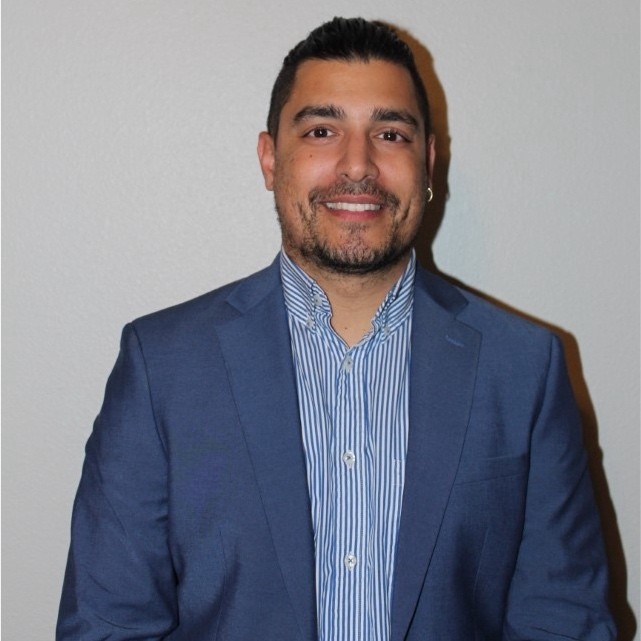
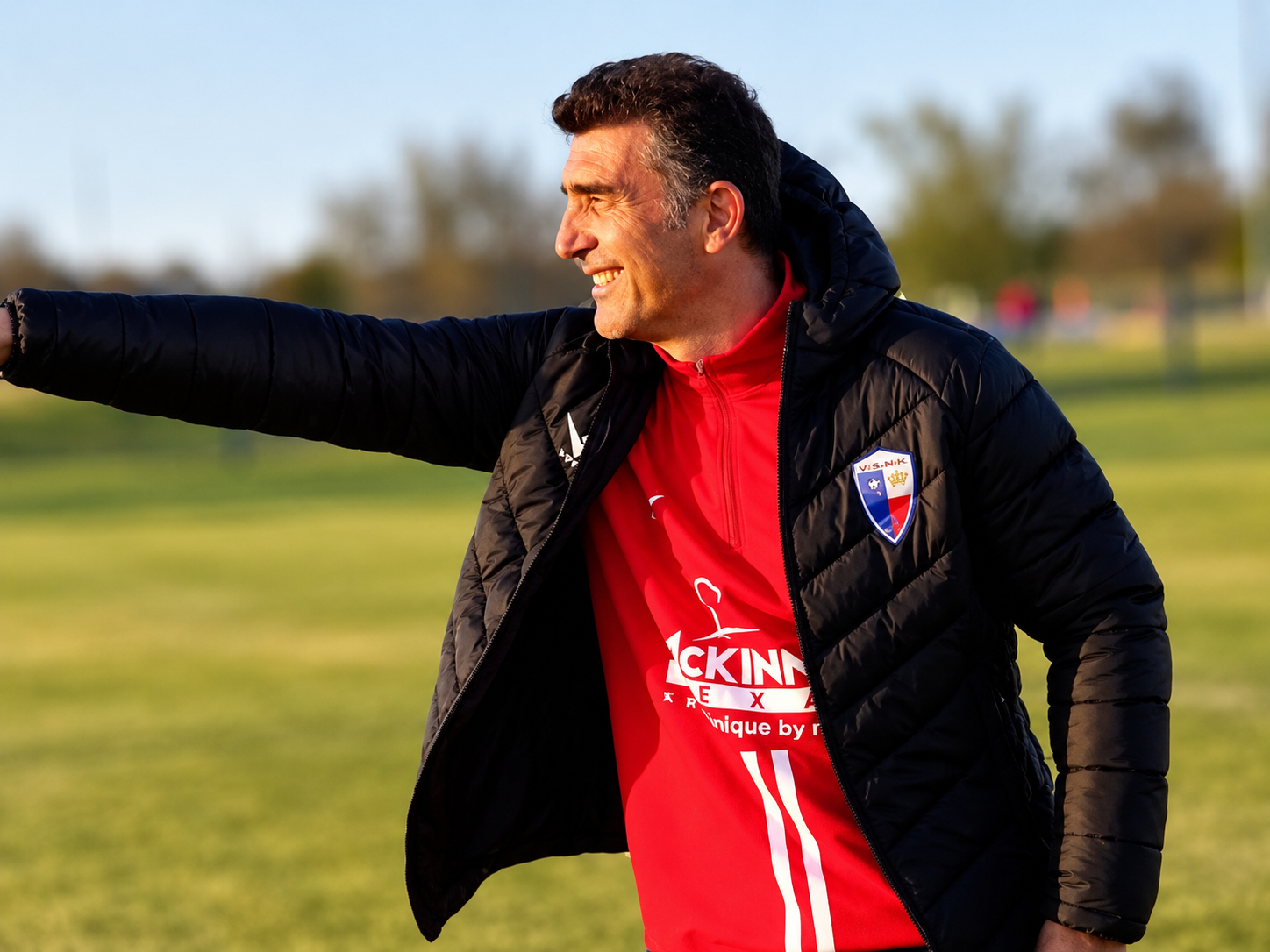
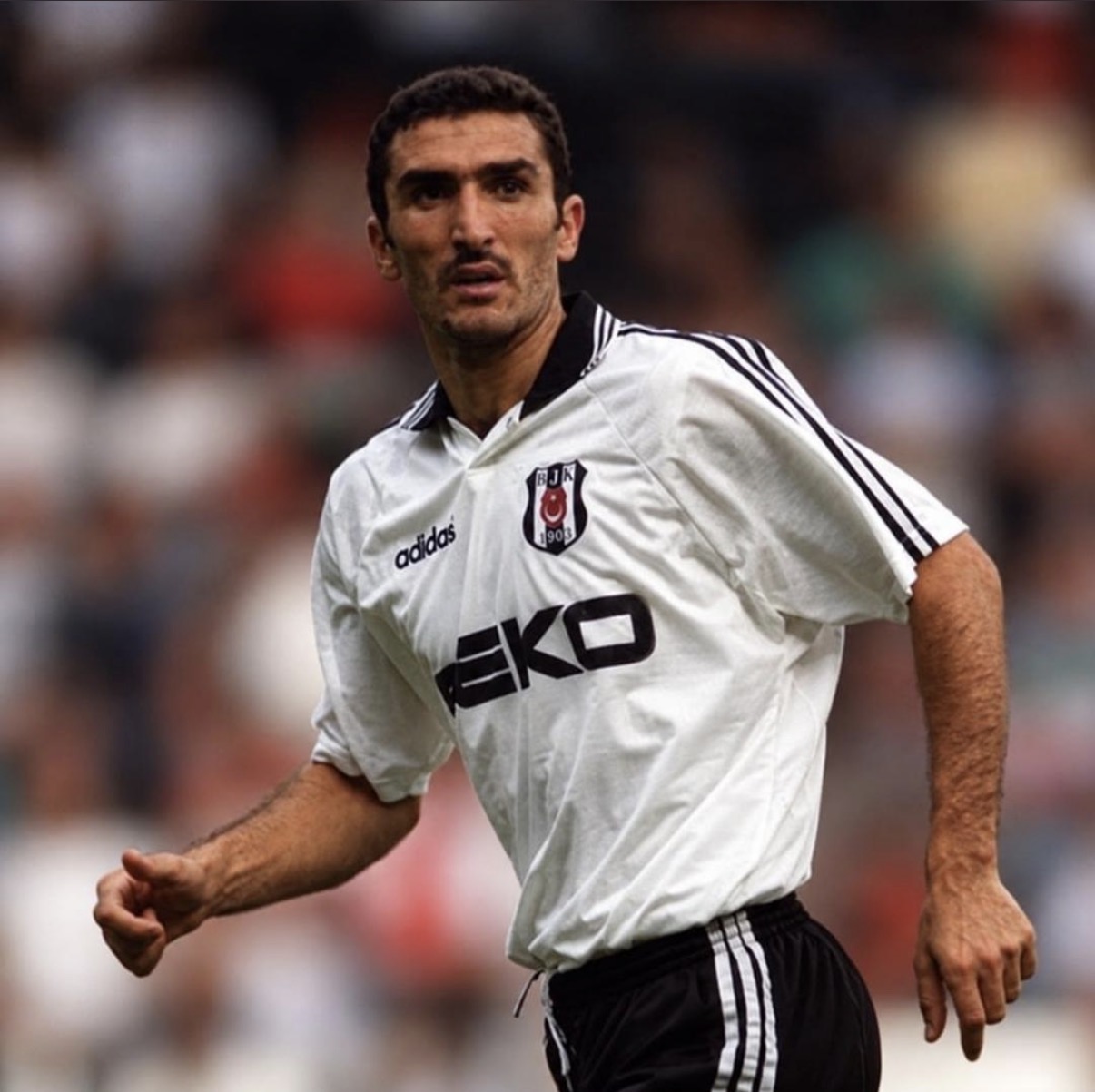
Rahim Zafer’s football journey has taken him from the streets of Adapazarı to some of the biggest stages in Turkish football, followed by a new chapter in the United States. A former defender who represented Türkiye at UEFA Euro 1996, Zafer built his playing career with clubs including Sakaryaspor, Gençlerbirliği and Beşiktaş. His professional career also took him to South Korea, where he played for Daegu FC, before he moved into coaching and club management.
Zafer’s story is about more than the clubs he represented. Having grown up as the youngest of nine children in a family where opportunities were limited, he credits his siblings and family with helping him pursue his ambitions. After spending approximately 11 years in the United States, where he continued working in football and developed teams and academies, he returned to Türkiye with a renewed perspective on the game.
In this conversation, Zafer reflects on the people who shaped him, the lessons he learned beyond the pitch, and the differences between football in Türkiye and the United States. He also shares his views on youth development, the opportunities available to Turkish players, and his ambition to return to coaching in Türkiye. His perspective is shaped by experience across several roles in the game, as well as a deep affection for the sport and for Beşiktaş.
Key Insights
- Family support, education and football ethics helped shape Zafer’s playing and coaching career.
- Young players need meaningful playing time, proactive scouting and environments that support their development.
- Zafer’s experience in the United States broadened his perspective on football structures, club management and sporting opportunities.
Our Exclusive Interview with Rahim Zafer
If the younger Rahim could see you today, after everything football has given you as a player, coach, and club executive, what would surprise him the most?
I think the younger version of me would be proud of what I have achieved. He would see someone who managed to realize many of his childhood dreams. When I was eight, nine, or ten years old, I would play football in the neighborhood and watch great teams, including our local club, dreaming that one day I would play for them.
I started playing football at Sakaryaspor, the team in my hometown, and progressed to the senior team and the national teams in a relatively short time. Considering where I came from, I believe my younger self would be proud. I was the youngest of nine children. Opportunities were limited, and even getting an education was difficult. To come this far under those circumstances is a significant achievement. Perhaps I could have accomplished even more in certain areas, but when I look back, I recognize how much I have achieved.
You have spent years in different dressing rooms alongside all kinds of personalities. Was there anyone who left a lasting impression on you or taught you an important lesson about life?
Sakaryaspor holds a very special place in my life, particularly because I developed there. But when I think about the people who shaped me, I have to start with my family. The support you receive from your parents, brothers, and sisters is incredibly important. My father initially did not want me to play football when I was very young, but my older brothers and sisters supported me tremendously. Once I was selected for the national team, my father also stood firmly behind me.
Beyond my family, there were many people who influenced my development. I can think of my PE (Physical Education) teacher at the elementary school his name was Sadun “Hoca” in my earlier days. Also, Ekrem Karaberoğlu, my first coach at Sakaryaspor. He was much more than a football coach. He taught us lessons about life, discipline, family responsibilities, and the importance of continuing our education alongside football.
Most importantly, he taught us that football is not just about playing a game or winning matches. Football ethics and character matter enormously. There are things in life that are more valuable than winning, and he helped us understand that. Those lessons stayed with us as we grew older and eventually moved into coaching ourselves. I am grateful for what he taught us, and I believe his influence was particularly important for the players who developed at Sakaryaspor.
At one point in your career, you left Türkiye and chose to build a new life in the United States. For someone who had experienced professional football in Türkiye, that was a significant change. What surprised you most about football in America?
The idea of playing football in the United States actually came to me toward the end of my playing career. After returning from South Korea, when I was around 32 or 33, I considered the possibility and tried to establish some connections, but it did not work out as a player. Later, when I began my coaching career, an opportunity came along.
My decision was carefully considered, particularly because of my children. I wanted them to continue their education and have access to the opportunities available in the United States. It was not necessarily a grand adventure that I had planned for years; things happened relatively quickly. Once there, I established a football team and worked on building academies.
One thing that continues to surprise me is how many people still ask whether football even exists in the United States. If they could see the level of interest, the organization, and the structure of the game here, they would be genuinely surprised.
I think we sometimes fall behind because we continue to look at football through outdated ideas and assumptions. You have to visit the country and see the system for yourself. What impressed me most was the importance families and schools place on sports. It is not just football; children are encouraged to participate in many different sports, and there is a tremendous amount of interest from a young age.
Thousands of children have opportunities to try different sports, both through schools and outside them. They are encouraged to explore different disciplines as they grow up, and the facilities and opportunities available to them make a real difference. Unfortunately, when you compare that with Türkiye, there is a considerable gap in certain areas. We often describe Türkiye as one of the world’s great football countries, but too often, that pride does not translate into the structures and opportunities needed to develop players.
You have experienced football as a player, a coach, and a club executive. What did managing a club teach you about the game that you might not have fully appreciated as a player?
Working as both a coach and a club executive gave me a completely different perspective. When you are a player, you naturally focus on your own performance, the team, and what happens on the pitch. When you take on responsibility for running a club, you begin to understand how many other factors determine whether a team can succeed.
One of the biggest lessons is how important financial resources are. Running a club is genuinely difficult, especially when the money is not there. As the saying goes, you cannot keep a mill running indefinitely by relying on borrowed water. When a club reaches a point where its resources dry up, it becomes extremely difficult to keep things moving.
You also learn to understand players from a different perspective. You begin to recognize what they expect from their club, what they need to feel connected to the team, and how you can build relationships that encourage them to stay committed. Managing those relationships is a significant responsibility.
When you take on responsibility for running a club, you begin to understand how many other factors determine whether a team can succeed.
Financial planning is equally important. You have to understand how to use the money available to you and allocate it properly. Without a sound plan, you will struggle in almost every area of club operations. Experiencing football from the management side gives you a much greater appreciation of the responsibility carried by a club president and the people running the organization.
You spent years trying to bring different football cultures together in the United States and introduce a more international approach to the game. Looking at American soccer today, what do you think the country has done well, and what has it still not figured out?
When you consider the size of the United States and its population, you are looking at an enormous country with extraordinary diversity. People from all over the world live here, including players who were born elsewhere and later became American citizens. Given that diversity and the number of people involved, you would expect the United States to have a much more prominent place in world football.
Of course, the country is geographically and culturally different from Europe, and the player profiles and football traditions are not the same. Nevertheless, I believe the United States could be much more successful than it has been.
Foreign coaches have arrived over the years trying to change things, and I saw some of those efforts during my time there. What I find difficult to understand is how a country with so many players and so much potential can still struggle to produce a consistently high level of football.
In my opinion, the problem is not simply the tactical approaches coaches choose. There is also too much emphasis on fitting players into conventional systems rather than identifying talented individuals and finding ways to maximize their abilities. There are many gifted players in the United States, but that talent does not always translate into performances on the pitch.
The national team has qualified for the World Cup, but I believe American football should be aiming for more. At times, the domestic game can be slow and lack clear goal-scoring opportunities. The arrival of Lionel Messi and other internationally recognized players has helped attract attention, and I think certain things are gradually beginning to change.
We have also seen younger players receive opportunities in recent matches. When coaches are willing to trust young talent and give them meaningful playing time, that can be a sign of progress. I believe American soccer has the potential to develop much further, but it needs to make better use of the talent it already has.
Moving our discussion back to Türkiye for moment, If you could change just one thing about the development of young players in Turkish football today, what would it be, and why?
I would introduce clear rules that give young Turkish players more opportunities to play. We talk constantly about developing young talent, but we do not always create the conditions that allow those players to gain experience at the highest level.
I believe one of the problems in the Süper Lig is the excessive number of foreign players. The amount of money spent on foreign signings and the opportunities given to them can make it more difficult for Turkish players to establish themselves. We have talented young players in Türkiye, but they need opportunities to play and develop at Süper Lig clubs.
Coaches also need to be more courageous in trusting young players. We should be developing complete footballers who can compete physically, technically, and tactically. For example, Türkiye has struggled to produce a consistent supply of traditional centre-forwards who are physically strong, can run, compete for the ball, use their technique, and score goals. In recent years, we have often seen the national team without that kind of striker.
We talk constantly about developing young talent, but we do not always create the conditions that allow those players to gain experience at the highest level.
We have achieved some success, but I believe there are limits to how far we can go if we do not address these underlying issues. We have seen the difficulties in recent international competitions and matches. The problem needs to be considered at the level of player development, rather than simply blaming individual coaches.
I understand the argument that coaches cannot develop Turkish players if they are not given enough opportunities at their clubs. At the same time, clubs and coaches must actively search for domestic talent. There are Turkish players who are not getting enough playing time, including players who could benefit from opportunities in European football.
We need to identify these players, help them find the right opportunities, and ensure they get meaningful minutes in the Turkish Süper Lig. If more Turkish players were given those opportunities instead of always prioritizing foreign signings, they would gain experience, improve their level, and ultimately strengthen Turkish football.
You mentioned the need to identify and develop more young players. From your own experience, do you think the national-team scouting process in Türkiye is doing enough to find that talent?
Based on my experience, I believe there is room for significant improvement. When I was working in football, I would sometimes receive phone calls asking whether I knew of any players who were good enough for the national team, rather than seeing people come to watch the players themselves.
I would recommend young players for the youth national teams, but sometimes those recommendations did not lead to opportunities. It was frustrating to see talented players overlooked when they could have been considered for selection.
I believe scouting needs to be more proactive. You have to watch players, follow their development, and assess their potential firsthand. You cannot expect to identify the best young talent simply by making phone calls and asking others who might be available. Unfortunately, there have been situations in which the process seemed disconnected from what was actually happening on the pitch.
You have been a player, a coach, and a club executive. After spending around 11 years in the United States, what would you like the next chapter of your football career in Türkiye to look like?
I returned to Türkiye about two years ago, and I am still getting used to the environment again. Spending 11 years in the United States is a significant period, and returning to Turkish football after being away for so long naturally requires a period of readjustment.
Some of the players I worked with when they were 13 or 14 years old have now become professional footballers and are playing at very good levels. Of course, time passes, people move into different roles, and others take their places. But I have never really stopped being involved in football. Even in the United States, I was working with my own team, so I remained active in the game.
The difficulty in Türkiye is that there seem to be fewer opportunities available, while the number of coaches continues to grow. As a result, opportunities can circulate among the same group of people, making it harder for others to find a club. We are trying to overcome those challenges and find a way forward.
Spending 11 years in the United States is a significant period, and returning to Turkish football after being away for so long naturally requires a period of readjustment.
My goal is to return to the touchline and coach in Türkiye again. I miss being on the pitch, and coaching is something I genuinely love. Television punditry is also an opportunity, and I occasionally provide analysis, but I see coaching and television as two very different paths.
If I choose coaching, I want to commit myself to working on the pitch. If I choose television, I would want to pursue that seriously and consistently rather than use it as a temporary step toward another coaching job.
For example, if you spend time criticizing a team or its coach on television and then take that coach’s job when it becomes available, you risk undermining your own credibility and the fairness of your earlier criticism. I have never wanted to approach things that way. When I provide analysis, I prefer to evaluate the game itself rather than unfairly target an individual coach.
For now, my ambition remains to return to coaching and continue working in Turkish football.
Rapid Fire:
City life or a quiet town?
Both, if possible!
The sea or the mountains?
The mountains.
Sunrise or sunset?
Sunrise.
Summer or winter?
Summer.
Getting up early or being a night owl?
Getting up early. You can make better use of the day.
Coffee or tea?
Tea.
Phone call or text message?
Phone call.
Making plans or going with the flow?
Making plans.
Playing well and losing, or playing badly and winning?
Playing well and winning.
Being a player or being a coach?
Being a coach now. My playing days are behind me, and coaching is what I want to do.
Defending or scoring goals?
I have always enjoyed scoring goals even as a defender, but if you defend well, that matters too. There’s a need for both!
Building a club in Türkiye or building one in the United States?
At this stage, I would prefer to work with a team in Türkiye. If I had the opportunity to establish a club in Türkiye, that would be my preference.
Building a club from scratch or taking over a struggling club and rebuilding it?
Building a club from scratch.
Experiencing a World Cup or winning a championship with Beşiktaş?
Winning a championship with Beşiktaş.
Pascal Nouma or Tayfur Havutçu?
Both are very good friends of mine, and I like them both. They played different positions, so it is difficult to compare them.
Rüştü Reçber or Oscar Córdoba?
Rüştü Reçber.
Is there anything you would like to share with our readers before we wrap up?
Thank you for the opportunity. Unfortunately, we only had the chance to meet once while I was in the United States, but hopefully we’ll get to see each other again when you’re in Türkiye.
It has been a great conversation, and I appreciate the opportunity to speak with you and The Football Week. My love and respect go out to all football fans. I hope Beşiktaş wins the championship this season, and above all, I hope Turkish football can move beyond its current chaos and that everything continues in an environment built on fairness and justice.
FAQ
Who is Rahim Zafer?
Rahim Zafer is a former Türkiye international defender who represented his country at UEFA Euro 1996 before moving into coaching and club management.
Which clubs did Rahim Zafer play for?
His playing career included Sakaryaspor, Gençlerbirliği and Beşiktaş in Türkiye, as well as Daegu FC in South Korea.
What are Rahim Zafer’s priorities in football?
He advocates more playing opportunities for young Turkish players, proactive scouting and stronger development structures. His ambition is to return to coaching in Türkiye.