

What a Brand Buys When It Signs a Footballer: The Contract Behind the Handshake
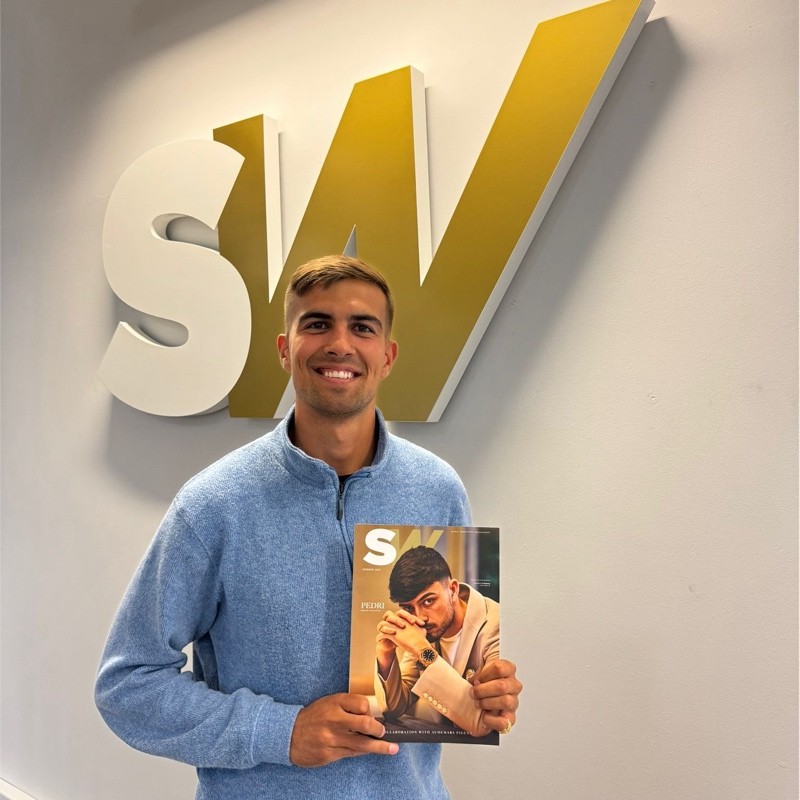
This month brought two more entries in one of the busiest markets in sport. Michael Olise has reportedly signed with Nike, with reports framing him as the successor to the roster spot Kylian Mbappe vacated when he left for On in September, and Liverpool teenager Rio Ngumoha has reportedly signed a new agreement with Adidas. They follow Cole Palmer becoming Coca-Cola’s football ambassador in April and Lamine Yamal fronting a full American Eagle collection this autumn. Each announcement produces the same photograph: a player, a product, a handshake. What the photograph never shows is the contract, and the contract is the deal.
Sports lawyers have documented its standard structure in detail, and the disputes that occasionally reach court have put some of its clauses on public record. Together they answer the question that matters most in these agreements: what is the brand paying for?
The Face Is Licensed, Not Sold
Endorsement contracts commonly begin with the same grant: the player licenses the brand the right to use his name, image and likeness in connection with its products. The definitions are drafted as widely as lawyers can make them. One example definition, quoted in a LawInSport guide to the main provisions of endorsement contracts, covers the player’s trademarks, name, nickname, mannerisms, tattoos, autograph, voice, signature, photograph, biography, career statistics, caricature and computer-generated image. Under a clause like that, a brand signing a footballer is licensing nearly every characteristic he has, for specified products, in specified territories, for a specified time. The limits matter as much as the grant, because they decide what the player can still sell to everyone else, and they include the sell-off period after expiry, during which the brand may keep using his face while he is already posing for a rival.
Elite players often do not sign these contracts personally. A common structure assigns the image to a company the player owns, and the company signs the brand deal, usually with a personal guarantee from the player attached. The structure is well established in England: when Arsenal signed Dennis Bergkamp and David Platt in 1995, the club contracted separately with their image rights companies for their commercial work, and the underlying point has been understood in the market ever since. A footballer’s image can carry a market price separate from his salary.
What the photograph never shows is the contract, and the contract is the deal.
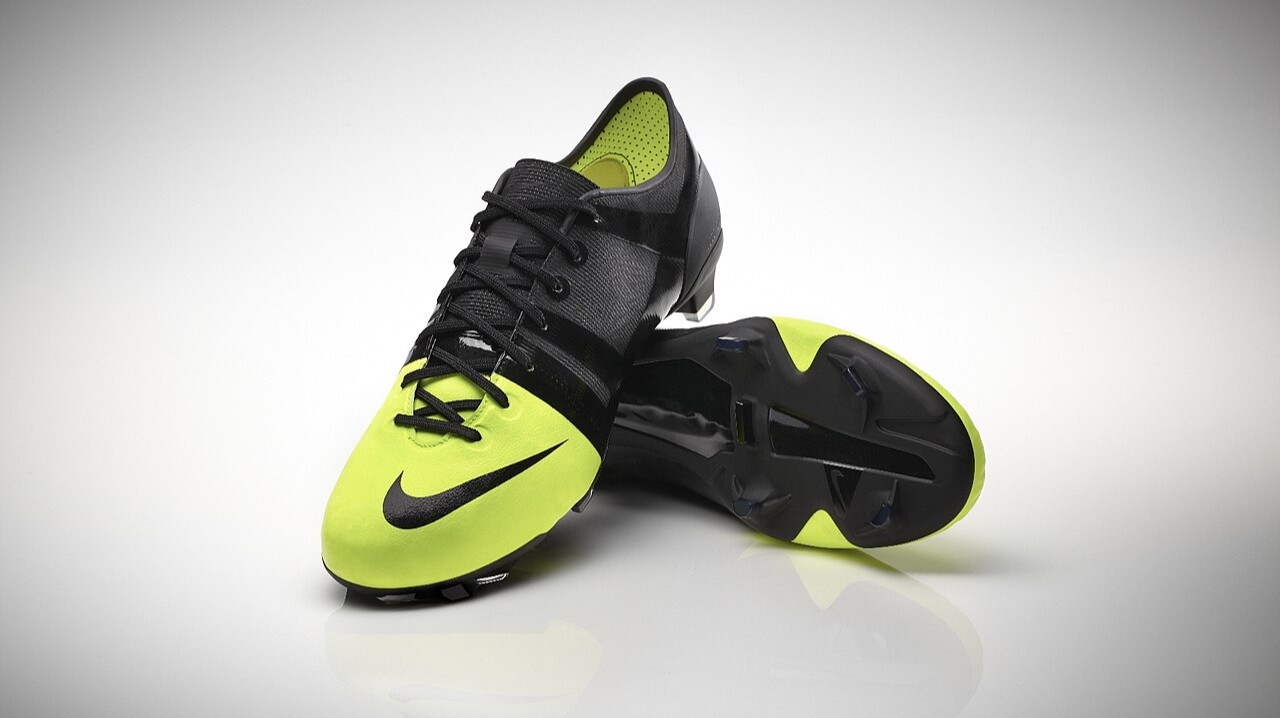
The club sits in the middle of all this. A Premier League playing contract already gives the club certain rights to the player’s image for its own commercial programme, and a further clause expressly permits separate promotional arrangements on top. The club licenses its players’ images to its own partners, so a personal deal has to fit around obligations the player already owes his employer. That is why the boot deal exists as a personal carve-out from the club’s kit contract, and why a player can wear one brand on his feet while a competitor’s logo sits on his chest.
Time and Posts Are Metered
What the player owes, beyond the licence, is usually counted. Contracts commonly price his time in units: appearance days, photo shoots, social media posts, interviews. Payment follows the same logic. Some deals pay per appearance or per post.
Longer agreements typically pay an annual base fee tied to the exposure the player generates, varying with the club he plays for, the competitions he appears in and how often he gets on the pitch. A player who stops playing stops being a billboard, and the fee schedule says so in advance. On the other side, players argue that the signature alone creates value, because a famous name announcing a partnership is itself a marketing event, and they ask for a signing bonus to price that moment.
Exclusivity Is the Expensive Line
The brand’s real purchase is often not the player’s support but the absence of everyone else’s. Contracts define the competitor list, and the negotiation over that list is where much of the money moves. The player wants the category drawn as narrowly as possible, leaving him free to stack deals in adjacent categories. The brand wants the fence drawn wide. Elite players sometimes negotiate carve-outs, known as permitted companies, that let named third parties use their image alongside the sponsor. The rule of the market is simple: the broader the exclusivity, the higher the fee, and how far the line moves usually comes down to the player’s bargaining power.
The Clauses That Protect the Money
Brands insure themselves against the two ways a face goes bad. The first is conduct. Morality clauses let a sponsor suspend, cut or terminate when the player’s behaviour damages the brand, and the biggest names in sport have lost deals to them. Players’ lawyers now push for narrow wording and sometimes for reverse morality clauses that let the athlete walk away if the brand is the one engulfed in scandal.
The second insurance is financial. Reduction rights let the sponsor cut the fee, sometimes by half or more, when the player stops delivering exposure: injured or absent for a stretch, retired, suspended, or simply not wearing the product.
The brand’s real purchase is often not the player’s support but the absence of everyone else’s.
One example clause quoted in the LawInSport guide makes altering or concealing the sponsor’s product, down to the shoelaces, grounds for termination. In an endorsement deal, visibility is the asset, and the contract defends it clause by clause.
Bonuses, Options and the New Equity Layer
Above the base fee sit the incentives. Bonus clauses pay out on defined achievements, and the drafting has to be precise: the exact name of the award, the exact definition of a goal or an assist, whether the bonus is one-off or cumulative, when it falls due.
Then come the control clauses. Brands secure rights of first refusal and rights to match, letting them hold on to a player whose value has outgrown the original deal. When those clauses reach court, the industry’s real priorities spill out. In 2019 Liverpool’s kit contract with New Balance ended up in the High Court over a right to match, and the detail that decided it was a line in Nike’s rival offer promising to market the club through at least three global superstars of the calibre of LeBron James, Serena Williams and Drake. New Balance said it would match the measurable terms. The court found its offer less favourable, partly because it could not commit to that marketing machinery. The case is a rare public record of what a top brand offers in these negotiations: not money alone, but a distribution system for fame.
The newest layer changes the relationship altogether. Mbappe’s move to On in September was reported to include equity in the Swiss company and a role working with its product teams on the football boots it plans to launch in 2027, following the model Roger Federer set when he invested in On in 2019. A player with shares is no longer renting his image by the year. He is paid in the growth of the thing his image builds, and the brand buys something an annual fee alone cannot secure: a star whose incentive is to make the company bigger, not just to appear in its advertising.
What the Handshake Hides
The global sports sponsorship market was estimated at sixty-six billion dollars in 2022, and the endorsement contract is where a footballer’s slice of that market is decided. Yet the money rests on paperwork almost nobody reads. The headline figure in any deal is the least informative part of it.
The licence defines what is bought, the fee schedule prices the exposure, exclusivity sets the real cost, and the morality, reduction, bonus and matching clauses decide who wins when something goes wrong. The handshake is for the cameras. The contract is the endorsement.