

Salah’s Transfer Isn’t Expensive. It’s an Investment in a City.
Mohamed Salah’s move to Trabzonspor could pay off for the club, the city and the country. Como 1907 shows how.
When Salah’s move to Trabzonspor was announced, one reaction spread fast on social media:
“How can this club afford that? It’s an astronomical cost.”
Trabzonspor is different.
Next to Istanbul’s rich clubs, the price tag does look huge. The club’s own filing lists 17 million euros in guaranteed pay per season, for two seasons. Trabzonspor is no small club, though. It is one of the Big Four of Turkish football and won the Süper Lig in 2022. Now it has signed a longtime Liverpool star who may be the best-known Muslim footballer in the world.
But people miss something. If an Istanbul club had signed him, it would have got a big name and a lot of shirt sales, and that’s about it. Istanbul is a vast, cosmopolitan city, and its tourism runs on its own, with or without football.
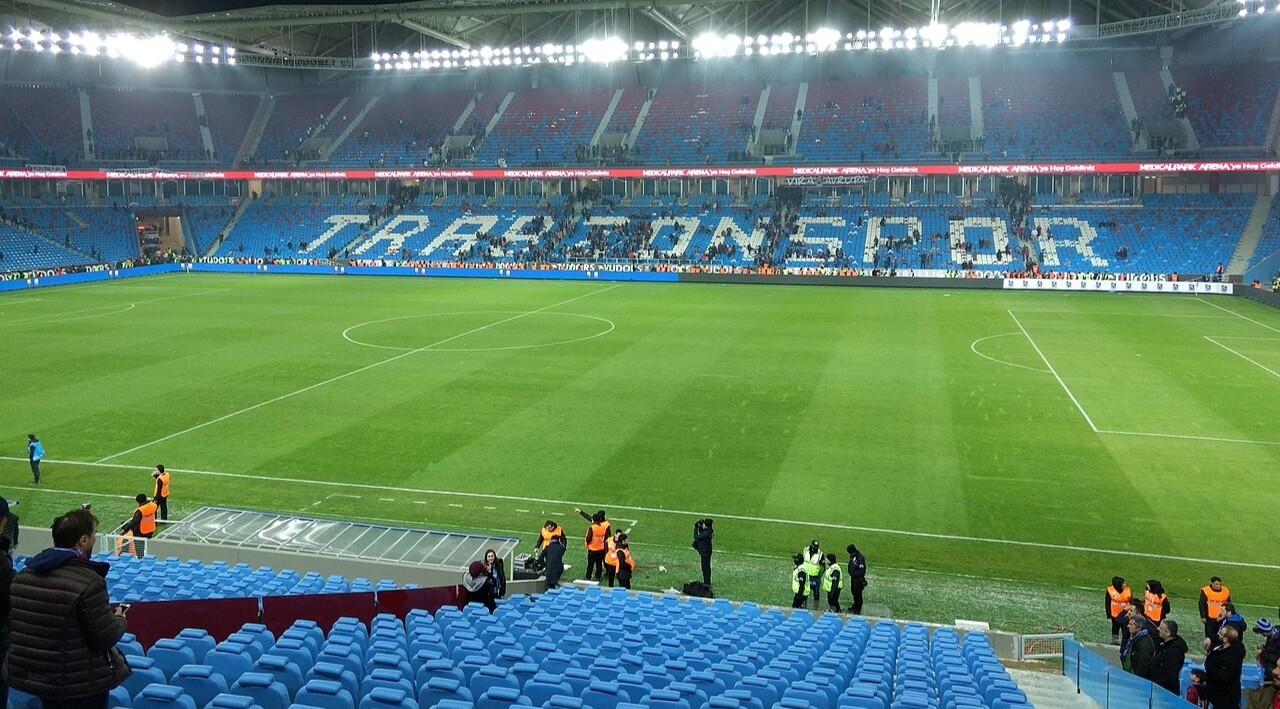
Trabzonspor is different. It is Trabzon’s face to the world, so the same signing means something else here. It changes how we should read the cost, too.
The gains come on three levels: the club, the city and the country.
At the Club Level
The most direct gain is at the club. Salah is one of the best-known players in a Muslim world of 1.8 billion people, and that fame will show up first in shirt and merchandise sales.
Shirts sell where a player is famous. Look at David Beckham’s move to Real Madrid in 2003. Shirt sales soared, and the club found a huge new audience in Asia.
Salah is just as well known in the Middle East and North Africa, so Trabzonspor could see something similar in shirt sales and sponsorship, and in attention on Arabic-language channels and social media.
Salah’s image-rights deal gives him 20 percent of the sales of products sold under his name. The club keeps the rest, and that is still a lot of shirts.
At the City Level
Tourism is already one of Trabzon’s main sources of income, and the city has long been a popular destination for visitors from the Arab world and the Middle East.
Salah can grow that interest. Demand from the countries that already send visitors will rise, and Egypt, Salah’s home country, should become a major new market. Egyptian fans will want to see where their hero plays.
Some visitors will come for the match. Many more will come simply because Trabzon is now on their screens. Trabzonspor carries the city’s name to the world, and every Salah game puts it in front of a huge audience. That kind of exposure is hard to buy. And every new visitor it brings spends money in the city’s hotels, shops and restaurants.
But interest alone is not enough. It needs a system around it.
Como 1907 built one. As the club rose from Serie B to Serie A, the city changed with it. Its president, Mirwan Suwarso, said in an interview:
“Maybe we’re not a football club. Maybe we’re a sports tourism destination.”
Como did not invent tourism on Lake Como. It tied the tourists who were already there to the club. Trabzon can do the same.
A Simple Mechanism
The first pillar of Como’s model was simple. The club designed and made its own souvenirs, and shops across the city put them on their shelves. The shops didn’t buy the stock, so they carried no risk. They just kept a cut of every sale.
But interest alone is not enough.
Trabzon could build something similar: a revenue-sharing model (consignment) with local shops, run by the club. The club makes the product and the shops sell it without risk. The money is split in an agreed way: production cost, shop share, club share. Market traders, hazelnut and tea sellers and souvenir shops would all become partners. This way the club earns from the city’s new visitors too, including those who never buy a match ticket.
Football Tourism: A Product, Not a Coincidence
The second pillar is football tourism. Como sold flights, match tickets and club merchandise as one package, and fans came to the city for it.
Trabzon has more to put in that package. Picture a family of Salah fans who fly in for a match. They are welcomed with kemençe music and a local horon dance. Around the game, there is a stadium tour, a visit to a mountain monastery, tea tasting on the plantations, and a jersey signed by the players waiting at the hotel.
A travel agency can sell that trip, and every stop pays a local business: the hotel, the guide, the tea producer, the restaurant. The effect also reaches well beyond the city. The route can follow the Black Sea coast, so the whole region would share the benefit.
Making the Interest Last
There is one more question: what happens when Salah leaves?
If fans only remember “the club Salah played for,” their interest will leave with him. So fans must bond with the club and the city, and not only with one player.
That takes regular Arabic content, membership and loyalty programs for fans in the region, and welcome events for visitors on match days. It also takes fan stories, the way Como tells them. A Saudi or Jordanian fan visiting Trabzon deserves as much attention as a Salah goal.
Start this work now, and Trabzonspor keeps its place in this market after Salah. The income becomes a lasting source instead of a one-time wave.
At the Country Level
This level gets the least attention, but its results are the easiest to count. A Trabzonspor shirt sold in Cairo or Riyadh is a Turkish export. A visitor who flies in from abroad pays for the flight, the hotel and the shopping, and Trabzon already has direct flights to 14 countries. Sponsors aimed at the Middle East and North Africa add more. All of it means foreign currency coming into Türkiye.
So fans must bond with the club and the city, and not only with one player.
The same attention helps the country, too. Salah’s matches will be followed closely across the Arab world, and that could put the Süper Lig and Türkiye in front of a new audience.
A Sober Look
All of this depends on how well it is done. Tourist numbers don’t rise in a straight line, and there are reports that high prices have pushed some visitors away.
Como and Trabzon are not the same size either, and Como’s tourism system is far more developed. Trabzon should not copy it exactly. It should build its own version.
The Bottom Line
Salah’s move is about much more than the cost to one club. It starts at the club and spreads through the city to the national economy.
That only works because Trabzonspor stands for a whole city. The cost is already public, listed in the club’s own filing. The return still has to be built in the city’s shops, hotels and travel offices. That work belongs to the club and the city.
Sources: Interview with Como 1907 president Mirwan Suwarso (YouTube); Trabzonspor’s KAP disclosure, as reported by Milliyet; Trabzon tourism figures, Karadeniz’de Sonnokta