

The Women’s League Summit 2026 Connects Football Decision-Makers Across Six Continents
The inaugural international summit brought together executives, sporting directors, coaches, investors and industry professionals to address the structural, commercial and sporting decisions shaping the future of women’s football.
On 22 October 2026, the inaugural The Women’s League Summit, powered by The Football Week, brought together the international women’s football industry for six hours of discussions, knowledge exchange and professional networking.
Featuring 20 speakers and five moderators, the online event connected professionals from across six continents, with participants joining from Europe, North and South America, Africa, Asia and Australia.
From London, Munich and Wolfsburg to New York, Washington, D.C., Rio de Janeiro, Nairobi, Kuala Lumpur, Bengaluru and Sydney, the summit demonstrated the international reach of a growing professional community.
The audience brought together club executives, sporting directors, coaches, federation representatives, player agents, investors, media professionals, commercial specialists and other decision-makers working across the football industry.
Representatives from organisations including FC Bayern Munich, FIFA, UEFA, Arsenal FC, Washington Spirit, Portland Thorns FC, Atlético de Madrid, PUMA, Krause Group MCO and 1. FC Nürnberg contributed to five panel discussions covering global development, coaching, media, investment and recruitment.
But beyond the international line-up, what distinguished the inaugural summit was the practical nature of the conversations.
How should women’s football be positioned within professional clubs? How can investment deliver long-term value? When should leagues prioritise audience growth over media rights revenue? And how can recruitment departments benefit from artificial intelligence without losing human judgement?
These were among the questions at the centre of the event.
Women’s Football Needs a Stronger Position Within Clubs
The opening discussion on global development challenged how women’s football is structured and prioritised.
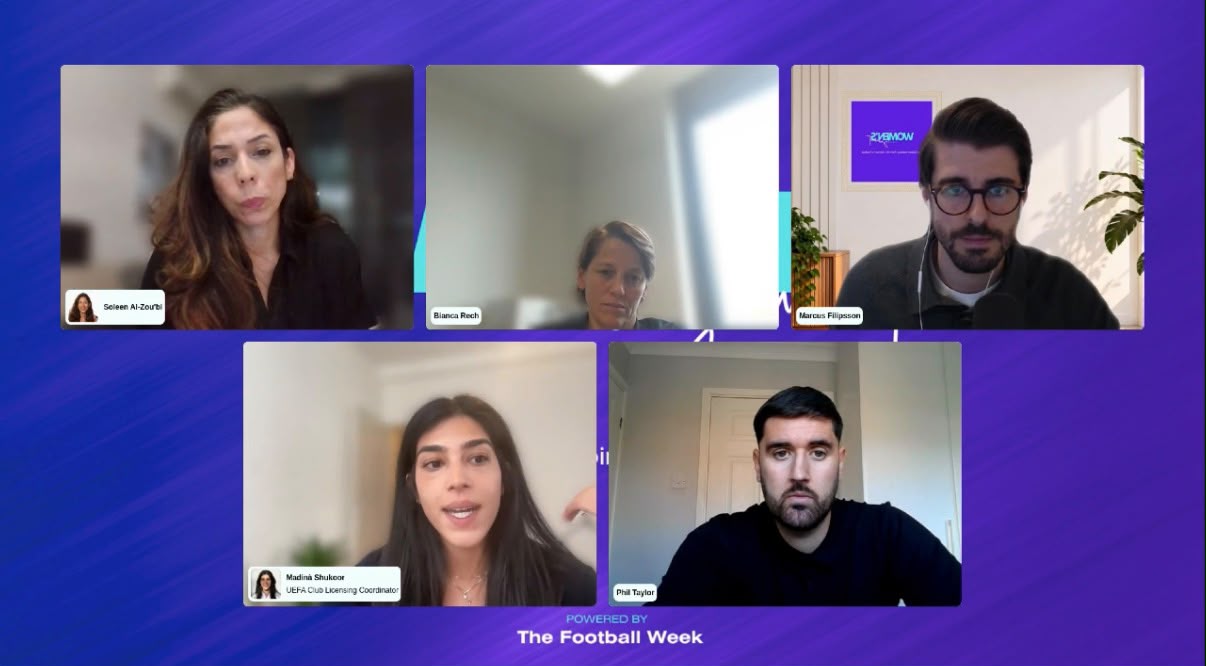
Bianca Rech, Director of Women’s Football at FC Bayern Munich, raised a fundamental organisational question: where should women’s football sit within a professional football club?
Rather than simply attaching the women’s department to an existing boys’ youth academy structure, Bianca advocated for dedicated responsibilities and a direct reporting line to the executive board.
The implication is significant. If women’s football is expected to develop into a sustainable sporting and commercial operation, its leadership needs appropriate access to strategic decision-making.
The discussion also examined the importance of competitive balance. Bianca highlighted that long-term sustainability requires enough strong teams across different leagues to create meaningful competition at the highest level.
Looking beyond established European markets, Soleen Al Zoubi of the Football Association of Malaysia addressed the connection between grassroots participation and the professional game.
Her message was equally practical: federations must make women’s football a priority, develop commercial strategies specifically for the women’s game and create more opportunities for female coaches.
If women’s football is expected to develop into a sustainable sporting and commercial operation, its leadership needs appropriate access to strategic decision-making.
From a governance perspective, Madinà Shukoor of UEFA reinforced the importance of regulatory frameworks, infrastructure and support from senior club management.
The discussion reflected the challenge of balancing ambitious growth with the organisational foundations needed to sustain it.
As Phil Taylor, CEO of Blueprint Sport, put it, the industry must be prepared to “break the mould”, while recognising that meaningful success does not happen overnight.
Coaching Development Is Also About Understanding People
The second panel moved from organisational structures to the people responsible for developing talent.
One of the strongest themes was that coaching development cannot be limited to tactics, training methodology or technical knowledge.
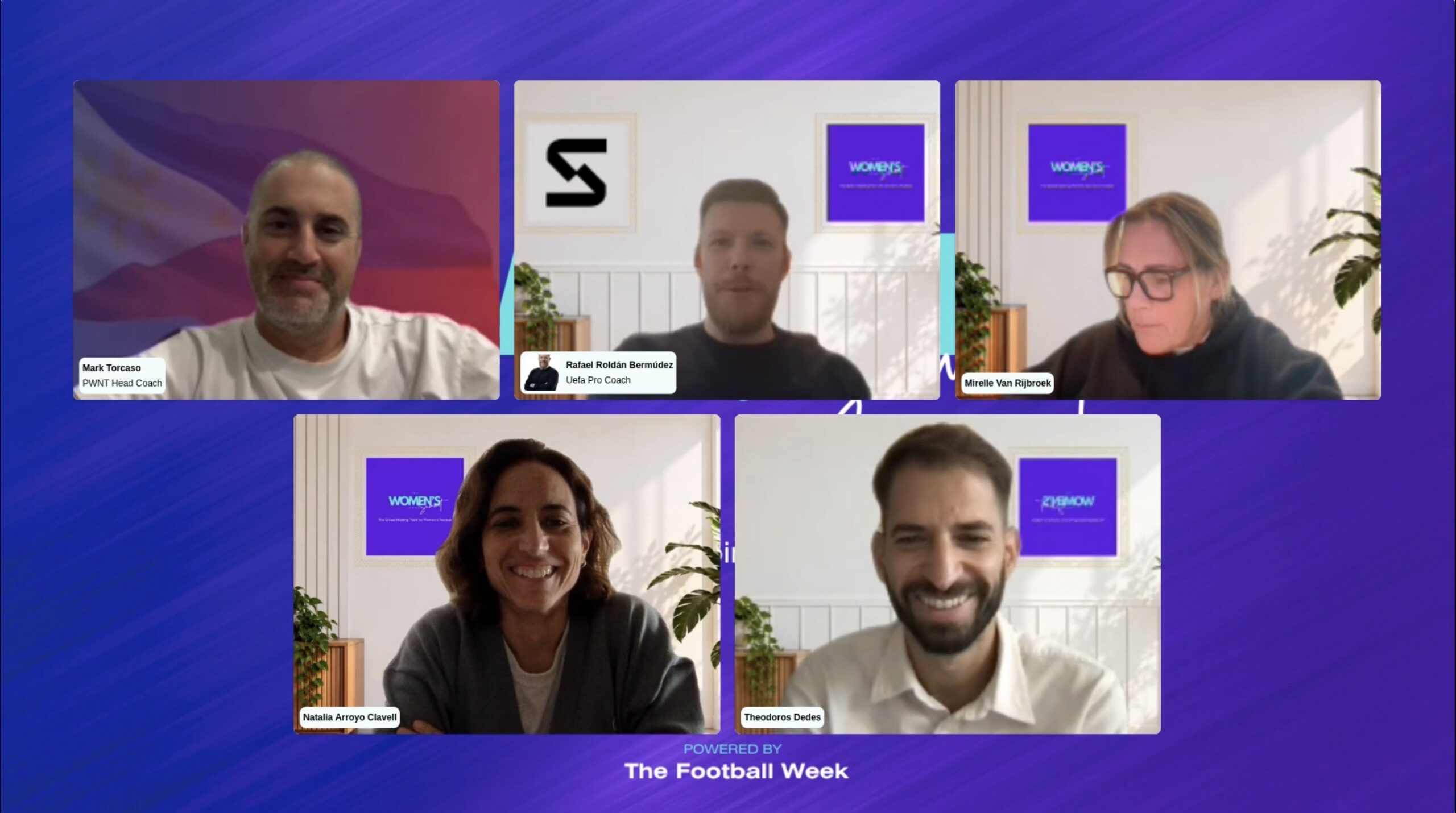
Mirelle van Rijbroek of FIFA, drawing on her work within the Talent Development Scheme, emphasised the importance of a growth mindset and continuous learning.
As women’s football becomes more professional, young players face increasing expectations both on and off the pitch. That makes education and personal development essential not only for players, but also for coaches, technical staff and federations.
The challenge of working across different football cultures was another central theme.
Natalia Arroyo Clavell discussed the growing importance of understanding relationships and human dynamics. As coaching staff become larger and players arrive with different experiences and expectations, communication becomes an increasingly important leadership skill.
Theodoros Dedes, reflecting on his experience at TSG Hoffenheim, shared a principle that captured the relationship between individual and collective development:
“If I get better, the team get better!”
He also highlighted the importance of patience in developing players, recalling another expression used during his time at the club:
“The grass won’t grow faster if you pull it!”
The discussion reinforced a practical lesson for clubs and federations: creating better football environments requires investing in the development of coaches and people, not only players.
Commercial Growth Requires More Than Visibility
The relationship between visibility, branding and commercial value was central to the third panel.
While major tournaments have increased attention around women’s football, the discussion questioned how clubs and leagues can convert that interest into sustained engagement.
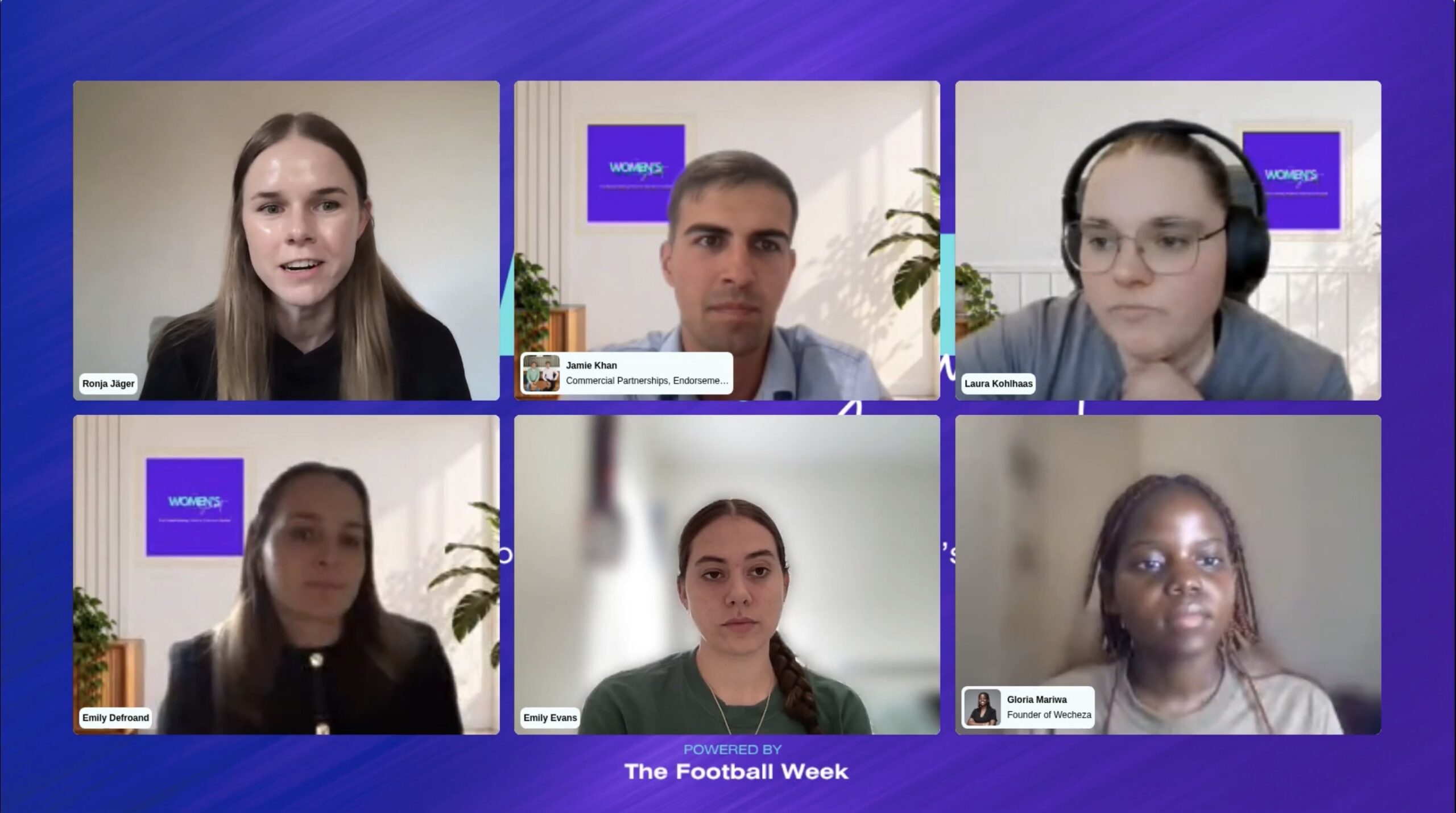
Ronja Jäger of PUMA highlighted the importance of partnerships built around shared values rather than visibility alone.
She also addressed the role of player storytelling and the need to make matches more accessible to audiences.
An important part of her contribution concerned younger athletes. As commercial interest and media attention increase, clubs and brands must avoid placing excessive pressure on young players at the expense of their enjoyment of the game.
The discussion also challenged the industry to be more confident in communicating its commercial value.
Ronja Jäger of PUMA highlighted the importance of partnerships built around shared values rather than visibility alone.
Bringing a club perspective, Emily Defroand encouraged a more demanding approach to opportunities and recognition, while drawing attention to the need to protect development pathways for domestic talent as leagues attract international players.
But increased visibility brings responsibilities.
Emily Evans highlighted the online scrutiny directed at female athletes, particularly during major tournaments, and the need for stronger action from social media platforms, clubs and governing bodies.
The panel also explored opportunities beyond traditional football markets, including the potential for global brands to engage with communities across Africa through digital content and local activation.
The underlying message was that building a commercially successful women’s football brand requires more than audience numbers. It requires trust, accessibility, clear values and a long-term relationship with supporters.
Investment in Women’s Football Must Include the People Behind It
The fourth discussion addressed one of the industry’s most important commercial questions: what does sustainable investment actually look like?
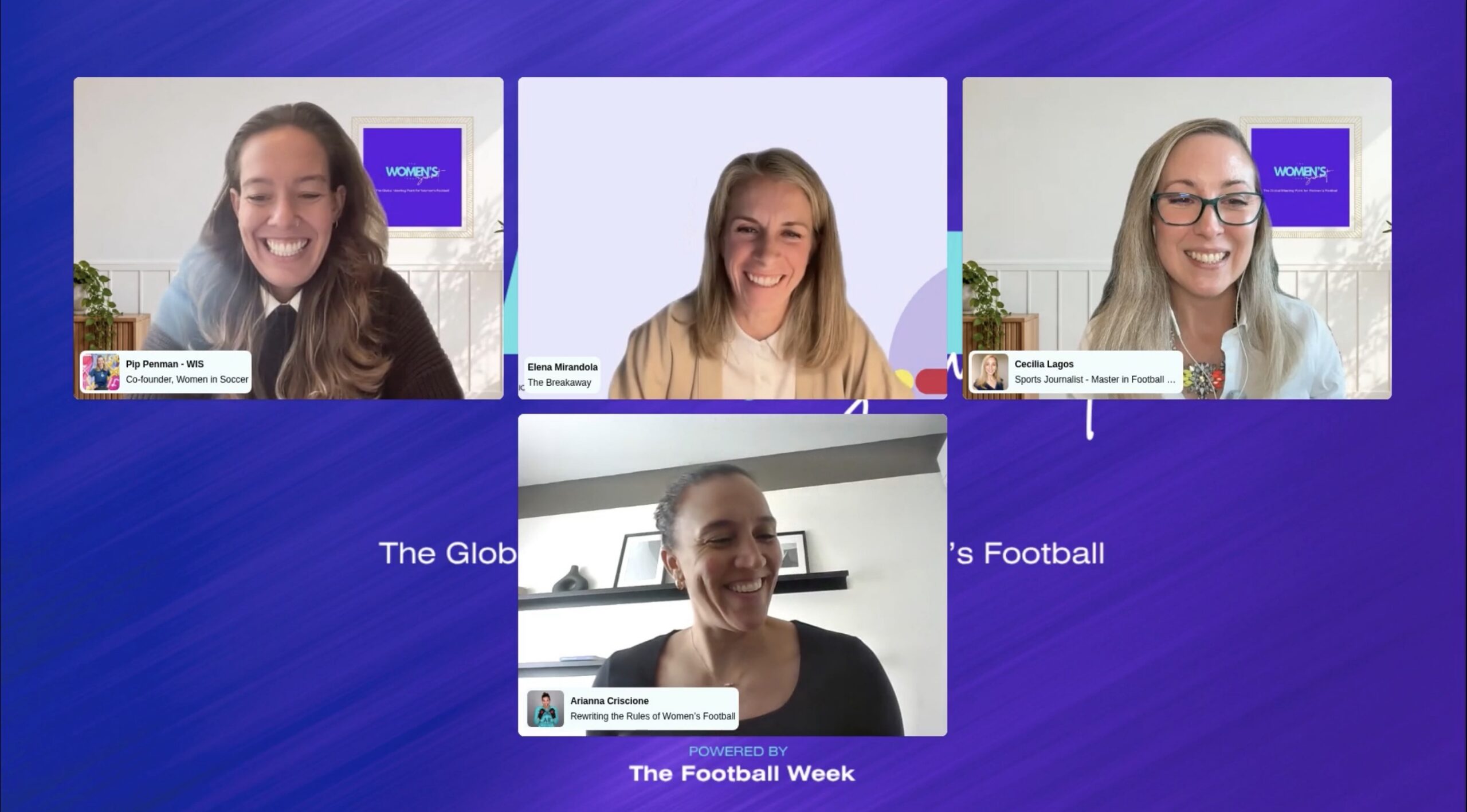
For Arianna Criscione of Krause Group MCO, the answer involves patient capital and a willingness to invest beyond the first team.
Her contribution challenged the tendency to measure progress primarily through player salaries or high-profile investment announcements.
She highlighted the importance of the professionals working behind the scenes, including the people responsible for commercial activation, partnerships and organisational development.
One particularly practical example concerned recruitment.
Arianna discussed her initiative to introduce salary transparency in job advertisements, helping applicants better understand compensation expectations while supporting more effective recruitment and onboarding processes.
She also highlighted the financial consequences of staff turnover, reinforcing why retaining talent is an important part of sustainable organisational growth.
This connected with the perspective of Pip Penman, Co-Founder of Women in Soccer, who made the business case for inclusive recruitment and long-term workforce planning.
High staff turnover can leave organisations in a vulnerable position, particularly in an industry where teams and commercial departments are still developing their structures.
The discussion then turned to how women’s football should approach monetisation.
Elena Mirandola, Founder of The Breakaway, challenged the assumption that women’s football should adopt the same commercial models as men’s football.
She highlighted how audience expectations, brand identities and market conditions can differ significantly.
Her perspective on media rights was particularly relevant: making matches available free-to-air can be a deliberate strategy to build an audience before pursuing greater monetisation.
However, that approach requires a clear commercial vision rather than simply giving away rights without a long-term plan.
Together, these contributions presented a more sophisticated view of investment.
The question is not only how much money enters women’s football, but how effectively it is invested in people, infrastructure, distribution and sustainable business models that support long-term growth and longevity.
Recruitment Must Balance Data with Human Judgement
The final discussion examined the increasing influence of data and artificial intelligence on scouting and recruitment.
The panel brought together specialists from Arsenal FC, Washington Spirit, Atlético de Madrid, Portland Thorns FC and 1. FC Nürnberg, reflecting the international nature of modern talent identification.
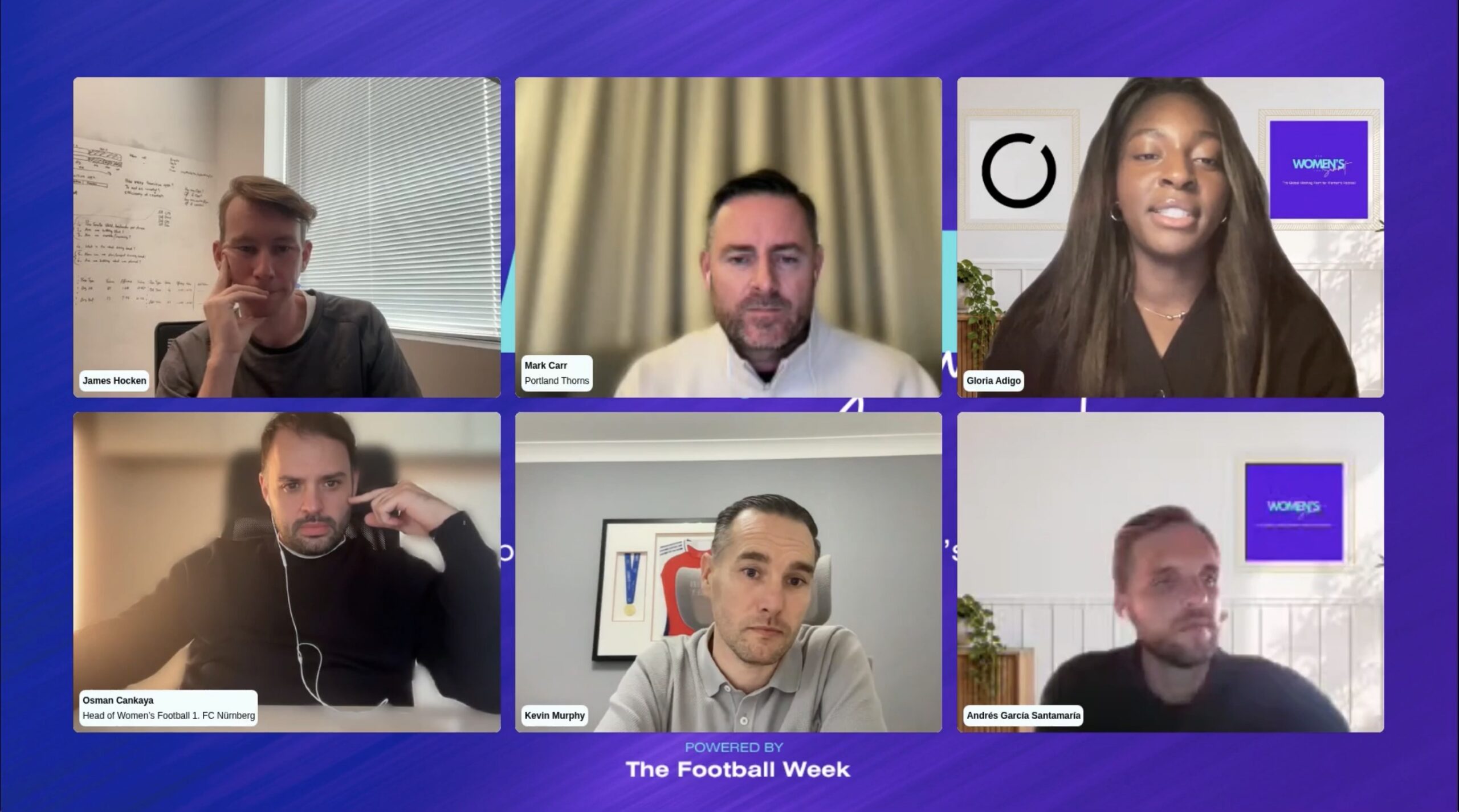
James Hocken, Sporting Director at Washington Spirit, highlighted the importance of distinguishing scouting from recruitment.
Identifying a talented player is only one stage of the process. Recruitment also requires understanding whether a transfer is right for the player and the organisation.
James addressed the human factors behind unsuccessful transfers and the importance of trusting a recruitment process, particularly when concerns emerge during the final stages of negotiations.
Kevin Murphy, Player ID Lead at Arsenal FC, explored the growing role of artificial intelligence and the challenge of introducing new technology within the staffing and resource limitations that remain common in women’s football.
While the development of AI cannot be ignored, Kevin emphasised that human interactions must not disappear from the process.
Recruitment also requires understanding whether a transfer is right for the player and the organisation.
The panel also addressed the importance of understanding different leagues and playing styles when assessing talent internationally.
The takeaway was clear: data can improve recruitment decisions, but successful transfers still depend on context, relationships and human judgement.
A Global Meeting Point for the Industry
Beyond the five panel discussions, the summit provided an opportunity for professionals from different countries and areas of expertise to connect.
The high level of audience engagement was another defining feature of the event. Throughout the five panels, participants contributed thoughtful questions during the Q&A sessions, bringing additional perspectives and practical challenges into the discussions.
This interaction reflected the professional diversity of the audience and the value of creating a space where decision-makers and industry specialists could actively exchange knowledge rather than simply follow presentations.
A dedicated networking session encouraged participants to exchange perspectives and establish relationships across clubs, federations and commercial organisations.
The event was supported by panel partners SkillCorner and Scoutastic, who also participated through virtual exhibition spaces. The Women’s Game: More Than Just a Game joined as the official Reading Partner of the Global Development panel.
For Ersel Aybasti, Founder of The Women’s League and Host of the Summit, the inaugural edition represented an important milestone in an initiative established two years earlier.
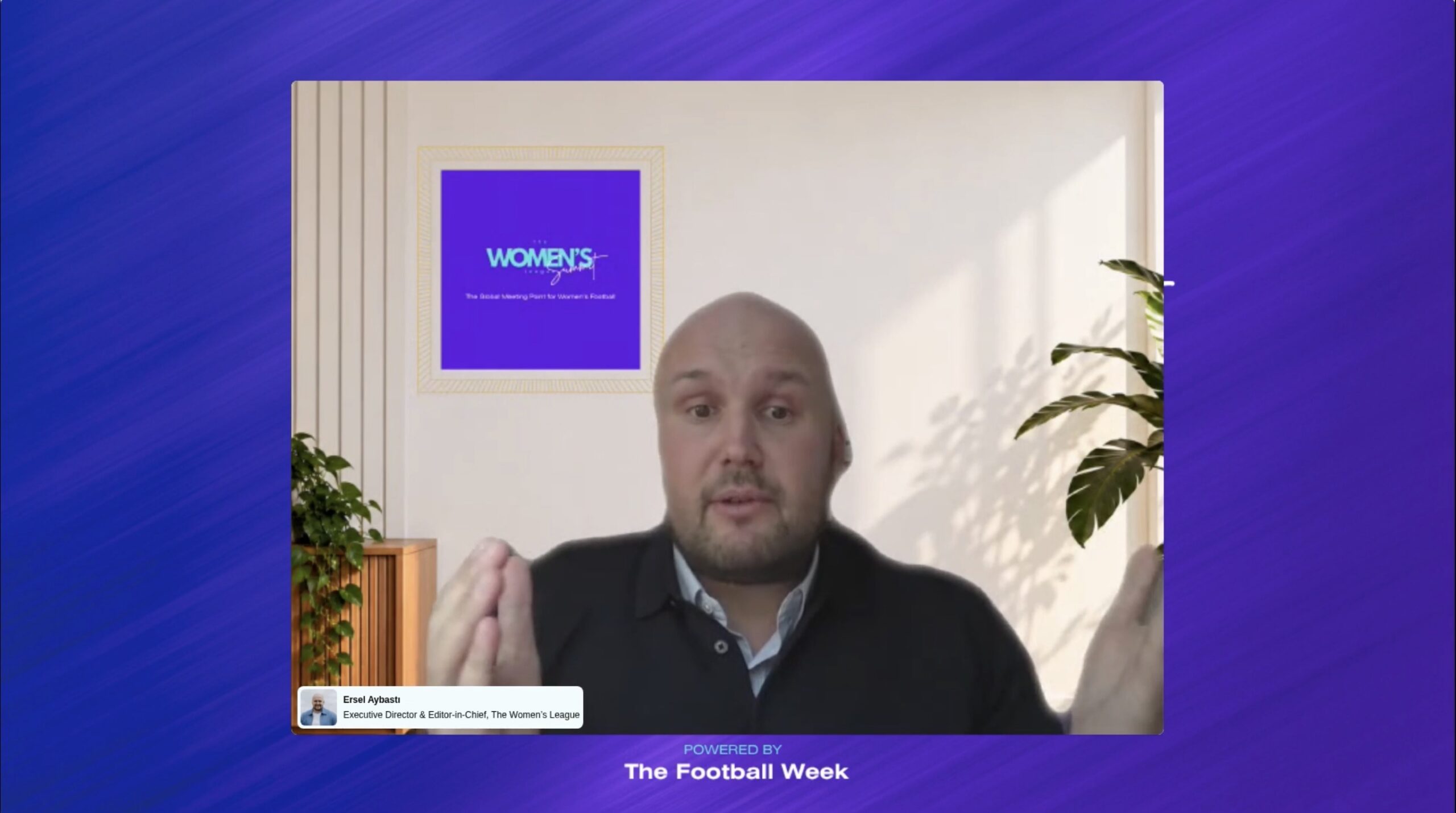
“When we started The Women’s League, our goal was to bring people together, share knowledge and build meaningful connections across the international women’s football industry.
“Seeing professionals from six continents join our first summit was an important moment for us. But what impressed me most was the quality of the discussions. We weren’t just talking about the growth of women’s football. We were discussing concrete decisions around governance, recruitment, investment and leadership.
“That’s exactly the kind of knowledge exchange we want to encourage. Our ambition is to connect people who can learn from each other and turn these conversations into meaningful progress.
“For us, this is just the beginning.”
Building on the First Edition
The inaugural The Women’s League Summit demonstrated the value of bringing together different perspectives from across the football industry.
The discussions showed that sustainable development requires more than increasing visibility or attracting new investment.
It depends on where women’s football sits within club structures, how organisations develop and retain their people, how commercial strategies are designed and how new technologies are integrated into football operations.
Equally important is the opportunity for professionals to exchange knowledge across different markets.
Following the first edition, The Women’s League aims to continue developing its international network and create further opportunities for education, collaboration and professional exchange.
With participants joining from six continents and a programme focused on practical industry challenges, The Women’s League Summit 2026 established a strong foundation for its future as an international meeting point for women’s football decision-makers.
The Women’s League Summit is powered by The Football Week, with SkillCorner and Scoutastic as panel partners.