

Profile
Role: Goalkeeper and Set Piece Coach, Lithuania’s Senior Women’s National Team; Regional Talent Project Coordinator; Head of Women’s Development, MFA Žalgiris
Specialisation: Goalkeeper Development, Talent Identification and Women’s Football Development
Experience: Lithuanian Football Since 2017, Including Youth National Teams and Club Football
Focus Areas: Player Pathways, Goalkeeping, Set Pieces, Coaching Education and Leadership Through Trust
Building the future of women’s football requires more than identifying talent. It demands coaches who create opportunities, strengthen development pathways and build environments where players feel confident enough to grow. For Aistė Griciūtė, progress in Lithuanian football begins with investing in people, connecting communities and recognising that sustainable success is built long before results appear on the pitch.
Introduction
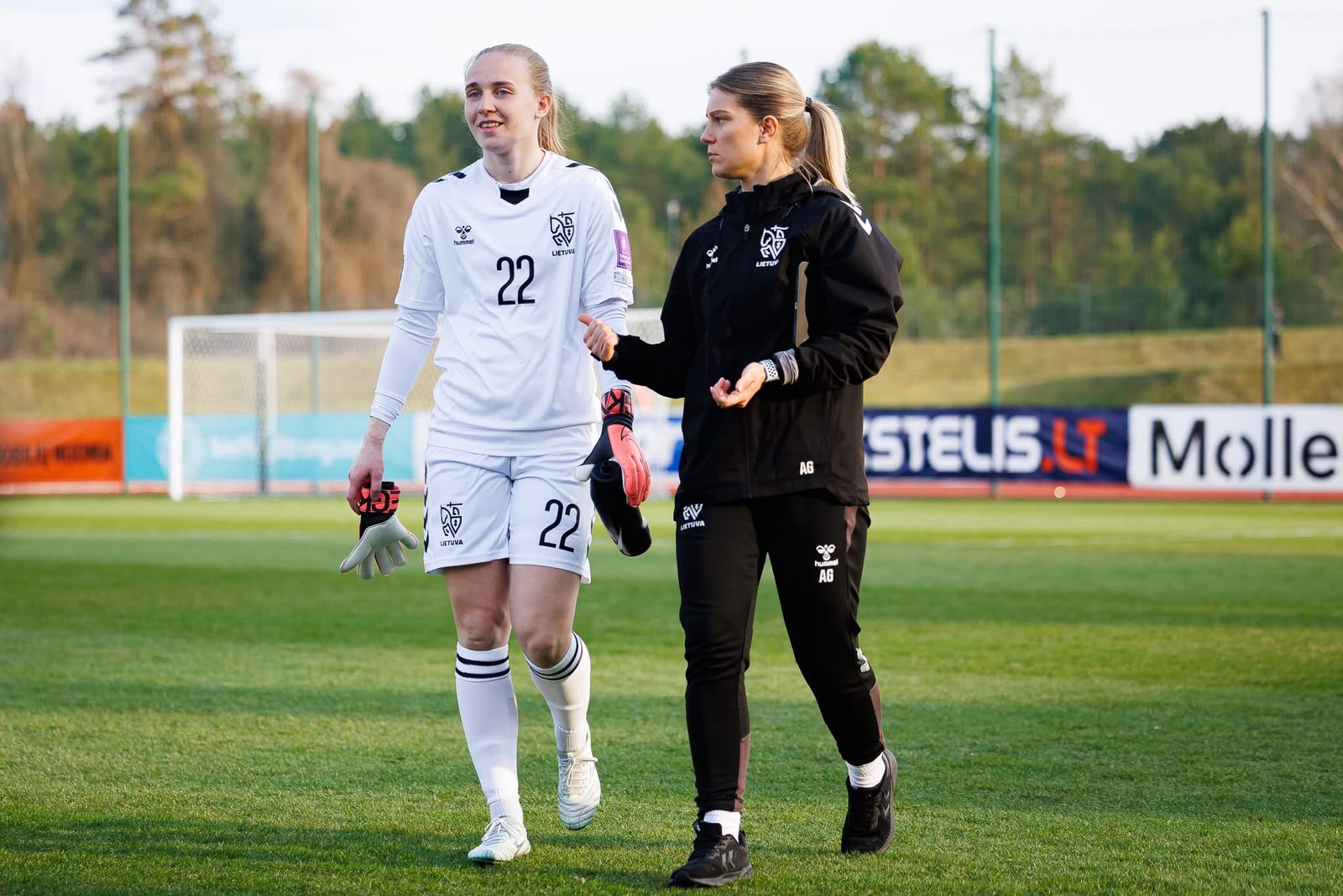
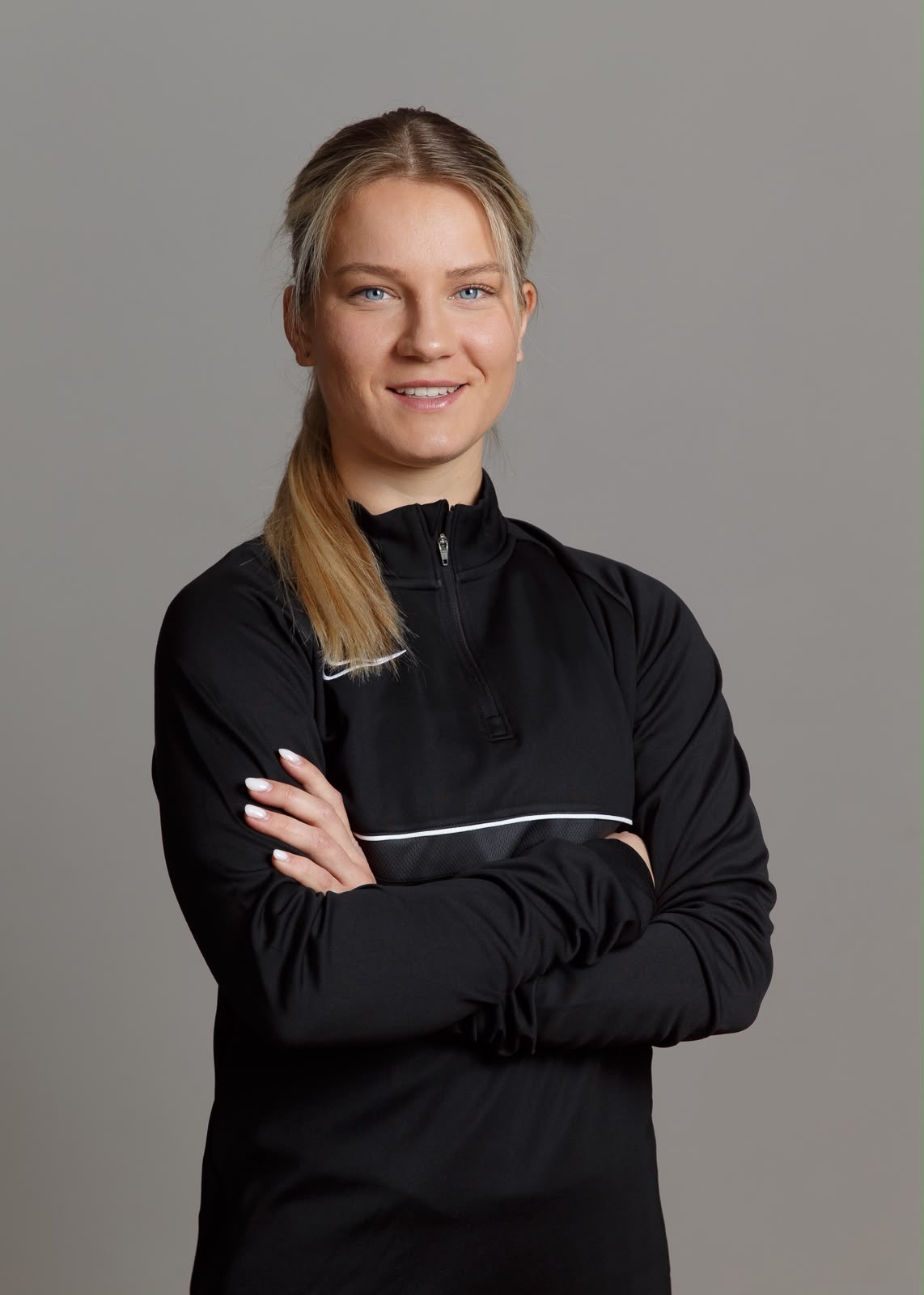
Aistė Griciūtė is a Lithuanian football coach specialising in goalkeeper development, talent identification and women’s football development. She currently serves as Goalkeeper and Set Piece Coach of Lithuania’s senior women’s national team, Regional Talent Project Coordinator and Head of Women’s Development at MFA Žalgiris. Having worked across Lithuania’s youth national teams and club football since 2017, she brings experience in coaching, player development and building pathways for emerging talent. In this interview, Griciūtė discusses the evolution of Lithuanian women’s football, the changing demands of modern goalkeeping, leadership through trust and the importance of creating environments where the next generation can thrive.
Key Insights
- Modern goalkeepers contribute to the whole team’s play, including build up and defending space.
- Sustainable player pathways require quality coaching, competitive minutes and support around the individual.
- Trust, community and continuous learning help create environments where players and coaches can grow.
Our Exclusive Interview with Aistė Griciūtė
You have worked within Lithuanian football since 2017. How have you seen the environment for female players and coaches evolve during that time?
Every year has brought something new. The player pool has widened geographically, staff teams have become younger, and more women have been given real responsibility. Foreign head coaches have also joined our national teams, and they have not just led the squads. They have taught the staff working alongside them. Players and coaches have returned from camps sharper and braver, wanting to bring that experience straight back to their own clubs.
Competence is growing, and so is the talent. What I would love to see is far more cities and clubs getting involved in women’s football. It all starts with investing in people and in the environment around them. When we do that, everything else follows.
You are now Goalkeeper and Set Piece Coach of Lithuania’s senior women’s national team. How do you approach combining two highly specialised areas within one coaching role?
Taking on more than one role is not a big challenge for me. It does take more time, but once you understand the system, get to know the environment and see what it needs, the work becomes easier to shape. Everything starts with communication, and with a staff full of colleagues to share ideas with, things move even faster.
I genuinely enjoy it. My aim is to make everything clear, simple and manageable for the players because a team with a solid structure plays with more confidence. And as the saying goes, a good defence is what brings you points and titles.
Lithuania recently reached the World Cup play offs for the first time. What does this milestone mean for the development of women’s football in the country?
It is an incredible feeling. I am so happy for the players and the staff who worked so hard to make it happen. There is still a lot of scepticism around us, and attitudes towards men’s and women’s sport are still not equal. But slowly, through open conversations and ultimately through results, we can talk about real change.
That change is what we need to keep the players we have and inspire a new generation willing to put in the extra work to reach the highest level of Lithuanian women’s football.
This stage also brings a football giant to Lithuania: Sweden. It is a historic meeting between the two countries. For our players, and for everyone watching, it is a chance to see and experience what top level football looks like.
You spent several years working with Lithuania’s WU15, WU17 and WU19 national teams before moving into the senior team. What changes most when developing goalkeepers for senior international football?
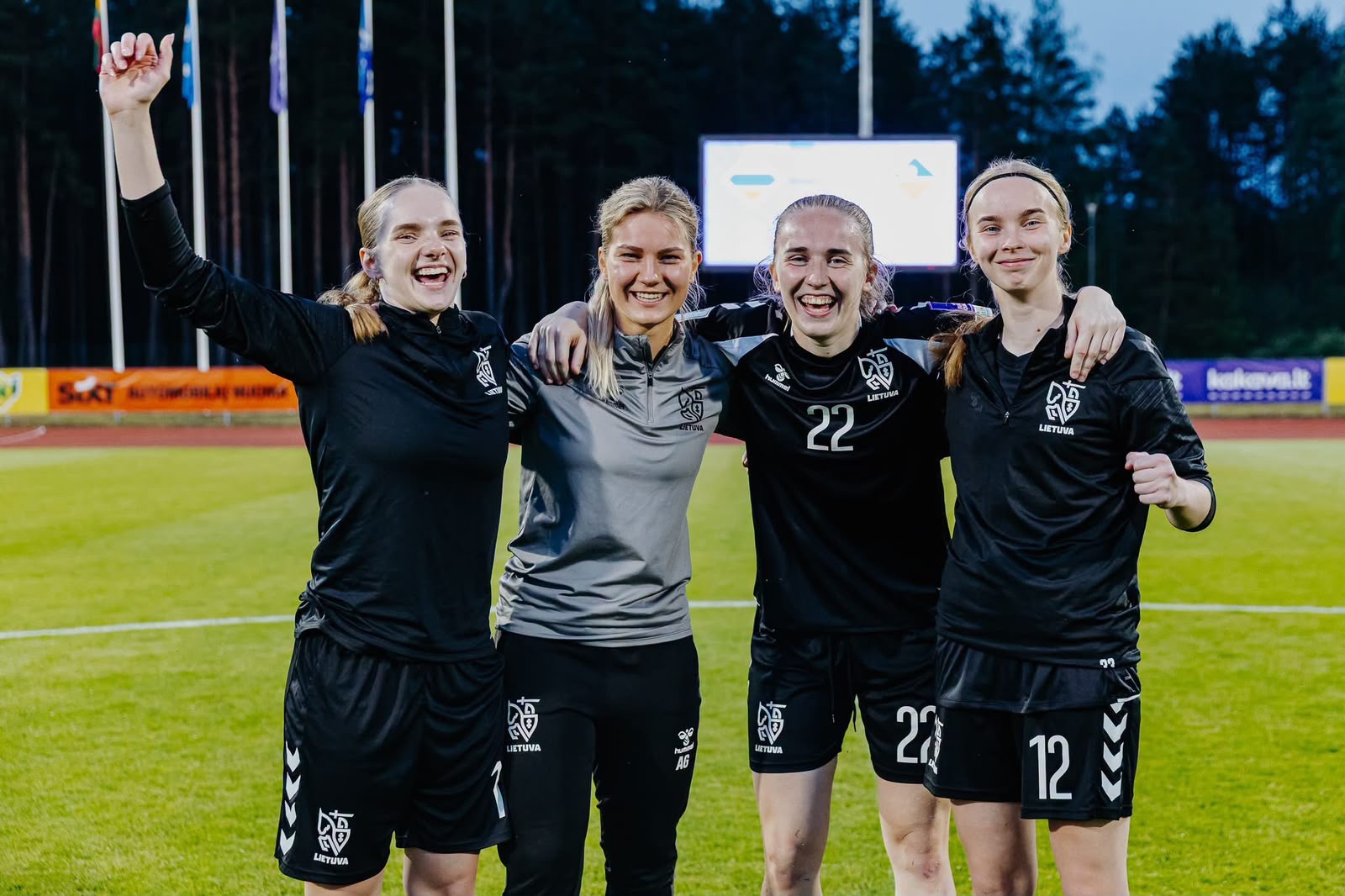
In youth football, we want to compete and win, but most of the work is about development: technical and tactical foundations, and the first experience of international tournaments, with all the nerves that can shape a performance.
Senior players arrive with experience and a different sense of themselves. For many of them, football is their job and their whole life, and they are completely focused on it. They come to the national team wanting the maximum, so our task as coaches is to bring them together, highlight their strengths and help them reach their goals and ultimately win.
The same shift applies to goalkeepers. With youth goalkeepers, the priority is building the foundations: handling, footwork, positioning and basic decision making. I like to work through games and small sided situations rather than isolated repetition, so they learn to solve problems the way they will in a match.
Just as important are confidence and a love for the position because, at that age, goalkeepers need to feel safe to make mistakes and learn from them.
In youth football, we want to compete and win, but most of the work is about development: technical and tactical foundations, and the first experience of international tournaments, with all the nerves that can shape a performance.
At senior level, we refine, and the details decide matches: reading the game early, organising the defensive line, making decisions under pressure and being a real option in build up play.
Training becomes more specific. We prepare goalkeepers for the exact situations the team and the opponent will bring, and we help them feel at home in everything the team does, with and without the ball.
Goalkeeping has become an increasingly complex position. What qualities define a modern elite goalkeeper beyond shot stopping?
Modern goalkeeping is almost undergoing a change of name. We are moving from “goalkeeper” to “goalplayer”, a field player who takes part in everything the team does, defending space, zones and the goal, while also contributing to attacking play.
More and more clubs want to dominate through positional play, and that often calls for a proactive goalkeeper who can sweep high behind the defence and stay calm and intelligent when the opposition breaks into the box.
So the priority is shifting. It is no longer only about being the tallest and most physically imposing, but about being mobile, athletic, dynamic and good with your feet.
As Regional Talent Project Coordinator, you are involved in scouting and developing players across Lithuania. What are the biggest challenges in building a national talent pathway in a relatively small football market?
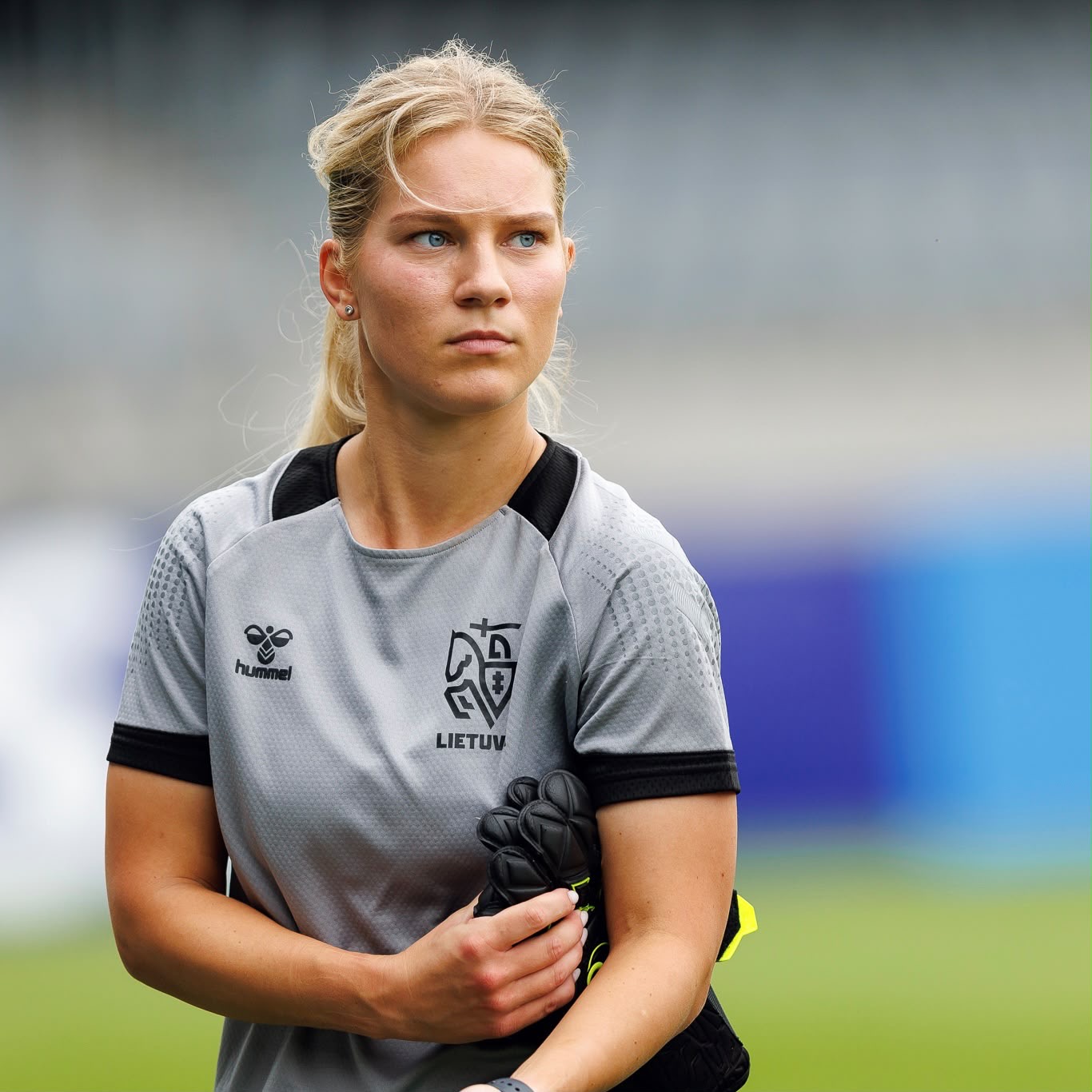
What I love about this project is that, in a small country, we can bring together the most talented players from different clubs. Once a week, they are coached by strong, passionate and competent coaches.
The young players absorb new ideas and carry that fresh knowledge back to their clubs. It is simply one more quality hour a week with a ball at their feet.
The biggest challenge is that we still need more coaches who engage, include and support girls, who do not make too much of the differences from boys and who do not demand results where results should not yet be expected. This requires a different psychological approach.
But I am also grateful that we have such coaches in every region of Lithuania. People who lead everything from U11 teams to A League clubs and who give their time and heart to the game.
We are small compared to other countries, but by building community and sharing openly, we can achieve far more together.
Alongside your national team role, you are Head of Women’s Development at MFA Žalgiris. What structures are essential for creating a sustainable pathway from academy football to the senior level?
For me, it comes down to a few key things:
- First, a clear pathway. Every player should know where she can go and what it takes to get there, from the first training session to the senior team.
- Second, quality coaching at every age. Good coaches understand the stage the player is in and value development over early results.
- Third, competitive minutes. Players grow by playing, so the bridge between academy and senior football has to be real, with opportunities that are earned and trusted.
- Fourth, support around the player. Education, physical development, mental wellbeing and family are all part of the picture.
- And finally, the courage to be yourself. A player develops fastest where she feels safe enough to show who she is, to try, to fail and to speak up.
When young players feel that courage is welcome, they step into the senior team as individuals with their own voice, not just as players who followed instructions.
Above all, a pathway is built by people who believe in it and are willing to invest in it patiently.
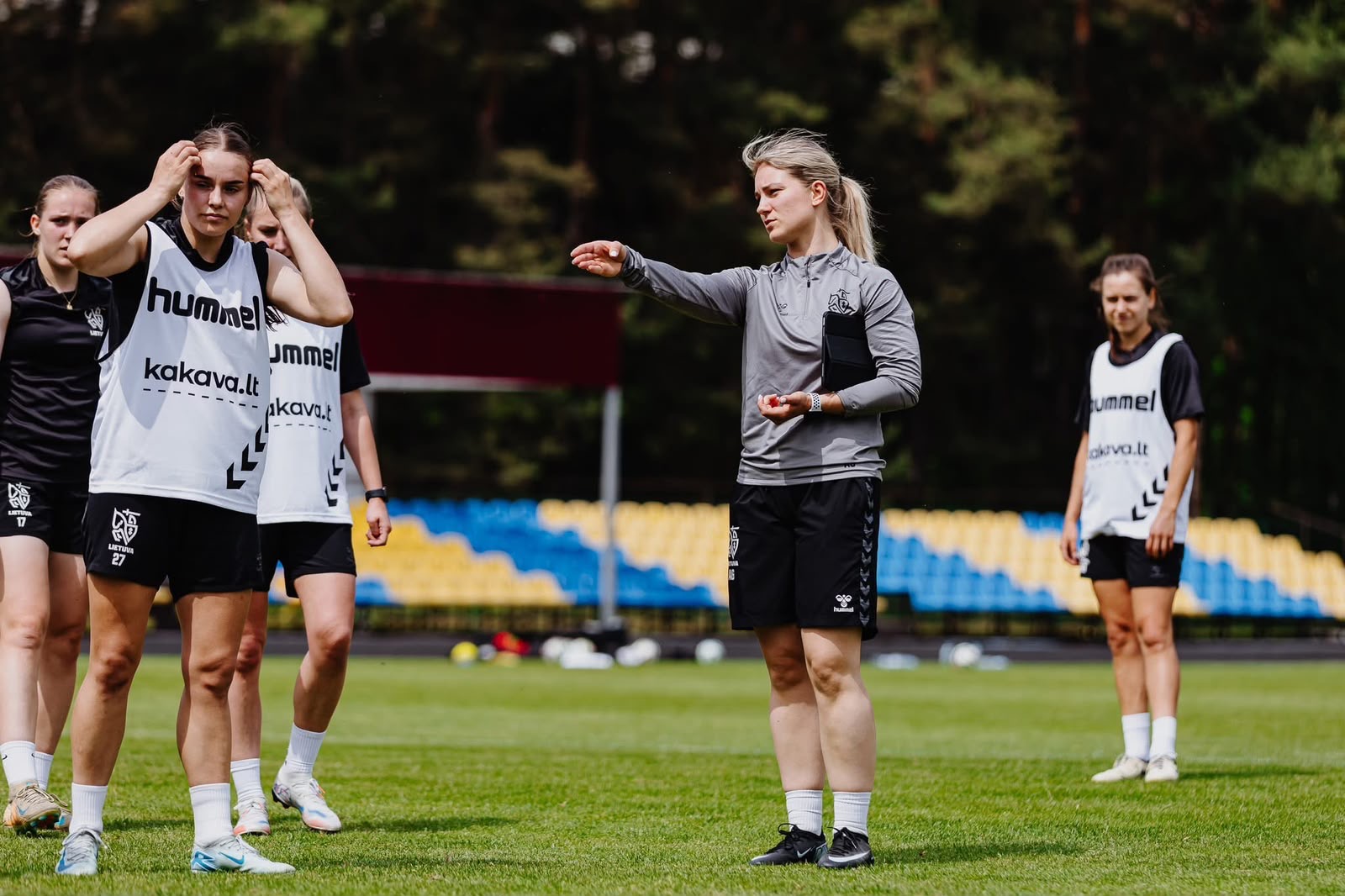
You have worked both as a head coach and as a specialist goalkeeper coach. How have those different responsibilities shaped the way you understand player development and leadership?
Working with a whole team shows you just how complex football is. It takes skills, agreements, mutual understanding and a sense of togetherness for the whole system to function.
At its core, we work with different people, each with their own world. A coach’s job is to get to know them, support them and find ways to connect them so we can speak one language.
When trust and unity are in place, leadership appears naturally in every corner of the team, through actions, words or simply taking responsibility.
Working with a whole team shows you just how complex football is.
People take on leadership when they feel brave, comfortable and supported. When you feel safe in your environment, you are not afraid to step forward.
Being a specialist taught me depth and detail. Being a head coach taught me to see the whole picture. Each makes me better at the other.
You are continuing your own development through the UEFA A Goalkeeping Licence. How important is continuous education for coaches as women’s football becomes more professional and specialised?
I want my players, the coaches around me and the specialists in other areas to benefit from new knowledge that we can apply in our daily work. If that brings positive results, even better.
Standards are rising everywhere, and everything is modernising. So the challenge is not just to keep up, but to keep learning, gather experiences, widen our circle of like minded people and keep the conversation going.
Information is everywhere. What matters is how each of us takes it in and uses it so that tomorrow is better than today.
As women’s football becomes more professional, the coaches who stay curious, humble and open to being challenged will be the ones who help the game, and the people in it, grow.
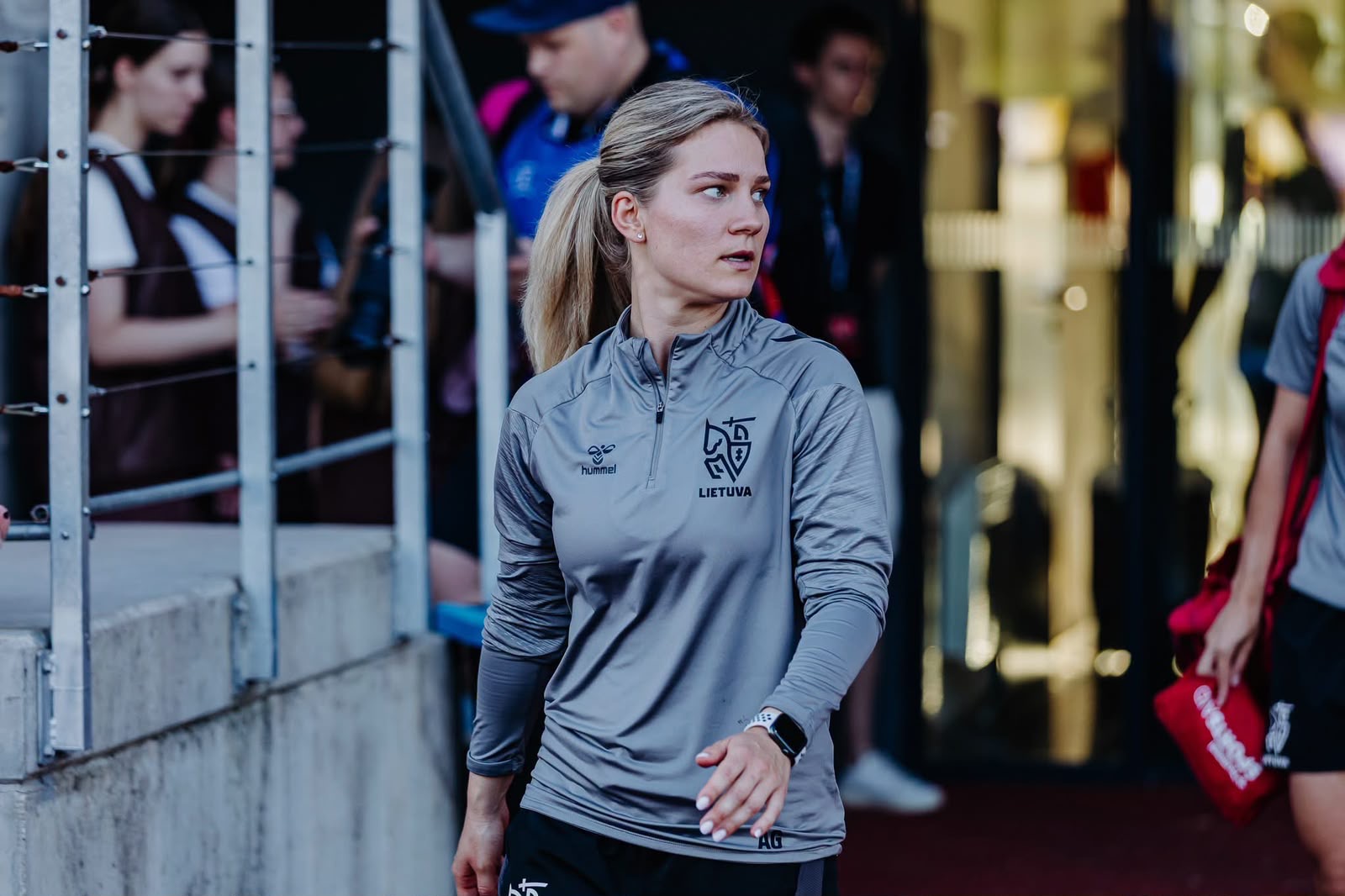
Looking five years ahead, what would meaningful progress for Lithuanian women’s football look like to you, both at national team level and in player development?
I hope more people will come who work for people and find joy in seeing others grow. The results will follow.
People who do not count the hours and are happy to share bring even more people who want to try, from coaches to young players chasing their dreams on the football pitch.
In concrete terms, we need a deeper pool of players, more qualified coaches in more towns and stronger clubs with real pathways to the senior game.
At national team level, we want a team that competes with confidence. But the true measure of progress is simpler: more girls who fall in love with football, and stay.
FAQ
Who is Aistė Griciūtė?
Aistė Griciūtė is a Lithuanian football coach serving as Goalkeeper and Set Piece Coach of Lithuania’s senior women’s national team, Regional Talent Project Coordinator and Head of Women’s Development at MFA Žalgiris.
What does Aistė Griciūtė prioritise in goalkeeper development?
For young goalkeepers, she focuses on technical foundations, decision making and confidence. At senior level, she emphasises reading the game, organising the defence and contributing to build up play.
What does Aistė Griciūtė believe a sustainable player pathway needs?
She highlights clear progression, quality coaching, competitive minutes, support around the player and an environment where players feel safe to express themselves.