
Vision 2050: Building the Future of Turkish Football
Winning the World Cup can be our shared goal. The road to that goal runs through merit, accountability, investment and a football structure that endures even as people change.
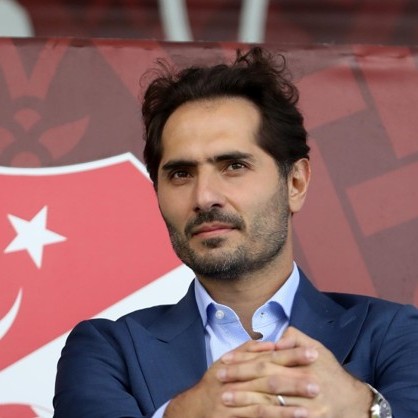
Prepared for review and approval by Hamit Altıntop.
The results of the national team affect all of us. When we win, we celebrate together; when we lose, we share the same disappointment. Player performances, technical choices and match results will of course be assessed. Alongside these debates, however, we also need to talk about how we are preparing the future of Turkish football.
While responding to the needs of today’s team, we have to think about the conditions in which the next generations will grow. How will they be discovered? Which coaches will they work with? What opportunities will they find as they move into professional football?
The purpose of this article is not to target individuals. It is to propose a concrete way of working that makes the lasting success of the Turkish National Team possible.
Lifting the World Cup in 2050 can be the shared vision of Turkish football. Such a goal gains meaning through preparation that begins today. We need a structure that develops talent, appoints the right people and evaluates its results regularly.
People Change, the System Continues
Federation presidents, executives and head coaches may change. Player development programmes, the talent scouting network and institutional knowledge, however, must continue.
Starting over with every change can lead to the loss of experience gained and relationships built over years. Everyone who takes office should inherit the existing body of knowledge, assess its results and develop it further.
Player data, development plans, working methods and decisions taken should be recorded institutionally. A structured handover process should be established. Knowledge and relationships should not leave the institution together with the person who leaves the role.
Player development programmes, the talent scouting network and institutional knowledge, however, must continue.
A lasting system does not mean that methods never change. As football evolves, our way of working must evolve too. Successful practices should be preserved and shortcomings corrected.
What Turkish football needs is a structure that can build on what came before in every era.
Accountability and Merit
These are the national teams. Everyone who takes on a role should be aware of the responsibility they carry and be able to account for their work.
The job description, scope of authority and success criteria of every position should be defined in advance. It should be clear what is expected of an executive, a coach or a scouting officer. Each department should be evaluated against objectives suited to its own task.
A long term plan does not mean accepting failure indefinitely. Anyone who cannot fulfil their duties despite being given the necessary resources and a reasonable amount of time should hand over the role. The successor should carry the existing work forward.
What must be permanent is the system. Continuity in a role depends on performance.
The foundation of this structure must be merit. Cronyism and friendship must cease to be criteria for hiring and appointments. At the TFF, every position should go to the people who can do that job best. Candidates’ experience, expertise and contribution to the role should be decisive.
A Human Capital Database for Turkish Football
To make better use of the knowledge within Turkish football, we also need to know our people who work in football in Türkiye and in countries around the world.
Where are our coaches, scouts and executives working? In which roles are they gaining experience? In which areas are they specialising? We can build an up to date human capital database that tracks this information regularly.
This structure should operate within the same institutional infrastructure as the player tracking system, as a separate pool of expertise. Professional experience, education, licences, language skills and projects carried out should be recorded. The information should be verified and updated with the participation of the individuals themselves.
We should create a concrete process to bring Turkish coaches and scouts into the TFF, especially those who have worked for years at football federations abroad. Once the required roles are defined, suitable candidates can be reached through this pool of expertise and assessed against transparent criteria.
The database should not be a guarantee of appointment. Its purpose should be to reach competent people for the right role and to create a broader candidate pool beyond personal acquaintance.
Education and mentoring pathways should also be opened so that people from within football can develop under the federation’s roof. With experienced experts passing on their knowledge, the development of new coaches and scouts can be supported. In this way, personal experience turns into institutional expertise.
Global Player Tracking and a Shared Data System
Particularly for the youth national teams, we should establish a system that regularly tracks players of Turkish origin growing up in different countries around the world. Young players who have one Turkish parent and who grow up within different cultures should also be considered in this pool. Their eligibility for the national team should be verified separately.
It is not possible to continuously track this broad player pool through the personal efforts of a few scouts and a few national team coaches. We need a global way of working with regional officers, shared evaluation criteria and digital infrastructure.
In the player data system within the TFF, club and match information, playing time, scouting reports, video footage and development assessments should be updated regularly. Authorised technical staff should be able to draw on the same body of knowledge. When the person in charge changes, the tracking process should continue.
Information from agents, families or executives can provide a starting point for monitoring a player. However, a recommendation alone should not be grounds for a national team call up. Every player should be monitored according to shared evaluation principles; selections should be based on sporting observation, development tracking and the needs of the team.
We need a global way of working with regional officers, shared evaluation criteria and digital infrastructure.
The authorised coaches of the respective national team should decide who is or is not called up. Responsibility for that decision should also lie with the technical staff. The data system should support football assessment; personal relationships and external pressure must not become selection criteria.
Such a structure requires budgets for qualified staff, software, travel and continuous training. If we are aiming for a global scouting department, we must also secure its resources over several years.
Early Relationships with Players and Families
In Morocco’s approach, building relationships with families plays an important part alongside discovering players who grow up abroad. The federation’s technical officials meet with families and explain the sporting plan. Young players raised abroad are invited to camps together with players raised in Morocco.
In Türkiye too, we can set up regular introduction and development camps. We can explain the programme to families and bring young players together with their peers raised in Türkiye and with former national team players.
While respecting the player’s choice, we can build their bond with the national team at an early age and on the basis of trust. This relationship should not be limited to a single invitation; it should be maintained throughout the player’s development.
Concrete Examples for Regional Development
Within Türkiye, a child’s chance of being discovered and developed should not depend on the city they live in or their family’s means.
In Germany, the DFB’s network of 339 regional centres supports around 14,000 young players. In addition to their work at their clubs, players take part once a week in training sessions focused on individual development. A bridge is built between local clubs and elite development structures.
In the Netherlands, the KNVB’s “JPN Future” programme focuses on talents who might be overlooked because they develop physically later or fall behind in selections due to the effect of their birth month. Alongside the player’s current physical attributes, their development potential is also assessed.
In Türkiye, by making use of existing facilities, we can create regional development centres that work together with local clubs. With qualified coaches, regular additional sessions and a shared player tracking system, we can offer high quality training to children in different cities.
The aim should be to support the work of the clubs and to prevent promising young players from being eliminated too early.
Opportunity and Guidance for Young Players
Discovering talent is the beginning of the process. We must also plan the transition into professional football.
Young players’ opportunities for regular playing time, the appropriate level of competition and their individual development needs should be assessed together with the clubs. Their physical and mental development, their schooling and their career planning should all be part of this process.
For players who wear the shirt of the youth national teams, we can create a mentoring programme involving former senior national team players. Young players can benefit from the experience of those who played in similar positions and lived the responsibility of the national team.
We must also plan the transition into professional football.
Regular meetings can address coping with pressure, work discipline, periods of injury and career decisions. Mentors should complete the necessary preparatory training and work in coordination with the technical staff. In this way, young players receive continuous support while the culture of the national team is passed on from generation to generation.
We should also discuss the foreign player rule within this development framework: are we giving our young Turkish players enough opportunity to prepare for top level football?
We should look not only at squad numbers but at the minutes young players receive, the level at which they play and the responsibility they take on the pitch. An approach should be developed that safeguards the development of young Turkish footballers alongside the contribution of quality foreign players.
Incentives that support clubs which develop players, and suitable loan models, should be considered. The impact of regulations should be measured regularly.
2032: An Important Milestone
The 2032 European Championship, which Türkiye will host together with Italy, offers a concrete opportunity on this path.
A significant share of the players we want to see on the pitch in 2032 are in their development years today. We can start working now on their training, their playing opportunities and their transition into professional football.
We should turn preparation for the tournament into a shared timetable that accelerates player development, coach education and talent scouting programmes.
The lasting value of 2032 will lie in the people, working methods and development opportunities that continue to serve our football after the tournament has ended.
A Shared Goal, a Workable Programme
This vision should be prepared with the contribution of the federation, the clubs, coaches, former national team players and experts. Different views should come together at the same table; agreement should be reached on the objectives, the core principles and the resources required.
In the first year, the current situation can be mapped out and job descriptions and budgets prepared. The infrastructure for the player and expert databases can be built; development programmes in selected regions and the mentoring scheme in the youth national teams can be launched.
Interim targets should then be set for 2030, 2032 and 2040. Progress should be reported every year; shortcomings should be reviewed together with those responsible and a timetable for correction.
Lifting the World Cup in 2050 can be our shared goal. Getting closer to it depends on the quality and continuity of the work we begin today.
People will change and roles will be handed over. The accumulated knowledge of Turkish football, however, must keep growing in every era. Building the future begins with establishing this way of working today.