
Profile
Role: Head Coach, Al Wasl FC U19
Specialisation: Attacking possession football and player growth
Experience: More than three decades in the game, with playing and coaching experience in Russia, the United States and Jordan, and a coaching role in the United Arab Emirates
Focus Areas: Youth development, national team pathways, individual development and team identity
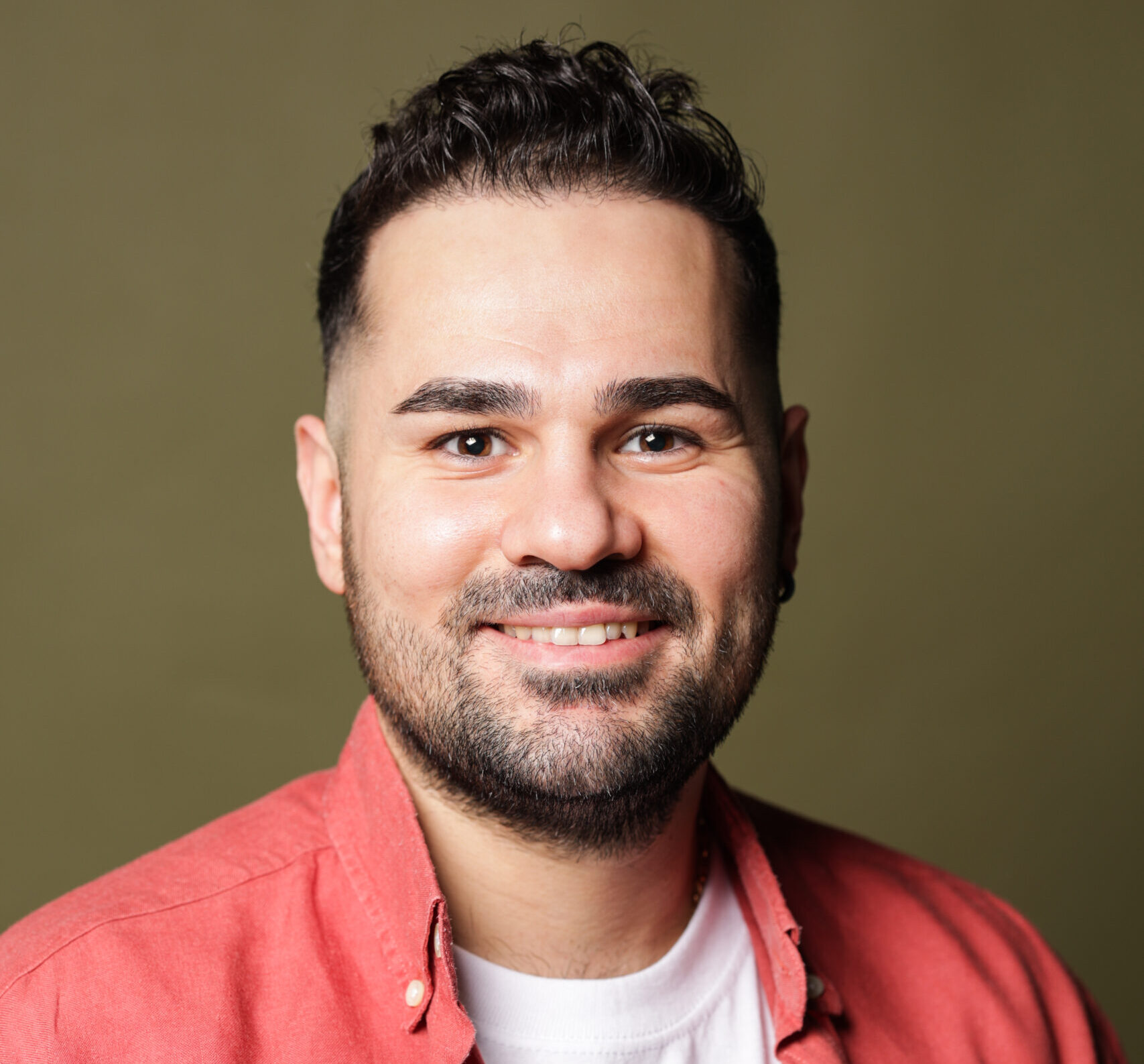
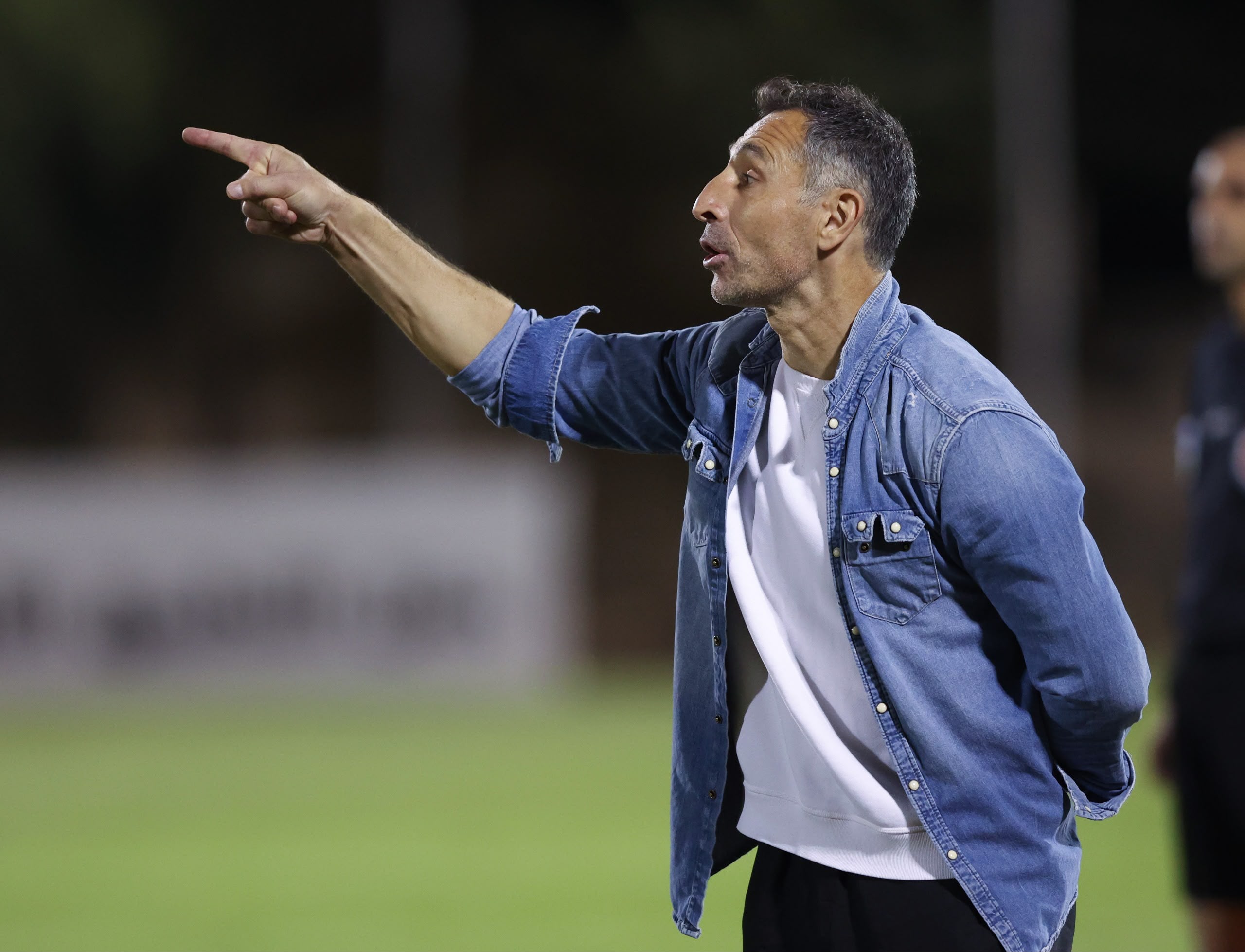
Bibert Kaghado is a US and Jordanian head coach whose career is built on a genuinely rare combination of geography and experience, spanning Russia, the United States and Jordan as both a player and a coach across more than three decades in the game. Born in 1974, he has developed a coaching identity rooted in attacking possession football and player growth, shaped by an unusually international education that has taken him from post Soviet Russian football to American college soccer and on to senior national team management in the Middle East.
His playing career began at Fairleigh Dickinson University in the United States between 1992 and 1995, before he moved into Russian professional football with spells at FC Kolos Krasnodar and Spartak Nalchik, followed by a period with Metrostars Black in the United States. He then transitioned to Jordanian football, playing for Al Ahli FC Jordan and Shabab Al Urdon, and earned caps for the Jordan National Team between 1999 and 2004, the dual footballing identity that has defined the rest of his career.
Kaghado’s coaching path began within the Jordanian federation system, where he spent close to seven years progressively shaping the country’s age group set ups, starting as Assistant Coach of the Futsal national team in 2008, a role in which he helped Jordan win third place at the Arab Cup in Egypt, the first time in the country’s history. He was then paired with English technical director Jonathan Hill, formerly of Manchester United’s academy set up, taking on the U17 side as Assistant Coach from 2009 to 2010, a spell in which Jordan reached the quarter finals of the AFC Asian Cup, before moving into the U20 side from 2010 to 2014. Several players who came through those groups under his guidance have since gone on to represent Jordan’s senior national team, including current captain Ehsan Haddad, Yazan Al Arab, Mahmoud Shawkat, Adham Al-Quraishi, Saleh Rateb and Mustafa Eid.
Born in 1974, he has developed a coaching identity rooted in attacking possession football and player growth, shaped by an unusually international education that has taken him from post Soviet Russian football to American college soccer and on to senior national team management in the Middle East.
From 2015 he moved into club management, taking on two separate spells as Head Coach and Technical Director of FC Druzhba Maykop in Russia, first in 2015 and 2016 and again from 2021 to 2022, on the second occasion guiding the club from a relegation threatened position to a mid table finish. In parallel, he built an extensive youth development track record in the United States, leading the U13 to U15 age groups at World Class FC between 2017 and 2022. That spell included an unbeaten season and a league title with the U17 group, a run that carried the team to the USA national finals and through to the Sweet Eight. He also led the U19 side at Cedar Stars Bergen from 2022 to 2023, work that included supporting Belmar Joseph’s progression into the U-20 Haiti National Team setup.
He then returned to Jordan, serving as Head Coach and Technical Director of Al Ahli FC Jordan between 2024 and 2025, taking over a side that had been fighting relegation the previous season and turning it into a top four team in the first half of the campaign while reaching the semi finals of the Jordan FA Cup. Kaghado is now Head Coach of the Al Wasl FC U19 side in the United Arab Emirates, working within the top tier of the country’s football pyramid. Alongside this playing and coaching path, Kaghado holds a Pro Diploma together with his A and B Licences and a FIFA Advanced Fitness certification, and has studied directly at Liverpool FC, Bayern Munich, Manchester City and Tottenham Hotspur, alongside one on one sessions with figures including Joachim Löw, John Achterberg, Brandon Rogers and Tab Ramos. Fluent in English, Russian and Arabic, Kaghado brings a genuinely three continent coaching background to every group he takes charge of.
Key Insights
- International playing and coaching experiences shaped Kaghado’s approach to player development and attacking football.
- Talent identification, shared training opportunities and individual support underpin his work on national team pathways.
- Homegrown leadership, team belief and connections with supporters are central to his club-building approach.
Our Exclusive Interview with Bibert Kaghado
Very few coaches can say they played college soccer in the United States, turned professional in Russia, and then became a full international for Jordan. How did that early, genuinely three continent journey as a player shape the coach you became?
I was very fortunate to have lived my childhood dream of making football my profession, both as a player and as a coach. All three experiences were very different. I had a great time at a Division One university in the USA, since that was the highest level of football in the country at the time, and all the best players in the country played Division One college soccer. Then, after my sophomore year, I was offered the chance to play in Russia’s First Division, the second highest level in Russia’s professional leagues. It was a great experience, and I learned a lot from the coaches there technically, tactically and physically, since they were ahead in their approach, using a form of tactical periodization that included the kind of fitness work modern coaches use today. I also learned a great deal from my fellow, more experienced players.
Later, being part of the Jordan national team under the well known Head Coach Mehmoud Al Johary from Egypt was a valuable experience for me. He was a great coach in man management, and that is something I have carried with me wherever I coach. He was also an intelligent coach when it came to working with players, giving each one detailed, individual roles that allowed him to bring out the best in every player.
You spent close to seven years inside the Jordanian federation, moving from the futsal national team through the U17 side to the U20 group, with several of those players later reaching the senior national team. What did building that pathway actually require behind the scenes, beyond simply coaching each age group well?
My first coaching job was with the men’s futsal national team. I enjoyed it, as that was my first real test of whether my managing and coaching style would be accepted by professional players from the Jordan Premier League, since all the players were selected from the Pro League. That gave me great confidence in dealing with players afterwards. After winning third place at the Arab Cup for Futsal in Egypt, I was teamed up with English Technical Director Jonathan Hill, who was coaching in the academy system at Manchester United and working closely with Ferguson’s assistant coach René Meulensteen. The Jordan Federation’s Technical Director paired me with Jonathan as Assistant Youth Technical Director and coach of the U17s.
Captain Mehmoud Al Johary had already established talent centers across every region of the kingdom, named the Prince Ali Talent Centers for football. We simply worked those centers, and with the vision of Prince Ali and Mehmoud Al Johary we were able to move things forward, creating quarterly and annual festivals and selecting the most talented players to train and play alongside one another. Ninety percent of national team players over the past fifteen years have come from that generation.
I have three players I personally scouted, selected and coached with the U17 and U20 national teams who represented Jordan at the country’s first ever historic World Cup debut in 2026, including Captain Ehsan Haddad, Yazan Al Arab and Adham Al-Quraishi, alongside others who have always been part of the national team, such as Mahmoud Shawkat, Saleh Rateb and Baha Faisal.
Most importantly, it is about identifying talent and allowing the most talented players to train and play alongside one another, and then giving them the right coaching.
Leading Jordan’s U17 side to the quarter finals of the AFC Asian Cup is a significant tournament run. What did that specific campaign teach you about managing young players under continental pressure that you could not have learned in domestic football?
It was a good journey, as we were just one game away from reaching the World Cup. I stayed very close to the players, holding individual and team meetings with them, going over their specific roles within the team’s tactics. Most importantly, I helped them with the mental side of the game, helping them deal with the stress and pressure they all carried, both as individuals and as a team. They all wanted to succeed and help their families, since this was their way out, so the amount of stress on them was huge. It was important to help them overcome that through meditation sessions, visualization sessions and positive reinforcement self talk, to work through their doubts and build self belief, both individually and as a team. That is something domestic football simply would not have taught me.
You returned to FC Druzhba Maykop for a second spell as Head Coach and Technical Director several years after your first. What made you go back, and what did you do differently the second time that helped pull the club out of a relegation threatened position?
After my first year at Druzhba, the president of the republic was happy with the work we had done, particularly how we mainly used local players and incorporated the youth players into the first team.
So he wanted me to stay, but unfortunately, while I was on a break back home in New Jersey, I ruptured my Achilles and could not return, since I needed surgery and rehab.
So I had unfinished business, and when they reached out to me again I could not refuse the offer. The second time around, the players I had brought up from the reserve and youth teams were now main players, and everyone bought into what we were doing from the very start.
After my first year at Druzhba, the president of the republic was happy with the work we had done, particularly how we mainly used local players and incorporated the youth players into the first team.
So again I focused on local players and linked the youth team to the first team. I also brought back three local stars who had been playing their careers elsewhere in Russia, which boosted the team with a sense of national pride.
I also implemented a high energy, entertaining, attacking style of football, which brought the fans back and reconnected them with the team.
For several years you were working simultaneously in American youth academy football with World Class FC and Cedar Stars Bergen while also carrying senior, results driven experience from Russia and Jordan. How do you switch between a development first mindset with teenagers and a results first mindset with a senior professional squad?
As you mentioned, development is key for youth football, and that should be the main goal. Again, my ability to connect with players on a personal level was key. I worked on individual development within the team framework. Moreover, having played professionally and coached first team football myself, I understood what youth players needed and what they were going through, so I was able to affect them in a positive way. I was also able to instill a competitive edge in them, the drive that allows them to compete later on and become professional players, university players, or succeed in whatever professional field they choose.
At Al Ahli FC Jordan you inherited a team that had been fighting relegation and turned it into a top four side within half a season, while also reaching the Jordan FA Cup semi finals. What specifically changed inside that squad, and how quickly were you able to see it show up in results?
The first thing I did was look at the players I had, give the homegrown players responsibility and a leadership role, and build the team around them. Secondly, I brought in a few experienced players who had been on my U17 and U20 national teams ten years earlier. These players brought experience and a high level of quality that was needed. Finally, the work we did on and off the field, on building the right mentality and the belief that they could contend and compete for the league, was most important. Reconnecting with the fans was also key. And let’s not forget the importance of winning the first couple of games, which really reinforced the belief and confidence within the group.
Your football education includes time at Liverpool, Bayern Munich, Manchester City and Tottenham, as well as one on one work with figures as different as Joachim Löw, John Achterberg, Brandon Rogers and Tab Ramos. What is the common thread that ties everything you took from those experiences into your own attacking, possession based philosophy?
Most importantly, as a coach you have to be true to your own principles, in how you want to play your football on the field and in how you want to create a culture and a philosophy within your team. That means treating players as unique individuals and learning how to deal with everyone individually while still instilling team spirit. As a coach you cannot simply use one method or try to copy other coaches, since every team has a different set of players with different abilities and characteristics. However, it is important to see how other high level coaches coach, and to see how they think, work and deal with players, and to engage in football discussions on the tactical, technical, physical and mental sides of the game. This can only enrich you as a coach.
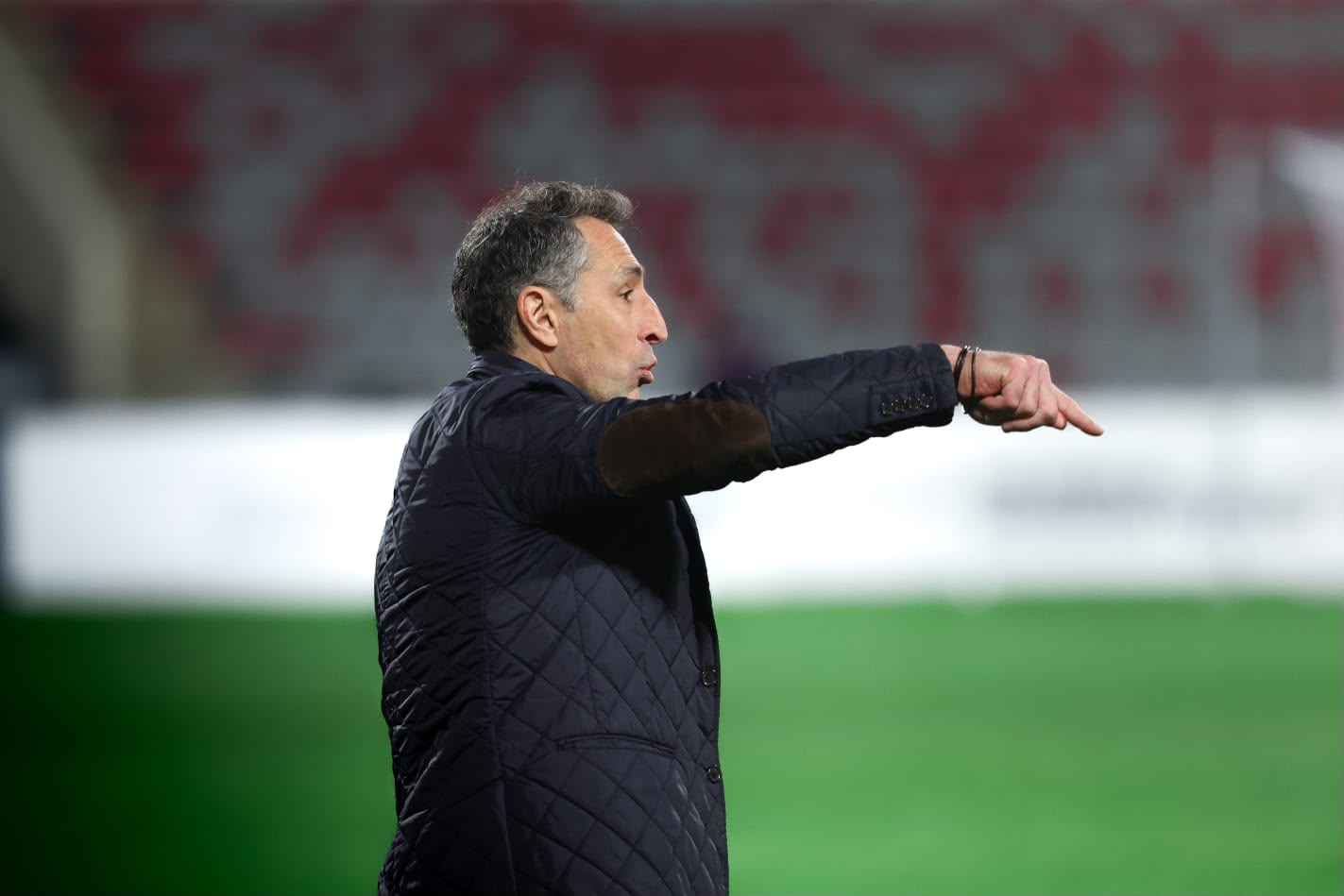
Looking at the next stage of your career, what type of project are you looking for, a national federation role where you can build a pathway as you did in Jordan, or a club environment where you can apply your possession based philosophy on a daily basis?
I am open to both national federations and club football, since what matters most is the project that is presented to me.
I am confident I can build a successful pathway at a federation and help develop first team national players capable of competing at the highest level.
I also believe I can thrive within a club culture, helping to develop strong teams with a strong identity, that play high energy, entertaining, attacking football, with high pressing defense as a way of attacking.
FAQ
Who is Bibert Kaghado?
Bibert Kaghado is a US and Jordanian football coach and former Jordan international. He is Head Coach of the Al Wasl FC U19 side in the United Arab Emirates.
What is Bibert Kaghado’s coaching philosophy?
His approach centres on attacking possession football, individual player development and a strong team identity. He also emphasises personal connections, mental preparation and high pressing defense.
Where has Bibert Kaghado played and coached?
His playing and coaching career spans the United States, Russia and Jordan, with his current coaching role at Al Wasl FC U19 in the United Arab Emirates.