
At a Glance
What: A soccer-inspired fitness and community concept.
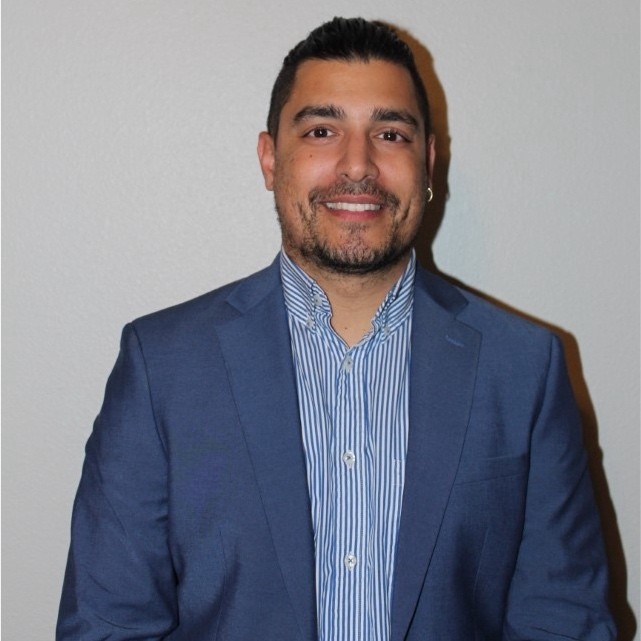
Founder: Michael Chabala, former MLS player and two-time MLS Cup champion.
Who: Adults, coaches, trainers, facilities, businesses, teams and professional soccer clubs.
Offering: Licensable programming, instructor training, playbooks and community-building tools.
Purpose: Connect people through soccer, fitness and shared experiences.
What is sphere?
sphere is a soccer-inspired fitness and community concept built around play, connection and team-based experiences. Founded by former MLS player and two-time MLS Cup champion Michael Chabala, sphere combines soccer, fitness and social interaction to create an environment where people can stay active while building meaningful connections.
sphere describes itself as a “community-as-a-service” platform, providing programming, playbooks and tools that coaches, trainers, facilities, businesses and teams can use to deliver structured soccer and fitness experiences.
What is the purpose or mission of sphere?
At its core, sphere wants to “connect the world one pass at a time.” The goal is to get adults back into the game and connect people through soccer. Its philosophy is built around using soccer and fitness as vehicles for bringing people together at a time when many people feel increasingly disconnected.
The goal goes beyond simply playing soccer. sphere aims to create stronger communities, better training environments and lasting relationships both on and off the field.
Who is sphere for?
sphere is designed for a broad audience rather than only experienced soccer players.
It serves adults looking for a combination of soccer, fitness, fun and community, including people who may be new to soccer or have previously felt disconnected from the game. Its programming can also be used by professional soccer clubs, indoor facilities, coaches, trainers, teams and organizations.
What does sphere offer?
sphere offers a licensable participation platform. These offerings provide clubs, business, facilities and community leaders a standardized group soccer experience. It offers the training, playbooks, programming, brand and community framework to bring those experiences to their own audiences, essentially B2B2C.
sphere’s offering revolves around several areas:
- Team-based soccer and fitness workouts
- Instructor training and certification
- Structured programming and playbooks
- Community-building experiences
- Business and marketing support for instructors and facilities
- Programming for professional soccer clubs and other partners
sphere standardizes and shares group soccer experiences so more people can get on the ball, stay connected to the game and build community around it.
Who is behind sphere?
sphere was founded by Michael Chabala, a former Major League Soccer player who spent nine years playing professionally and won two MLS Cups.
According to sphere, Chabala’s experience transitioning from professional soccer into the corporate world helped inspire the creation of a concept that could recreate the sense of belonging and locker-room culture he experienced as a professional athlete.
What can participants expect?
Participants can expect a structured but social environment built around soccer, fitness and connection.
The idea isn’t simply to show up, play and leave. sphere emphasizes creating an atmosphere where participants meet new teammates, build relationships and become part of a community. Its programming is designed to be accessible across different levels of soccer and fitness experience.
What makes sphere different?
The key distinction is that sphere positions itself as more than a soccer workout or adult soccer practice.
Its model combines the physical aspects of soccer and fitness with the social dynamics of a team and locker room. The company describes this as a team concept, with the experience intentionally designed to build relationships and community rather than simply deliver a workout.
What opportunities does sphere create?
sphere creates opportunities on several levels.
For individuals, becoming a sphere Captain provides a pathway to become certified, lead classes and build a soccer-inspired fitness business. Captains receive training, programming, marketing resources, business support and access to the wider sphere instructor community.
For facilities, sphere can create additional programming and revenue opportunities, including using previously unused hours, attracting new demographics and increasing engagement among existing customers.
For professional soccer clubs, sphere also offers a way to develop adult community programming that can strengthen fan engagement while creating potential opportunities around sponsorships, partnerships, ticket sales and merchandise.
What is the bigger vision for sphere?
The bigger vision is to use soccer as the connector.
sphere wants to build a global community around health, wellness and the game, giving people not only somewhere to play but somewhere to belong. Its model is designed to expand through players, Captains, facilities and professional-club partnerships, ultimately making the game more accessible while creating stronger communities around it.
In one sentence: sphere is essentially trying to turn soccer into a vehicle for fitness, belonging and human connection, not just competition.
Key Takeaways
- sphere combines soccer and fitness with experiences designed to build relationships.
- Its licensable platform gives instructors and partners training, programming and business support.
- Adult participation and club alumni offer opportunities to strengthen connections around professional soccer clubs.
Our Exclusive Interview with Michael Chabala
What do you think soccer has fundamentally gotten wrong about keeping people in the game, and what are you trying to rebuild with sphere that doesn’t currently exist?
Naturally, as we get older as adults, our time and energy are spent on different things than when we were kids. As kids, we play freely and we’re looking to connect. As adults, we have different responsibilities. The problem is that adult leagues, open plays and pickup games are usually built around a younger, competitive demographic, with schedules that aren’t necessarily conducive to someone with two, four or six kids, a job and a significant other.
If you look at the fitness world, you can jump into a class whenever it works for you. You can work with a trainer, join a group class, or find something that fits your schedule. I think soccer has missed the mark there. We’ve essentially ostracized adults from the game because there hasn’t been enough rejuvenated programming. It’s been open play, pickup or league soccer.
When I finished playing, I realized that, for what it was worth, the only real option was to go play late at night or on the weekend. I’d already satisfied my competitive itch after playing professionally for 10 years. I was looking for something different. I wanted friends, connection, a workout and a social experience and it didn’t really exist.
So, we started mixing music, fitness and soccer to create different experiences around the game. There are lots of different people looking for different things from soccer, just like there are different types of sessions in a professional environment, an attacking session, a fitness session, a shape session. We wanted to create different ways for people to enter the game and participate based on where they are in life.
I think we’ve focused too much on competing and not enough on connecting. At this stage of life, we’re looking to connect, help one another, share what we’re doing and meet people.
I think we’ve focused too much on competing and not enough on connecting.
Soccer has traditionally been, “Your team versus my team, and we’re going to compete.” Even at training, you’re on one side and I’m on the other. But if you go to a spin class or yoga class, you’re part of a larger group. You’re sharing an experience.
That’s what I think sphere is trying to create: more connected experiences rather than purely competitive ones. And when you do that, you create more opportunities for everybody to participate.
When you look five or ten years down the road, do you see sphere primarily as a fitness company, a soccer company, a community, or something bigger than those labels?
As we’ve evolved, I started with soccer and fitness. It was originally sphere soccer-inspired fitness, but I dropped that because I realized we’re much more than that. I think we’re even going to branch outside of soccer.
I see the importance of health, wellness, community and connection in our world. I think those things are going to become premium as technology and life continue to accelerate. So, I’d like to say sphere will become community as a service.
The programming is really just the vehicle. Whether it’s yoga, basketball, pickleball or soccer, that’s the conduit that gets people to play. As children, we play naturally. It’s a form of expression and connection, and ultimately, it’s a way to have something in common that brings us into the same space.
That’s where the magic happens.
My experience as a professional soccer player, and winning two championships with the Dynamo isn’t really about bragging about what we accomplished on the field. It’s about what I learned inside the locker room: the dynamics of interacting with people, putting your phone away, looking somebody in the eye, shaking hands and those simple human connections that can get lost.
Those are things I believe are strengths of mine, and they’ve become part of what sphere is.
As you evolve as an entrepreneur, you start asking, “How do I help more people? How do I help more businesses?” That could mean MLS, the NBA, fintech companies or any other organization. What does community actually mean?
You can say, “I go to the Houston Dynamo stadium and I’m surrounded by 15,000 people.” That’s not necessarily a community. Those are fans coming together to support a team. That doesn’t mean they’re actually a connected unit.
Those are two very different things: walking away with friendships and relationships versus simply sharing a moment.
So, in the long run, I absolutely see sphere evolving into community as a service, helping businesses and organizations bring people together and giving them programs that ultimately help their brand or business win.
What parts of that culture are non-negotiable, and what are you willing to let evolve as sphere grows?
That’s a great question because when I first started, I was extremely hands-on. Like every entrepreneur, I was probably like a parent who doesn’t want anybody else touching their baby. You want to hold their hand, feed them and make sure you’re giving them the best possible path forward.
Entrepreneurship was very similar for me. I kicked every ball, I was involved in every pass, and I was at every experience. Eventually, though, as something grows, you simply can’t be there for everything. You have to trust that you’ve created the right framework and instilled the right culture and standards for people to operate within.
I can try to micromanage all day long, but eventually people are going to do their own thing. That’s one of the biggest things I’ve learned over the past 10 years: people are going to have their own interests and their own style. It’s about enabling them to do that rather than trying to control them.
The more we try to control a relationship, or even control the play, the less we actually accomplish.
Originally, sphere was very brand-heavy. I was focused on creating a business model similar to Barry’s Bootcamp or SoulCycle, very defined, very direct, almost a rinse-and-repeat, cookie-cutter model.
I’ve moved more toward a Zumba-style model, where you’re providing coaching and training certification and empowering people to deliver the experience themselves. And now I’m thinking of it even more like an operating system. The color of the iPhone can change, the way it looks can change, but the operating system underneath remains fundamentally the same.
That’s really the philosophy with sphere.
There are certain key elements that matter to me. There’s a locker-room component, creating a family dynamic before you even get on the field. There’s the huddle, where you bring people together. You see professional players do it before a game: everyone puts their arms around each other, and there’s this collective moment.
We have 12 different modalities we’ve created, and everyone is going to do things a little differently. That’s part of what makes soccer beautiful. You have people from all over the world playing the same game in different ways, but ultimately moving toward the same objective.
The framework allows that individuality while still achieving the purpose.
Even something as simple as the team photo matters to me. Look at what people post after a run club or community event. That photo captures a moment in time. It says, “This is who was here. This is who we brought together. This is the moment we shared.”
For a brief moment, we were all on the same team.
At the core of sphere is the framework we’ve created from 10 years of my professional soccer experience, another 10 years in boutique fitness and community building, and the ability to put together a structured program that people can execute on a daily or weekly basis.
Now we’re taking that framework into the B2B world.
There are coaches running group fitness classes and soccer practices every day, in public parks, indoor facilities, YMCAs and everywhere else. We want to give those people a better framework.
But we’re also taking it to professional soccer teams.
I’ve spent years asking questions like, “When do I run these classes? How do I get different people involved? How do I work with adults at different stages of life?” Now I’m turning that knowledge into a community-as-a-service product for professional clubs.
Why shouldn’t Chelsea use its stadium to bring adults together for a soccer fitness workout? Why shouldn’t a club create community experiences around cold plunges, saunas, run clubs or other wellness activities?
Why aren’t big businesses enabling people to wear their brand and go into the community under their umbrella?
That’s really what I’m focused on now: helping teams, businesses and organizations establish a new vertical within their organization that gets adults back into the game.
Organizations do a tremendous amount for kids, but they often don’t do enough for the adults. And simply checking the box and expecting people to spend their hard-earned money to come to the stadium isn’t enough anymore.
I think participating is the new spectating.
I think participating is the new spectating.
There has to be more value for the customer.
Whether it’s a group of singles, a single dad with his kids, or an entire family, creating a meaningful experience around community, connection, health and wellness can be more valuable than simply buying tickets to a game.
The organizations themselves are moving at incredibly high speeds. They don’t have the time to incubate a 10-year product around adult community participation. That’s what I’ve been doing for the past decade.
So now I’m sharing that playbook.
We’re essentially giving organizations the operating system to create stadium workouts, mini-pitches, grassroots programs and other experiences that meet adults where they are in their season of life.
And one of the pieces I’m most excited about is bringing alumni back into the club.
When I finished playing, the Dynamo offered me a job selling tickets for around $17,000. I said no, I wanted to own the team, but I also knew I wanted to come back and contribute.
I was motivated to find a way to support my alumni brothers and sisters, my fraternity, if you will. I wanted to give them a vehicle, a ball, a program or a product that allowed them to stay involved.
I had a difficult transition myself, so I wanted to figure out, “How do I help these people and recreate that locker room so I can team up with them again?”
If you look at what I did as a former Houston Dynamo player, I started running stadium workouts, community activations and mini-pitch experiences. I worked with brands, businesses and teams. I brought kids and parents together, created experiences for singles and started grassroots initiatives as an alumnus of the club.
I’ve essentially taken that role and said, “We’re going to enable your alumni, your market and your team to get back in the game.”
I’ll bring the alumni together and say, “Guys, this Saturday we’re doing this experience. Bring your kids.” Or, “This Wednesday, we’re doing this.”
I think alumni is becoming a major talking point for professional clubs because that number is constantly growing. Whether you were Cristiano Ronaldo or Mike Chabala, you want to keep those people affiliated with the club. They’re walking billboards, marketers and ambassadors for the team, the business and the market.
There’s a huge opportunity to help men and women continue contributing to their clubs after they finish playing, even if it’s in a part-time capacity.
That’s an area that is still underserved.
If sphere succeeds exactly as you envision it, what changes about the way people experience soccer and perhaps the way professional clubs think about their relationship with the adult game?
I would say a more connected city.
I believe the ball can do the work. I believe God and soccer can bring people together, and I think soccer can be a powerful vehicle in every market for helping people connect.
That’s ultimately what I think sphere can create: more human connection and more opportunities for people to come together.
I really think it’s another way of helping the world become a better place by offering a healthy vehicle for connection in different markets.
Ultimately, I think it’s about changing the game and changing the way we play together.
A Final Thought on the Evolution of sphere
The interesting thing about entrepreneurship is that you have to constantly evolve. I’m actually working on that right now making sure our website, our messaging and our technology reflect what the business actually is today.
At one point, sphere was essentially a CrossFit-style studio business. We had people paying us, and we were paying coaches to run experiences. We eventually had around 500 members across the country, working out of YMCAs, public parks and indoor facilities.
Then one of our biggest groups turned against us. They essentially put another name on the business, built their own soccer fields and started doing their own thing.
I found myself traveling around the country to fill in for coaches who couldn’t make it. I literally flew to Indianapolis because one coach couldn’t make it, and I remember thinking, “What am I doing? I’m flying across the country to run an experience for 20 people.”
That forced me to step back and rethink the entire business.
Our revenue went from around $40,000 a month to zero. I basically said, “Okay, we’re going from a service business to a product.”
I had to rebuild everything and figure out how to make this scalable so we could actually share it with the world.
I had to rebuild everything and figure out how to make this scalable so we could actually share it with the world.
That’s the mission.
The passion side is great, but the business side is another thing. Everybody has to pay their bills. You have to understand what you’re doing and how you’re doing it.
And ultimately, you have to let the ball do the work.
As you get older as an entrepreneur or as a player on the field, you realize that time is money. You have to figure out how to make the biggest impact in the shortest amount of time and create the most value.
FAQ
Do you need soccer experience to participate in sphere?
sphere’s programming is designed for different levels of soccer and fitness experience, including adults who are new to the game.
What is a sphere Captain?
A sphere Captain is a certified instructor who leads classes, with access to training, programming, marketing resources, business support and the wider instructor community.
How can professional soccer clubs use sphere?
Clubs can use sphere’s framework to develop adult community experiences, including stadium workouts and grassroots programs, and create opportunities for alumni to remain involved.
Discover sphere
Explore how sphere brings people together through soccer, fitness and community, with programming for adults, instructors, facilities and professional clubs.