
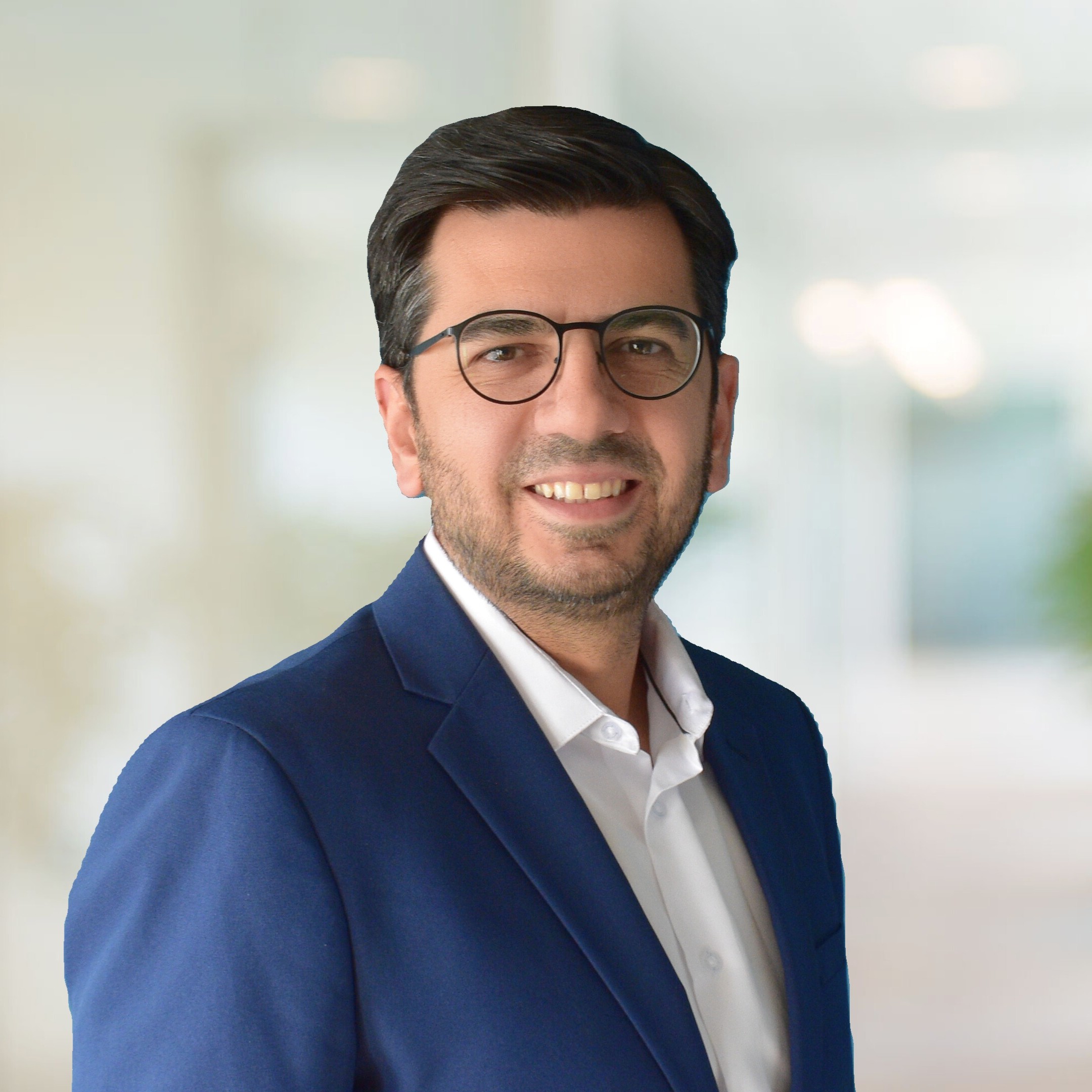
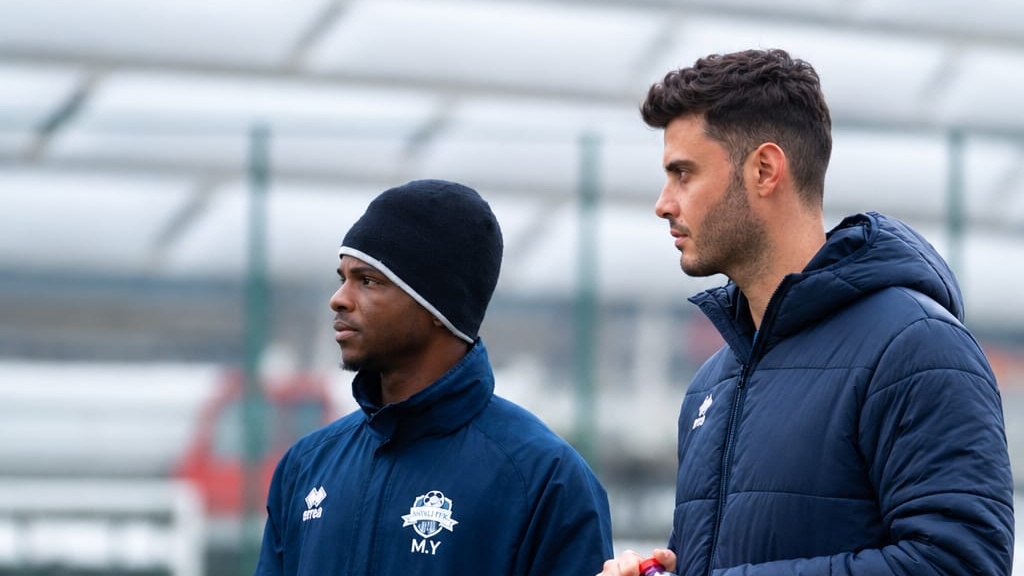
An in-depth interview with Ulian Goga on building performance departments from nothing, leaving a head coach role to start again, and why the best physical decision isn’t always the best football decision.
Profile
Role: Head of Performance, İmişli PFK
Specialisation: Coaching, performance analysis and physical conditioning
Experience: New York, Portugal and Azerbaijan
Focus Areas: Academy methodology, individualized training, return-to-play protocols, data collection and KPI systems
Background and career
Ulian Goga’s route into European football ran in the opposite direction to most. By his mid-twenties he was already a head coach in New York at Downtown United Soccer Club, where he periodized macro, meso and micro cycles across seven age groups from U7 to U21, winning the Elite Development Program (EDP) Premier Championship twice. Alongside it he was First Assistant with the men’s program at John Jay College (CUNY), where the team reached a Conference Final and won a Championship in the best seasons in the program’s history, and where he also served as interim head coach. He coached within New York City FC’s Development Program, worked as First Assistant with the women’s side at The City College of New York, and built an instructional program at Asphalt Green with a retention rate above 70%.
Then he gave it up. In 2019 he moved to Portugal and started again at the bottom. He had a short stint as a Performance Analyst with Estoril Praia’s U23s, producing quantitative analysis and transition heat-maps for the coaching staff. In parallel, he enrolled at the Faculdade de Motricidade Humana for a postgraduate degree in High Performance Football, later completing a Master’s in Football at the University of Lisbon.
The Portuguese years built the profile he carries now. At Academia Futebol Alcoitão he was Head of Performance across U14–U17, constructing a Game Model that ran through every academy team and overseeing the day-to-day running of the coaching program. He returned to Estoril Praia in 2023 as Assistant Coach with the U17s, running physical assessments, individualized training and return-to-play protocols alongside the medical department. A year later he was asked to found the club’s Cabinet for Sport Optimization, a department that did not previously exist, unifying methodology across every academy fitness coach from U14 to U19 and establishing the club’s data collection and KPI systems. Two players from that structure graduated to the First Team and four progressed to the U23s. For much of that same period he was also Head Coach of the U14s, taking the squad into the First National League at U15 with several players earning national team call-ups.
In July 2025 he moved to Azerbaijan, joining İmişli PFK at the moment the club arrived in the Premier League. This was their first season in the top flight in eighteen years, in a league simultaneously expanding from ten clubs to twelve and abolishing its foreign player quota. İmişli finished ninth of twelve with 34 points from 33 matches, thirteen of them draws, clear of the relegation play-off place. He has since been promoted from Conditioning Coach to Head of Performance.
“Sometimes the best physical decision isn’t necessarily the best football decision. The job is to help the coach, not to win an argument about training load.”
Key Insights
- Starting again in Portugal helped Goga deepen his understanding of European academy football.
- Academic study and practical coaching experience complement each other.
- Performance staff should provide information that helps coaches make football decisions.
Our Exclusive Interview with Ulian Goga
Who is Ulian Goga outside of football?
I’m probably what you would call a curious person. I like understanding people, different cultures and why things work the way they do. I enjoy travelling, learning and having good conversations. I think a lot about things, probably more than I should sometimes. And I value relationships a lot. Football is obviously a huge part of my life, but I don’t think it defines everything about me.
You were already a head coach in New York, with championships behind you. You moved to Portugal and effectively restarted as an intern analyst. Why give that up?
Because I hit a plateau. I had already achieved some things in New York, but I knew there were things I didn’t know. I wanted to understand European football from the inside, particularly the academy environment.
So I was willing to start again. Going from being a head coach to being an intern analyst and then an academy assistant wasn’t necessarily easy, but I never saw it as going backwards. I was gaining something I couldn’t have gained by staying comfortable.
It also taught me that your previous experience doesn’t automatically give you credibility in a new environment. Sometimes you have to start again.
You went the academic route in Portugal with a postgraduate degree at Faculdade de Motricidade Humana, then a Master’s at the University of Lisbon. What did those years give you that you couldn’t have picked up on a pitch?
The pitch teaches you what happens. Studying made me question why it happens.
I had already learned a lot through coaching, but academia gave me a framework to understand things more deeply and to question some of the things I thought I already knew. It also helped me see football more as a system, rather than separating physical, technical, tactical and medical work.
I was gaining something I couldn’t have gained by staying comfortable.
I don’t think education replaces experience. I think the two are much better together.
Your license is UEFA C, but you’ve held head coach and head of performance roles at professional clubs. How do you see licensing versus real credibility?
I think licensing is important, but I don’t think a license automatically makes someone good at their job. A license gives you education, structure and a certain standard. But credibility, for me, comes from what you’ve actually done with responsibility.
Can you build something? Can you solve problems? Can you communicate with coaches and players? Can you adapt when something doesn’t work?
I’m still continuing my own licensing pathway, so I don’t see the two as opposites. I just don’t think the license should be the only measure of someone’s ability.
At Alcoitão you built a Game Model across every academy team. At Estoril you founded the Sport Optimization department from nothing. What does day one actually look like?
I started by listening. I want to understand what already existed, who was responsible for what, what the coaches needed, what the players needed and where the actual problems were.
I don’t like arriving somewhere with a solution already decided. You need to understand the problem first.
Then I look at where we are, where we want to be and what is realistically missing between the two. From there, you start building the system.
For a year you ran performance across U14-U19 while simultaneously coaching the U14s as head coach. What did doing both teach you about how fitness staff should talk to coaches?
It taught me that coaches don’t necessarily need more information. They need information that helps them make a decision.
But credibility, for me, comes from what you’ve actually done with responsibility.
When you’re only working in performance, it’s easy to look at the physical side in isolation. When you’re the head coach, you’re thinking about the opponent, the game model, the result, the next match and the players you have available. So performance staff have to understand the football.
Sometimes the best physical decision isn’t necessarily the best football decision. The job is to help the coach, not to win an argument about training load.
FAQ
Who is Ulian Goga?
Ulian Goga is Head of Performance at İmişli PFK, with coaching and performance experience in New York, Portugal and Azerbaijan.
What did Ulian Goga build at Estoril Praia?
He founded the club’s Cabinet for Sport Optimization, unifying academy fitness methodology across U14 to U19 and establishing data collection and KPI systems.
What is Ulian Goga’s approach to performance support?
He believes performance staff should understand the football context and provide information that helps coaches make decisions.