

At a Glance
What: A strategic advisory firm for professional positioning and reputation development
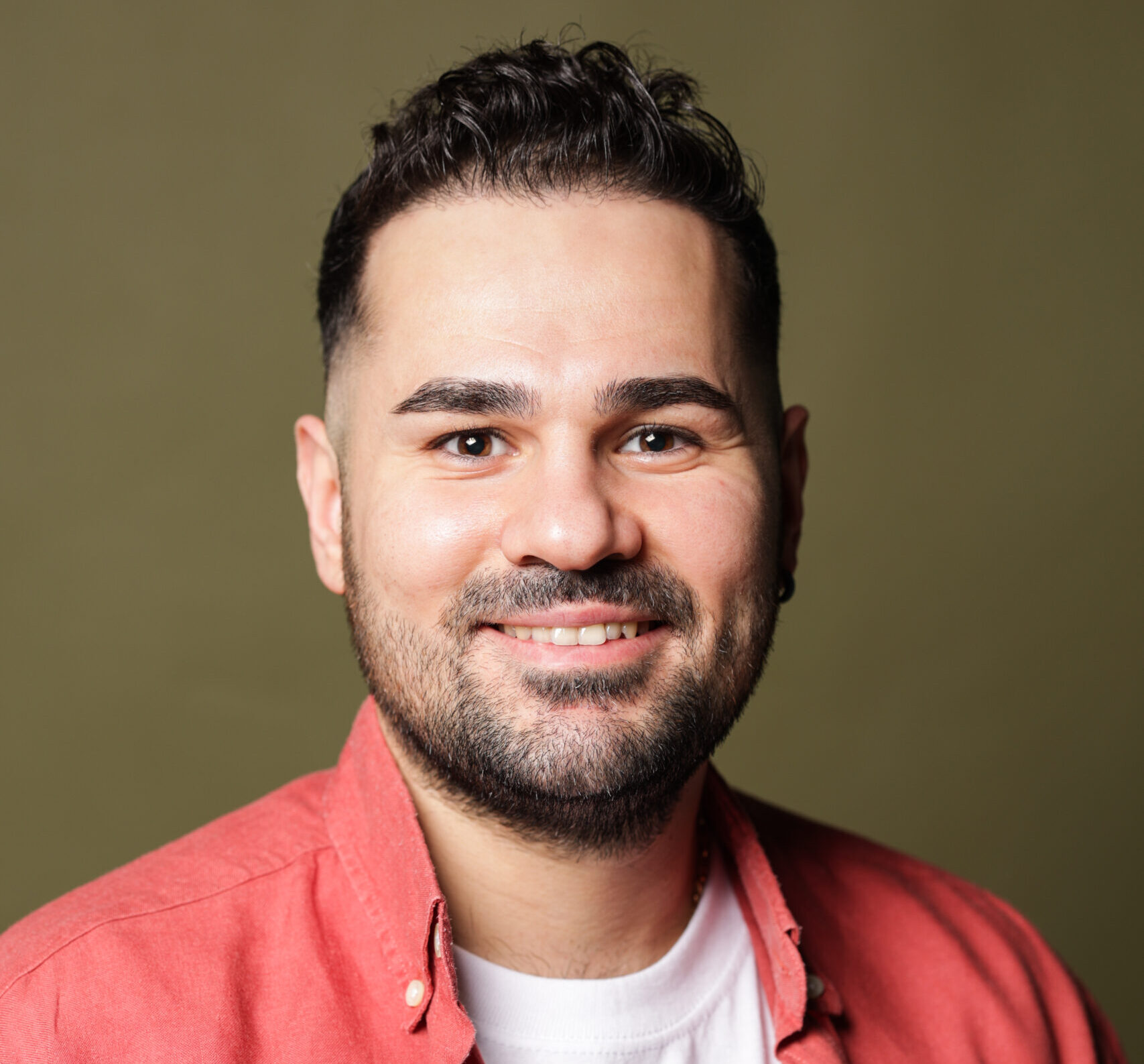
Founder: Jon Lyndon
Who: Current athletes, former athletes and senior executives across sport
Core Focus: Positioning, communication, network development and long-term career strategy
Primary Platform: LinkedIn, alongside broader digital presence and private relationship work
Sports Experience: NFL, NBA, international football, golf, and women’s soccer
Institutional Clients: FIFA, UEFA, NFL Players Association, MLS Players Association, Canadian Olympic Committee
Notable Clients: FIFA World Cup winners, Olympic gold medallists, leading names in women’s soccer
Origins
Jon Lyndon founded The Lyndon Consulting Company after a decade at LinkedIn, where he developed a deep understanding of how professional positioning and relationship-building translate into real-world opportunity. The company operates as a strategic advisory firm at the intersection of professional positioning, communication, network development, and long-term career strategy, working with current athletes, former athletes, and senior executives across the global sporting landscape.
The firm’s founding conviction is straightforward but consequential: athletes and leaders in sport do not lack reputational capital. What they often lack is a structured approach to making that capital visible, relevant, and actionable in the environments that will shape their commercial future. The Lyndon Consulting Company exists to bridge exactly that gap.
What The Lyndon Consulting Company Does
The firm operates across three distinct client groups, each at different stages of their professional journey. For current athletes, the work begins during the playing years rather than at the end of them. Jon helps athletes use their time in competition to establish credibility and build relationships across business, investment, media, philanthropy, and leadership so that when the playing days end, a professional identity is already in place.
For former athletes navigating the transition out of sport, the work centers on making existing reputational capital legible to a wider professional world. For senior executives in sport, the focus is on positioning within an industry undergoing rapid transformation, whether that means board development, commercial visibility, or strategic communication.
Across all three groups, the methodology is structured around what the firm calls the 70/30 model: the most valuable professional work happens away from public content. Building the right relationships, making considered introductions, following up meaningfully, and understanding which conversations are worth investing in all matter more than the visible output that most people associate with LinkedIn activity.
What Makes It Different
Most career development services in sport operate at the point of retirement, stepping in when an athlete is already facing an identity and commercial gap. The Lyndon Consulting Company works across the full arc of a career, treating professional positioning as an ongoing discipline rather than a crisis response.
Jon’s background at LinkedIn shapes the firm’s core philosophy: reputation is not built through volume or frequency of content but through the quality and structure of relationships and the clarity of positioning. The firm deliberately avoids manufacturing polished public personas in favour of helping clients understand and communicate the genuine value of what they have already built through their careers.
The institutional relationships the firm has developed across FIFA, UEFA, the NFL Players Association, the MLS Players Association, and the Canadian Olympic Committee give it a perspective on athlete development that few advisory firms of its size possess.
Key Takeaways
- Professional positioning can begin during an athlete’s playing career.
- The 70/30 model prioritises relationships and network development over public content.
- Sporting experience can provide a foundation for business, investment and leadership opportunities.
Our Exclusive Interview with Jon Lyndon
Jon, you spent a decade at LinkedIn before founding this company. What did that experience teach you about professional positioning that most people in sport still do not understand?
Sport has become incredibly sophisticated around social media, audience growth and personal brand, but professional reputation is something slightly different. You can have millions of followers and still have very little clarity around what you want to be known for outside of what you do on the pitch.
During my ten years at LinkedIn, I saw how opportunities actually move through professional networks. Very often, the person who gets the call is not necessarily the person posting every day. It is the person whose reputation has travelled based on their positioning and network.
When somebody looks at an athlete or executive on LinkedIn, I want them to understand relatively quickly: what does this person care about, what are they building, where are they going, and why might I want to know them?
That does not mean manufacturing some polished or over-curated version of yourself. It means taking everything that is already there through your experience, interests, relationships, ambitions and credibility and giving it enough structure that other people can understand it.
You work with current athletes who are still competing. Why does professional positioning need to start during a career rather than after it ends, and what does an athlete risk by waiting?
An ideal time to build something is when you do not desperately need it.
An ideal time to build something is when you do not desperately need it.
One of the mistakes we make in sport is treating career development as a transition problem. An athlete approaches retirement, everybody suddenly starts asking what they are going to do next, and we expect them to create a professional identity almost overnight, which is incredibly difficult.
While athletes are playing, they have access that they may never have in quite the same way again. They are meeting owners, CEOs, investors, sponsors, entrepreneurs, media executives and other athletes. People want to know them and conversations turn into relationships naturally.
The opportunity is to be intentional with that access without distracting from performance.
The risk of waiting is not simply that you have fewer followers or fewer connections. The bigger risk is that your relevance has been defined entirely by your ability to compete and once that disappears, you are asking the market to rediscover you.
I would much rather spend five years allowing people to gradually understand who an athlete is becoming than spend six months desperately trying to tell everyone who they have become.
Many former athletes struggle to translate what they have done in sport into a language the business world understands. Where does that disconnect come from, and how do you bridge it?
The disconnect often is that the language of sport and the language of business are different.
Equally, I think business sometimes gets this wrong too. We can be guilty of expecting athletes to arrive wearing a suit and suddenly start speaking corporate language to prove they belong. I do not want to teach an athlete to sound like a management consultant. I want to help the business world understand the commercial and leadership relevance of experiences the athlete already possesses.
If somebody was known as an incredible leader inside a dressing room, let us understand what that leadership actually looked like. Were they the loudest person? Probably not. Maybe they built trust individually, maybe they understood different personalities, maybe they could recognise when somebody was struggling and maybe they were exceptional at maintaining standards.
These are real leadership behaviours.
My job is often to help somebody see those things in themselves first and then give them the language and positioning to communicate them externally.
Your 70/30 model suggests that 70 percent of the most valuable work happens away from public content entirely. What does that invisible work actually look like in practice, and why does it matter more than most people realise?
People understandably look at LinkedIn and think the work is the content because that is the part they can see; however, content is really the visible layer sitting on top of everything else. The 70% is much quieter.
It is about understanding who should be in your network and, more importantly, why they should be there; identifying twenty people you genuinely want to know rather than adding two thousand connections with no real purpose, making thoughtful introductions, following up properly after meeting someone at an event, recognising which conversations are actually worth investing in, and finding opportunities to connect people with others who can help them without immediately expecting something in return.
What do we want somebody to understand when they arrive on your profile? What areas are you genuinely interested in? Which industries are becoming relevant? What does the next three or five years potentially look like? Who already exists around you that could become an important relationship?
Some weeks the best outcome of my work with somebody might have absolutely nothing to do with posting. It could be one conversation which might eventually become an investment opportunity, a board position, a commercial partnership or simply a relationship that becomes valuable three years later.
Sport has become very accustomed to measuring visibility because visibility is easy to measure. Followers, engagement, views, reach.
Relationships are harder.
But if I gave an athlete the choice between another 100,000 impressions or ten genuinely strong relationships with people who could influence the next decade of their life, I am choosing the ten relationships every single time and that is the 70%.
But if I gave an athlete the choice between another 100,000 impressions or ten genuinely strong relationships with people who could influence the next decade of their life, I am choosing the ten relationships every single time and that is the 70%.
You describe reputational capital as something athletes already possess but rarely know how to use. Can you give us a concrete example of what that looks like when it is properly structured and positioned?
Take an athlete who has played internationally, competed in major tournaments and spent ten years operating at the highest level, they already have enormous reputational capital.
People know their name and brands have worked with them. Business leaders will take their call, other athletes trust them and they have experiences that relatively few people in the world have had. The problem is that very little of that is usually organised.
Now let us imagine that same athlete becomes interested in investing. The traditional approach might be to wait until retirement and suddenly change their bio to say ‘Investor’. I do not think that is particularly credible because nobody has seen the journey.
Instead, over a number of years, we can begin documenting what they are learning. We can introduce them to founders and investors. They can attend the right conversations. They might make investments, ask better questions, understand what kind of businesses actually interest them and gradually develop their own investment thesis.
Now something interesting happens.
The reputation they earned through sport begins transferring into another environment, but it is not happening artificially, people have watched the evolution.
Eventually, when they launch a fund, join an ownership group or make a meaningful investment, it makes sense. That is reputational capital working properly.
You have not thrown away the sporting identity but you have used the credibility, relationships and experiences that came from it as foundational capital for what comes next.
LinkedIn is the primary platform through which much of this work is activated. What makes it fundamentally different from other social platforms for an athlete or executive building long-term professional credibility?
The simplest way I explain it is that the people you may eventually want to do business with are already there.
Instagram can be enormously valuable for athletes. So can TikTok, YouTube, X and increasingly platforms like Substack. I do not think this needs to become a conversation about one platform replacing another because they perform very different jobs.
What LinkedIn uniquely provides is professional context.
Your LinkedIn network should not simply be everybody you have ever met. Over time, it can become this incredibly valuable ecosystem of people across sport, business, investment, media, technology, philanthropy and whatever areas genuinely matter to you.
The content then becomes the conversation happening inside that network.
You have worked with FIFA World Cup winners and Olympic gold medallists. What surprised you most about the professional challenges that athletes at that level face when it comes to their positioning and commercial future?
Probably how universal the uncertainty is.
We sometimes look at incredibly successful athletes and assume that because they have won everything in their sport, they must have the rest of life figured out as well.
Why would they?
They have spent almost their entire adult lives concentrating on becoming exceptional at one thing. I have worked with people who have achieved things that millions of people dream about achieving, and yet some of the questions they ask me about their future are not that different from the questions anybody else might ask.
The questions that get asked more frequently are things like: What am I actually good at outside of this? Will people take me seriously? What do I want to do? Who should I speak to?
The difference is that elite athletes often have extraordinary access and credibility available to them, but nobody has necessarily helped them understand how to navigate it.
There is also a vulnerability that comes with it which I do not think we talk about enough. If you have spent your life being introduced as ‘World Cup winner’, ‘NFL star’ or ‘Olympic champion’, walking into an environment where you are suddenly the least experienced person in the room can be uncomfortable.
Some of the most impressive athletes I have worked with are incredibly willing to do exactly that. They ask questions. They listen. They admit what they do not know. They become students again.
How do you think the responsibility for athlete career development should be shared between the individual, their club or team, and the governing bodies? And is the sport industry doing enough in this area?
Ultimately, I think the athlete has to own their career but we all need to recognize that ownership and responsibility are two different things.
Clubs, leagues, players’ associations and governing bodies have a responsibility to provide athletes with better education, resources and access throughout their careers, not simply when retirement becomes imminent.
There is some brilliant work happening. I have been fortunate enough to work with organisations including FIFA, UEFA, the NFLPA, the MLSPA and the Canadian Olympic Committee, and there are people inside these organisations who care deeply about preparing athletes for a much longer professional life.
Career development often sits under the heading of ‘transition’, and even that language tells you something. Transition implies one thing has ended or is ending very soon and another now needs to begin.
You can be completely committed to becoming the best athlete while also becoming more aware of who you are, what you are interested in and the relationships you are building around you. Those things do not compete with performance.
The industry also needs to resist the temptation to solve this purely through workshops. You cannot run a two-hour LinkedIn session for an athlete at 31 and expect to undo a decade of not thinking about these things.
The education matters, but so does the environment around the athlete.
Agents should be involved. Clubs should be involved. Players’ associations should be involved. Families and trusted advisors often have an enormous role as well.
The reality is that nobody is going to care about your next 30 years as much as you do.
The reality is that nobody is going to care about your next 30 years as much as you do.
The sporting career gives you a platform, experiences, relationships and credibility that most people will never have access to.
The opportunity is to start building on that foundation while you are still playing, rather than only realising what you had once the game has finished.
FAQ
What is The Lyndon Consulting Company?
It is a strategic advisory firm that helps professional athletes, former athletes, and senior executives across sport build structured professional reputations, develop their networks, and position themselves for long-term opportunities beyond the playing field.
Who is Jon Lyndon?
Jon Lyndon is the founder of The Lyndon Consulting Company. He spent a decade at LinkedIn before founding the firm, developing expertise in professional positioning and how reputation travels through networks. He has since worked with FIFA World Cup winners, Olympic gold medallists, and major institutions including FIFA, UEFA, and the NFL and MLS Players Associations.
Who does the firm work with?
The firm works with three client groups: current professional athletes who want to build a professional identity while still competing, former athletes transitioning into business, investment, media, or leadership roles, and senior executives in sport who need to position themselves within a rapidly changing industry landscape.
What does the 70/30 model mean?
The 70/30 model reflects the firm’s core philosophy that 70 percent of the most valuable professional development work happens away from public content. Relationship building, targeted introductions, strategic conversations, and network cultivation matter far more than the visible output on social platforms. The 30 percent that is public content only works effectively when the underlying network and positioning are already in place.
Learn More About The Lyndon Consulting Company
Explore the firm’s approach to professional positioning, network development and long-term career strategy for athletes and senior executives across sport.