

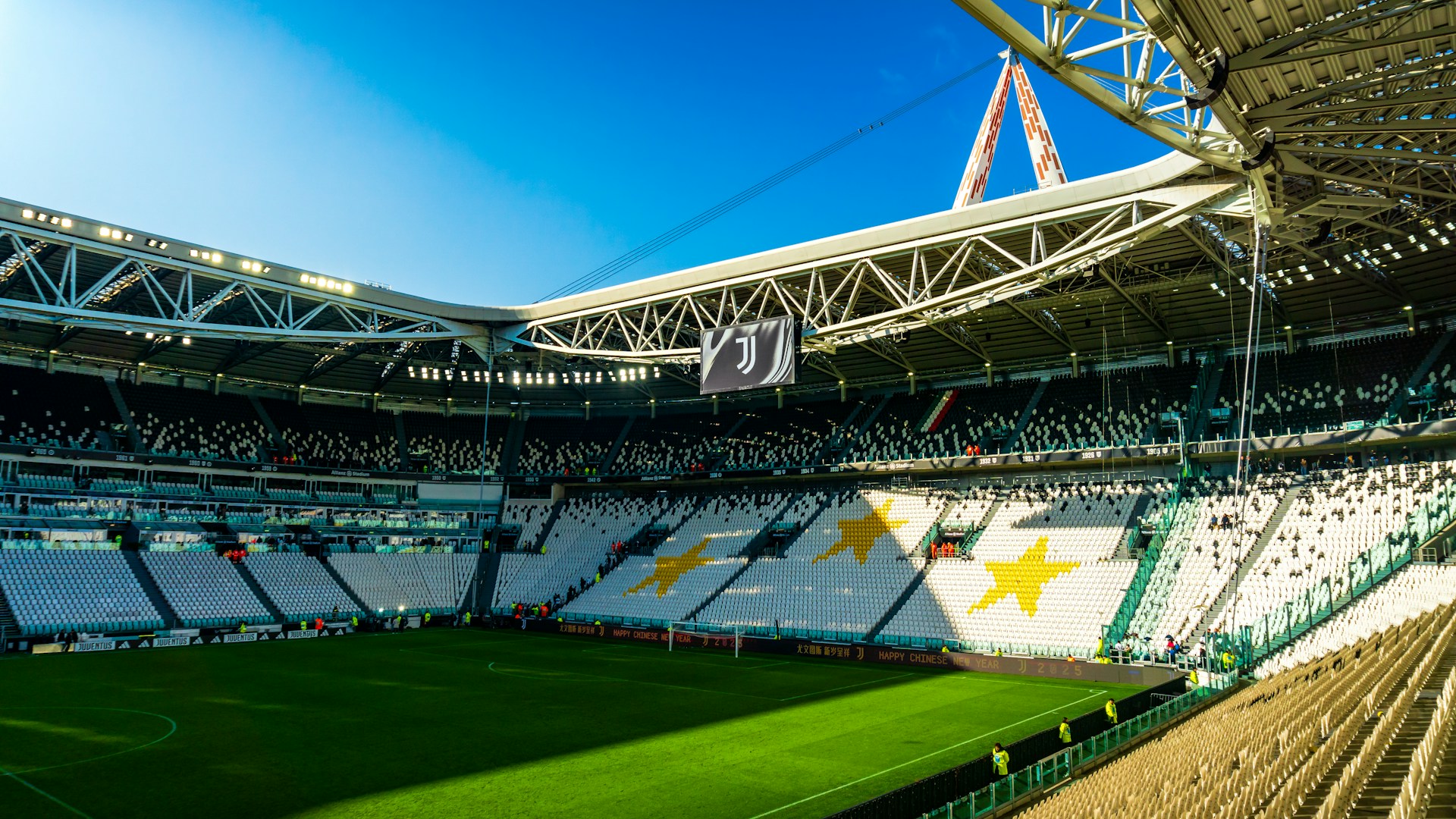
How football clubs raise money from their own shareholders, and what it means for everyone from Exor to the fan with 100 shares
Most fans hear about club finances through transfers: a record fee, a wage bill, a sale to balance the books. But some of the biggest money moves in football never happen in the transfer window. They happen in a shareholders’ meeting.
On 29 September, Juventus said it would ask shareholders to approve a capital increase of up to €250 million, while warning of another loss this financial year. Exor, the Agnelli family’s holding company and the club’s controlling shareholder, has backed the plan and agreed to put €60 million in straight away. Shareholders will vote on 3 November.
This kind of deal is called a rights offering. It is one of the most common ways listed companies raise money, yet very few people outside finance know how it actually works. Juventus gives us a perfect live example, so let’s use it.
Before you read
Facts are correct as of 4 October 2026. The final terms of the Juventus offering, including the share price and the ratio of new shares to old, have not yet been set. Where this article uses numbers to explain how a rights offering works, they are hypothetical and are clearly labelled.
The Deal at a Glance
| Item | Detail |
|---|---|
| Club | Juventus Football Club S.p.A., listed in Milan |
| Size | Up to €250 million, in one or more tranches before the end of 2026 |
| Shareholder vote | 3 November 2026 |
| Controlling shareholder | Exor, with 65.4% of the club |
| Exor’s commitment | Subscribe its full share and cover any shares others don’t take up |
| Paid upfront | €60 million, counted as an advance on Exor’s own share |
| Latest annual loss | About €66 million for the year to 30 June 2026 |
| Previous raise | €97.8 million, completed in November 2025 |
What Is a Rights Offering
When a company needs money, it has three broad choices: earn it, borrow it, or sell new shares. A rights offering is a particular way of selling new shares. Instead of offering them to anyone on the market, the company first offers them to the people who already own it, in proportion to what they already hold.
Imagine a pizza cut into eight slices, shared between you and three friends. Now someone wants to make the pizza bigger by adding four more slices. A rights offering says: before anyone else gets those new slices, each of you has the right to buy your fair share of them, so that you still own the same proportion of the whole pizza.
A rights offering lets existing owners protect their slice before anyone else gets a bite
That “right” is the key idea. Existing shareholders receive rights to buy new shares, usually at a discount to the current market price. They can use those rights, sell them to someone else, or let them lapse. In Italy, as in most of Europe, company law gives existing shareholders this right of first refusal by default, which is one reason rights offerings are so common there.
Why not just borrow
Borrowing has to be paid back with interest, and a club that is already losing money adds pressure every time it takes on more debt. New shares, by contrast, never have to be repaid. The money becomes permanent equity on the balance sheet, which matters for football in a specific way: UEFA and the Italian federation (FIGC) both assess clubs on financial measures, and Juventus has said meeting those parameters is one of the reasons for this raise.
When a company needs money, it has three broad choices: earn it, borrow it, or sell new shares.
The trade-off is ownership. Every new share sold slices the company into more pieces. If you don’t buy your share of the new pieces, you own a smaller percentage than before. This is called dilution, and it sits at the heart of every rights offering.
How It Works, Step by Step
Every rights offering follows roughly the same path. Here is how it looks for Juventus, with the steps that have already happened and the ones still to come:
- Board proposal – the board asks shareholders for authority to raise up to a set amount. Juventus did this on 29 September.
- Shareholder vote – shareholders vote at an extraordinary meeting. For Juventus, this is 3 November.
- Setting the terms – closer to launch, the board fixes the subscription price and the ratio, for example one new share for every four held. These have not been announced yet.
- Rights are issued – every shareholder receives rights in proportion to their holding. In many markets, including Italy, those rights can be traded on the stock exchange for a set period.
- Subscription period – shareholders decide whether to buy the new shares, sell their rights, or do nothing.
- The backstop kicks in – any shares nobody buys are picked up by the underwriter. Here, that role is played by Exor.
- Money arrives – the new shares are issued, and the cash lands in the club’s accounts.
Juventus has said it expects to use the mandate in whole or in part by the end of 2026, if market conditions are favourable. So the €250 million is a ceiling, not a guarantee.
The Maths, Made Simple
This is where rights offerings stop being abstract. Let’s take a hypothetical club, Club Y, and a fan who owns 1,000 of its shares. These numbers are invented to show the mechanics and are not Juventus’s actual terms.
- Share price before the offer: €3.00, so the fan’s shares are worth €3,000
- Terms: one new share for every two held, at €2.00 each
- The fan’s right: to buy 500 new shares for €1,000
What happens to the share price
Because the new shares are sold below the market price, the share price usually falls once the offer goes ahead. Analysts estimate where it will settle using the theoretical ex-rights price, or TERP. The idea is simple: it is the average price of all the shares, old and new.
TERP = (value of old shares + money raised) ÷ total shares
For Club Y, two old shares at €3.00 plus one new share at €2.00 gives €8.00 across three shares. Divide by three and the TERP is about €2.67. That means each right is worth roughly 33 cents, the gap between the old price and the new one.
Your three choices
This is the part most people miss. The fan has three options, and only one of them actually costs money:
Three choices for a shareholder with 1,000 shares (hypothetical)
- Take up the rights – pay €1,000 for 500 new shares. You now own 1,500 shares worth about €4,000. You put in €1,000 and kept your full percentage of the club.
- Sell the rights – sell them to another investor for about €333. Your 1,000 shares are now worth about €2,667, plus the €333 in cash, which still adds up to €3,000. Your wealth is the same, but your percentage of the club falls by a third.
- Do nothing – your shares are worth about €2,667, and you get nothing for your rights. You are €333 worse off without spending a cent.
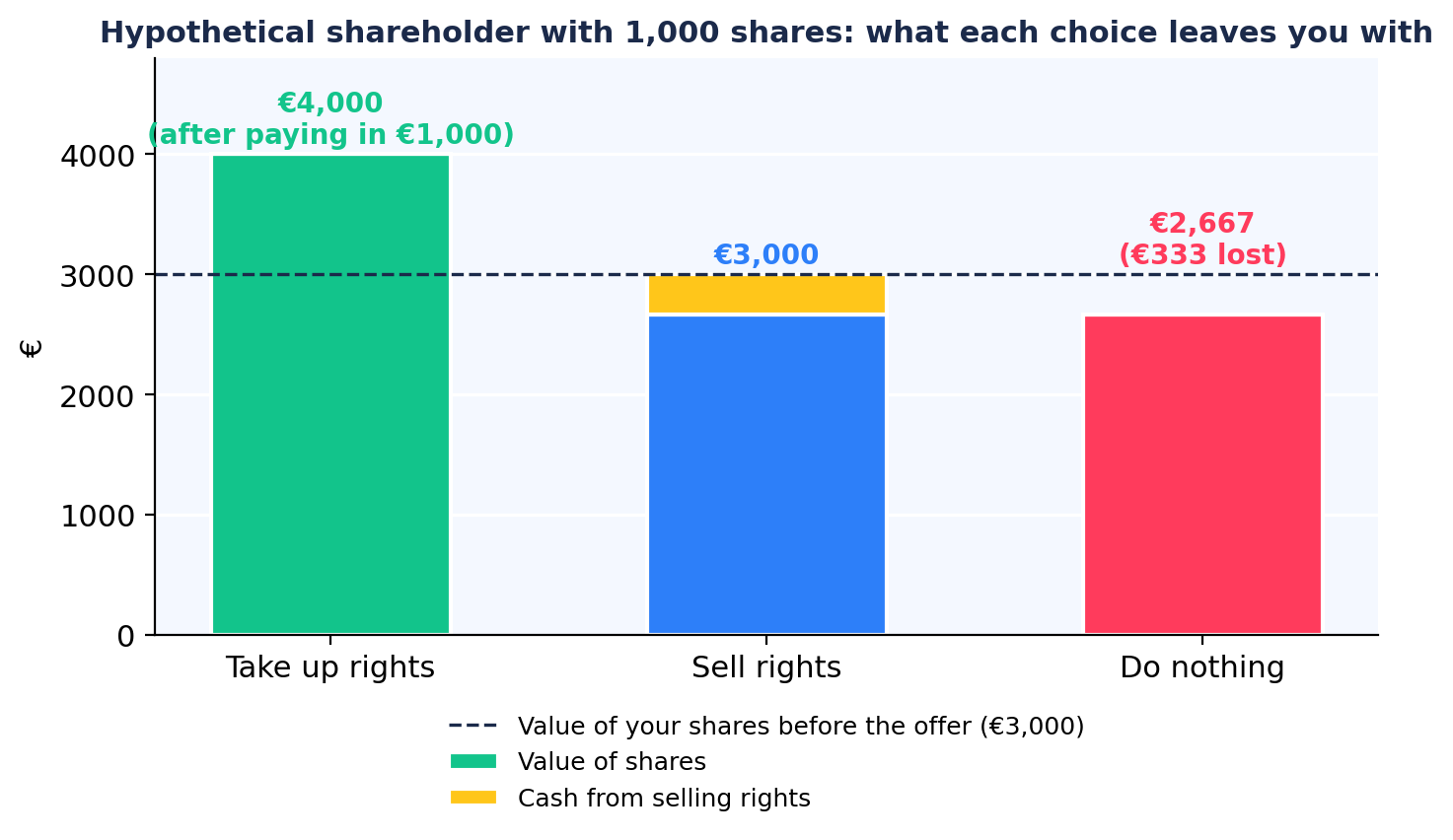
Figure 1. What each choice leaves a hypothetical shareholder with 1,000 shares. Illustrative figures only.
The lesson is that a rights offering is not automatically bad for small shareholders, but ignoring one is. Taking up the rights or selling them both leave your wealth intact. Doing nothing is the only option that loses money.
Exor’s Role, and Why It Matters
Exor’s commitment has three parts, and each one does a different job:
- It will buy its full share – Exor has said it will subscribe pro rata, meaning it will buy 65.4% of the new shares, in line with its current stake. Of a full €250 million raise, that works out at about €163.5 million.
- It has already paid €60 million – this is not extra money on top of the €250 million. It is an advance on Exor’s own share, paid early to strengthen the club’s finances while the process runs.
- It will act as a backstop – Exor has offered to buy any shares that other shareholders or new investors don’t take up. This is what an underwriter normally does, usually a bank charging a fee for the risk.
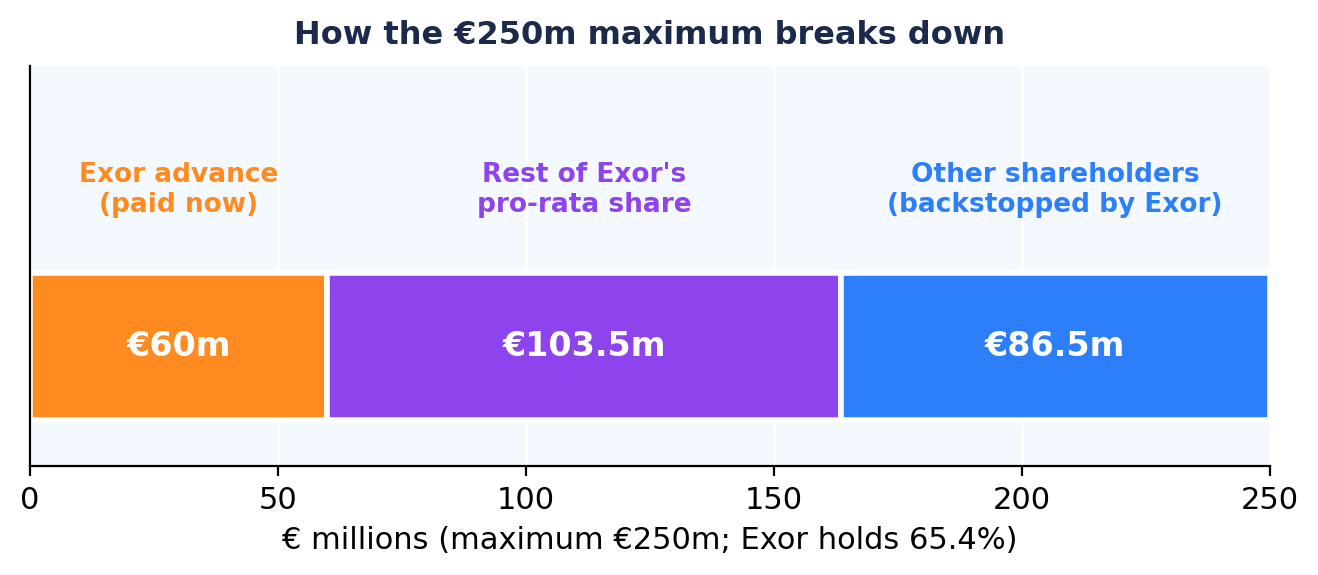
Figure 2. How a full €250m raise would break down. Exor’s pro-rata share is calculated from its 65.4% stake.
What the backstop means for ownership
A backstop gives certainty. The club knows the money will arrive whatever the other shareholders decide. But it also has a side effect: if minority shareholders don’t take up their rights, Exor ends up owning more of the club.
The chart below uses hypothetical one-for-two terms to show how this could play out. If every shareholder takes up their rights, nothing changes. If none of the minority shareholders do, Exor’s stake could rise from 65.4% to almost 77%. The real figures will depend on the final terms and on how many shareholders take part.
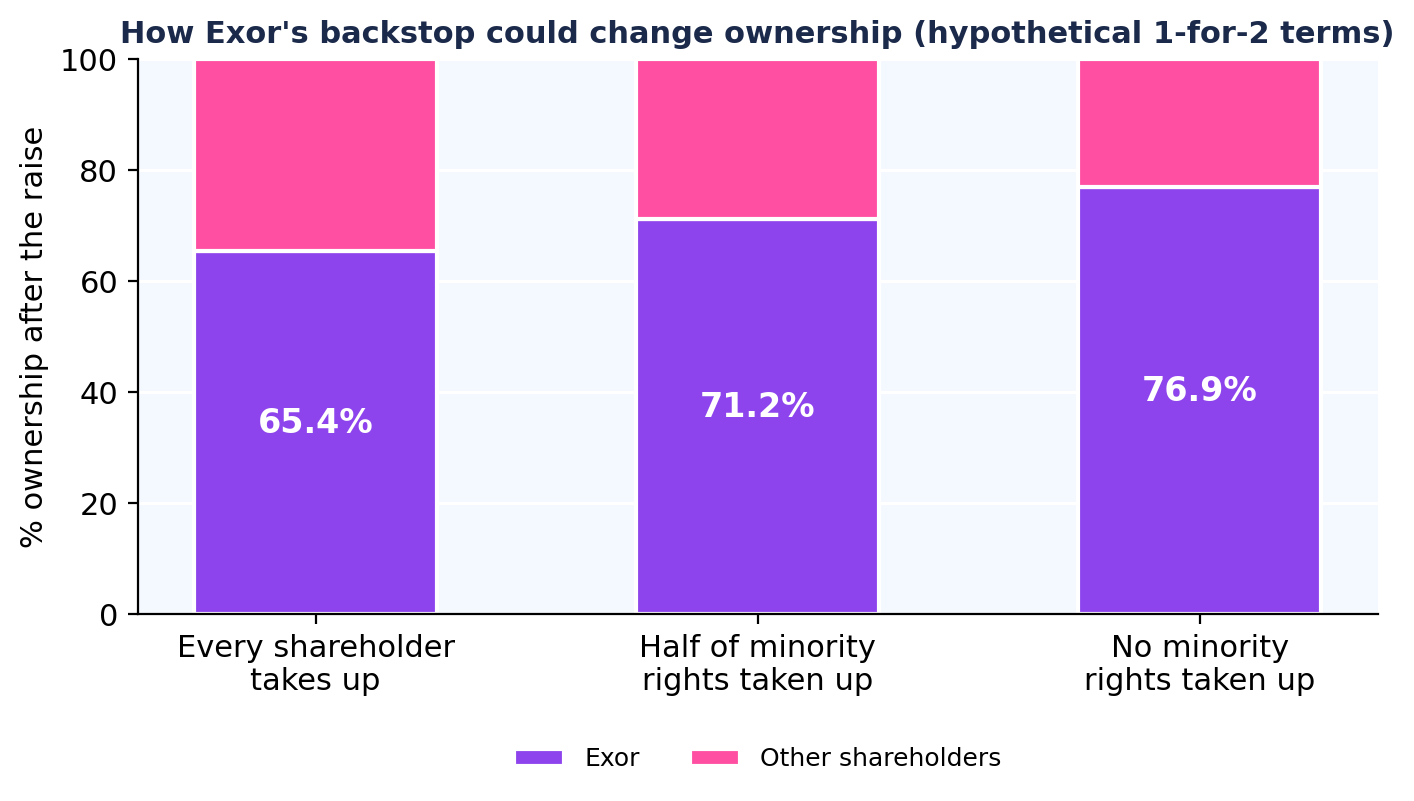
Figure 3. How Exor’s stake could change under hypothetical one-for-two terms. Actual outcomes depend on final terms and take-up.
What the Money Is For
Juventus has listed several uses for the funds:
- Strengthening its equity base and financial sustainability
- Sporting competitiveness
- Possible upgrades to strategic real estate, with the Allianz Stadium at the top of the list
- Brand development
- Meeting UEFA and FIGC financial requirements
The club has estimated that its needs for this financial year and the next come to roughly 45 to 50% of the full €250 million. It has not set out a specific budget for the squad.
Why the Champions League Matters So Much
The context helps explain the size of the raise. Juventus lost about €66 million in the year to June 2026, up from €58.1 million the year before. This raise also comes less than a year after the €97.8 million capital increase completed in November 2025.
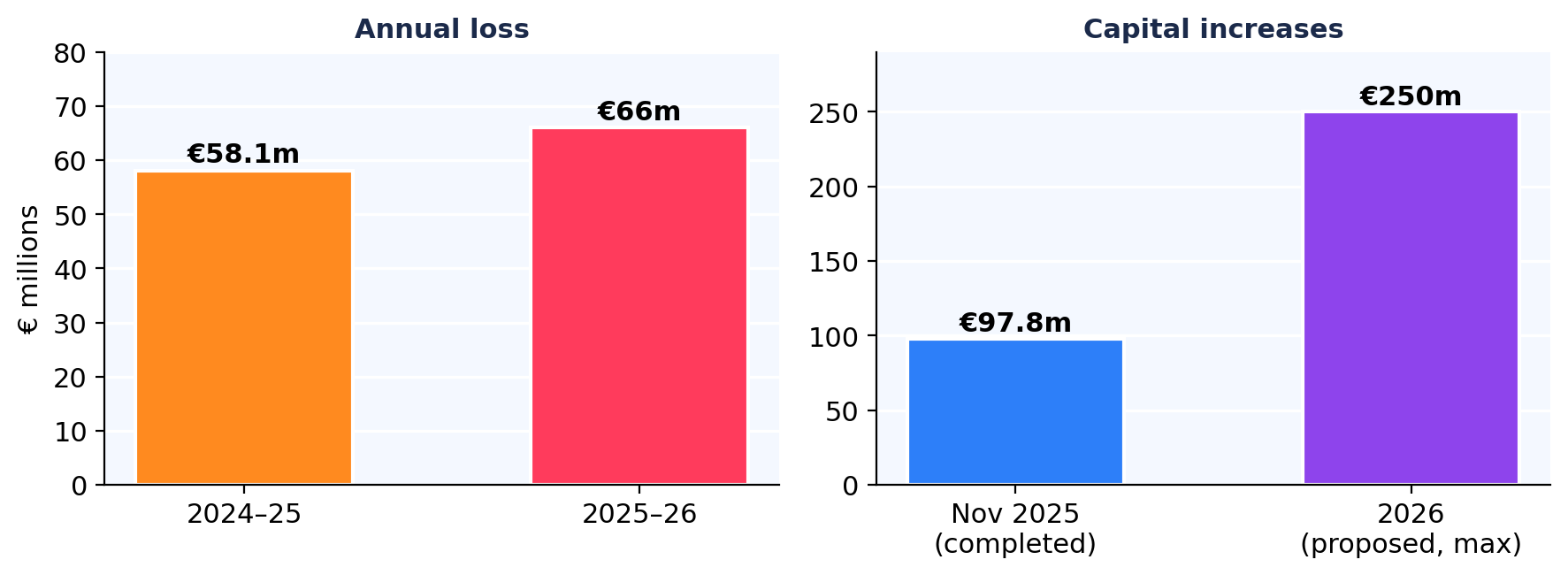
Figure 4. Juventus’s recent losses and capital increases. The 2026 figure is the proposed maximum.
Speaking at the Festival dello Sport in Trento on 1 October, chief executive Giovanni Carnevali was direct about it. He said a top-four finish in Serie A is now a financial necessity as well as a sporting target. Champions League football brings prize money, broadcast income and commercial value that most clubs can’t replace any other way. After five matches of the new season, Juventus sit seventh.
The club knows the money will arrive whatever the other shareholders decide.
This is a useful lesson in itself. A club’s revenue can depend heavily on one competition it doesn’t control, which is exactly why owners and boards look to strengthen the balance sheet ahead of time.
Questions Investors Ask
Is a rights offering a bad sign
Markets often react cautiously, because raising equity can signal that a company needs cash. But it depends on the reason. A raise to cover losses tells a different story from one that funds a stadium or other long-term investment. In Juventus’s case, the club has given both reasons, which is why analysts will be watching how the money is actually used.
How often can a club do this
In theory, as often as shareholders approve it. In practice, repeated raises test the patience of minority investors, who face the same choice each time: put in more money or accept a smaller stake. The more often a club returns to its shareholders, the more the conversation turns to whether the business can eventually fund itself.
What about the fans who own shares
Many supporters own a small number of shares for sentimental reasons. For them, the most important thing is simply to know the offer is happening. As the Club Y example shows, the real cost comes from ignoring it.
Five key takeaways
- A rights offering puts existing owners first – they get the chance to buy new shares before anyone else.
- Equity doesn’t need to be repaid – which is why clubs facing losses often prefer it to borrowing.
- Dilution is the trade-off – if you don’t take part, you own a smaller slice of the club.
- Doing nothing is the only losing move – taking up or selling your rights both protect your wealth.
- A backstop brings certainty and control – the money is guaranteed, but the backer’s stake can grow.
Glossary
- Rights offering (rights issue): a sale of new shares offered first to existing shareholders in proportion to their holdings.
- Pro rata: in proportion to what you already own.
- Dilution: the fall in your percentage ownership when new shares are issued and you don’t buy them.
- Subscription price: the price at which new shares are offered, usually below the market price.
- TERP: the theoretical ex-rights price, an estimate of where the share price settles after the offer.
- Backstop (underwriting): a commitment to buy any new shares that nobody else takes up.
- Capital increase: the general term for raising money by issuing new shares.
Conclusion
Juventus’s €250 million plan is a reminder that some of the most important decisions in football are made in meeting rooms, not on the pitch. A rights offering lets a club strengthen its finances without taking on debt, while giving every existing owner the chance to keep their share. Exor’s backing makes the money all but certain, and the vote on 3 November will set the process in motion. For anyone learning how football is financed, it is about as clear a case study as you will find.
Citations
- Reuters. “Italy’s Juventus to ask investors for up to €250 million.” 29 September 2026. Via Global Banking & Finance Review.
- Football Italia. “Juventus plan €250m capital increase with Exor to inject €60m immediately.” September 2026. Via Yahoo Sports.
- GOAL. “Juventus launch €250m share capital increase as Exor prepares immediate cash injection.” September 2026. goal.com.
- JuveFC. “Juventus Capital Increase: What the €250m Plan Means.” September 2026. juvefc.com.
- Trust Finance. “Juventus to Seek Shareholder Approval for €250 Million Capital Increase.” September 2026.
- Lente Desportiva. “Without the Champions League it is ‘a bloodbath’: Carnevali lays Juventus’s finances bare.” October 2026. lentedesportiva.com.
Disclaimer: This article is for educational purposes only and does not constitute financial or investment advice. It is not a recommendation to buy, sell or hold any security. Final terms of the Juventus offering had not been published at the time of writing. Worked examples use hypothetical figures and do not represent Juventus’s actual terms.