
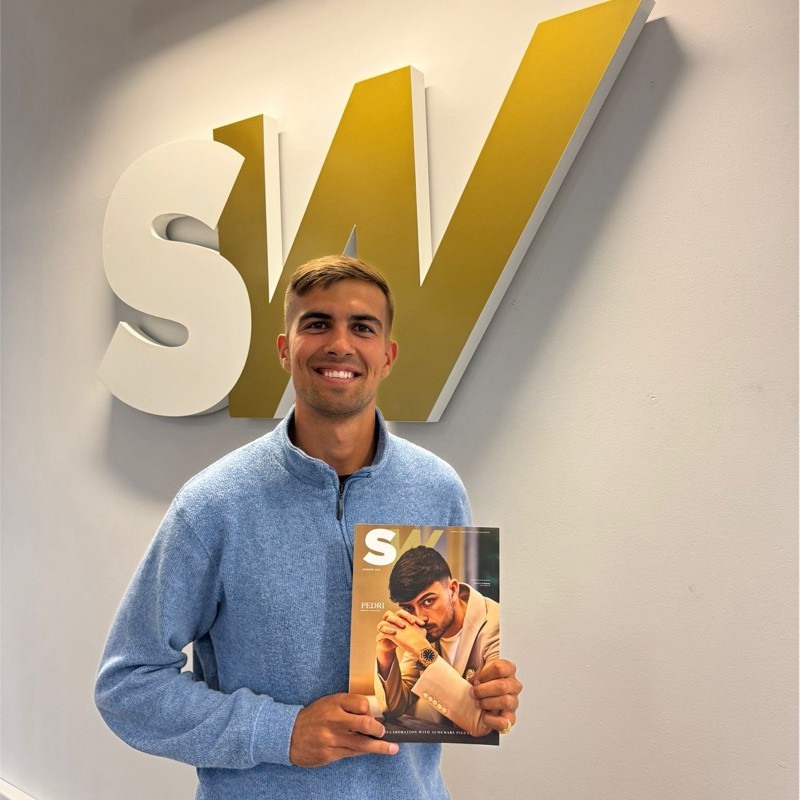
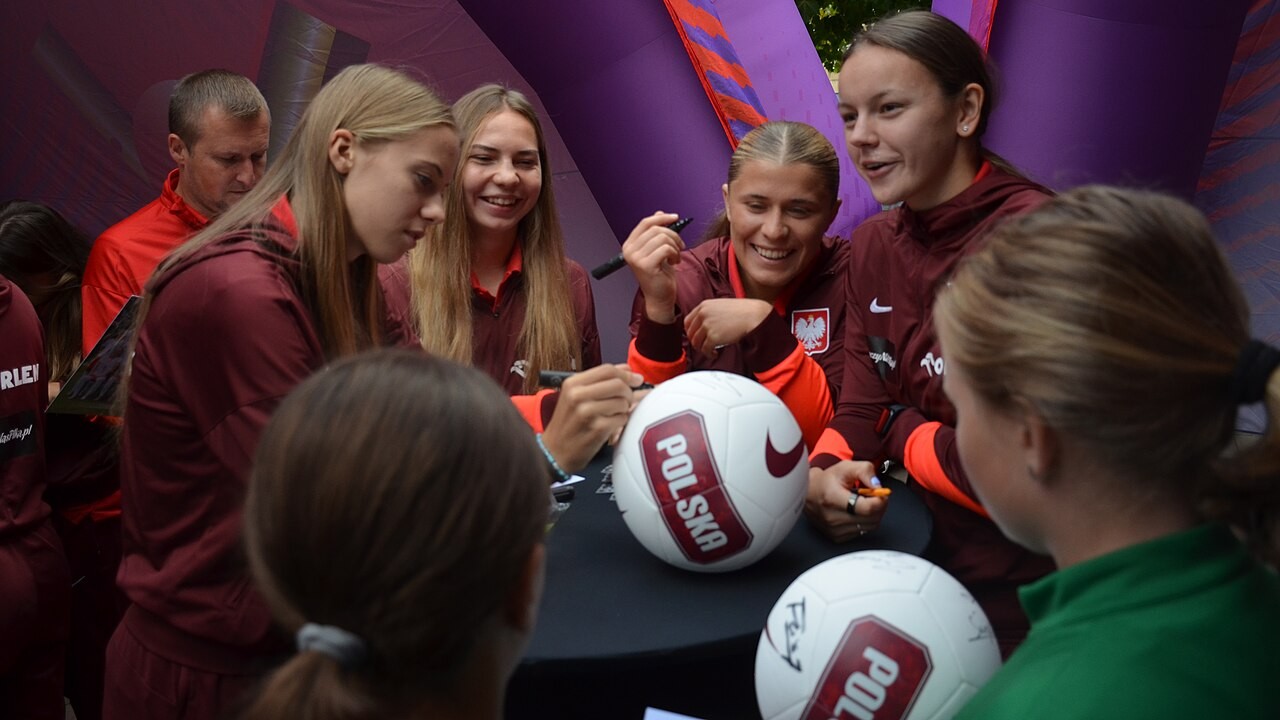

As a player’s profile grows, so does the volume of inbound requests. Not all of them come with a fee attached. In fact, a significant portion fall into a grey area: unpaid appearances, signed merchandise, social media posts, event invitations, or “quick favours” that carry commercial value for someone else.
For agents, managing these requests is a core part of protecting the player’s brand, time, and long-term market value.
Because once you say yes for free, it rarely stops at one.
Why Players Are Constantly Asked to Do Things for Free
The logic from external parties is simple. Footballers have reach, influence, and credibility. A signed shirt can raise thousands at auction. A single Instagram post can drive traffic, sales, or awareness. An appearance at an event can legitimise an entire campaign.
From the outside, it can seem like a small ask. From the player’s perspective, it is part of a much bigger picture.
Requests typically come from three areas. Commercial entities hoping for exposure without paying for it. Charities seeking support and visibility. Personal or indirect connections, such as friends of sponsors, partners, or club affiliates.
Each request may feel reasonable in isolation. The challenge is volume and precedent.
The Precedent Problem
One of the biggest risks in agreeing to unpaid work is setting a precedent.
If a player agrees to provide signed shirts for one organisation, others will follow. If they agree to attend one event for free, similar invitations will appear. If they post once without a fee, brands may assume future access comes at no cost.
Agents need to think beyond the individual request. The real question is not “should we do this one?” but “what does this open the door to?”
One of the biggest risks in agreeing to unpaid work is setting a precedent.
Consistency is critical. Once a player becomes known as someone who regularly agrees to unpaid work, it becomes significantly harder to reintroduce commercial terms later.
The Time and Energy Cost
Even when no money is exchanged, there is always a cost.
Time spent signing merchandise, filming content, attending events, or engaging in promotional activity takes away from recovery, training, and personal life. At the elite level, time is one of the most valuable assets a player has.
There is also an opportunity cost. Every unpaid activation is time that could have been allocated to a paid partnership or a strategically aligned brand opportunity.
Agents must protect that resource carefully.
The Complexity of Signed Merchandise
One of the most common grey areas involves signed items, particularly shirts.
On the surface, signing a shirt for a good cause seems straightforward. In reality, it can become complicated quickly. If a player signs one shirt for a charity auction, they may receive dozens of similar requests. Some may be legitimate. Others may be commercially driven under the guise of charity.
There is also the question of volume. A single signed item is manageable. Ten per week is not.
Agents often need to create clear structures around this. Limiting the number of signed items per month, verifying the legitimacy of requests, and ensuring distribution is controlled. Without that structure, what starts as goodwill can become unsustainable.
When Saying Yes Makes Sense
Not all unpaid opportunities should be rejected. In fact, some of the most valuable long-term brand-building moments come from strategic “yes” decisions.
Charity work is the clearest example. When a player genuinely cares about a cause, their involvement can strengthen their personal brand significantly. Authenticity matters here. The impact is far greater when the connection is real, not transactional.
PR opportunities can also justify unpaid involvement. A well-placed appearance, interview, or campaign can elevate a player’s profile in a new market or audience. For younger players in particular, visibility can be more valuable than short-term income.
There are also relationship-driven decisions. Supporting a key club partner, maintaining goodwill with important stakeholders, or contributing to a broader ecosystem can have indirect commercial benefits.
In fact, some of the most valuable long-term brand-building moments come from strategic “yes” decisions.
The key is intentionality. These decisions should be strategic, not reactive.
The Fine Balance Between Exposure and Exploitation
This is where the role of the agent becomes critical.
Every request sits somewhere on a spectrum between genuine opportunity and potential exploitation. The challenge is identifying where it falls.
If the primary beneficiary is the external party, and the player receives little to no long-term value, it is likely not worth pursuing. If the opportunity aligns with the player’s values, enhances their brand, or strengthens key relationships, it may justify the time investment.
The difficulty is that many requests are positioned in a way that blurs this distinction. Phrases like “great exposure” or “good for your profile” are often used to justify unpaid work, even when the commercial benefit lies elsewhere.
Agents need to cut through that language and assess the real value.
Protecting Long-Term Commercial Value
Ultimately, managing unpaid requests is about protecting the player’s positioning in the market.
A player who is selective, consistent, and strategic in their decisions maintains a premium perception. Brands understand that access comes at a cost, and that cost reflects value.
A player who is overly accessible risks diluting that perception. If their time and platform are freely available, it becomes harder to justify significant endorsement fees.
This does not mean saying no to everything. It means being deliberate about what you say yes to.
Building a Clear Framework
The most effective agents create a framework for handling these situations.
They define categories of requests that are always declined, those that are considered on a case-by-case basis, and those that align with the player’s long-term strategy.
They communicate this clearly to stakeholders, reducing friction and expectation. They track commitments to avoid overload. And they ensure that every decision supports the broader goal of building a strong, credible personal brand.
The Bigger Picture
In modern football, a player’s brand is one of their most valuable assets. Every appearance, post, and interaction contributes to how that brand is perceived.
Free does not mean without consequence. It alters expectations, influences positioning, and impacts future earning potential.
Handled correctly, unpaid opportunities can enhance a player’s profile, strengthen relationships, and build long-term value. Handled poorly, they can lead to overexposure, undervaluation, and missed commercial opportunities.
The difference lies in strategy.
In modern football, a player’s brand is one of their most valuable assets.