

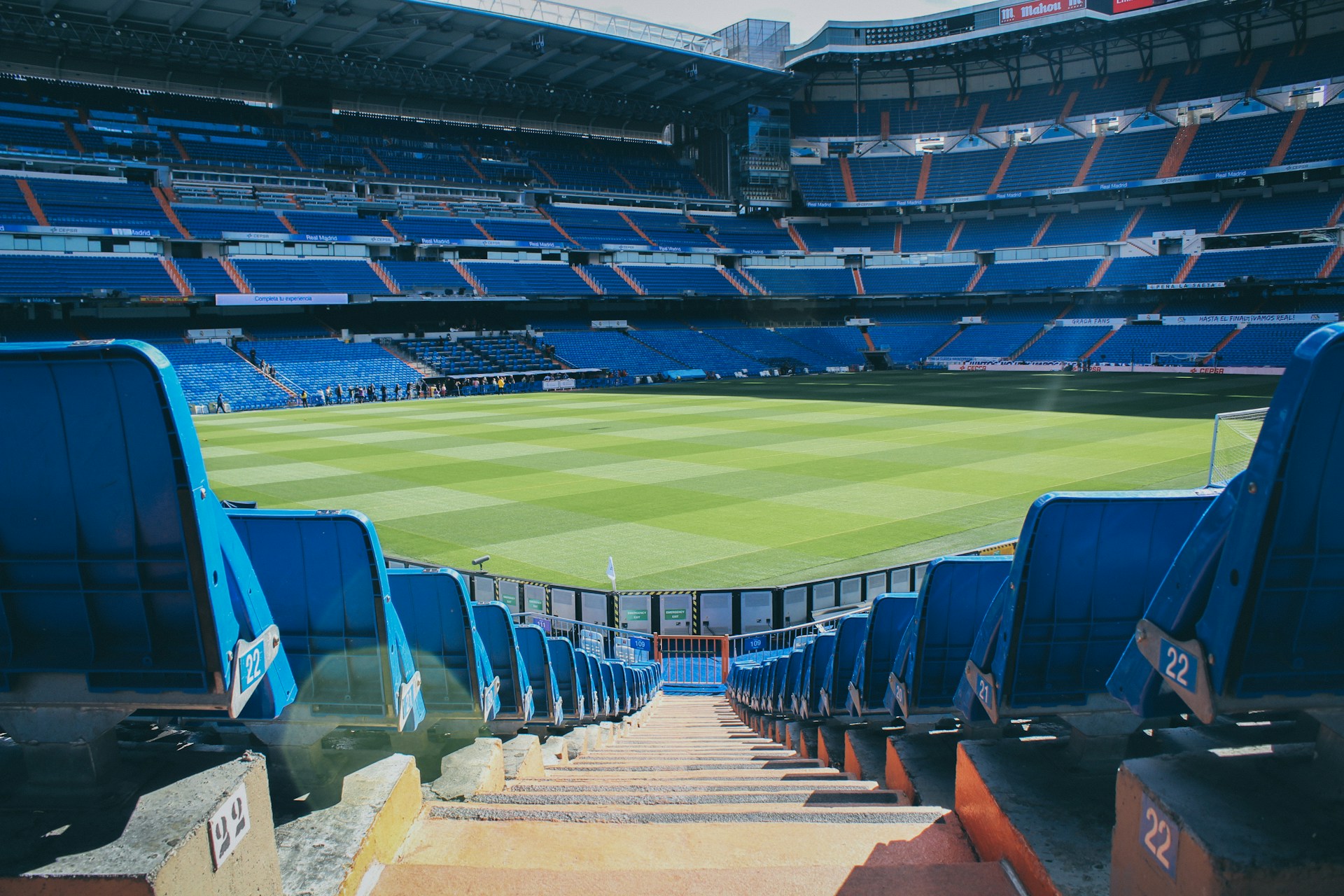
Football exists to bring people together. To enjoy. To feel excitement. To build friendships. Sometimes, simply to leave the burdens of everyday life behind for 90 minutes and celebrate the same goal with thousands of strangers in the stands.
But football history also carries a darker story. A story written not with goals and trophies, but with lives lost in places that were supposed to be filled with joy.
The warning signs appeared more than a century ago.
In 1902, at Ibrox in Glasgow, a stadium stand collapsed, killing 25 people and injuring hundreds. Yet the lessons of that tragedy did not prevent another disaster.
In 1946, at Bolton’s Burnden Park, overcrowding and crushing claimed 33 lives.
Then, in 1964, Lima witnessed one of the deadliest tragedies ever recorded at a football stadium. Panic and crowd disorder turned a match into a catastrophe, leaving hundreds dead.
Only three years later, the tragedy reached Kayseri, Türkiye. During the Kayserispor–Sivasspor match in 1967, violence and panic triggered a devastating crowd crush. 43 people lost their lives and hundreds were injured.
The pattern was becoming painfully clear: when crowd safety, stadium capacity, exits and emergency planning fail, football can turn from celebration into tragedy within minutes.
The pattern was becoming painfully clear: when crowd safety, stadium capacity, exits and emergency planning fail, football can turn from celebration into tragedy within minutes.
Yet history repeated itself.
In 1971, at Ibrox, another crowd disaster claimed 66 lives.
Then came 1985, a year that left two unforgettable scars on European football. At Bradford, a fire swept through a stadium stand, killing 56 people. Only weeks later, at Heysel in Brussels, violence and panic before the European Cup final between Liverpool and Juventus resulted in 39 deaths and more than 450 injuries.
The matches continued. The competitions continued. Football continued.
But those 39 people never returned home.
And four years later, in 1989, Hillsborough in Sheffield became another tragic chapter. 97 people lost their lives in a disaster that once again raised fundamental questions about crowd management, stadium safety and responsibility.
The tragedies continued into the new century.
Accra in 2001. Johannesburg in 2001. Port Said in 2012.
Different countries. Different stadiums. Different circumstances.
But the same devastating consequence:
People went to watch football and did not return home.
This is why these events must not be remembered simply as dates, statistics or historical footnotes.
Behind every number was a human being. A father. A mother. A child. A friend. A brother or sister.
Every number had a name, a family, dreams and a future.
And that is why stadium safety is not merely a technical issue. It is not simply about capacity, turnstiles, emergency exits or security personnel. Above all, it is about human life.
Football has enormous social power. It can bring people together despite their differences, make thousands rise together for the same goal and create a sense of belonging that few other things can.
But that power comes with responsibility.
No trophy, no score and no rivalry can ever be more valuable than a human life.
No trophy, no score and no rivalry can ever be more valuable than a human life.
That is why remembering the past is not enough.
If we understand our history, we can build our future more wisely.
Every tragedy leaves us with the same questions:
Why was the exit insufficient? Why was the capacity exceeded? Why could the crowd not be controlled? Why did the emergency plan fail?
And most importantly:
Why were the necessary measures not taken in time?
Football must continue asking these questions before another stadium becomes another name in this tragic history.
Because the most beautiful score in football is not written on the scoreboard.
It is this:
Everyone goes home safely after the final whistle.
Everyone goes home safely after the final whistle.
Never Again!
Remembering football disasters is not enough. Knowing their names is not enough. Memorising the numbers is not enough. A minute of silence once a year is certainly not enough.
The real question is simple:
Did we truly learn why these people died?
Because some mistakes can be corrected. Some losses cannot.
Football is passion. But passion can never come before reason.
There is competition. But competition can never come before human life.
Before bigger stadiums, we need safer stadiums. Before more expensive transfers, we need stronger safety systems. Before higher revenues, we need greater respect for human life.
Football is about friendship, excitement, competition and a shared passion.
But there is one condition above all others:
Human life comes first.
Let us remember the pain of the past. Let us learn from it. Let us question systems and responsibilities. Let us inspect, prevent and act before tragedy happens.
Because some lessons must be learned only once.
And perhaps the most important lesson football history has left us can be expressed in just two words:
NEVER AGAIN!