

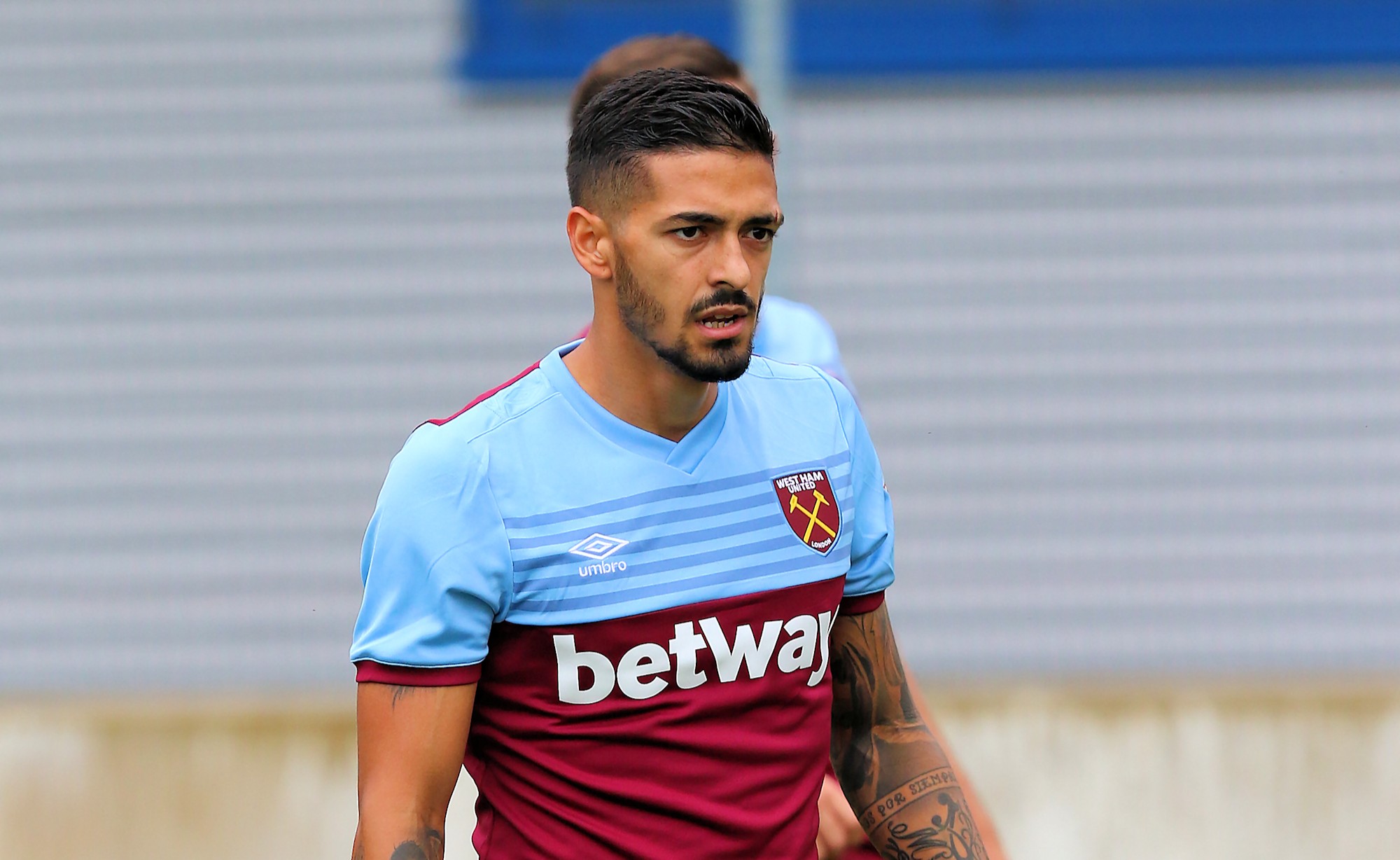

Football’s commercial ecosystem is undergoing one of its most significant shifts in years. From the start of the 2026-27 season, betting companies will be banned from front-of-shirt sponsorship in the English Premier League, following a decision agreed by the league and its 20 member clubs. This voluntary ban, the first of its kind in a major European league, reflects growing scrutiny of gambling’s influence on sport and concerns over responsible advertising.
For betting brands, this decision represents a massive loss of visibility, revenue opportunity and cultural presence. Until now, gambling companies have been some of football’s most prominent sponsors, using shirts, the prime commercial real estate in sport, to build global recognition and connect with millions of fans every week.
Betting Sponsorship: How Big It Has Been
To understand the scale of what is being lost, it helps to understand just how embedded gambling brands have been in football’s commercial landscape.
In the 2025-26 season, the final year before the ban kicks in, 11 Premier League clubs had gambling companies as their primary front-of-shirt sponsors. These brands accounted for a significant portion of the overall shirt sponsorship market. According to industry analysis, the total value of betting brands’ front-of-shirt deals was around £126 million annually, representing almost a third of the total front-of-shirt sponsorship pool across the league.
Sport Business also reported that gambling sponsorship revenue for Premier League clubs stood at around £60 million per season in recent years, with betting logos featuring prominently on match shirts and providing major revenue streams, particularly for mid- and lower-table clubs.
In broader terms, across the 2025-26 season it is estimated that the overall front-of-shirt sponsorship market in the Premier League was worth well over £400 million, with gambling contributing roughly 23–25% of that total, despite representing around 55% of the clubs.
These figures underscore how deeply betting companies have invested in football, and how much exposure they have bought through being on the front of shirts, the most visible position in the sport.
What Betting Brands Stand to Lose Immediately
Prime Advertising Real Estate
Shirt fronts are the most valuable sponsorship asset in football. Clubs’ shirts are broadcast to global audiences every weekend, replayed across millions of social media impressions, highlight reels, video games and merchandise. Being on the front of a shirt delivers exposure that even pitchside advertising or LED boards cannot match, especially for betting brands trying to normalise their presence.
Losing this position means betting brands will no longer be associated so closely with iconic clubs and star players during matches, which significantly reduces their brand visibility and cultural alignment with the sport.
Losing this position means betting brands will no longer be associated so closely with iconic clubs and star players during matches, which significantly reduces their brand visibility and cultural alignment with the sport.
Direct Fan Reach and Brand Association
Front-of-shirt sponsorships do more than generate impressions, they associate brands with identity. Fans wear replica shirts, post pictures, share highlight reels, and see these logos embedded in emotional moments. Betting brands will lose this deep emotional visibility on match days.
For example, clubs like West Ham United reportedly had front-of-shirt deals with betting operators worth about £10m per year, while other deals with operators such as Stake or Fun88 have been lucrative commercial partnerships for clubs that are not among the very top spenders. Where these deals once put betting brands in front of millions of fans every single week, that exposure will vanish once the ban is enforced.
Market Share and Competitive Drawbacks
Football has been one of the richest sources of audience targeting for betting companies. A substantial proportion of those who engage with betting adverts during football broadcasts, on shirts, hoardings, sleeve logos, and digital assets, are general fans who may not otherwise have been exposed to gambling marketing at such scale.
Without front-of-shirt sponsorship, betting companies will need to find alternative ways to maintain the same level of association with football audiences, which may involve increased spending on digital ads, influencer partnerships, broadcast integrations and other, less cost-effective channels.
The Broader Commercial Impact on Football Clubs
The sponsorship ban also impacts clubs financially, which in turn affects betting brands indirectly. Industry sources estimate that some clubs could see up to 60% of their existing shirt sponsorship revenue lost when the ban takes effect.
The effect will be most pronounced for clubs whose highest offers for alternative sponsors were less than half of what betting sponsors had previously paid. Without betting sponsors, these clubs will have to settle for smaller deals, or seek new partners in other sectors like tech, automotive, finance or consumer goods, but at lower valuations.
For mid-tier clubs, this transition could see front-of-shirt revenue drop by 33% to 50% compared with previous seasons. Some clubs hope to recoup parts of that by expanding sleeve sponsorship deals, which are also becoming more valuable as betting logos migrate to these secondary spaces.
Sleeve Sponsorship: The New Battleground?
With front-of-shirt slots off the table, betting brands are expected to pivot to shirt sleeves, back of shirt, and other kit placements. These spaces will suddenly become much more valuable, effectively becoming the next best thing.
With front-of-shirt slots off the table, betting brands are expected to pivot to shirt sleeves, back of shirt, and other kit placements.
Sleeve sponsorships have historically been less prestigious and far less lucrative than front-of-shirt deals. However, with betting companies barred from the front of shirts, brands looking to maintain strong tie-ins with clubs may pay a premium to be featured on sleeves, especially for clubs with global audiences.
Sleeve sponsors benefit from consistent broadcast visibility, every match generates talk, replays and highlight packages, making these placements potentially more expensive than ever. For brands outside of the gambling sector, this shift could increase competition and drive up price, as marketers vie for this newly elevated real estate.
A Shifting Commercial Landscape
The ban is not occurring in isolation. The Premier League’s decision follows wider scrutiny around gambling advertising and its impact on young fans and vulnerable audiences, and comes as part of a broader government review of gambling legislation intended to reduce harm linked to problem gambling.
Even though the ban affects only shirt fronts, betting companies will likely remain visible in football through advertising hoardings, LED screens, pitch graphics, digital content and sleeve deals. However, their core commercial asset, the front of shirt position, will be gone.
This shift also opens opportunities for new categories of sponsors. Technology brands, digital platforms, financial services, travel companies, luxury goods and even health-focused organisations will be competing for a smaller pool of premium sponsorship slots. Football clubs with strong global followings may find this attracts a broader range of partners with deeper marketing alignment beyond transactional gambling associations.
Outcomes for Betting Brands and Clubs Alike
In summary:
- Betting companies lose their most prominent brand placement position in one of the world’s most watched leagues, diminishing weekly broadcast exposure and cultural association.
- Clubs face significant revenue reductions from traditional betting deals, forcing them to seek new partnerships and increase the value of secondary placements.
- Sleeve sponsorships and alternative kit positions are set to rise in value, as betting and non-betting brands compete for visibility previously monopolised by front-of-shirt deals.
- The overall sponsorship ecosystem is likely to diversify, with categories outside gambling becoming more prominent and financially competitive.
This transition marks a watershed moment in how commercial football will operate over the next decade. As betting companies adapt to this changed landscape, clubs and marketers will need to innovate to capture value in new and meaningful ways, balancing commercial imperatives with evolving social and regulatory expectations.
This transition marks a watershed moment in how commercial football will operate over the next decade.