
What if the biggest opportunity in women’s football is not on the pitch, but in the connections that exist beyond it?
Profile
Role: Sports development professional, entrepreneur and founder of AmbassadorX
Specialisation: Women’s and youth development, international projects and social impact
Experience: AmbassadorX, 4-Football and the Afghan Women’s Refugee Team at FIFA
Focus Areas: Women’s football, technology, sustainable development, stakeholder connections and social impact
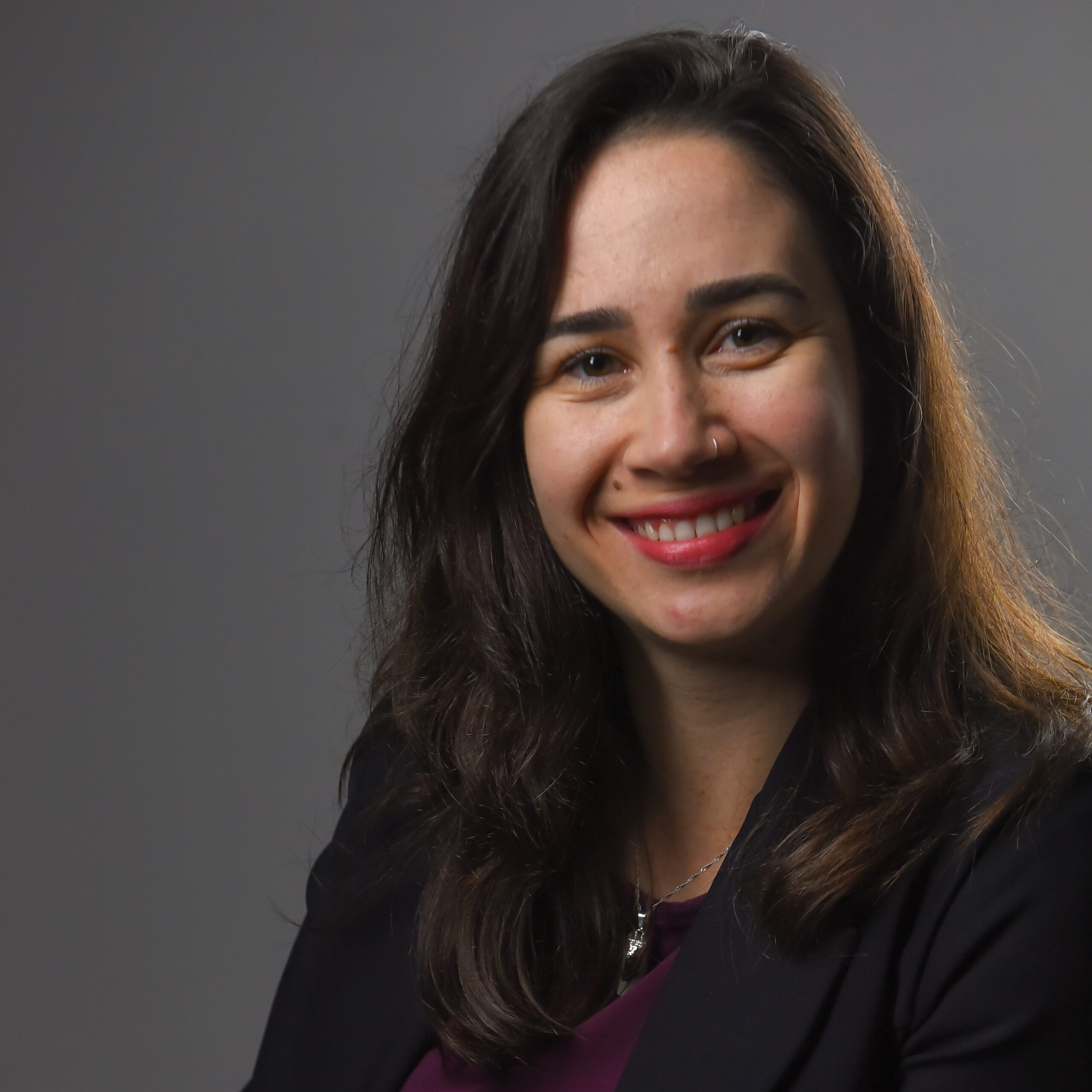
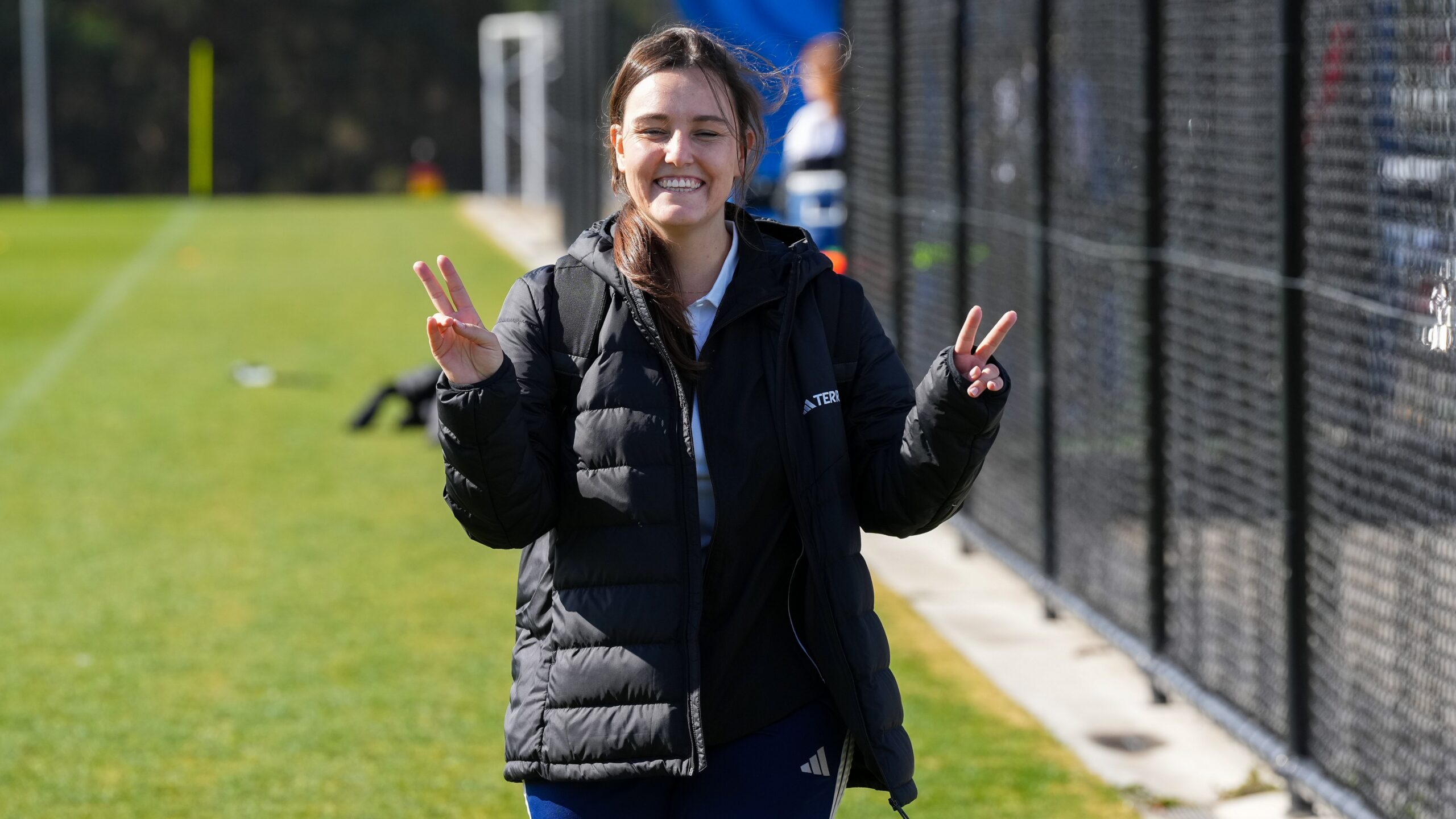
For Isabel Cabrejas Ruiz, the future of women’s football is about more than creating visibility. It is about building the structures, connections and opportunities that allow the people and projects already driving the game forward to grow.
A sports development professional, entrepreneur and founder of AmbassadorX, Isabel has built her career across different markets and areas of football, from women’s and youth development to international projects and social impact. Her experiences have given her a global perspective on an industry that is growing rapidly, but remains highly fragmented.
Through AmbassadorX, she is working to connect athletes, clubs, organizations, brands, investors and other stakeholders, with the belief that many of the opportunities needed to move women’s football forward already exist, they simply need to find each other.
In this edition of *Who Is*, Isabel reflects on her journey, the lessons she has learned across different football ecosystems, her experience working with the Afghan Women’s Refugee Team, and her vision for a more connected, sustainable and inclusive future for the women’s game.
Key Insights
- Development needs to be locally relevant while remaining globally connected.
- Visibility is important, but visibility alone does not create sustainable growth.
- The question is no longer whether women’s football has potential. The question is how we build the infrastructure to unlock that potential.
Our Exclusive Interview with Isabel Cabrejas Ruiz
To start, who is Isabel Cabrejas Ruiz? And what was the moment when you realized you wanted to work not only within football, but also on transforming the wider women’s football ecosystem?
I’m a sports development professional who has built my career around a simple belief: football can be much more than a game. It can create opportunities, strengthen communities and become a powerful tool for social and economic development.
Like many girls in football, my journey started at a very young age. I began playing football with boys when I was six and, as I grew older, faced barriers to continuing to play and develop. I didn’t have the opportunities that young players have today to pursue the game at a higher level or even consider becoming a professional. That experience has stayed with me and is one of the reasons I’m so committed to changing the football ecosystem today.
I studied Sports Management at Universidad Anáhuac in Mexico City and later moved abroad, completing a Master’s in Sports Management at Universitat Autònoma de Barcelona and Johan Cruyff Institute. Throughout my career, I’ve had the opportunity to work across different areas of football, markets and international environments, and each experience has shaped the way I understand the game.
The real turning point came when I started working more closely with women’s football projects. I realized that the biggest challenge wasn’t a lack of talent or passion. There were incredible players, coaches, clubs, organizations and grassroots initiatives everywhere. What was missing was the ecosystem around them.
People were working incredibly hard, but often separately. A great project could exist without visibility. A club could have potential but lack access to the right partners or investment. A brand could want to support women’s football but not know where to find the right projects.
That’s when I realized I didn’t just want to work in football. I wanted to work on the ecosystem around football, on the structures, connections and opportunities that allow people and organizations to grow. That realization eventually became AmbassadorX.
You have worked across different markets and with international stakeholders. What have you learned about the different realities of women’s football ecosystems around the world?
One of the biggest lessons I’ve learned is that there is no single reality of women’s football.
Working internationally, you quickly understand that priorities can be completely different from one country to another. In some markets, the conversation is about professionalization, commercial growth, broadcasting and investment. In others, the priority is creating access for girls, developing coaches, building infrastructure or simply creating safe spaces where women can play.
I’ve also learned that we cannot simply take a model that works in one country and expect it to work somewhere else. Every ecosystem has its own culture, economics, institutions, football structures and social realities. Development needs to be locally relevant while remaining globally connected. But there is one thing I see almost everywhere: enormous potential.
There is talent without investment, investment without enough local knowledge, and incredible grassroots projects that lack the visibility to reach the people who could help them grow. For me, that is one of the most exciting opportunities in women’s football. We don’t need to build everything from scratch. There are already incredible people and projects creating change around the world. We need to connect them, empower them and create the conditions for them to grow and scale.
We need to connect them, empower them and create the conditions for them to grow and scale.
You talk a lot about connecting different stakeholders. Where do you see the biggest disconnects today between athletes, clubs, organizations, brands, investors and other players in the ecosystem?
I think the biggest disconnect is not a lack of willingness to contribute. It is a lack of structures and infrastructure that allow the right people to find each other. Across women’s football, we have athletes looking for opportunities, clubs looking for partners, organizations developing projects, brands seeking meaningful impact, investors searching for opportunities and institutions working to drive development.
Yet, very often, they operate in completely separate networks. A great grassroots project in one country may never reach the brand that could support it. A club with strong potential may not know how to communicate its value to investors. An athlete may have the talent but not the network needed to access the next opportunity. This fragmentation creates friction and, ultimately, slows down the growth of the entire ecosystem.
I believe the next stage of women’s football will depend on our ability to connect these stakeholders more effectively. That is one of the ideas behind AmbassadorX: creating bridges between people, projects, organizations, brands and capital so that opportunities can move more freely through the ecosystem. Because I don’t believe the future of women’s football will be built by one stakeholder doing more alone. It will be built through collaboration, by different stakeholders creating value together.
For someone discovering AmbassadorX for the first time, what problem did you identify within women’s football that led you to create the platform?
AmbassadorX was born from a very simple observation: women’s football has incredible talent, projects and people, but the ecosystem around them is still highly fragmented. I kept seeing organizations doing extraordinary work without the visibility, resources or connections they needed to grow. I saw projects that could have a much greater impact if they found the right partners. I saw clubs with potential but limited access to commercial opportunities. And I saw brands and investors interested in women’s football, but without an efficient way to identify the right opportunities.
So I started asking myself: what if we created a place where all of these stakeholders could actually find each other? That became the foundation of AmbassadorX. I see it as a global digital ecosystem for women’s football, a platform where projects can gain visibility, organizations can connect with partners, brands can discover opportunities, and capital can reach the places where it can create meaningful growth.
Ultimately, I want AmbassadorX to help move the ecosystem from isolated opportunities to connected opportunities. Because sometimes the opportunity already exists. What is missing is the connection.
Because sometimes the opportunity already exists. What is missing is the connection.
You work at the intersection of sport, technology and social impact. How can technology help accelerate the growth of women’s football beyond simply increasing visibility?
I think technology can play a much bigger role than simply giving women’s football more visibility. Visibility is important, but visibility alone does not create sustainable growth. Technology can help us understand the ecosystem, connect stakeholders, identify opportunities, measure impact and move resources more efficiently.
For example, imagine a grassroots organization with an incredible project but limited access to sponsors. Technology can make that project more discoverable, help structure its information and connect it with potential partners. Or imagine a brand that wants to invest in women’s football but doesn’t know which projects align with its objectives. A digital ecosystem can make those opportunities easier to discover, understand and evaluate.
Technology can also help democratize access. It can give smaller organizations, emerging markets and underrepresented communities a digital presence and access to networks that have historically been difficult to reach.
That’s how I see technology: not as the destination, but as infrastructure. The real opportunity is using technology to reduce the distance between talent, ideas, capital and opportunities. If we can make those connections happen faster and more efficiently, technology can become a real accelerator for the development of women’s football.
At 4-Football, you worked on projects focused on the professionalization and growth of women’s and youth football. What do you believe organizations most often get wrong when trying to develop these areas, and what does a truly sustainable growth strategy look like?
One of the biggest mistakes I’ve seen is trying to grow before building the foundations. Organizations sometimes focus immediately on visibility, competitions, social media or attracting sponsors without first asking whether the underlying structure is sustainable.
For me, sustainable growth starts with understanding the ecosystem: Who are we serving? What problem are we solving? What resources do we have? What capabilities are missing? And what does success actually look like in three, five or ten years? Most importantly, development cannot depend on a single source of funding or one person’s effort.
A sustainable football project needs a strong sporting strategy, sound governance, capable people, diversified revenue streams, meaningful partnerships, infrastructure and a clear understanding of its community. I also believe development has to be measured beyond trophies.
If we are developing women’s football, success can mean more girls entering the game, more qualified coaches, more professional opportunities, stronger clubs, better facilities, greater commercial value and more women in leadership positions. Growth is not simply about becoming bigger. It is about becoming stronger, more independent and more capable of creating meaningful impact over time.
You also worked as Team Manager for the Afghan Women’s Refugee Team at FIFA, a role that went far beyond logistics and match operations. What did this experience teach you about leadership, resilience and the power of football?
My experience working with the Afghan Women’s Refugee Team completely changed the way I understand leadership and the power of football. As a Team Manager, my responsibilities included logistics, travel, kits, training and match operations. But very quickly, I understood that the role was about much more than logistics.
I was working with women whose relationship with football was deeply connected to their identity, their dreams and, in many cases, their ability to rebuild their lives.
It showed me that leadership is not always about having the answers. Sometimes, it is about creating an environment where people feel safe, respected and supported enough to give their best. It also gave me a deeper understanding of resilience.
These women had experienced circumstances that most people cannot imagine, yet they continued to train, compete and represent something bigger than themselves.
Being around them reminded me that football can give people a sense of purpose when everything else has changed.
Being around them reminded me that football can give people a sense of purpose when everything else has changed.
It reinforced something I already believed: football is powerful because it creates a shared language. You can come from different backgrounds, speak different languages and have completely different experiences, but once you step onto the pitch, you belong to the same team.
That experience made the social impact of football much more real to me, not as an abstract idea, but as something you can see, feel and experience through the people who play the game.
Working with a refugee team also means understanding the human side of the game. What role do you believe football can play in creating belonging, opportunities and empowerment for women who have experienced displacement?
I believe football can create something incredibly important after displacement: a sense of belonging. When someone is forced to leave their home, they can lose many of the things that give them a sense of identity, their community, routines, social networks and sometimes even their sense of the future. Football can help rebuild some of that. It creates community. It creates routine. It creates friendships. And, perhaps most importantly, it gives people an opportunity to be seen not only through the circumstances they have experienced, but through their talent, ambition and potential.
For women and girls in particular, football can also become a pathway to empowerment. It can provide access to education, leadership, employment, networks and confidence. A football field can become the first step towards opportunities far beyond sport.
But I think we have to be careful not to look at displaced women only as beneficiaries. They are also athletes, leaders, coaches, entrepreneurs and changemakers. The goal should not simply be to give them access to football. It should be to create opportunities for them to shape the future of football themselves.
What is the biggest misconception about women’s football today? And, on the other hand, what is the biggest opportunity that you believe people are still overlooking?
I think one of the biggest misconceptions is that women’s football is still something that needs to be “proved.” We sometimes talk about women’s football as if we are waiting for it to become a “real” industry. But it already is.
There are incredible athletes, professional leagues, clubs, fans, sponsors, investors, entrepreneurs and organizations building a global industry around the women’s game. The question is no longer whether women’s football has potential. The question is how we build the infrastructure to unlock that potential.
And that leads to what I believe is the biggest opportunity: the ecosystem itself. There is still so much room to professionalize clubs, develop grassroots pathways, build stronger commercial models, create new investment opportunities, strengthen leadership, improve infrastructure and connect markets.
We often focus on the most visible part of the game, the players and the major competitions. But underneath that, there is an enormous layer of organizations, communities and projects that could become the foundation of the next generation of women’s football. That is where I see the biggest opportunity. Not just making the top of the pyramid bigger, but strengthening the entire pyramid.
Looking five years ahead, what would you like AmbassadorX to have changed within the women’s football ecosystem?
Five years from now, I would like AmbassadorX to have become much more than a platform. I would like it to be part of the infrastructure of the global women’s football ecosystem. I want a project in Mexico, Ghana, Spain, Colombia or anywhere else in the world to be able to join the ecosystem and immediately gain access to knowledge, visibility, partnerships and opportunities that may have previously felt out of reach.
I want brands to see women’s football not simply as a sponsorship opportunity, but as a space where they can create long-term social and economic impact.
I want investors to understand the enormous potential across the women’s football value chain. I want clubs and organizations to become more professional and sustainable. And I want more women to be not only players, but owners, executives, coaches, entrepreneurs, investors and decision-makers.
Ultimately, I would like to look back and know that AmbassadorX helped change the way the ecosystem connects. Because my biggest ambition is not for AmbassadorX to be the biggest platform. It is for the women’s football ecosystem to be stronger because AmbassadorX exists.
If we can help turn thousands of isolated ideas, people and projects into a connected global movement, then I believe we will have created something that lasts far beyond the platform itself.
FAQ
Who is Isabel Cabrejas Ruiz?
I’m a sports development professional who has built my career around a simple belief: football can be much more than a game.
What is AmbassadorX?
I see it as a global digital ecosystem for women’s football, a platform where projects can gain visibility, organizations can connect with partners, brands can discover opportunities, and capital can reach the places where it can create meaningful growth.
What is the biggest opportunity in women’s football?
And that leads to what I believe is the biggest opportunity: the ecosystem itself.