


Footballers have always been cultural icons, but in the 21st century, and especially the last decade, their influence has exploded beyond sport. Today’s elite players impact fashion, language, lifestyle habits, digital culture and even consumer behaviour on a global scale. From what people wear, buy, and talk about to how they interact online and offline, footballers increasingly set trends that ripple far beyond stadiums.
This phenomenon matters a great deal to brands. Commercial deals now extend their focus to authentic cultural impact. Brands want their products associated not only with performance but with lifestyle, identity, relevance, and influence, all of which footballers now control in unprecedented ways.
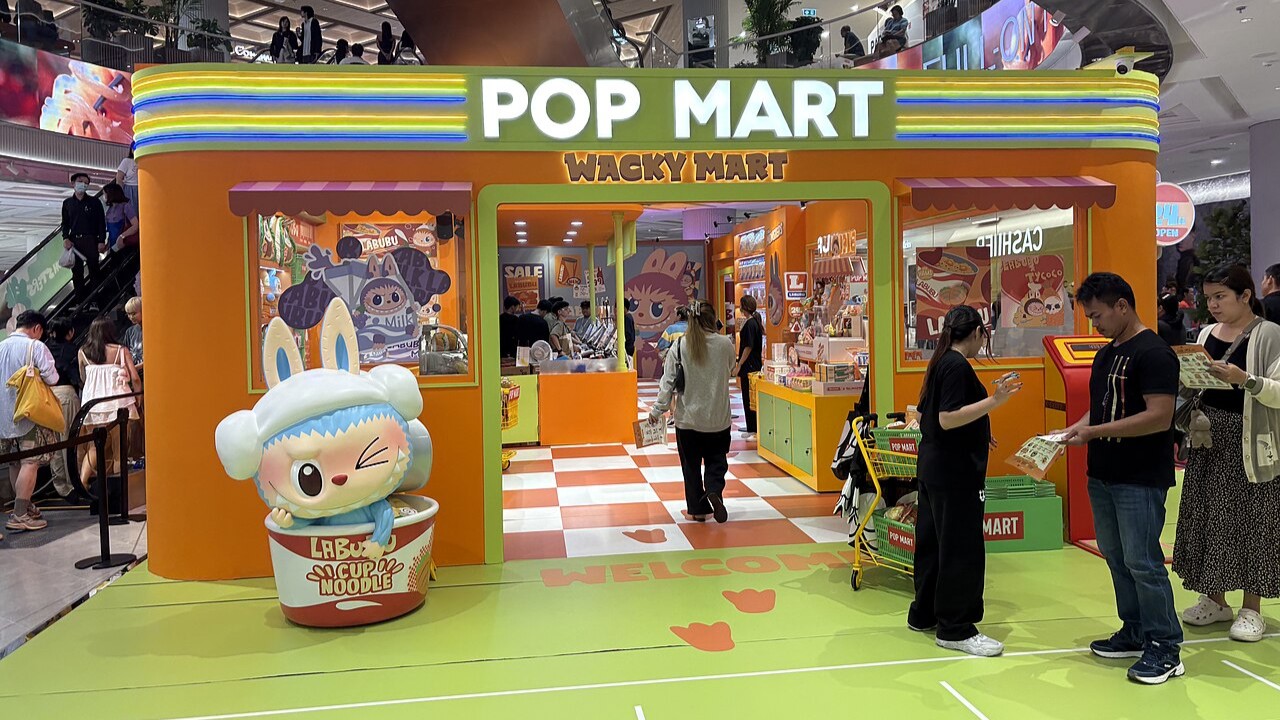
The Labubus Craze of 2025: A Perfect Example of Player-Driven Trend Culture
In 2025 the “labubus” trend took the football world and wider culture by storm. What began as an inside joke among players turned into a global phenomenon that crossed sport, fashion, and social media.
The trend began organically: a few prominent players such as Paul Pogba and Dele Alli, attached whimsical labubus accessories, small plush charms featuring a stylised bus character, to their kit bags when arriving at matchdays. Within weeks, the image of top professionals with labubus tags began trending on platforms like Instagram, X, and TikTok.
What made labubus unique was how the trend propagated not through a brand marketing campaign, but through player behaviour. Photos and stories of players arriving at stadiums with labubus quickly went viral, fans began mimicking the look, merchandise creators produced *labubus-themed accessories, and soon the trend spread into everyday streetwear.
By mid-season, sportswear brands and lifestyle labels were posting their own labubus content, sneaker shops were selling collaborative charms, and football streetwear trendsetters were incorporating the motif into fashion drops.
The labubus example illustrates an important point: influence isn’t always engineered in boardrooms. Sometimes the players themselves, through creativity, shared humour, and visibility, spark trends that capture global attention. What makes it commercially valuable is not only the volume of reach, but the authenticity. Fans see the product on the people they admire and emulate.
Sometimes the players themselves, through creativity, shared humour, and visibility, spark trends that capture global attention.
Footballers as Cultural Touchstones Beyond Sport
The labubus phenomenon is not an isolated case. There are numerous examples where footballers have influenced global culture in ways that have commercial and social significance.
Celebrations Becoming Cultural Language
Some goal celebrations become instantly recognisable cultural symbols. When certain players adopted signature moves, from the iconic “Siiii!” turn to the gesture spread by others that became known worldwide, these became more than celebrations. They appeared in video games, adverts, social media challenges, and even classroom playgrounds. Brands incorporated these motifs into campaigns because they were instantly recognisable, emotionally resonant and fan-driven.
Fashion and Street Culture
Players such as those known for their fashion influence (e.g., combining luxury labels with streetwear at travel arrivals) have influenced what fans wear globally. Photos of players walking into training or arriving at airports create “fits of the week” cycles that permeate fashion feeds. Sneaker brands, luxury houses, and collaboration retailers often reward these players with deals precisely because these images drive real demand, fans see the item on their favourite player and want to emulate that style.
This influence is measurable: certain players’ confirmed appearances wearing specific trainers or clothes entries have been directly linked to search increases, online sell-outs, and trend adoption across social platforms.
Digital Culture and Meme-Driven Influence
In recent years players have influenced digital culture in unpredictable ways. Short-form platforms like TikTok have seen footballers participate in dance challenges, humour content, or storytelling formats that extend far beyond traditional sports content. These moments often surpass the reach of regular match highlights.
When a footballer engages with a trending audio clip, uses a popular meme format, or creates a phrase that resonates, it can jump from sports fandom into global meme culture. That digital cultural capital is precisely what brands want, because it’s attention that feels organic.
Why Social Media Influence Has More Power Than Ever
Platforms like Instagram, TikTok, YouTube and X are now essential conduits for footballers’ personal brands. They allow players to communicate directly with hundreds of millions of fans, often earning far more engagement than official club channels.
The influence hierarchy has shifted:
- Instagram remains the most powerful platform for brand exposure because it combines visual impact, international reach, and direct engagement.
- TikTok is the fastest-growing driver of cultural trend adoption, especially among Gen Z and Gen Alpha audiences.
- YouTube holds value for long-form storytelling, allowing players to connect deeply with fans through documentaries, behind-the-scenes content, and personal series.
- X amplifies real-time cultural conversation, turning player comments and moments into media narratives within minutes.
Combined, these platforms give players direct access to audiences brands can only dream of otherwise. Many players now have followings larger than their clubs, meaning their personal posts often generate more engagement than club announcements.
Many players now have followings larger than their clubs, meaning their personal posts often generate more engagement than club announcements.
Why Brands Want This Influence
Brands are willing to pay substantial summs for attention, authenticity and trust. Here’s what footballers give them:
Cultural Relevance
When a player organically adopts a look, phrase, or item, it resonates in ways that traditional ads cannot. Brands want that authenticity because audiences trust individuals more than institutions.
Consumer Activation
A trend started by a player, whether fashion, music, tech, or lifestyle, can directly drive consumer behaviour. It moves beyond awareness into purchase decisions.
Precision Targeting
Players often have highly segmented global audiences. Brands can match a player’s demographic to their product, whether that’s luxury consumers, streetwear fans, youth audiences, or regional markets.
Emotional Narrative
Players influence not because they are paid, but because fans emotionally care. That is the currency modern brands pursue. The underlying commercial value is emotional impact and behavioural influence.
Using Influence for Positive Impact
Importantly, this influence is not limited to consumerism. Many players use their platforms for social good: anti-racism campaigns, mental health awareness, education initiatives, community activism and charity drives. These efforts often generate even more organic engagement because they connect to fans’ values and identities.
When brands align with these authentic moments, they align themselves with culture and values. That is why brands increasingly look for partnerships that lean into narrative impact, and not just visual visibility.
Conclusion: Influence Is the New Commercial Currency
Footballers today are far more than athletes; they are cultural architects. Their actions, whether it’s a light-hearted labubus trend or a signature fashion moment, ripple across media, culture, and commerce. For brands, this influence is gold because it is real, measurable and emotionally driven.
Footballers today are far more than athletes; they are cultural architects.
In a world where attention is the most valuable asset, footballers hold key distribution channels. They demonstrate that influence is about authentic cultural resonance.
That is why brands invest in influence itself by partnering with players.