

Front-of-shirt sponsorships are among the most visible and commercially strategic assets in global sport. A club’s shirt sponsor inventory offers a global communication channel. Broadcast to billions of fans each year, these deals generate revenue, shape perception, and often reflect broader cultural and economic trends. Judging the “top” shirt sponsorships requires a mix of longevity, financial value, brand impact, recognition, and commercial performance. Below is a detailed breakdown of the 10 most successful and powerful front-of-shirt sponsorship deals in football today.
Real Madrid – Emirates
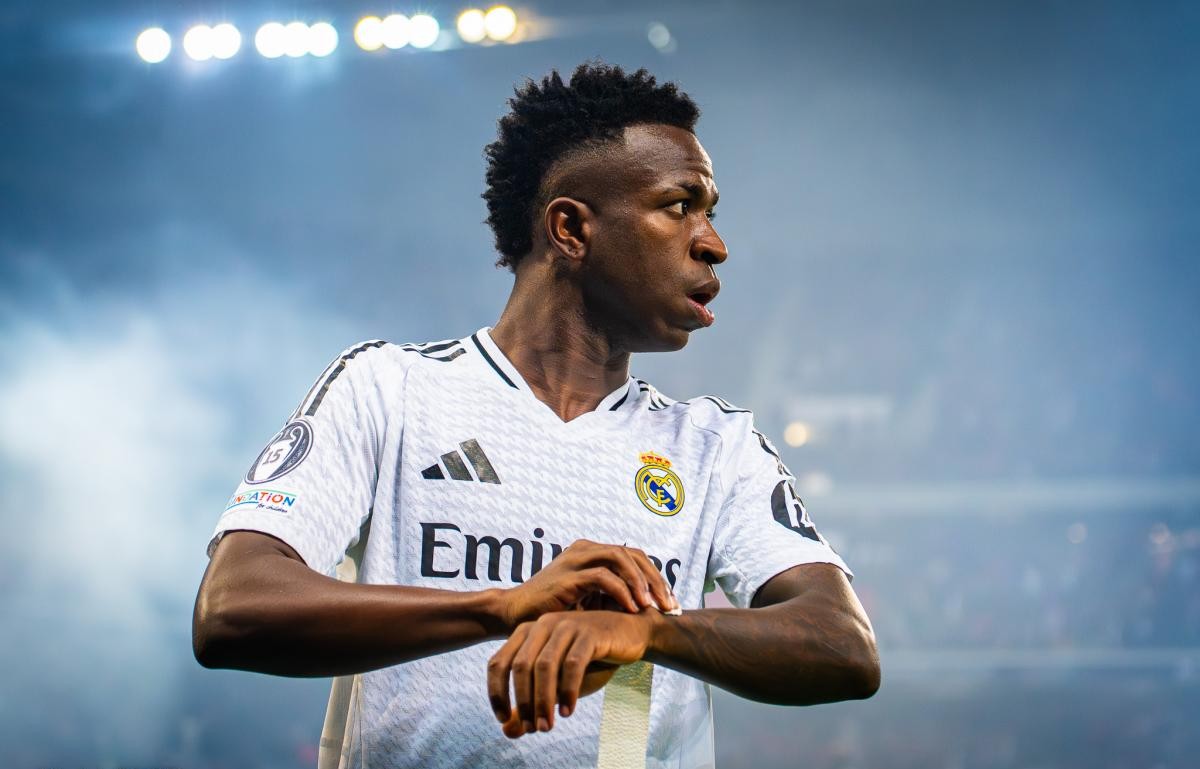
Real Madrid’s partnership with Emirates is perhaps the most iconic shirt sponsorship in world football. Emirates has appeared on Los Blancos shirts since 2013, in a deal widely reported at approximately €70 million per season. The association with a globally recognised airline aligns Madrid’s brand with travel, aspiration, and international prestige. The club’s immense global following, Real Madrid is consistently ranked as the most valuable football brand in the world, means that the Emirates logo is broadcast across every continent weekly. This combination of commercial value, longevity, and global recognition arguably makes it the most powerful individual front-of-shirt partnership in the sport.
This combination of commercial value, longevity, and global recognition arguably makes it the most powerful individual front-of-shirt partnership in the sport.
Manchester City – Etihad Airways
Manchester City’s relationship with Etihad Airways has redefined how airline sponsorships can amplify a football club’s global profile. The partnership, which includes shirt sponsorship and stadium naming rights, has been extended through the next decade and is valued at tens of millions of pounds annually.
For Etihad, it’s a global brand-building platform; for City, it provides stable revenue that supports both sporting and commercial growth. When you couple this with Manchester City’s recent on-pitch success, including multiple Premier League titles and their historic 2023 treble, the deal’s impact extends far beyond simple logo placement.
Manchester United – Snapdragon
Manchester United’s front-of-shirt sponsorship with Snapdragon (part of Qualcomm) is now among the most lucrative commercial deals in the Premier League. Valued at around £60 million per year, it highlights how brands outside of traditional finance or travel see value in associating with United’s global fanbase.
Although the club’s on-field performance fluctuates, its commercial brand remains strong thanks to decades of global marketing, making United a premium partner for major technology brands seeking worldwide resonance.
Arsenal – Emirates
Arsenal’s long-standing deal with Emirates stands out for both longevity and consistency. Since 2006, Emirates has been the Gunners’ primary front-of-shirt sponsor, one of the longest continuous partnerships in the Premier League.
The deal’s value is widely reported in the high-£50-million range per year, and it currently runs into the late 2020s, offering Arsenal financial stability and brand continuity. The longevity of this partnership contributes to its impact; few clubs can match more than a decade of unbroken front-of-shirt alignment with a global airline.
Liverpool – Standard Chartered
Liverpool’s relationship with Standard Chartered began in 2010 and has endured for over a decade – a remarkable run in an era of changing shirt partner landscapes.
The deal is valued at about £50 million per season and has weathered periods of fierce competition among banking brands. Importantly, Standard Chartered stood with Liverpool through both on-pitch highs and transitional phases, embedding itself into the commercial identity of one of the world’s most historic and globally supported clubs.
Barcelona – Spotify
Barcelona’s front-of-shirt partnership with Spotify represents a new era in sports and tech collaborations. Since 2022, Spotify has been the club’s main shirt sponsor, with reports suggesting a value of around €60-70 million annually.
What makes this deal influential is its strategic fit: Spotify uses Barcelona’s global cultural reach to extend digital engagement, content-linked campaigns, and fan community initiatives. Rather than a traditional commercial alignment, it reflects how digital platforms can integrate deeply with football culture.
Rather than a traditional commercial alignment, it reflects how digital platforms can integrate deeply with football culture.
Bayern Munich – Deutsche Telekom
In Germany, Bayern Munich’s front-of-shirt relationship with Deutsche Telekom stands as one of the longest and most stable deals in European football.
While financials per season are often not as publicised as in the Premier League, the sheer duration, more than two decades, marks it as a rare example of enduring brand synergy.
Bayern’s global stature, coupled with Deutsche Telekom’s widespread European consumer reach, makes this partnership a case study in consistent performance and mutual brand reinforcement.
Tottenham Hotspur – AIA
Tottenham Hotspur’s shirt sponsorship with life insurance giant AIA is another example of long-term commercial success. The deal, initially signed in 2013 and extended into the late 2020s, has provided Spurs with a stable and significant revenue stream valued at around £40 million annually.
While not at the very top of the financial rankings, it scores highly in longevity and consistency, particularly for a club outside the “global superbrand” tier.
Newcastle United – Sela
Newcastle United’s front-of-shirt sponsorship with Sela, a Saudi investment company, reflects newer approaches to commercial equity and strategic positioning.
At approximately £25 million per year, it illustrates how non-traditional global brands, particularly those aligned with sovereign wealth or diversified investment portfolios, are increasingly willing to invest in football’s commercial platforms.
Though smaller in absolute value compared with elite clubs, the deal represents modern commercial dynamics triggered by evolving project-led investment strategies.
Brighton & Hove Albion – American Express
Brighton’s shirt sponsorship with American Express is a standout example of how clubs outside the traditional elite can secure high-quality commercial partners.
With an annual value in the high single digits to lower double digits (around £8-10 million, depending on reporting), the deal is significant in relative terms for a club of Brighton’s size. The partnership also underscores the increasing commercialisation of mid-tier clubs who have built global identities through on-pitch performance and sustained Premier League presence.
Why These Deals Matter
Across these ten examples, several themes emerge:
- Longevity matters. Deals that last over a decade, such as Emirates with Arsenal or Standard Chartered with Liverpool, build deep brand association that transcends short-term campaigns.
- Financial scale has grown dramatically. In the 2010–11 season, the Premier League’s collective front-of-shirt revenue was roughly £100 million; by 2024–25 it had exceeded £422 million, more than quadruple in a decade.
- Brand fit and innovation drive impact. Spotify’s deal with Barcelona showcases how non-traditional sponsors (especially digital platforms) can integrate deeper than mere logo placement. Meanwhile, longstanding airline sponsors like Etihad and Emirates use football to bolster global brand presence.
- Global exposure combined with commercial activation power defines success. A partnership that gets seen by billions is more valuable than one that simply pays the highest headline number.
Global exposure combined with commercial activation power defines success.
The Shirt as a Commercial Stage
Front-of-shirt sponsorships have become one of the most potent commercial levers in professional football. They generate hundreds of millions annually, establish long-term global brand relationships, and showcase how clubs can balance sporting ambition with commercial sophistication. The top deals combine value, recognition, longevity and strategic fit, and while the era of sky-high numbers continues, the smartest partnerships are about connection, relevance and joint brand development.