

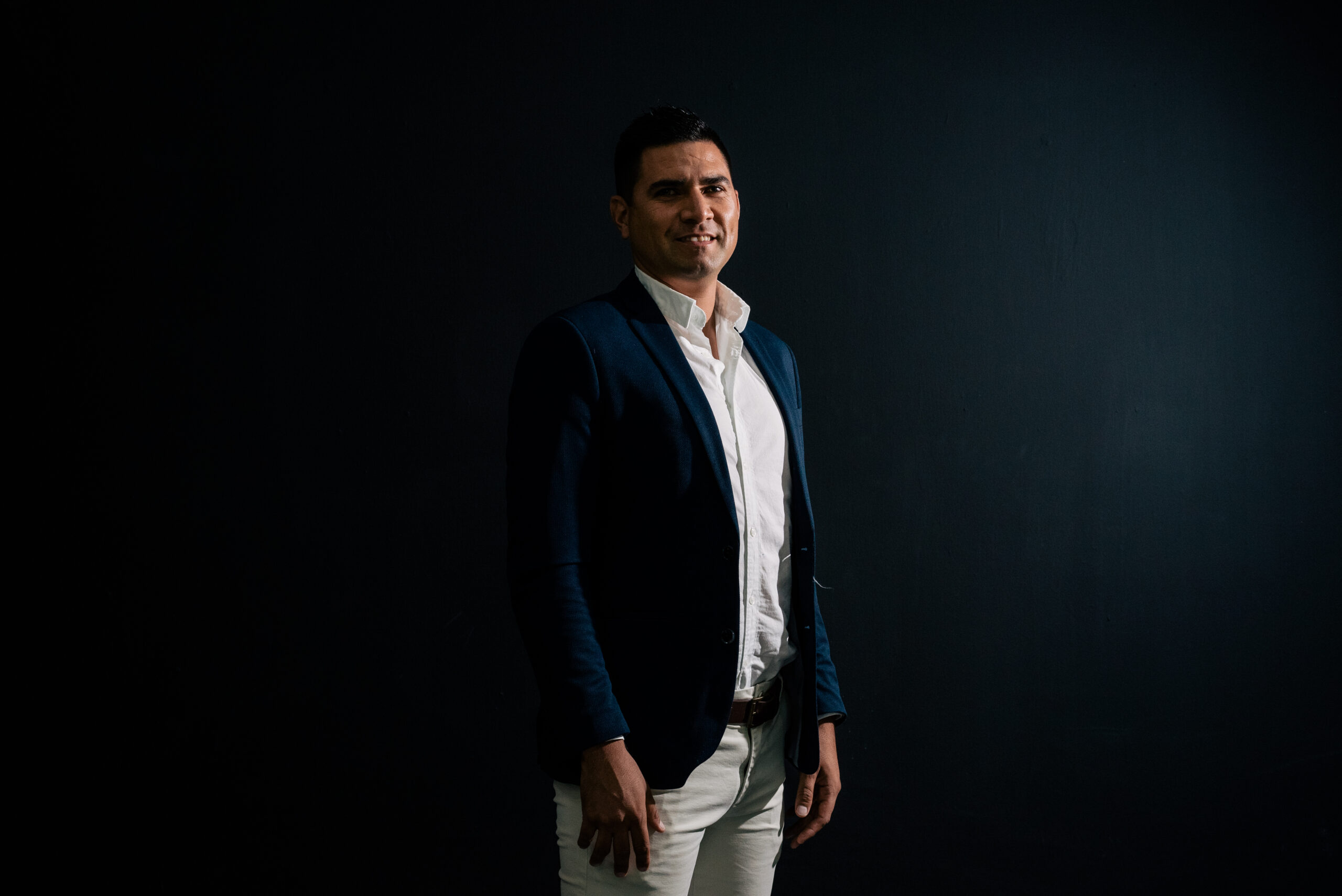
Profile
Role: Sporting Director of Jaiba Brava Tampico Madero
Specialisation: recruitment, player development, asset creation, competitive performance and institutional strategy
Experience: professional player, Academy Director, Technical Secretary, Sporting Manager and Sporting Director
Focus Areas: building competitive teams, developing players, creating value and establishing sporting structures designed to last beyond a single season
Pedro Luis Beltrán García represents a sporting executive profile built through nearly two decades of experience on both sides of professional football. After more than a decade as a player across Mexico and Argentina, he transitioned into football management, progressing through academy leadership, technical coordination and sporting direction. Today, as Sporting Director of Jaiba Brava Tampico Madero, his career reflects an increasingly complete approach to the role: building competitive teams, developing players, creating value and establishing sporting structures designed to last beyond a single season.
One of the defining chapters of Beltrán’s executive career came during his more than five years as Sporting Director at Cimarrones de Sonora. Operating in Mexico’s second division, the club became an important platform for identifying, developing and positioning young talent. During his tenure, four players were selected for Mexico’s youth national teams, while six were sold directly to Liga MX clubs and more than ten others progressed into Liga MX structures.
Among those transactions was Johan Vásquez’s move to Monterrey in late 2019. While Beltrán was not responsible for the defender’s initial recruitment or development, he handled the closing of the transfer before Vásquez later moved to Pumas UNAM. Other direct sales included Jesús Alcantar, Alan Montes and Juan Carlos Cortez to Necaxa, as well as Ángel Estrada and Aldo Encinas to Pachuca.
Those results illustrate a central theme throughout Beltrán’s work: a sporting department must not only build a competitive squad for today, but create pathways and assets that can generate value for tomorrow. His experience at Club Puebla added another dimension to that philosophy. In 2024, the club developed a scouting plan that led to the arrival of Emiliano Gómez, a recruitment case that subsequently became a successful example of player asset revaluation.
Those results illustrate a central theme throughout Beltrán’s work: a sporting department must not only build a competitive squad for today, but create pathways and assets that can generate value for tomorrow.
Beltrán’s current chapter at Jaiba Brava Tampico Madero has combined sporting results with longer-term institutional development. The club finished the 2025–26 season as the year’s most successful team, going undefeated through the Apertura 2025 qualifying phase before winning the championship in December. In the Clausura 2026, Jaiba Brava reached a second consecutive final under his sporting management.
But the project is now moving beyond first-team results. For 2026–27, Beltrán and the club are launching a talent development initiative across the Huasteca region, with the objective of lowering the average age of the squad and creating a stronger pathway toward professional football. The strategy includes entering a Jaiba Brava team in Mexico’s Third Professional Division and developing a network of club academies nationally and internationally to strengthen the organisation’s grassroots structure.
Having experienced football as a professional player, Academy Director, Technical Secretary, Sporting Manager and Sporting Director, Beltrán has developed a perspective that connects the dressing room with the executive office. His career demonstrates how sporting leadership can combine recruitment, player development, asset creation, competitive performance and institutional strategy within one coherent football project.
Key Insights
- Building competitive teams, developing players, creating value and establishing sporting structures designed to last beyond a single season.
- A sporting department must not only build a competitive squad for today, but create pathways and assets that can generate value for tomorrow.
- The main objective is to consolidate the sports structure of Club Jaiba Brava.
Our Exclusive Interview with Pedro Luis Beltrán Garcia
You spent more than a decade as a professional footballer before moving into sporting management. How does having lived inside a professional dressing room influence the way you now evaluate players, communicate with coaches and make difficult decisions as a Sporting Director?
Having lived a stage as a footballer is undoubtedly a great contribution to playing the role as Sporting Director, it provides you with an understanding of the game and the thermometer of the performance of the squad. The situations you are experiencing off the field as a manager you surely experienced as a footballer, which gives a degree of empathy and demand at the same time towards the player. But I have always believed that having played is not everything, but the combination of the experience acquired on the field and constant training in all areas involved in the sports management of a professional football club.
But I have always believed that having played is not everything, but the combination of the experience acquired on the field and constant training in all areas involved in the sports management of a professional football club.
You spent more than five years as Sporting Director at Cimarrones de Sonora before moving into Liga MX with Club Puebla and now leading the sporting project at Jaiba Brava. What have those different environments taught you about building competitive squads when the objectives, resources and pressures of each club can be very different?
The fact that I have been part of other clubs has allowed me to add experiences in all categories of Mexican Soccer, being enriching to have a global vision as a Sports Director. Knowing the context of each Club and testing your ability to adapt to different environments, from the recruitment of 13-year-old players to the choice of profiles for the First Division both in the national and foreign markets. It has allowed me to have a general vision to sustain lines of work, and adapt it to the needs and objectives of each institution, from consolidating and promoting homegrown players, fighting for the non-payment of fines, as well as seeking championships in a headquarters with enormous social roots and a high demand such as the Jaiba Brava Club.
Modern Sporting Directors are increasingly expected to connect recruitment, academy development, coaching, financial realities and long-term strategy. Having worked across several of those areas yourself, what does a well-functioning sporting department look like to you, and how do you create alignment between them?
The sporting director must have the ability to look at the short term, which is the next weekend, as well as lead and conduct the long-term Sports Plan seeking sustainability, the sports area must operate effectively in an ecosystem where all areas respond to a single institutional identity. Currently the structures behind a football team are the new tactics of modern football, with a strategic alignment, where the main axis must be the connection of youth football with the first team. It is a challenge that must be solved to give well-being and direction to the Sports Project, with recruitment being a fundamental pillar, both for the lower divisions and for the first team. After that, looking for the best version of each member of the Club can lead to sporting success. The Sporting Director must design the plan to guide the Club towards the fulfillment of the strategic boundaries and institutional projects.
Currently the structures behind a football team are the new tactics of modern football, with a strategic alignment, where the main axis must be the connection of youth football with the first team.
After building your executive career across different levels of Mexican football and gaining increasing exposure to international markets, what is the long-term ambition for Pedro Beltrán as a Sporting Director, and what type of project would allow you to make the greatest impact in the next stage of your career?
After more than a decade of work, the main objective is to consolidate the sports structure of Club Jaiba Brava. In the long term, I dream of representing my country in the Mexican national team and even more so exploring going abroad.
FAQ
Who is Pedro Luis Beltrán García?
Pedro Luis Beltrán García is Sporting Director of Jaiba Brava Tampico Madero and has worked as a professional player, Academy Director, Technical Secretary, Sporting Manager and Sporting Director.
What experience does Pedro Luis Beltrán García have in Mexican football?
He has worked across different levels of Mexican football, including more than five years as Sporting Director at Cimarrones de Sonora, experience at Club Puebla and his current role at Jaiba Brava Tampico Madero.
What is Pedro Luis Beltrán García’s long-term ambition?
His main objective is to consolidate the sports structure of Club Jaiba Brava, while in the long term he dreams of representing Mexico in the national team and exploring opportunities abroad.