
Profile
Role: CEO of Kasımpaşa
Specialisation: Strategic direction, sporting operations, organizational planning, and institutional development
Experience: CEO and Sporting Director at Beşiktaş JK; CEO of Kasımpaşa
Focus Areas: Efficiency, structure, communication, and sustainable competitiveness
Ceyhun Kazancı represents one of the most modern and strategically minded football executives in Turkish football. With a career built across football operations, sporting leadership, governance, and organizational management, he has developed a profile that combines business intelligence with deep football understanding. His ability to connect sporting performance with structural sustainability has made him one of the most respected football executives in the Turkish game.
Born in Istanbul in 1979, Kazancı followed a different pathway from many traditional football executives. Rather than transitioning from a playing career, he built his expertise through operational leadership, football business management, and strategic development inside professional football organizations. This background allowed him to develop a broad and multidimensional understanding of how modern clubs function both on and off the pitch.
Over the years, he gained extensive experience in sports management, ticketing systems, football operations, and organizational structures, particularly through leadership positions connected to Turkish football’s evolving commercial ecosystem. These experiences shaped his understanding of governance, stakeholder management, operational efficiency, and institutional development.
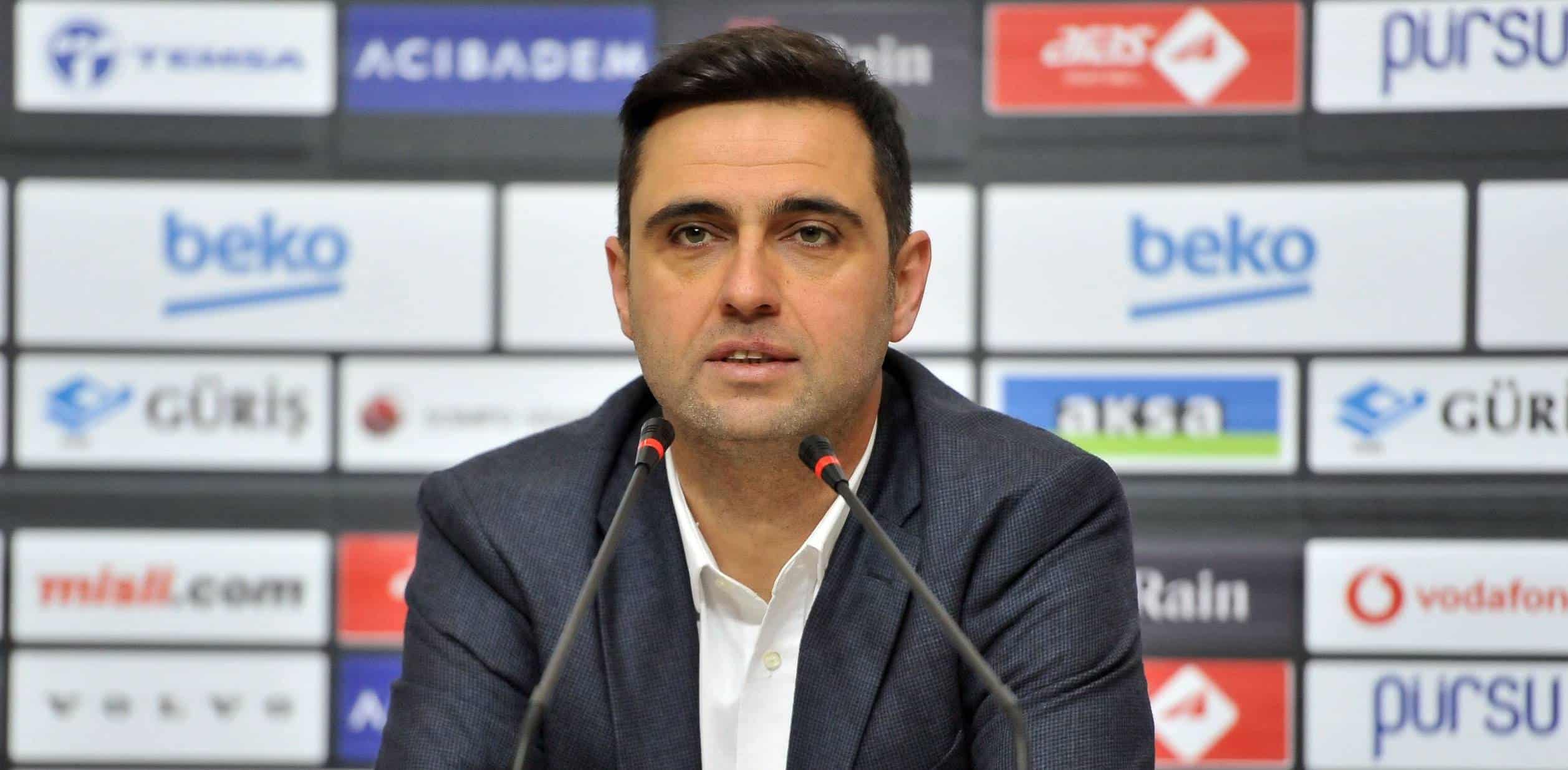
Kazancı later became widely recognized during his time at Beşiktaş JK, where he served as CEO and Sporting Director within one of Europe’s most demanding football environments. At Beşiktaş, he was responsible for aligning sporting strategy with financial sustainability, restructuring football operations, and implementing long-term planning principles in a highly emotional and pressure-driven football culture. His period at the club established his reputation as an executive focused on sustainability, strategic recruitment, and modern sporting management.
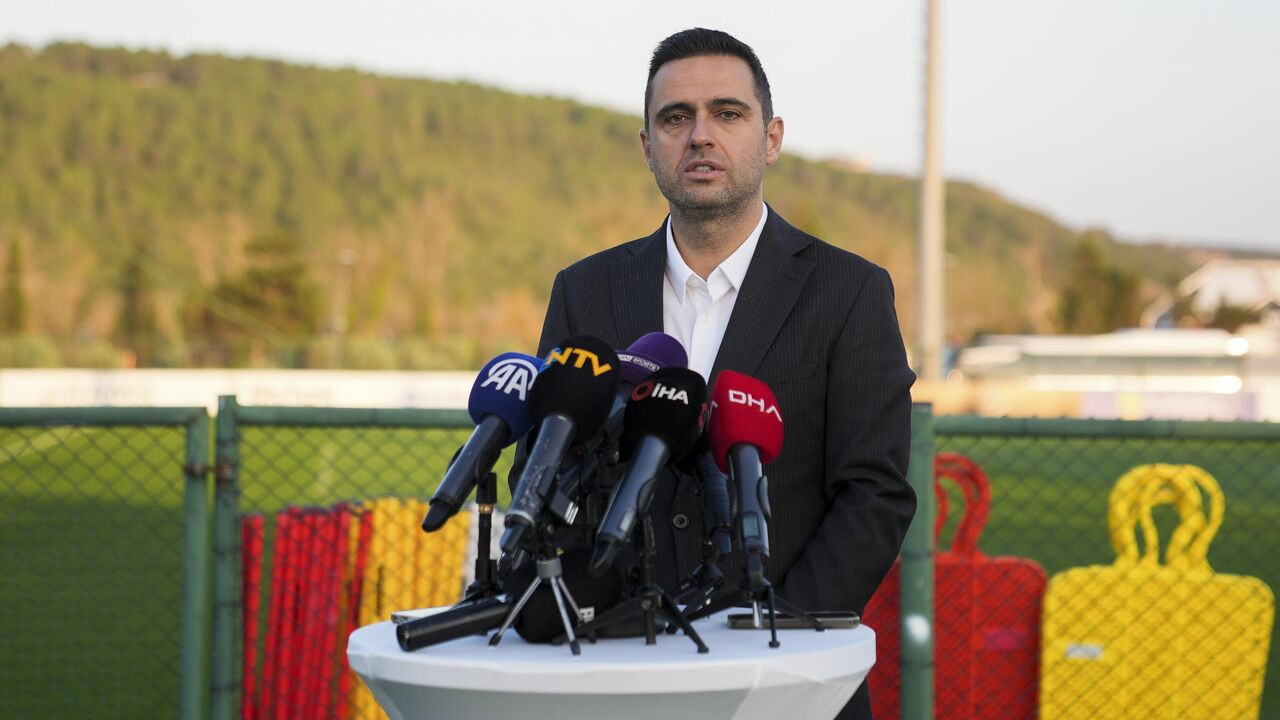
Today, however, his work at Kasımpaşa SK represents perhaps the clearest reflection of his football philosophy and executive identity. As CEO of Kasımpaşa, Kazancı operates within a club environment known for its rational decision-making, stable management structure, and sustainable football approach. Unlike many clubs driven by short-term pressure, Kasımpaşa has built a reputation for intelligent squad planning, talent development, and operational consistency within Turkish football.
In his current role, Kazancı oversees the club’s strategic direction, sporting operations, organizational planning, and institutional development. His responsibilities include aligning football performance with financial logic, supporting recruitment structures, optimizing operational processes, and strengthening the club’s long-term sporting identity. His work reflects a leadership model built on efficiency, structure, communication, and sustainable competitiveness.
One of the most important aspects of Kazancı’s profile is his belief that football success cannot exist without organizational clarity. He consistently emphasizes the importance of alignment between ownership, sporting departments, coaching staff, scouting, analytics, and business operations. His leadership philosophy reflects the reality of modern football, where success increasingly depends on structures, processes, and institutional culture rather than isolated short-term decisions.
Beyond club management, Kazancı has also become a respected public voice regarding the future of Turkish football, sporting governance, and club sustainability. Through interviews and public discussions, he has repeatedly highlighted the importance of long-term planning, talent development, financial discipline, and executive professionalism within football organizations.
What distinguishes Ceyhun Kazancı is his ability to combine strategic thinking with operational realism. He understands both the emotional dynamics of football and the structural discipline required to create sustainable success. His profile reflects a football executive capable of building modern organizations that can compete athletically while remaining institutionally stable.
At Kasımpaşa, this philosophy continues to evolve through a model focused on efficiency, development, and intelligent management. In an era where football organizations increasingly require leaders who understand governance, sustainability, sporting performance, and institutional growth simultaneously, Kazancı represents one of the strongest executive profiles within the Turkish football landscape.
Key Insights
- Kazancı believes that lasting success starts with building a solid culture first.
- He places strong importance on aligning sporting objectives with financial sustainability and operational efficiency.
- He believes successful clubs of the future will be the ones with strong organisational structures.
Our Exclusive Interview with Ceyhun Kazancı
What are the key structural principles that allow a club with a more sustainable setup like Kasımpaşa to remain competitive within the demanding environment of Turkish football?
I think the foundation of this is having a clear structure and realistic targets. At Kasımpaşa, planning and sustainability come before emotional decisions. It matters a great deal that the club’s economic reality is aligned with its sporting targets, because football today can no longer be managed through what happens on the pitch alone.
It is also essential that everyone within the club has a clear role and clear responsibilities. When the technical staff, the scouting department, the management and the operational side are all moving in the same direction, you get a much healthier structure, and that brings stability with it.
One of Kasımpaşa’s most important qualities is that it tries to think long term rather than react in the short term. That approach is never easy in Turkish football, but I believe it is necessary for building success that lasts.
One of Kasımpaşa’s most important qualities is that it tries to think long term rather than react in the short term.
Kasımpaşa is seen as a club managed far more rationally and strategically than most, away from short term pressure. How important are patience and institutional clarity for building long term success?
Patience is one of the hardest things to find in football, but also one of the most necessary. Especially in countries like ours, where the pressure for results is so high, people want to see success immediately. But real development is a process that takes time.
Institutional clarity matters enormously here, because everyone needs to know what the club is trying to achieve. If you change direction every time a head coach changes or every time you get a bad result, it becomes impossible to build anything sustainable.
I believe that lasting success starts with building a solid culture first. Once that culture is in place, players, staff and the technical team all understand more clearly what they represent. That is when success becomes something you can sustain.
I believe that lasting success starts with building a solid culture first.
In your current role, how do you balance sporting objectives with financial sustainability and operational efficiency?
Striking this balance is one of the most important things in modern football. If you act purely with sporting success in mind, financial problems can appear. If you think purely in economic terms, your competitiveness on the pitch suffers.
That is why, when making decisions, you have to think about both short term performance and the club’s long term structure at the same time. Squad planning, wage balance, age profile and development potential are all parameters that need to be assessed together.
Operational efficiency is just as important. When processes run properly within a football club, it saves time and energy, and a well run organisation reflects positively on what happens on the pitch too.
You worked in an extremely high pressure environment like Beşiktaş and now in a more stable structure at Kasımpaşa. What have these different experiences taught you about leadership and football management?
Every club has its own dynamic. At a big club like Beşiktaş, emotions, expectations and pressure are all experienced far more intensely. In that environment, you have to manage both the sporting reality and the emotional atmosphere of the club when making decisions.
Kasımpaşa, by contrast, offers a calmer and more strategic working environment, which creates space for longer term thinking and for developing processes properly.
These two very different experiences taught me this. Leadership is not just about making decisions, it is about reading your environment correctly and managing people well. In football, communication, crisis management and the ability to find balance matter just as much as technical knowledge.
Leadership is not just about making decisions, it is about reading your environment correctly and managing people well.
In modern football, alignment between scouting, analytics, the technical staff, operations and management is becoming increasingly important. How do you build that shared vision?
I think communication is the most important thing here. If departments work in isolation and act disconnected from one another, you cannot build a healthy structure. Everyone needs to work toward the same goal.
I place a lot of importance on processes being as transparent as possible and moving forward within a shared way of thinking. The technical staff, scouting, analytics and management should all be structures that complement one another, because modern football is now a genuinely multidisciplinary field.
That shared vision also needs to be supported not just through conversation, but through the daily working culture. When people feel they are part of the process, the organisation becomes stronger.
Turkey is a country that produces great talent, yet clubs can still struggle with long term player development. Where do you think Turkish football needs to develop institutionally?
I think patience and a culture of planning are among the most important issues here. Developing young players is not a short term process. Players need to be allowed to make mistakes, to develop and to build consistency.
I also think the transition between the academy and the first team needs to be managed in a healthier way. Many talented players get lost in that transition.
Institutionally, we need more professional structures. Data use, scouting organisation, performance departments and long term strategy are now indispensable parts of modern football.
As a football executive, what qualities matter most to you when building the leadership teams around you?
For me, one of the most important qualities is reliability. In football, you need to be sure that everyone is working toward the same goal.
Alongside that, people who communicate openly, who take responsibility and who are solution focused are extremely valuable, because football is an environment that changes very quickly, and reacting correctly in moments of crisis matters.
I also believe you need people with different perspectives within a team. Groups made up entirely of people who think the same way stop developing past a certain point.
Over the next ten years, what football model will define the successful clubs, both in Turkey and around the world?
I believe the successful clubs of the future will be the ones with strong organisational structures. It cannot just be about what happens on the pitch. Scouting, data analysis, player development, financial management and club culture all need to move together.
Football has become a much more global and competitive industry, and sustainability matters more with every passing year.
Clubs that invest in player development, that plan properly for young talent, and that can align their technical structure with their institutional structure will be the ones with the advantage. In modern football, success no longer comes from coincidence, it comes from having the right systems in place.
FAQ
What is Ceyhun Kazancı’s current role?
As CEO of Kasımpaşa, Kazancı operates within a club environment known for its rational decision-making, stable management structure, and sustainable football approach.
What did Ceyhun Kazancı do at Beşiktaş JK?
Kazancı later became widely recognized during his time at Beşiktaş JK, where he served as CEO and Sporting Director within one of Europe’s most demanding football environments.
What does Ceyhun Kazancı believe will define successful football clubs in the future?
I believe the successful clubs of the future will be the ones with strong organisational structures.