


The 2026 World Cup has come to an end, and there is good reason people are talking about what a success it was. Revenues are estimated to be between USD 13.5 billion and USD 15 billion for the entire 2023–2026 cycle, surpassing the USD 11 billion expectation for this period. Another of the hottest talking points was the “Americanization” of the tournament featuring the “4 quarters” due to controversial hydration breaks, the halftime show at the final, and shots of celebrities in the stands during the broadcast, all typical of U.S. sports.
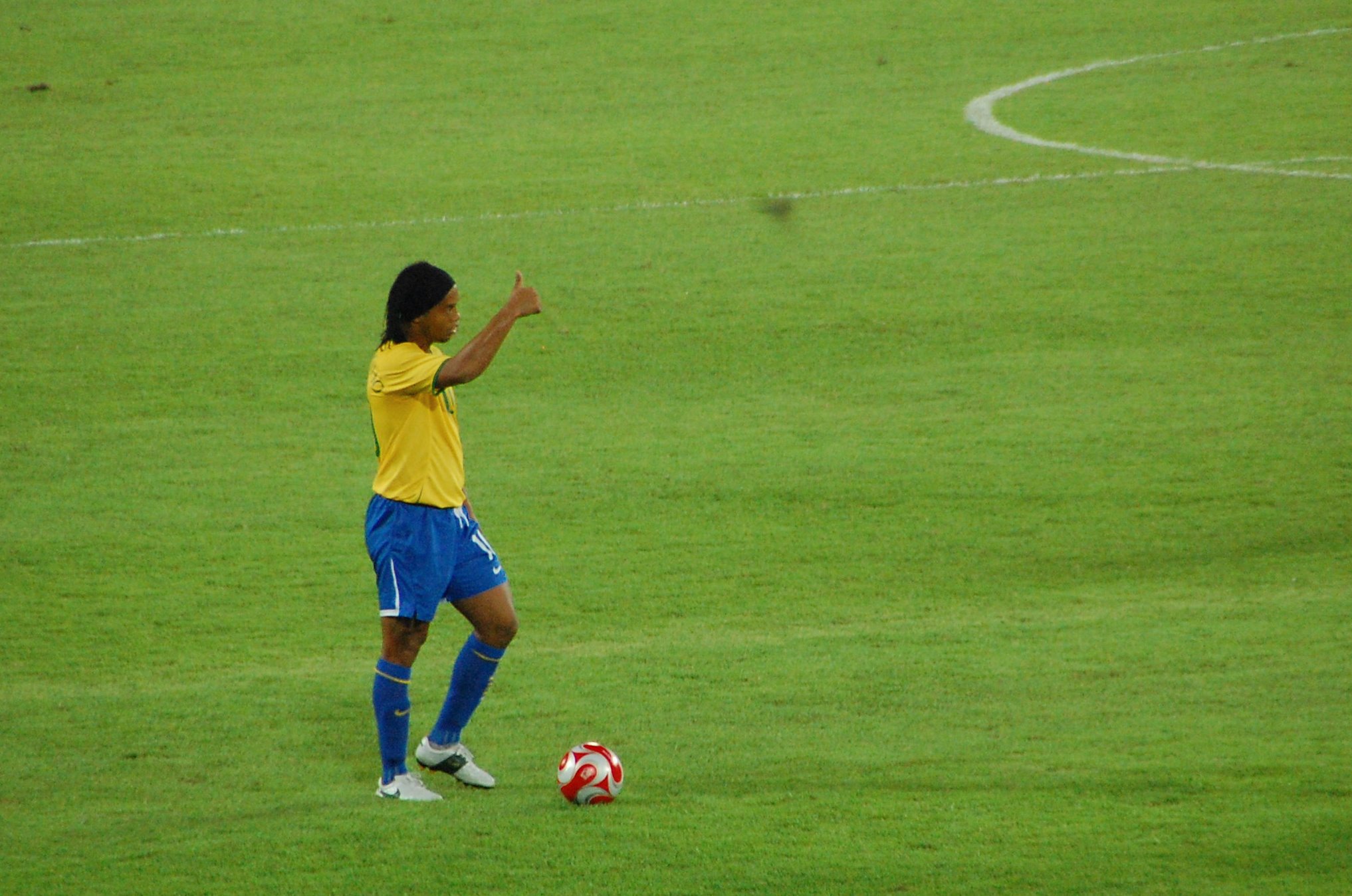
In addition to the FIFA president, who appeared in broadcasts during the 9th minute of every match, the legends stole the spotlight. Some of the players invited by FIFA included Roberto Baggio, David Trezeguet, David Beckham, José René Higuita, Javier Zanetti, Esteban Cambiasso, and at the final, Sergio Ramos, Jesús Navas, Carles Puyol, Iker Casillas, David Villa, Andrés Iniesta, Xavi Hernández, Mario Kempes, Ronaldinho, and Ronaldo “El Fenómeno.” Absolute luxury. Watching digital content featuring these icons and the tournament itself is something that truly thrills sports fans.
Watching digital content featuring these icons and the tournament itself is something that truly thrills sports fans.
This is not merely a strategy that appeals to nostalgia to connect with fans. It is a well-deserved lifetime tribute to those footballers in this specific case who contributed to the growth of sport. Beyond their athletic achievements, they served as role models for generations who grew to love football by watching them play during their glorious, and not-so-glorious, days.
Beyond their athletic achievements, they served as role models for generations who grew to love football by watching them play during their glorious, and not-so-glorious, days.
As a commercial strategy, it is excellent. On top of the nostalgic factor, it creates a natural connection to the event for fans, making it ideal for brands that do not sponsor the World Cup. This immediate association between retired players and football offers a way to jump on the World Cup trend without using the tournament’s intellectual property or that of its organizer, FIFA.
Several brands from different sectors in Colombia turned to this strategy. Three of the most recurring campaigns during the World Cup were:
- Rushbet, featuring Mario Alberto Yepes and Abel Aguilar players from the historic Brazil 2014 campaign where the Colombian national team achieved its best-ever performance by reaching the quarterfinals.
- Davivienda, featuring the DaviPlata red credit card and Gerardo Bedoya, a 2001 Copa América champion who holds the world record for the major amount of red cards in a professional football career (46).
- Águila, which aired several commercials since the beginning of the year featuring legends such as Carlos “El Pibe” Valderrama (captain of the Colombian national team in the 1990s, three-time consecutive World Cup player, and one of the most widely recognized Colombian footballers in the world), Juan Pablo Montoya (a global motorsport legend and one of only two drivers, alongside Graham Hill, to win the Monaco Grand Prix, the Indianapolis 500, and the 24 Hours of Le Mans), and even Beatriz González, the main character from Colombia’s most successful telenovela: Yo soy Betty, la fea.
Furthermore, legends offer the advantage of being available during the tournament or at least having far greater availability than current players since they are not tied up in team camps, training sessions, or commercial commitments with national teams.
It is a great strategy that leaves one question hanging in the air: besides Messi, Cristiano, Modrić, and Neuer, which of today’s players will evoke those same levels of nostalgia in the future?
It is a great strategy that leaves one question hanging in the air: besides Messi, Cristiano, Modrić, and Neuer, which of today’s players will evoke those same levels of nostalgia in the future?