

Few industries have embedded themselves into football as deeply and as consistently as airlines. From shirt sponsorships and stadium naming rights to global tournaments and club travel partnerships, aviation brands have used football as a primary vehicle for global expansion, brand legitimacy, and cultural relevance.
For airlines, football is a strategic platform that delivers mass global reach, emotional engagement, and credibility across multiple continents. The alignment makes sense: football is international by nature, driven by travel, tourism, migration, and global fandom. Airlines sell movement between countries; football connects them culturally.
Airline sponsorships in football are designed to do three core things. First, they build global brand awareness at scale. Second, they position the airline as a premium, trusted global connector. Third, they embed the brand into the rituals, emotions, and loyalties of fans who travel, follow teams internationally, and consume football year-round.
Airlines sell movement between countries; football connects them culturally.
Emirates: The Blueprint for Airline-Football Sponsorship
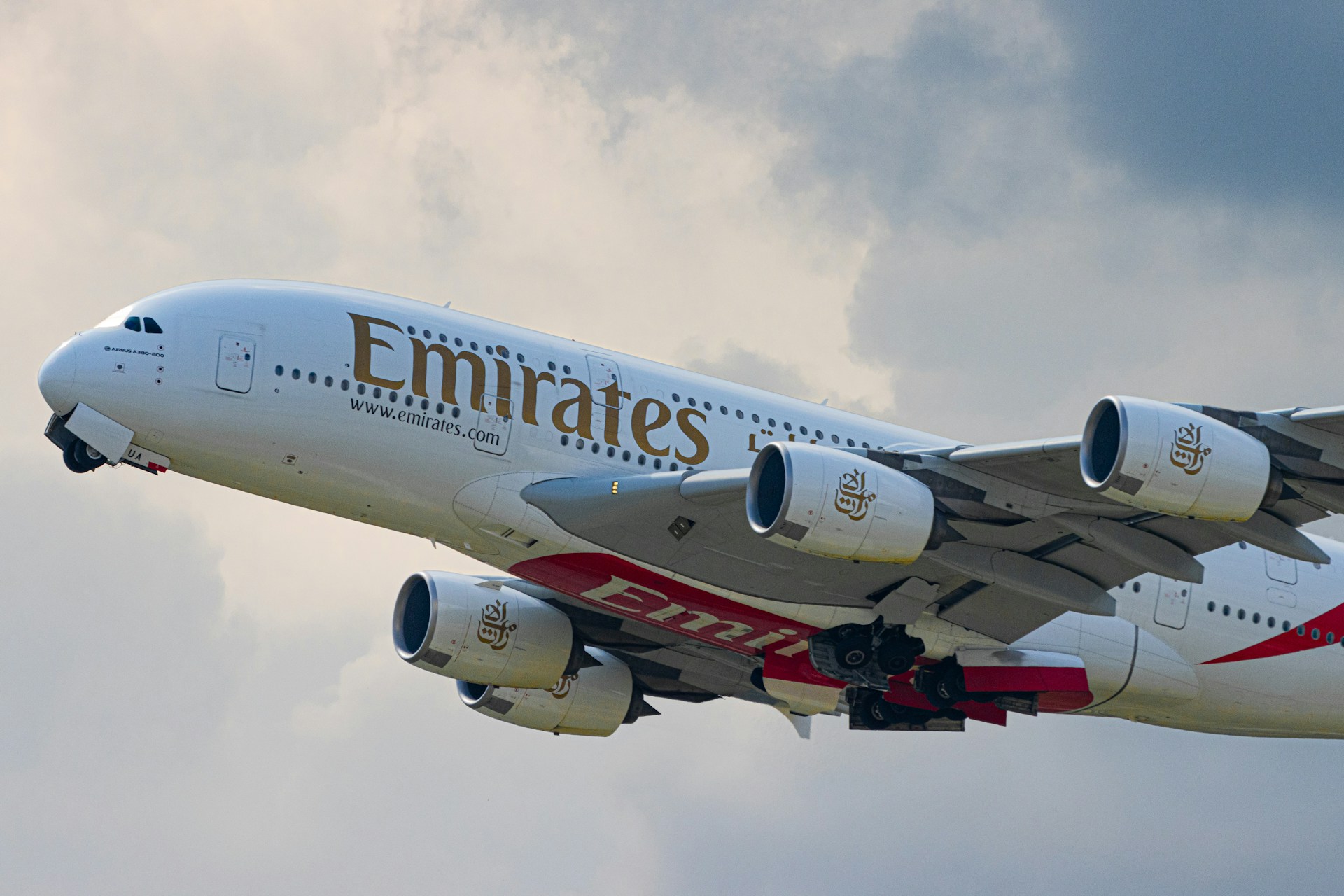
No airline has used football more effectively than Emirates. The Dubai-based carrier has built one of the most recognisable sponsorship portfolios in global sport, with football at its core.
Emirates’ partnership with Arsenal began in 2006 and has since become one of the longest-running shirt sponsorships in Premier League history. The deal evolved from front-of-shirt sponsorship to stadium naming rights, with the Emirates Stadium opening in 2006. Over time, Emirates extended its commitment, with the most recent renewal reportedly worth over £200 million across shirt sponsorship and stadium rights combined.
The value for Emirates is clear. Arsenal delivers global visibility in Europe, Asia, Africa, and North America. Every broadcast, highlight, and shirt sale reinforces the Emirates brand. Arsenal’s global fanbase, estimated at over 100 million supporters worldwide, provides consistent exposure in markets Emirates actively serves.
Beyond Arsenal, Emirates has sponsored Real Madrid, AC Milan, Paris Saint-Germain, Benfica, Olympiacos, and major competitions such as the FA Cup. Its “Fly Better” tagline has become inseparable from elite football branding. According to Emirates’ own disclosures, sport sponsorship is a core pillar of its global marketing strategy, accounting for hundreds of millions annually but delivering brand recognition that would cost significantly more through traditional advertising channels.
Crucially, Emirates targets aspirational travel consumers. Football allows the airline to associate itself with excellence, heritage, and global prestige, values that directly support premium ticket sales and long-haul routes.
Etihad Airways: Using Football to Build a Global Brand from Scratch
Etihad’s football strategy is a masterclass in using sport to accelerate brand recognition. Founded in 2003, Etihad was a relatively unknown airline globally. Football became the fastest route to relevance.
Its partnership with Manchester City began in 2009 and expanded dramatically in 2011 when Etihad secured stadium naming rights, rebranding the City of Manchester Stadium as the Etihad Stadium. The deal was later extended to include shirt sponsorship, training facilities, and global City Football Group activations.
At the time, Manchester City was transforming into a global powerhouse. Etihad effectively grew alongside the club. As City won Premier League titles, domestic cups, and eventually the Champions League, Etihad’s brand visibility scaled with the success.
The airline reportedly pays over £60 million per year for its Manchester City partnership. In return, it gains year-round global exposure, access to City Football Group’s multi-club network, and the ability to activate across multiple markets simultaneously.
Etihad also uses football sponsorship to support Abu Dhabi’s wider tourism strategy. The airline is not only selling flights; it is selling the destination. Matchday hospitality, fan travel packages, and destination marketing are integrated into the partnership.
For Etihad, football has functioned as a credibility engine. Aligning with elite sporting success helped the airline establish trust and familiarity in competitive aviation markets dominated by legacy carriers.
For Etihad, football has functioned as a credibility engine.
Qatar Airways: Football as Soft Power and Global Influence
Qatar Airways’ involvement in football goes beyond commercial logic. It is also geopolitical and reputational.
The airline became a major football sponsor through partnerships with FC Barcelona, Bayern Munich, Paris Saint-Germain, and FIFA. Its most visible activation came through its role as a FIFA partner during the 2022 World Cup in Qatar, where Qatar Airways was omnipresent across broadcasts, stadiums, and global marketing campaigns.
Qatar Airways’ sponsorship of Paris Saint-Germain connected the airline to global superstars, fashion culture, and youth audiences. PSG’s rise as a lifestyle brand aligned perfectly with Qatar Airways’ ambition to be seen as modern, luxurious, and globally connected.
The airline’s sponsorship of Bayern Munich also targeted a different demographic: tradition, consistency, and dominance in Europe’s largest football market. This dual approach allowed Qatar Airways to tailor messaging across regions while maintaining a unified global brand.
For Qatar Airways, football is a tool for soft power. It enhances international perception, supports tourism, and reinforces the country’s position as a global hub. The scale of exposure during major tournaments is unmatched; the 2022 World Cup reached billions of viewers globally, delivering brand impressions that no standalone advertising campaign could replicate.
Why Airlines Keep Winning in Football Sponsorship
Airlines benefit from football sponsorships in ways few other industries can replicate. Football audiences are global, loyal, and emotionally invested. Fans travel for matches, tournaments, and holidays. Many supporters are international, following clubs thousands of miles from their home cities.
Football sponsorship also supports premium positioning. Airlines want to be associated with excellence, reliability, and performance. Elite football clubs provide that narrative.
There is also a practical activation layer. Airlines use football sponsorships to sell travel packages, team flights, fan tours, and destination experiences. Sponsors gain access to corporate hospitality, VIP clients, and B2B networking opportunities on matchdays and at tournaments.
From a media perspective, airline logos on shirts and stadiums offer recurring, non-skippable visibility. Unlike digital ads, they cannot be blocked, skipped, or ignored. Every match delivers hours of exposure across live broadcasts, social media clips, and global highlights.
Unlike digital ads, they cannot be blocked, skipped, or ignored.
The Future of Airlines in Football
Airlines are unlikely to step away from football any time soon. If anything, the next phase will involve deeper digital activation, personalised fan travel experiences, and integration with esports, gaming, and global fan platforms.
As football continues to globalise, airlines remain perfectly positioned to capitalise. They are enablers of the game’s global movement.
In a sport built on international journeys, shared cultures, and global fandom, airlines are not outsiders buying visibility. They are natural partners, carrying the game, its fans, and its commercial power across the world.