
Commercial endorsements are one of the most powerful revenue streams in modern football. For elite players, off-pitch income often surpasses their club salary. For emerging talents, early partnerships can form the foundation of their long-term commercial identity. But while endorsement deals offer enormous upside, they also come with significant fragility. The same visibility that makes a player attractive to brands can quickly become a liability when behaviour, performance or public perception starts to drift away from what the brand expects. Termination clauses exist for a reason: reputational crises move faster than any marketing campaign, and brands will always protect their own public image ahead of an individual athlete.
Termination clauses exist for a reason: reputational crises move faster than any marketing campaign, and brands will always protect their own public image ahead of an individual athlete.
Understanding why deals break down is essential for players, agents, lawyers, image rights companies and commercial managers. The causes follow clear patterns tied to risk management, shifting cultural expectations, brand safety and contractual boundaries that are often far stricter than many players realise.
The Morals Clause: The Silent Power Behind Every Endorsement
Nearly all high-level endorsement contracts include a “morals clause,” allowing brands to immediately terminate the agreement if the athlete brings them into public disrepute. This clause is intentionally vague. What counts as “disrepute” depends on the brand’s tolerance for risk and its sensitivity to public opinion. This means even a relatively small incident, such as an inappropriate comment, a confrontational moment with fans, or a leaked private video, can give a brand justification to walk away.
Modern examples across the industry show how quickly companies act when public sentiment shifts. Endorsements have been dropped before any legal outcome is reached because brands react to reputation, not legal verdicts. Allegations alone can be enough. The principle is simple: brands operate at the speed of social media, where judgment is immediate and global.
Agents often underestimate how broadly these clauses can be applied. A late-night argument caught on camera, an unwise joke posted to social media, or even appearing in an environment that clashes with a brand’s values can all trigger concerns. The morals clause exists to give brands maximum protection in an unpredictable digital landscape.
Doping, Drugs and Integrity Violations: Zero Tolerance Territory
When it comes to doping and drugs, the industry operates with almost no flexibility. Any involvement with performance-enhancing substances, banned recreational drugs or integrity-related offences is seen as an absolute breach. The commercial consequences are swift and severe, even if the player disputes how the substance entered their system.
A doping suspension, whether intentional or accidental, immediately places an athlete outside the acceptable risk profile for most global brands. Even recreational drug incidents, when they lead to official sanctions, tend to be categorised as ethical violations that conflict with key brand messages around health, responsibility and trust.
For brands, these cases are straightforward. They are objective, verifiable and easy for the public to understand. That makes them the most unforgiving category of all.
Social Media Misconduct: The Fastest Route to Public Damage
No era has been more dangerous for endorsements than the age of social media. A single post, video or comment can trigger worldwide backlash within minutes. Players are judged not only on what they post but also on the posts they like, share or appear to endorse.
Examples across sport illustrate the risk. Attempts at humour during sensitive moments have resulted in fines, public criticism and concern among sponsors. Posts that appear discriminatory, aggressive or irresponsible can lead to deals being paused or terminated. Even historic posts, written years before a player became famous, have resurfaced and caused major commercial damage.
This is why many agents now employ social media specialists to monitor players’ online presence and pre-approve content. Maintaining a clean digital footprint is now as essential as maintaining physical performance. One careless post can cost millions and permanently damage a player’s commercial reputation.
One careless post can cost millions and permanently damage a player’s commercial reputation.
Nightlife, Behavioural Scandals and the ‘Role Model Expectation’
Public behaviour does not need to be illegal to carry commercial consequences. A player who is repeatedly photographed on nights out, involved in heated arguments in public or seen behaving recklessly can quickly become a concern for brand partners.
Brands want athletes who reinforce their values such as discipline, integrity, aspiration, lifestyle alignment. A reputation for nightlife or erratic behaviour can weaken a player’s negotiating power and deter new partners. Even if deals are not terminated, the perception of instability can delay or reduce future commercial opportunities.
Players are held to a higher moral standard than most people their age. Fair or not, this is the reality of being a public-facing brand ambassador. Consistency of behaviour, not perfection, but reliability, is key to maintaining sponsor confidence.
Legal Trouble: When Scandal Outweighs Marketability
Allegations of assault, public fights, driving offences, betting violations, tax disputes or any legal investigation create serious reputational risk. Even minor infractions can trigger concern; more serious investigations make partnerships almost untenable.
Brands cannot appear indifferent to legal misconduct. They operate globally, under intense public scrutiny. Even if a case is unresolved, the association alone can be damaging enough for them to pull away or decline to renew agreements. Legal trouble is one of the quickest ways to lose commercial trust.
Exclusivity Breaches: When Wearing the Wrong Brand Becomes a Crisis
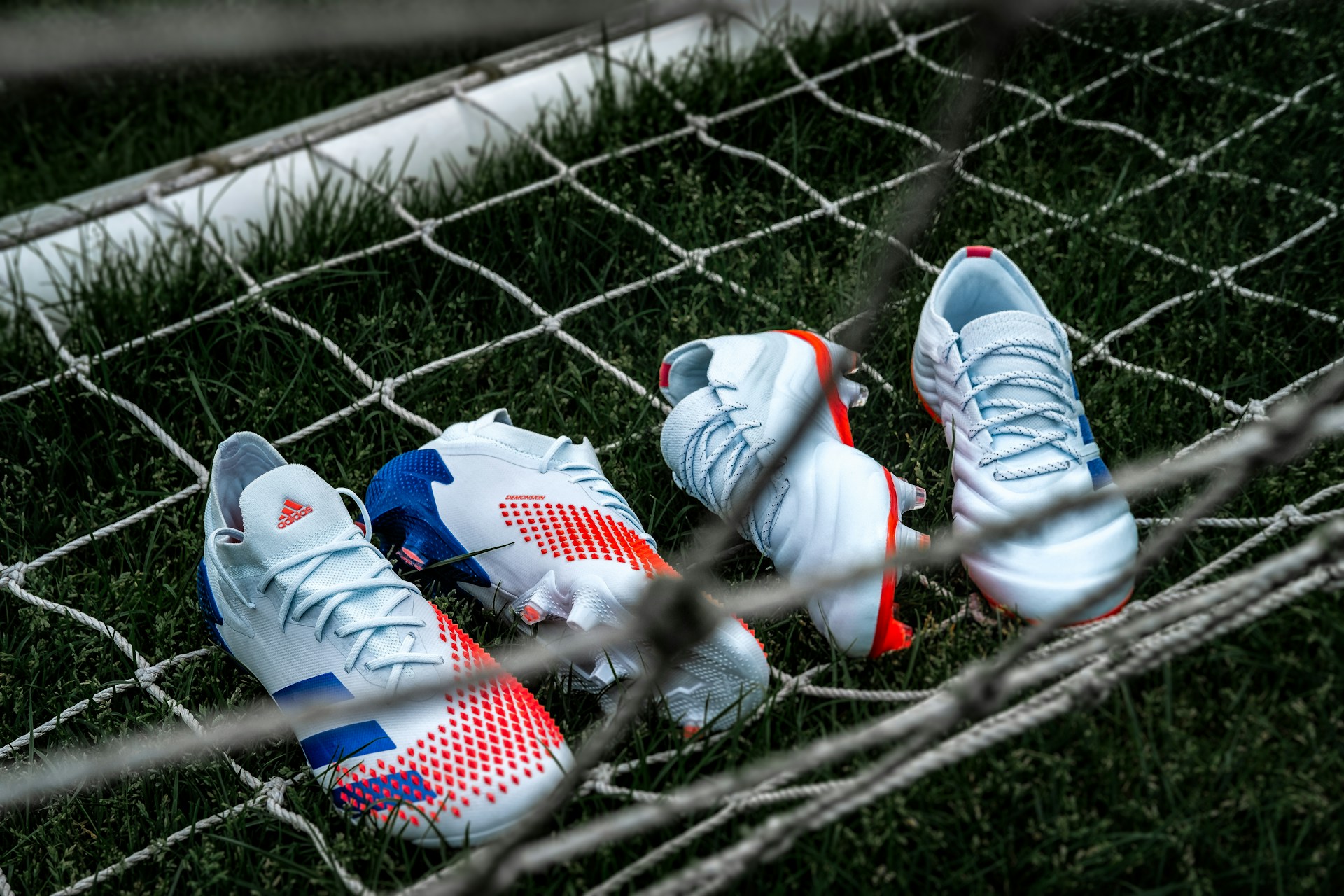
Brand exclusivity is non-negotiable. A player with a boot deal must wear only that boot. A player with a beverage deal must avoid being photographed with a competing product. Fragrance, apparel and equipment endorsements all come with similar restrictions.
Accidental breaches happen more often than people realise, a gifted pair of trainers, a borrowed jacket, a bottle handed to a player after training. Even a single social photo can technically give the brand grounds to terminate.
Agents must educate players on these rules. A simple slip can cost a player the contract, regardless of performance or behaviour in every other aspect of the deal.
Declining Performance and Reduced Relevance: When Visibility Fades
Commercial value relies heavily on cultural relevance. If a player moves to a less visible league, struggles with injuries, loses form, or no longer features in prominent competitions, their endorsement potential naturally declines.
This is not a punishment; it is an economic adjustment. Brands invest in attention, visibility and cultural influence. When those elements decrease, deals may not be renewed or may be scaled back.
In many cases, endorsement deals do not end because of controversy but because the player’s public impact has changed. This is a normal part of the commercial lifecycle.
When the Player’s Image No Longer Aligns With the Brand
As brands evolve, their expectations for ambassadors change. A player’s personal views, lifestyle choices or public persona may eventually fall out of alignment with the company’s values or marketing direction.
A brand shifting toward sustainability may prefer athletes with an environmental focus. A brand targeting younger audiences may seek players who engage creatively on digital platforms. A brand repositioning toward empowerment or wellness may prioritise ambassadors who fit that narrative.
These shifts happen quietly but are a major reason why deals end without controversy or explanation.
The Importance of Proactive Reputation Management
Endorsements do not survive on talent alone. They require ongoing management of behaviour, communication and image. Many athletes now operate with full support teams: PR advisers, social strategists, compliance lawyers and behavioural coaches. The goal is to avoid problems before they start.
This “360-degree brand management” approach reflects how fragile commercial partnerships can be. A single incident can undermine years of reputation-building, and the financial consequences can be significant.
Why Athletes Must Understand the Stakes
When an endorsement collapses, the impact goes far beyond the immediate financial loss. Brands become hesitant, negotiations become more difficult, and the athlete’s overall market value can decline sharply. A damaged commercial reputation is hard to rebuild.
Modern footballers must understand that they are global public brands. Safeguarding that brand is now as essential as staying fit or performing well. Endorsement deals do not fail randomly; they fail when trust and alignment break down. Once that trust is lost, no clause or relationship can easily recover it.
Endorsement deals do not fail randomly; they fail when trust and alignment break down.