

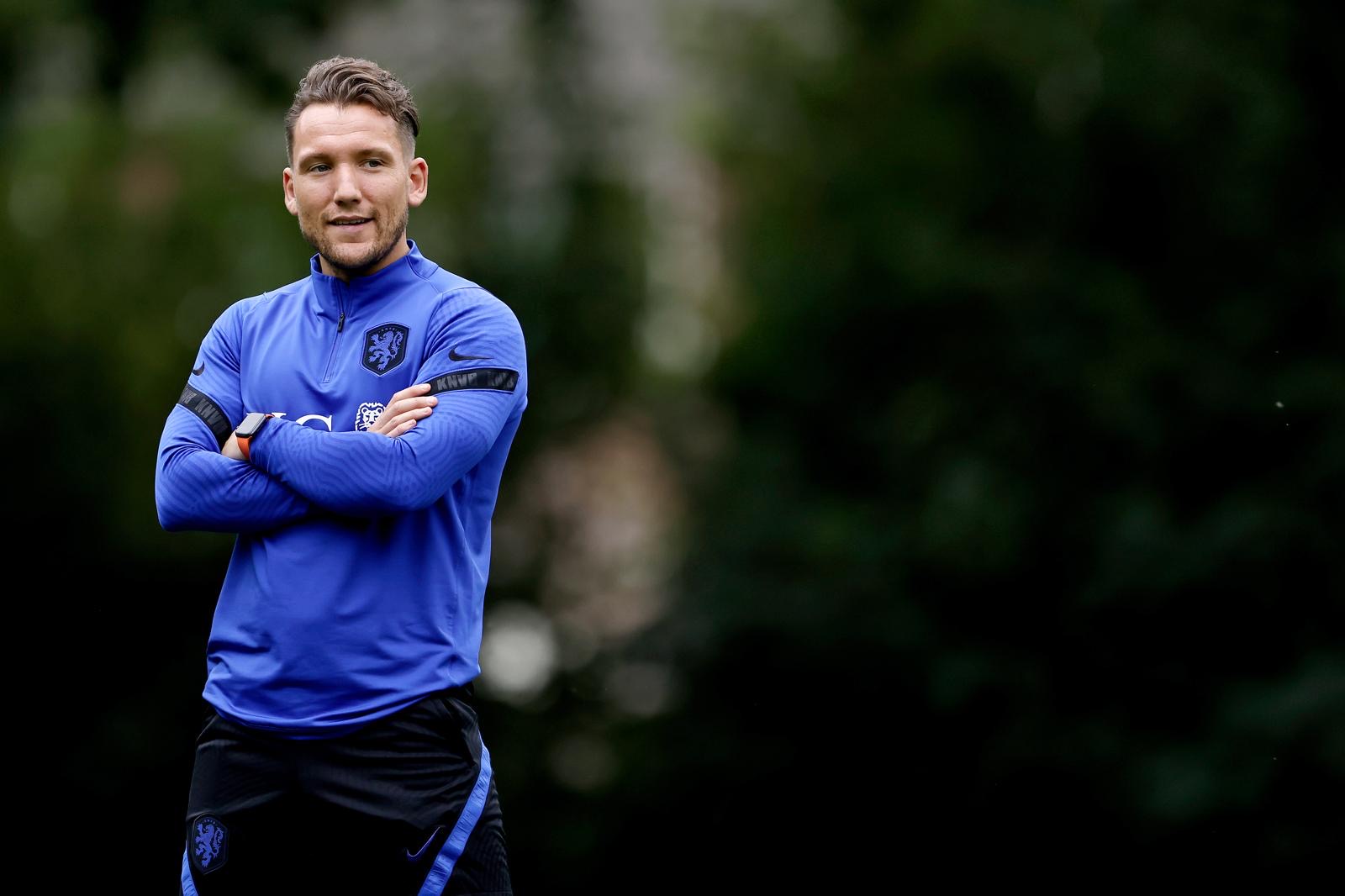
Profile
Role: Head Coach of 1. FC Nürnberg Women
Specialisation: Elite youth development, international football, and professional women’s football
Experience: Royal Dutch Football Association (KNVB), FIFA World Cups, UEFA European Championships, the Olympic Games, and 1. FC Nürnberg Women
Focus Areas: Leadership, culture, high performance environments, player development, communication, and sustainable success
Modern football is no longer defined solely by tactics, talent, or technology. Sustainable success is increasingly built on leadership, culture, and the ability to create environments where people can thrive. Few coaches embody that philosophy more clearly than Thomas Oostendorp, whose journey through elite academies, international football, and the Frauen Bundesliga has been guided by one simple belief: Relationship before Performance. Culture before Tactics.
Relationship before Performance. Culture before Tactics.
Thomas Oostendorp is a Dutch football coach with experience across elite youth development, international football, and professional women’s football. After working with the Royal Dutch Football Association (KNVB) across multiple national teams and competing at FIFA World Cups, UEFA European Championships, and the Olympic Games, he became Head Coach of 1. FC Nürnberg Women, guiding the club back to the Frauen Bundesliga while helping establish a sustainable high performance culture.
Currently completing his UEFA Pro Licence, Oostendorp combines extensive coaching experience with a Master’s degree in Communication Science (specializing in Neuroscience) and Bachelor’s degrees in Entrepreneurship and Sport Science, bringing a modern leadership perspective to football that extends well beyond the pitch.
Key Insights
- Thomas Oostendorp believes sustainable success is built on relationships, culture, and high performance environments.
- His coaching experience spans elite youth development, international football, and professional women’s football.
- He views modern coaching as a leadership role that extends beyond tactics and training sessions.
Our Exclusive Interview with Thomas Oostendorp
Your coaching journey has taken you from elite academies and the Dutch national teams to leading 1. FC Nürnberg back to the Frauen Bundesliga. Looking back, which experiences have shaped your philosophy as a leader the most?
My leadership philosophy can be summarized in one sentence: Relationship before Performance. Culture before Tactics.
Throughout my career, I have learned that football is about much more than systems, training sessions, and match plans. Before you can expect people to perform, you need to build genuine relationships. Players are people first and footballers second. The same applies to staff members. Being a striker, a goalkeeper, or a coach is their profession, but it is not who they are as a person.
Players are people first and footballers second.
Over the years, and especially during my time in Germany, I became even more convinced that culture is the foundation of sustainable success. As coaches, we are responsible for creating an environment where people can thrive, develop, and perform together.
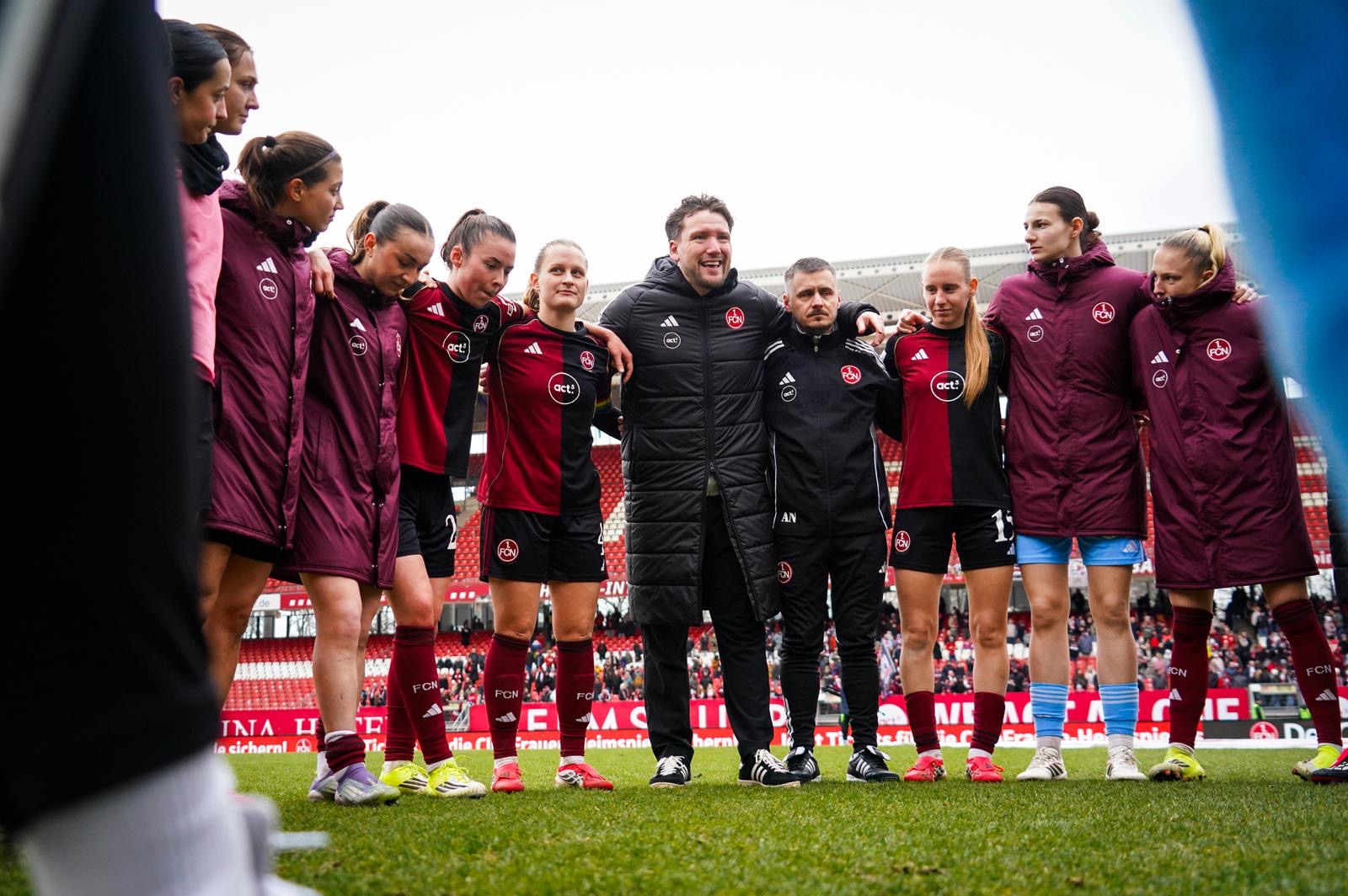
A club has its own culture and identity, but every team also develops its own unique culture. The best environments are created when the values of the club, the staff, and the players overlap and reinforce each other. That is where high performance starts.
You often say, “Relationship before Performance. Culture before Tactics.” Why do you believe culture has become the true competitive advantage in modern football?
Football has never had more information available than it does today. Clubs have access to data, video analysis, tactical insights, sports science, and technology. In reality, most professional clubs have access to very similar knowledge.
The difference is no longer who has the most information. The difference is how well people work together.
Of course, you need a clear way of working, a strong game model, and good preparation. But none of that matters if people do not trust each other, believe in each other, and commit themselves to the collective objective.
Culture creates the willingness to fight for one another, to overcome setbacks together, and to consistently execute the game plan under pressure. That is why I believe culture has become one of the biggest competitive advantages in modern football.
Tactics can help you win a match. Culture helps you build sustained success.
Tactics can help you win a match. Culture helps you build sustained success.
Working with both elite youth players and senior professionals gives you a unique perspective. What changes most when developing talent compared to leading a first team?
The biggest difference is the balance between long term development and short term performance.
When I worked with youth teams, development was always the primary objective. The focus was on helping players grow over an entire season or even multiple years. Every decision was made with their future potential in mind.
In first team football, development remains important, but there is an additional reality. Results matter every week. You are competing for points, league positions, promotion, survival, and the ambitions of the entire club.
As a coach, you therefore need to combine both perspectives. You still want to improve individual players because better players ultimately create a better team. At the same time, you must make decisions that maximize performance in the short term.
Perhaps I have become slightly less romantic as a coach. My football heart loves attacking football and creative players, but at the highest level balance is essential. Sometimes you have to make pragmatic decisions to give the team the best chance of succeeding. Finding that balance between development and performance is one of the biggest challenges of first team coaching.
During your time with the Dutch national teams, you worked across several age groups and international tournaments. What did those experiences teach you about identifying players capable of succeeding at the highest level?
Working at European Championships and World Cups allowed me to observe players from different cultures, football philosophies, and development pathways. It was fascinating to see how players evolve and what ultimately separates those who reach the highest level from those who do not.
For me, there are several key factors.
First, players need to stay healthy, both physically and mentally. Talent cannot develop if a player is constantly dealing with injuries or struggles to cope with pressure and setbacks.
Second, physical potential matters. Speed, athleticism, strength development, and, in some positions, even height are important factors in the modern game.
Third, players need strong technical and tactical qualities and the ability to solve football problems. They must understand the game and make good decisions under pressure.
Fourth, personality is crucial. The players who continue to improve usually have a growth mindset. They are willing to learn, embrace feedback, and remain resilient when things become difficult.
Finally, I often see three broad player profiles: leaders, team players, and individualists. Successful players understand their own strengths and know how to contribute within a team environment.
Promotion is often seen as the final objective, but building a sustainable high performance environment is far more difficult. What were the most important leadership decisions behind Nürnberg’s promotion?
The story actually started before promotion.
When I joined Nürnberg, the club had just been promoted to the Bundesliga. The ambition was not simply to get promoted again one day, but to establish ourselves as a sustainable Bundesliga club.
In our first season, we were relegated by a small margin. In the second season, we achieved promotion. In the third season, we successfully stayed in the Bundesliga. Looking back, becoming a stable Bundesliga club is the achievement I am most proud of.
The foundation was a high performance culture built on ownership and autonomy. Players and staff had to take responsibility for their own development and contribute to the collective goals of the team.
At the same time, the club invested heavily in professionalising the environment. The difference between the facilities and structures when I arrived and when I left was enormous. To give one example, in my first pre season we played a friendly against a local amateur club on an artificial pitch. In my final pre season we travelled to Lyon to play one of the biggest clubs in women’s football.
Success was the result of many people working towards the same objective. The club improved its structures, the staff created clarity, and the players embraced a clear playing identity. Most importantly, we developed players in a way that ensured they were capable not only of achieving promotion, but also of competing successfully in the Bundesliga afterwards.
Modern coaches are expected to lead far more than training sessions. How has the role of the head coach evolved over the past decade, and which skills have become indispensable today?
The role of the head coach has changed dramatically.
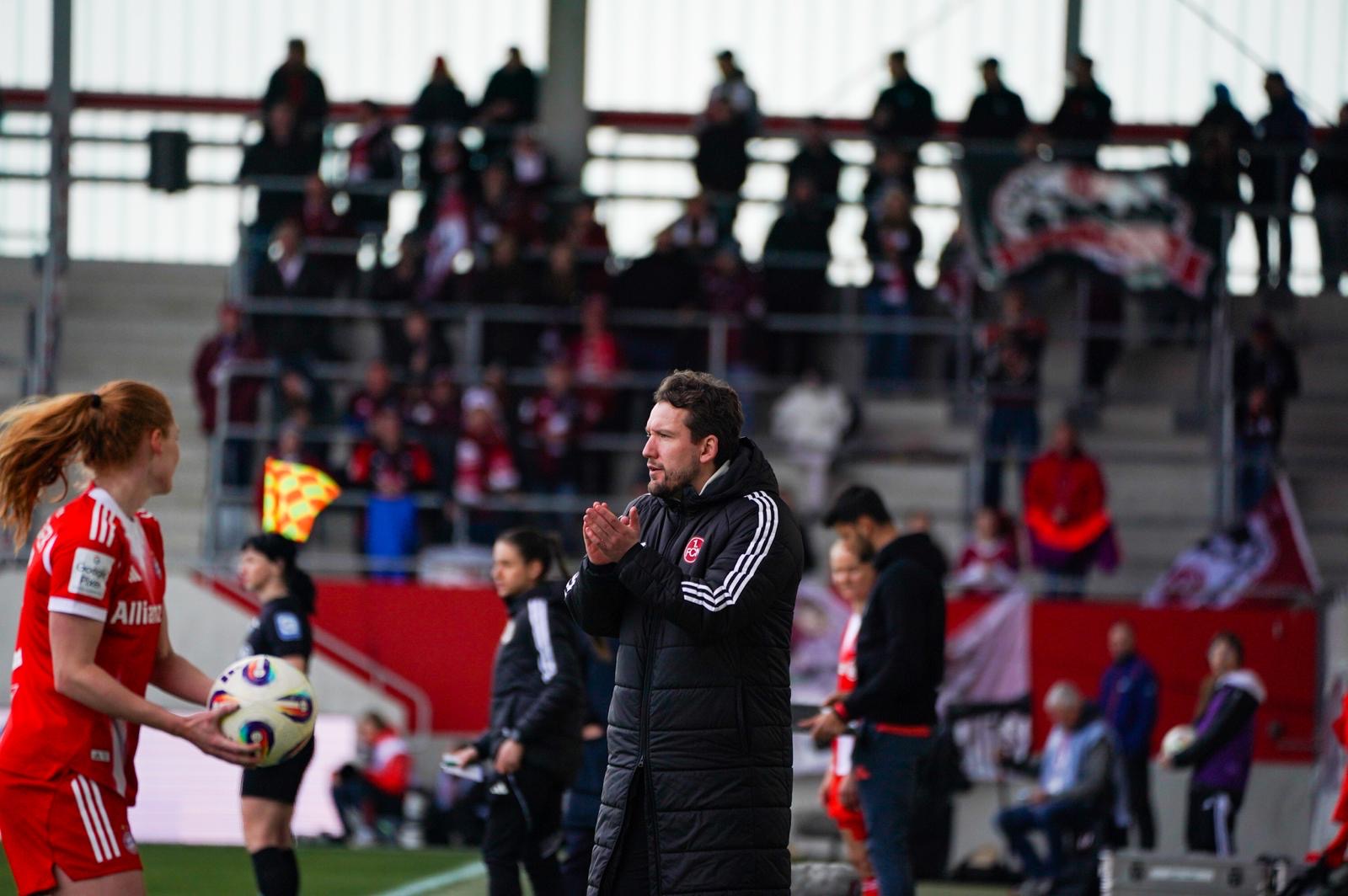
Today, a head coach is much closer to a manager or even a CEO than many people realize. Of course, football knowledge remains important, but leading a professional environment now requires much more than designing training sessions or preparing tactics.
You are responsible for the quality of the entire performance environment. You manage staff, support player development, challenge the club to improve, and ensure that everyone is aligned around a common vision.
One of the most important skills today is the ability to build and develop a strong team around you. No coach succeeds alone. The best coaches create an environment where talented people can contribute, challenge each other, and continuously raise standards.
Ultimately, leadership has become just as important as football expertise.
Ultimately, leadership has become just as important as football expertise.
Many clubs invest heavily in tactics and recruitment, yet culture often determines long term success. How do you intentionally build ownership, accountability, and trust within a squad?
Culture starts with people.
One of the first things I look at is the composition of the squad. Every team needs a balance between leaders, team players, and individualists. Too many of one profile can create challenges. The right mix creates stability and growth.
Ownership begins by giving people responsibility. However, accountability is not simply giving someone a task and hoping for the best. You give responsibility, follow up, provide support, challenge performance, and then return ownership to the individual.
Players must understand that they are ultimately responsible for their own development. Coaches can provide guidance, expertise, and support, but the player must take ownership of the process.
A strong growth mindset is also essential. We constantly reinforce the belief that improvement is possible. If you train better, recover better, learn more, and reflect more consistently than your competitors, you increase your chances of improving faster than they do.
Trust, accountability, and ownership are not built through speeches. They are built through consistent daily behaviour.
Your academic background includes Communication Science, Business Administration, and Entrepreneurship alongside your football education. How have those disciplines influenced the way you manage people and organisations?
My academic background has had a significant influence on the way I lead.
My Master’s degree in Communication Science, with a strong focus on neuroscience, helped me better understand how people learn, develop, and make decisions. It reinforced my belief that autonomy is one of the most important foundations for both high performing teams and high performing staff groups.
My studies in entrepreneurship also shaped my thinking. Successful organisations are often driven by people who take ownership, embrace responsibility, and continuously look for opportunities to improve. Those principles apply just as much in football as they do in business.
Another important lesson is the value of critical thinking. In modern football, data is everywhere. However, data itself does not provide answers. What matters is how you interpret it, which questions you ask, and which patterns you identify. Understanding context is often more valuable than simply collecting information.
Women’s football continues to professionalise rapidly across Europe. Which developments excite you the most, and where do you believe clubs still have the greatest opportunity to improve?
The continued professionalisation of women’s football is incredibly exciting.
More clubs are investing in facilities, support services, coaching, and performance environments that allow players to focus fully on football. This has significantly increased the quality of the game and created better opportunities for players to reach their potential.
The next major step is strengthening player development pathways.
If we want the top level to continue improving, we need to create larger and stronger talent pools at the bottom of the pyramid. More young players need access to quality coaching, facilities, and competitive environments from an early age.
The broader and stronger the foundation becomes, the higher the level at the top will ultimately be.
As you continue your UEFA Pro Licence journey, what kind of leader do you hope players, staff, and clubs will describe you as ten years from now?
I hope people will describe me first as a good person and then as a good coach.
My philosophy remains the same: Relationship before Performance. Culture before Tactics.
I do not believe great coaching can be separated from being a good human being. That does not mean always being nice or avoiding difficult conversations. Leadership requires tough decisions. Sometimes you need to challenge people, push them beyond their comfort zone, and demand more from them than they thought possible. But those actions should always come from a place of care, honesty, and genuine belief in someone’s potential.
If players, staff, and clubs look back in ten years and say that I helped them grow, challenged them to become better, and treated them with respect throughout that process, I would be very proud of that legacy.
FAQ
Who is Thomas Oostendorp?
Thomas Oostendorp is a Dutch football coach with experience across elite youth development, international football, and professional women’s football.
What is Thomas Oostendorp’s coaching philosophy?
My leadership philosophy can be summarized in one sentence: Relationship before Performance. Culture before Tactics.
Which club did Thomas Oostendorp coach in the Frauen Bundesliga?
After working with the Royal Dutch Football Association (KNVB) across multiple national teams and competing at FIFA World Cups, UEFA European Championships, and the Olympic Games, he became Head Coach of 1. FC Nürnberg Women, guiding the club back to the Frauen Bundesliga while helping establish a sustainable high performance culture.