

The commercial landscape of football has fundamentally shifted. A decade ago, brand partnerships in the sport were dominated almost exclusively by players, especially those competing at the highest levels. The logic was simple: elite athletes had the visibility, the global fanbases, and the cultural influence that brands wanted to attach themselves to.
But the rise of football content creators has re-shaped the hierarchy of influence. Today, players are not only competing with each other for sponsorship opportunities, they are also competing with digital-first personalities whose audiences are often larger, more engaged, and more targeted than many professional athletes.
But the rise of football content creators has re-shaped the hierarchy of influence.
This shift has changed how footballers must think about personal branding, social media presence, and commercial positioning.
The Rise of Football Content Personalities
Creators like Ben Black, The F2 Freestylers, Chunkz, ChrisMD, and Hashtag United have built careers not from playing professionally at the highest level, but from capturing attention online. Their value lies in:
- Consistent, high-performing content
- Direct relationships with audiences
- Storytelling that feels personal and relatable
- Control over their image and output
Brands have taken notice.
For example:
- The F2 Freestylers have partnered with Adidas, Beko, and EA Sports, producing global advertising content featuring their signature skills. At their peak, they were delivering engagement figures that even top Premier League players could not match.
- Ben Black has become one of the most visible football creators by documenting challenge-style content and lifestyle moments, landing campaigns with Nike and JD Sports.
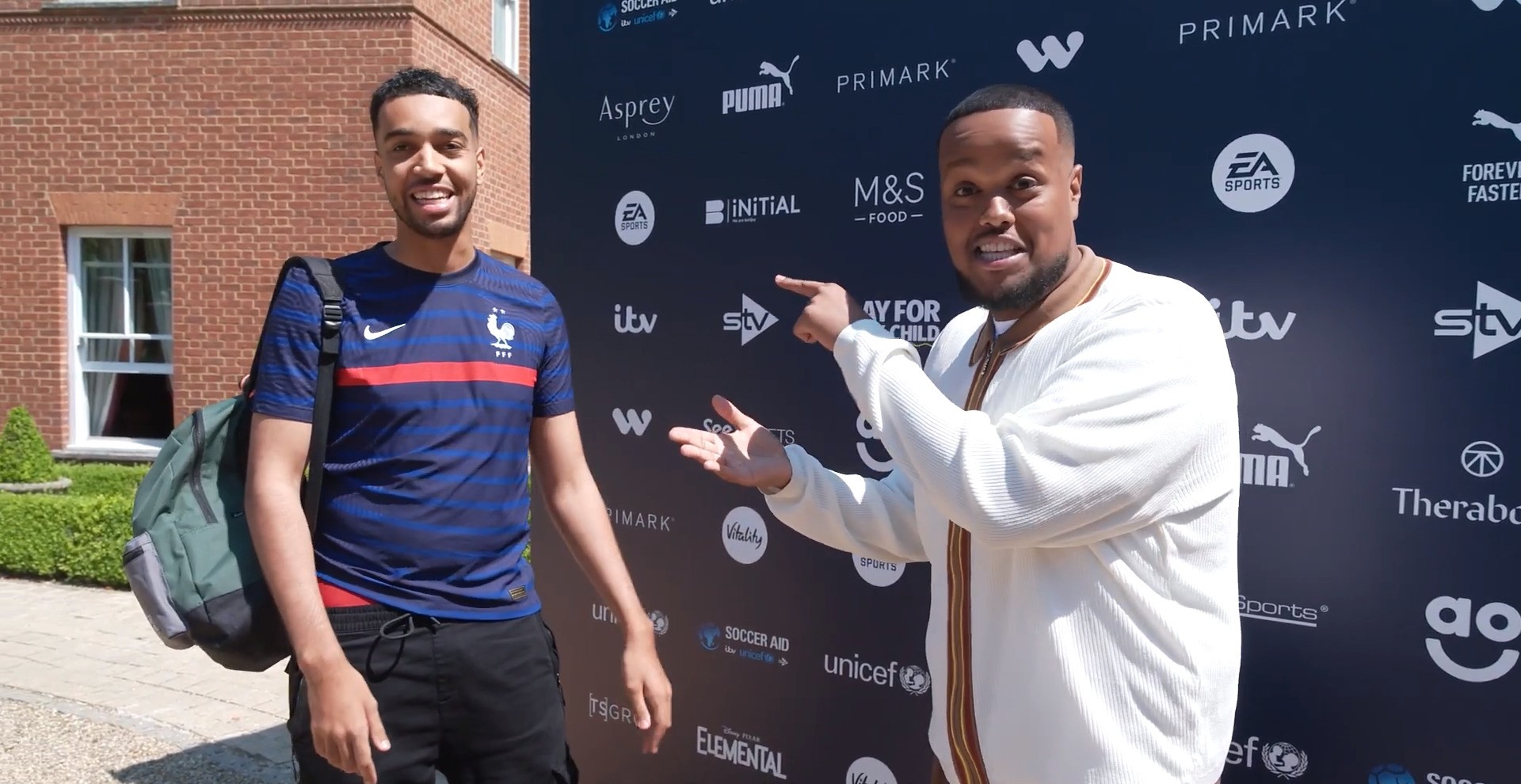
- Chunkz has hosted events with the FA, Soccer Aid, YouTube Football events, and brand-sponsored tournaments because their personalities drive audience connection.
These creators offer something that most traditional athletes haven’t historically been expected to deliver: regular viral content.
And brands value attention almost as much as athletic excellence.
And brands value attention almost as much as athletic excellence.
Why Brands Now Look Beyond Just Elite Players
Brands are responding to how football fandom has changed.
Young audiences consume highlights, behind-the-scenes footage, personality-driven storytelling, and mobile-first content more than full 90-minute matches. The influencers who thrive in this space have mastered delivering that kind of media, fast, frequent, and audience-led.
This means for brands:
- Attention > Status
- Engagement > Fame
- Community > Traditional celebrity
A player may have 10 million followers, but if they rarely post, or post in a way that feels corporate or disconnected, the value decreases. A creator with 800,000 followers might deliver higher watch time, stronger comments, better fan loyalty, and greater return on sponsor investment.
Commercial success has moved from who you are to how your audience reacts to you.
What This Means for Professional Footballers
Footballers today cannot rely solely on match performances to build commercial value. They need:
- A visible personal brand
- Consistent content output
- A distinct narrative or identity
- Two-way engagement with fans
This shift does not mean every player needs to dance on TikTok or create extravagant skits. It means players need to:
- Show personality, not only athletic performance
- Share life away from the pitch
- Build long-term storylines (family, training, recovery, passion projects)
- Work directly with content teams or agencies
- Treat social media as a strategic business tool, not an afterthought
Some have already adapted well:
- Bukayo Saka posts clean, consistent lifestyle storytelling.
- Trent Alexander-Arnold has built a modern identity around creativity, fashion, and entrepreneurial culture.
- Raheem Sterling’s off-pitch communication has shifted his public perception and brand equity.
- Alisha Lehmann has built one of the most-followed profiles in women’s football, translating visibility into global sponsor appeal.
These players understand that performance builds credibility, but content builds audience.
These players understand that performance builds credibility, but content builds audience.
The Role of Agents and Representation
Agents and brand teams now need to think more like media strategists than transaction negotiators.
That means:
- Building partnership roadmaps, not just taking offers
- Developing content strategies alongside sponsorships
- Understanding platform algorithms and audience trends
- Positioning players in cultural spaces (fashion, gaming, music, community)
- Encouraging consistent, sustainable visibility
The best commercial agencies today are those that operate like production studios and storytelling labs.
The New Commercial Reality
Football endorsement value now sits at the intersection of:
- Sporting performance
- Personality-driven storytelling
- Cultural resonance
- Digital influence
Professional footballers are still powerful brand partners, but visibility is no longer guaranteed just because they are on the pitch. They are competing with creators who wake up every day thinking about how to capture attention, and brands care deeply about attention.
The players who embrace this change will lead the next generation of football branding.
The ones who ignore it will find themselves overshadowed, not by better footballers, but by sharper storytellers.