
Profile
Role: Founder of Women’s Football Industry and host of “The Sports Career Podcast”
Specialisation: Career development initiatives, industry events, networking opportunities, and thought leadership
Experience: Global sports industry, women’s football, podcasting, industry events, and more than 400 sports leader interviews
Focus Areas: Women’s football, equal opportunity, leadership, career development, digital media, and long-term growth of the sport
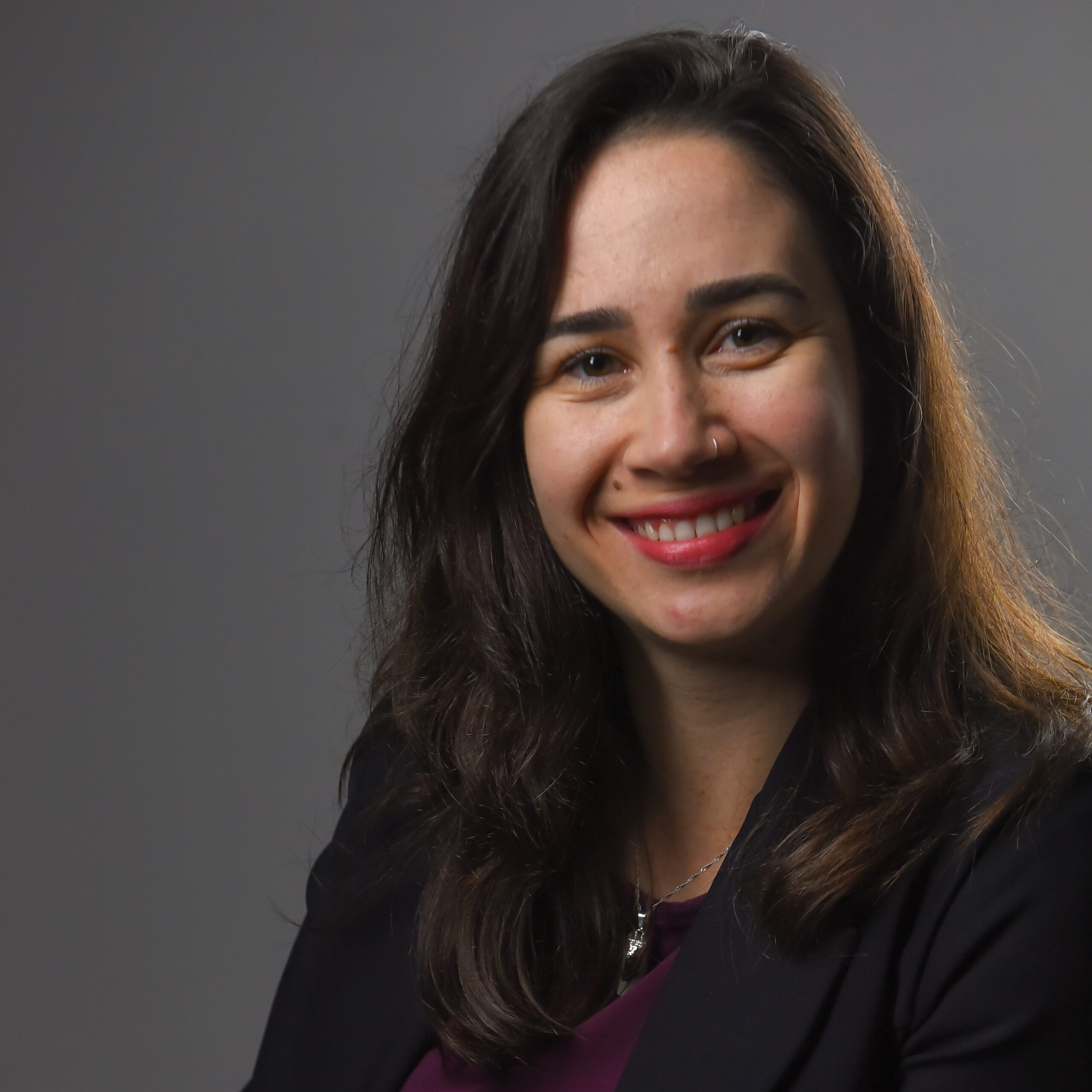
For anyone building a career in women’s football, Ed Bowers is a familiar name. Through Women’s Football Industry and “The Sports Career Podcast”, he has created a platform where industry leaders share insights, professionals build connections, and the business of the women’s game takes centre stage. In this interview, Ed shares the experiences, ideas, and mindset that have shaped his career, along with his perspective on the future of the industry.
As the founder of Women’s Football Industry and host of “The Sports Career Podcast”, Ed Bowers has dedicated his work to supporting the people behind the game. Through career development initiatives, industry events, networking opportunities, and thought leadership, he has helped create a stronger and more connected global community for professionals working in women’s football. His commitment to leadership, equal opportunity, and the long-term growth of the sport has made him one of the most respected voices in the industry.
Key Insights
- Ed Bowers has used The Sports Career Podcast to educate, share stories, and support equal opportunity across sport.
- His work highlights the importance of long-term career thinking, collaboration, leadership, and authentic storytelling in women’s football.
- He believes the future of women’s football depends on sustainable growth, stronger pathways, and investment beyond major tournaments.
Our Exclusive Interview with Ed Bowers
Your platform, The Sports Career Podcast, has covered the global sports industry for a decade. When did you realize women’s football was the space where you wanted to make the biggest impact?
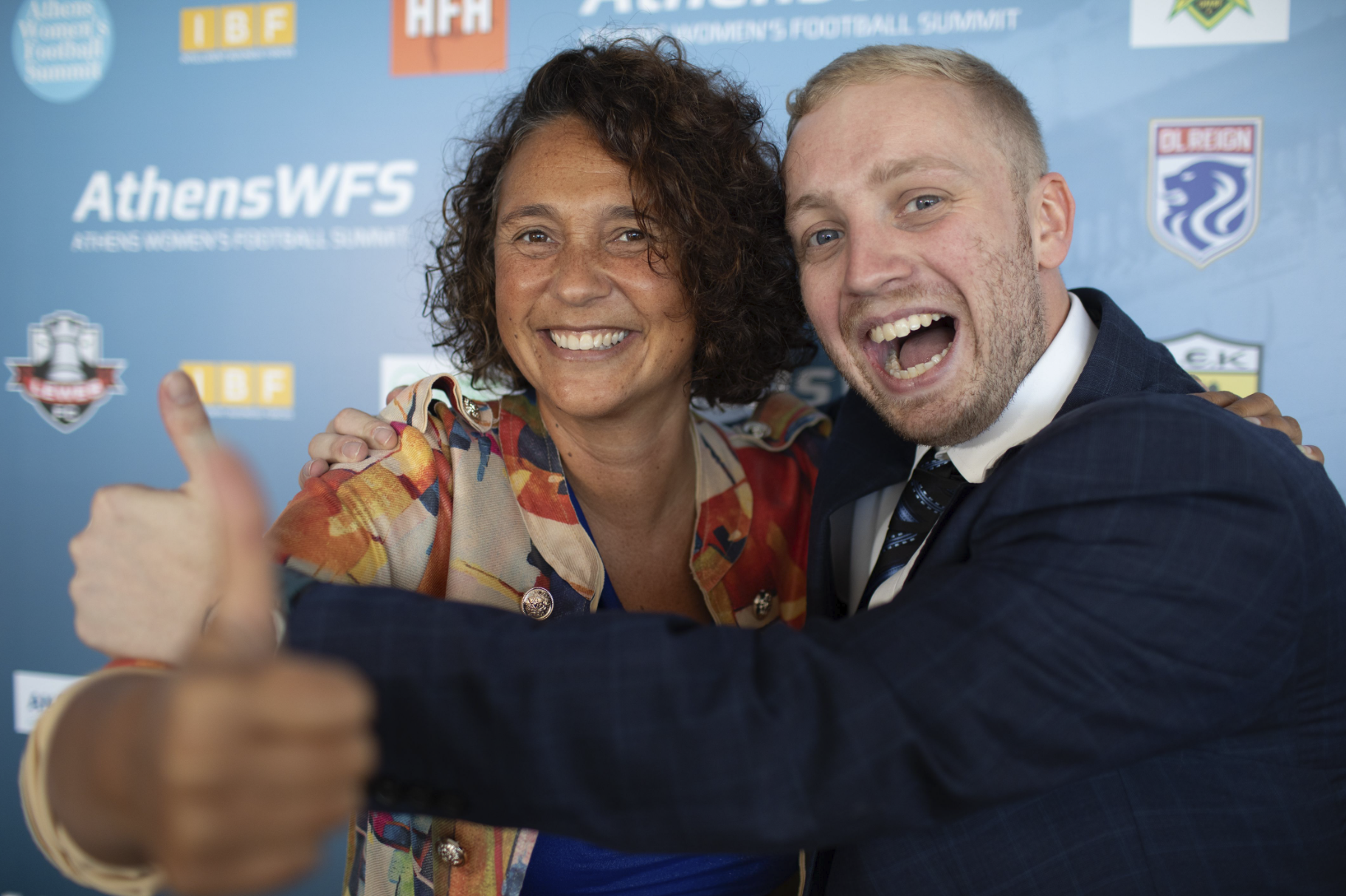
It goes back to one specific moment at the Athens Women’s Football Summit in 2019. I was there as a moderator, young kid on the block, no beard, young podcaster, sitting next to my dear friend Jim Gooley, when a male journalist asked Ebru Koksal on stage:
“How can women add value in the boardroom?”
The room lit up with anger and frustration.
I turned to Jim and said: “Do you realize this week Elon Musk has launched a rocket to Mars and we have not solved this problem in the boardroom?”
That moment opened my eyes completely. But it wasn’t just the question, it was the collective reaction. If that eruption hadn’t happened, I might have brushed it off. Instead, it set in motion what I can only describe as a secret mission. From that point, I made a quiet commitment to use the podcast as a tool to educate and change the narrative, to show the world that working in sport is for everyone. Not interviewing guests for their gender, but for their expertise, knowledge, and passion. Using every episode as storytelling that shifts how the sports industry sees itself.
Using every episode as storytelling that shifts how the sports industry sees itself.
Ten years on, I’m prouder of one thing than reaching 400 episodes. The Sports Career Podcast has an equal split of male and female guests. That is the real milestone. The mission made visible. What Ebru taught me in Athens was the importance of equal access, not representation as a headline, but genuinely equal opportunity for everyone, from entry level all the way to leadership. That became the fourth pillar of my podcast’s purpose, and the one I hold closest. As Jim Gooley once said, with fifty years of wisdom in women’s football behind him: “Nations of the world reveal their greatest strength when they cheer for women.” That says it all.
But perhaps the moment that truly crystallized what it means to be a male ally came when I met Hope Powell CBE in the Royal Box at Wembley. I asked her directly: “How can I be a better male ally in women’s football?”
Her response has never left me. “Continue being an ally by making the right choices and decisions to grow the right way, and for the right reasons to support the women’s game.” Not a grand gesture. Not a campaign. A commitment to consistent, purposeful, values-driven action. Day after day. Episode after episode. Choice after choice.
You spent six years leading the Athens Women’s Football Summit. How did that experience influence the way you see the future of women’s football today?
Walking into the Athens Women’s Football Summit in 2019 changed the course of my career. At the time, I had recorded 85 podcast episodes and was moderating my very first panel. I quickly realized I had found something I genuinely loved: creating conversations, giving people a platform, and helping their stories be heard. One of my earliest lessons came from 2002 World Cup Winner, Gilberto Silva, who told me, “Leadership is about being a leader without the armband.” That simple idea has shaped how I’ve approached every panel, podcast, and professional opportunity since.
Over the next six years, I had the privilege of moderating conversations with some of the most influential people in the women’s game. One that stands out was Rachel Pavlou’s session on the UEFA Women’s EURO 2022 Legacy Programme, demonstrating how football can create lasting social impact. It reinforced my belief that the growth of women’s football extends far beyond what happens on the pitch. Looking back, what inspires me most is seeing how many of the people I met in Athens have gone on to become leaders driving meaningful change across the game. They were already shaping the future then; they simply needed the platform to share their ideas.
That’s what the Summit taught me: the future of women’s football won’t be built by outsiders. It will be built by the people already dedicating their lives to the game. They need opportunities, investment, and trust. Athens gave me that perspective, and it’s one I’ve carried into every episode of The Sports Career Podcast ever since.
That’s what the Summit taught me: the future of women’s football won’t be built by outsiders.
After interviewing more than 400 sports leaders, what common mindset have you noticed among professionals who build successful long-term careers in sport, and what are the most common struggles people face staying in the industry?
The people who last in this industry treat their career as a long game. They invest in relationships before they need them. They stay curious about parts of the industry beyond their immediate role. And they’re comfortable being useful long before they’re recognized.
The challenge I see most often is people underestimating how transferable their skills really are, particularly women transitioning from playing careers who don’t yet see themselves as the commercial or leadership asset they genuinely are. I’ve had that conversation more times than I can count. It never gets less important.
Two people have shaped how I think about this more than most. The first is Mary Kok-Willemsen. I remember her being one of the standout voices at the 2019 Athens Women’s Football Summit, her passion, her experience, the energy she brought into that room. I had the privilege of interviewing her there, Greek iced coffee in hand, and something she said has never left me. Always have a true north star. Keep showing up when the limelight is not on you. A few years later, she turned to me in a taxi and said simply: keep going, don’t quit. And three weeks ago, she left a comment on my tenth anniversary post that I’ll carry with me for a long time: “Congratulations @edbowers101 — what an example of playing the long-term game while showing up daily.” Not for the praise itself, but for what it represented. I had taken her advice and actually lived it. Day after day, episode after episode, for a decade.
The second is Jeff Mostyn. I first connected with Jeff through the Athens Women’s Football Summit 2023, and what followed became one of the most valuable professional relationships of my career. Working alongside him on his book, The Chairman, refined my communication skills in ways I hadn’t anticipated, and introduced me to a mantra from his father that I now carry daily. Three rules in life: work hard, work hard, and work hard. No shortcuts. No substitute. Just the work, done consistently, over time.
That work led to something I’ll never forget. I wrote down a goal, that The Chairman would be shortlisted for Football Book of the Year at the Sports Book Awards. I didn’t think it or hope it. I wrote it. And it happened. Working in sport is about going the distance. The Sports Career Podcast exists to support others on that journey, because it has supported me more than most people will ever know.
Women’s football is growing rapidly, but growth is different in every region. Which countries or markets do you believe are setting the best example right now?
When people talk about growth in women’s football, the conversation often defaults to the US and England, and for good reason. The investment, infrastructure, and post-Euros momentum in England have been extraordinary. But focusing only on these markets misses how global and diverse the game has become.
One of the most powerful examples for me is Nigeria. I had the privilege of speaking with Rasheedat Ajibade OON and Ashleigh Plumptre OON, and what stood out wasn’t just their talent, but their leadership and sense of purpose. Winning the Women’s Africa Cup of Nations, their tenth title was historic, but what stayed with me most was their mindset: “Mission X”, a shared mission to inspire the next generation of girls across Nigeria and the continent. That reflects something bigger about the global game. These are not “emerging” teams waiting to catch up, they are already world-class in ambition, competitiveness, and identity. At the last Women’s World Cup, England’s Millie Bright also described Nigeria as one of the toughest opponents they faced, which says a lot about how far the level has risen.
What’s clear to me is that growth is no longer concentrated in a few traditional markets. Across Africa, and in countries like Nigeria, Morocco, and Algeria, there is an extraordinary level of passion, talent, and professionalism that the global game still hasn’t fully invested in. The opportunity now is not just to watch this growth, but to properly platform it. That’s where I see the role of my work: helping ensure these stories, players, and cultures are seen and valued on a global stage.
Looking ahead to events like the FIFA Women’s World Cup Brazil 2027, what opportunities do you think the industry should maximize beyond the tournament itself?
Tournaments like the FIFA Women’s World Cup Brazil 2027™ are powerful moments, but their real value lies in what is built before and after them. The opportunity is to use the tournament as a catalyst for long-term development, stronger talent pathways, better media infrastructure, and commercial partnerships that extend beyond a single cycle. Too often, the industry focuses on short-term visibility. What will matter most in 2027 is whether the visibility translates into sustainable growth. That means investing in systems that keep storytelling and engagement alive year-round, not just during major events. Digital media, podcasts, and platforms that consistently amplify the game have a key role in that.
A strong example of this mindset is Nigeria’s “Mission X”, a team-led narrative that wasn’t created for a tournament, but for a long-term purpose: to inspire the next generation. That approach shows how legacy is built in real time, not retrospectively. Commercial growth will always be essential, but the defining impact of Brazil 2027 won’t just come from sponsorships or revenue. It will come from stories, the human experiences that connect people to the game. That’s what drives emotion, engagement, and ultimately long-term investment. And Brazil is the perfect stage for that. Football there isn’t just a sport; it’s part of identity and culture. That environment creates the conditions for stories that can travel far beyond the tournament itself. For me, the goal is to be ready to capture those moments, not just the results, but the narratives that will shape the next era of the women’s game.
After interviewing professionals from so many different roles and backgrounds, what have you learned about the balance between collaboration and competition in women’s football?
One of the biggest lessons I’ve learned is that collaboration and competition aren’t opposites, they’re complementary. Women’s football has grown because clubs, federations, and individuals have been willing to share knowledge and work together. The challenge now is preserving that culture as the commercial stakes continue to rise.
Healthy competition is also essential. Strong rivalries create excitement, attract fans, and generate the energy that drives the business of football. The best competitions succeed because the stories on the pitch are supported by collaboration behind the scenes between clubs, leagues, broadcasters, sponsors, and governing bodies. I’ve seen this dynamic in other sports as well. During my university research on boxing, I learned that a great event depends not only on two outstanding athletes competing, but also on promoters, broadcasters, venues, and many others working together to make it successful. The same principle applies to football.
For women’s football to continue growing, the ecosystem has to work for everyone. Build compelling rivalries, tell authentic stories, create memorable moments, and make sure the commercial value created benefits the people investing in the game. That’s the balance I see across the industry: compete fiercely on the pitch, collaborate generously off it. Together, those two forces are what drive sustainable growth.
That’s the balance I see across the industry: compete fiercely on the pitch, collaborate generously off it.
What role do podcasts and digital media now play in educating the next generation of sports professionals?
Podcasts and digital media have democratized access to the sports industry in a way that simply wasn’t possible before. That’s actually why I started The Sports Career Podcast. In 2016, walking home from the train station, I had one simple idea: I wanted to learn from people working in sport and help others do the same. A year later, I saw the podcast had reached listeners in 60 countries. That was the moment I realized podcasting wasn’t just content, it was education. Today, anyone with an internet connection can learn directly from industry leaders, regardless of where they live or whether they have an existing network.
From the beginning, the podcast has had a clear purpose: to showcase the many career paths in sport, explain how the industry works, share practical insights from experienced professionals, provide actionable career advice, and demonstrate that sport is an industry where everyone should have the opportunity to succeed.
Representation is a vital part of that mission. When a young listener hears leaders like Rasheedat Ajibade OON or Ashleigh Plumptre OON sharing their journeys, they’re not just listening to a story, they’re seeing what’s possible for themselves. Most importantly, none of this happens without the guests. Every episode exists because someone was willing to share their knowledge and experience. I’m incredibly grateful to every guest who has trusted me with their story over the past ten years. Their generosity is what has made the podcast a genuine educational resource for the next generation of sports professionals.
Through the podcast, you’ve spoken with some of the most respected voices in sport. For athletes transitioning into business or leadership roles, how important is personal branding today?
Personal branding is more important than ever, but it’s also something I’m still learning about myself. After speaking with hundreds of leaders across sport, one lesson stands out: the strongest personal brands are built on a clear sense of identity. Careers evolve, roles change, but people remember who you are and what you stand for.
This is especially important for athletes transitioning into business or leadership. One of my earliest podcast guests, John Amaechi OBE, shared an insight that has stayed with me ever since: being an athlete is a chapter of your life, not your entire identity. Developing interests and skills beyond sport isn’t a distraction, it’s essential for what comes next. I’ve seen that repeatedly throughout my interviews. The people who transition most successfully are those who embrace different passions, continue learning, and don’t define themselves solely by their playing career. A great example is Michelle Akers, whose passion for horses became an important part of her life beyond football.
Ultimately, personal branding isn’t about creating an image, it’s about understanding who you are, communicating it authentically, and allowing that identity to evolve over time. That’s what creates a brand that lasts long after the final whistle.
If you could change one narrative around women’s football in the media tomorrow, what would it be?
If I could change one narrative tomorrow, it would be to stop defining women’s football through comparisons with the men’s game. That conversation has been important, but I think we’re now ready to move beyond it. The future of women’s football should be shaped on its own merits, through innovation, creativity, and investment that reflects the unique opportunities within the game. Success should be measured by its own achievements, its own audiences, and its own impact.
Most importantly, I want the conversation to shift from comparison to invitation. Women’s football is simply a fantastic product. The quality, passion, atmosphere, and stories speak for themselves. When people experience the game, they come back because they genuinely enjoy it, not because they’re told they should. That’s how lasting fan bases are built. That’s how clubs grow, sponsors invest, and communities form around the game. If the media focuses more on telling those stories and inviting people into the experience, the growth of women’s football will continue to accelerate naturally.
Looking ahead, what does success for the Women’s Football Industry look like five years from now?
Success for the women’s football industry five years from now means moving from growth to true professionalism. We’ve already seen the game reach a cultural turning point, particularly after the UEFA Women’s EURO 2022. The next step is ensuring that growth becomes sustainable. That means players earning a living wage, staff across every department being fairly rewarded, and clubs and federations investing in long-term structures rather than short-term momentum. It also requires strong, visionary leadership that continues to professionalize the game on and off the pitch.
I’d also like to see the conversation move away from describing football as a “male-dominated industry.” Instead, I’d like women’s football to be recognized for its own identity, culture, and value, standing confidently on its own merits. Ultimately, success will be measured by opportunity. If a young girl in Lagos, São Paulo, or London can see a future not only as a player, but as a coach, executive, lawyer, journalist, or entrepreneur in football, and has the pathways to make that ambition a reality, then the industry will have achieved something truly meaningful. That’s the future I hope to contribute to through The Sports Career Podcast: helping create opportunities by sharing knowledge, amplifying voices, and inspiring the next generation, one conversation at a time.
FAQ
Who is Ed Bowers?
Ed Bowers is the founder of Women’s Football Industry and host of “The Sports Career Podcast”.
What is The Sports Career Podcast?
The Sports Career Podcast is a platform where sports industry leaders share insights, career journeys, and practical advice for professionals working in sport.
What does Ed Bowers believe is important for the future of women’s football?
Ed Bowers believes the future of women’s football depends on sustainable growth, stronger pathways, equal opportunity, investment, storytelling, and long-term professional structures.