

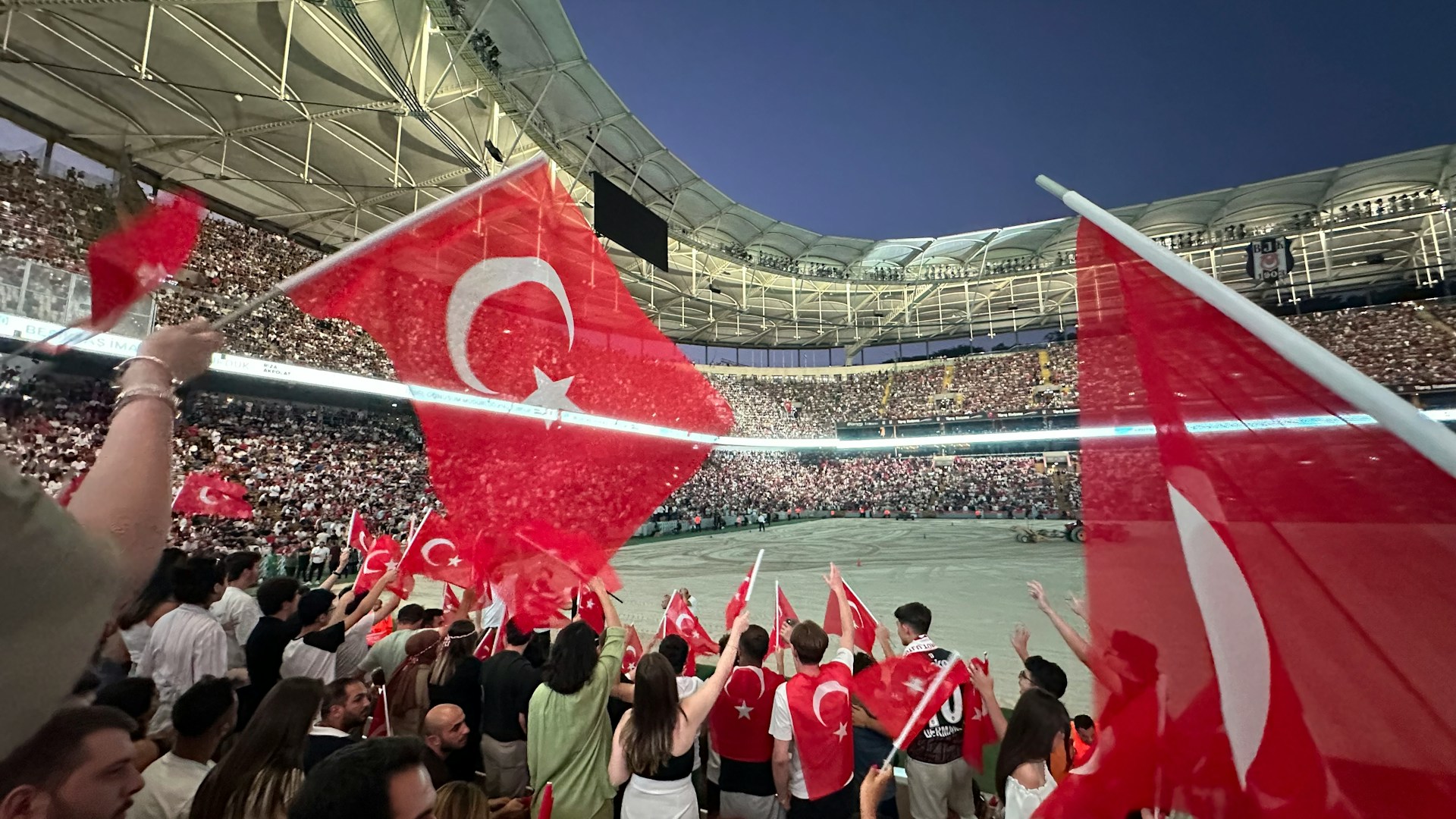
Türkiye’s 2026 FIFA World Cup campaign was never going to be judged only by results. For a nation returning to the biggest stage with one of its most exciting generations in years, the tournament carried a deeper meaning. It was about identity, preparation, maturity, and whether Türkiye was ready to move from being a team of potential to a team of consistency. The disappointment was real, but so was the lesson. This was not simply a story of missed chances or tactical problems. It was a reminder that modern tournament football is decided long before kick-off, in planning rooms, training camps, recovery sessions, travel schedules, and the small details that separate prepared teams from hopeful ones.
This was not simply a story of missed chances or tactical problems.
Great Expectations, Greater Pressure
Türkiye arrived with a squad that gave supporters a genuine reason to believe. Players such as Arda Güler and Kenan Yıldız represented a new kind of confidence, one built on technical quality, European experience, and youthful personality. This was not a team built only on emotion. It had talent, structure, and a coach with a clear idea. That is why expectations were higher than usual. But expectation can quickly become pressure. In major tournaments, young teams often discover that quality alone is not enough. Every missed pass feels heavier, every wasted chance becomes louder, and every setback tests the emotional strength of the squad. Türkiye did not lack ambition. What it lacked at key moments was the calmness and tournament experience needed to turn promise into control.
When a Clear Identity Isn’t Enough
Vincenzo Montella gave Türkiye a recognizable football identity. His team wanted to build with patience, keep technical control in midfield, and create through structured attacking patterns. In qualification and friendly matches, that approach often made Türkiye look modern and confident. The World Cup, however, is different. Opponents prepare with precision, weaknesses are exposed quickly, and matches rarely follow the rhythm a coach wants. Türkiye often looked comfortable with the ball, but not always dangerous with it. Possession did not always lead to penetration. Control did not always become pressure. When the original plan slowed down, there were not enough alternative solutions. This does not mean Montella’s work should be dismissed. It means the system must evolve. Successful tournament teams do not only have a style; they have several ways to win.
Successful tournament teams do not only have a style; they have several ways to win.
Fine Margins Decide Big Tournaments
Türkiye’s attacking issue was not simply about reaching the final third. The team had moments of promise, especially when its creative players found space between the lines. The bigger problem came in the final action. Crosses were rushed, shots were forced, and promising attacks ended without the quality required at World Cup level. At this stage, efficiency matters more than volume. Big teams do not need ten clear chances to punish an opponent. They need one or two. Türkiye too often needed more than the tournament was willing to give. That lack of cutting edge turned competitive performances into frustrating results.
Success Begins Before Kick-Off
One of the most important discussions around Türkiye’s campaign should be preparation. FIFA listed Türkiye’s official team base camp as Mesa, Arizona, with Arizona Athletic Grounds serving as the training site. On paper, the facility made sense. It is a large modern sports complex, and reports described it as an elite-level base with recovery infrastructure and controlled training environments. But the question is not only whether the facility was good. The question is whether the location was right for the demands of the tournament. Mesa in June brings extreme heat. Forecasts and climate data showed typical highs around 100°F to 106°F, roughly 38°C to 41°C, during the tournament period. That kind of dry desert climate can affect training load, recovery, hydration, sleep patterns, and overall freshness. It would be unfair to say Arizona caused Türkiye’s problems. But it is fair to ask whether it helped the team arrive at matches in the best possible physical condition.
Modern Football Is Also About Logistics
The 2026 World Cup was spread across a huge North American map. For Türkiye, Group D fixtures were staged across cities including Los Angeles, Seattle, Santa Clara, and Vancouver. That meant travel was never a small detail. Flights, time zones, recovery windows, and climate changes became part of the competitive environment. Modern football teams cannot treat logistics as background noise. They are part of performance. A poor travel rhythm can affect legs. A difficult climate can affect intensity. A long recovery cycle can affect decision-making. At elite level, these margins matter. Türkiye’s campaign should therefore force a wider conversation inside Turkish football. Tournament planning cannot only be about choosing a good hotel or a modern training pitch. It must be about building the best possible environment for performance from day one to the final whistle.
Modern football teams cannot treat logistics as background noise.
The Goal Must Be Bigger Than One Tournament
The biggest lesson from 2026 is not that Türkiye should aim for one magical run. Turkish football has spent too long chasing moments. A quarter-final dream, a golden generation, a heroic upset. These things matter, but they should not be the foundation of a national football identity. The real goal should be bigger and more stable: Türkiye must become a country that qualifies for major tournaments regularly, competes with confidence, and treats this level as normal. Nations such as Croatia, Switzerland, and Denmark have shown that consistency can become a culture. They may not always have the biggest stars, but they understand tournament football. They arrive prepared, organized, and emotionally ready. That is the model Türkiye should study.
Looking Beyond 2026
Türkiye’s World Cup disappointment should not be wasted. There is still a strong generation to build around, and the technical ceiling of the squad remains high. But talent needs structure. Structure needs planning. Planning needs honesty. The lesson from 2026 is clear. Türkiye does not only need better finishing, more tactical flexibility, or stronger in-game management. It needs a complete tournament mentality. From camp selection to travel planning, from physical preparation to psychological control, every detail must serve performance. This was not the end of Türkiye’s football future. It should be the beginning of a more serious one.