
At a Glance
What it is: A management and brand-building house for extraordinary talent in sport and culture
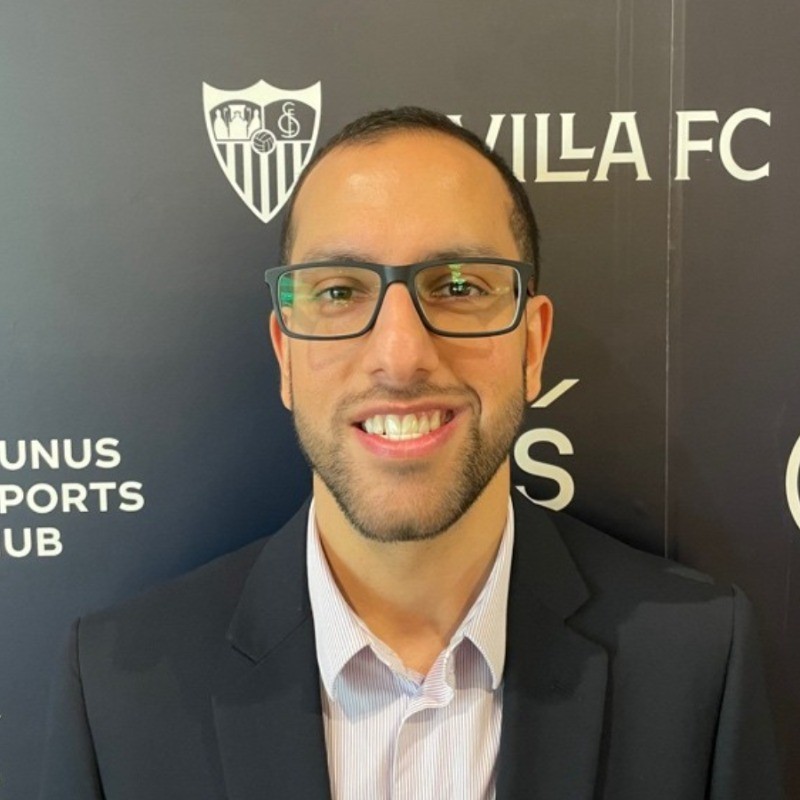
Founder & CEO: Misha Sher
Specialisation: Athlete platform strategy, brand building and long-term commercial value
Focus Areas: Narrative, positioning, audience trust, cultural relevance, partnerships, media, IP, ventures and ownership, with a particular focus on women’s sport
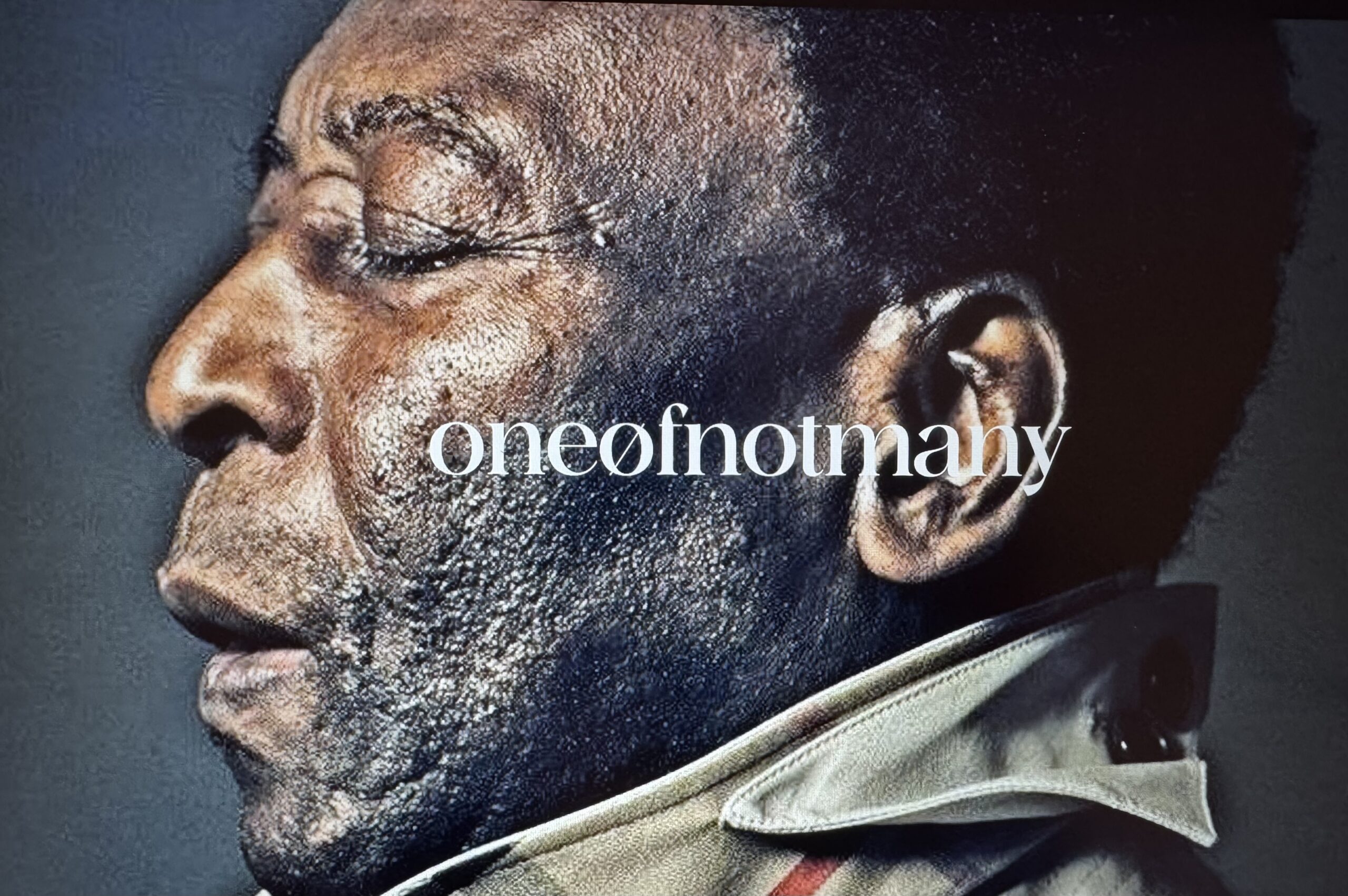
The One of Not Many Concept
One of Not Many is a management and brand-building house created for extraordinary talent in sport and culture.
At its core, the company is built around a simple but powerful idea: the most exceptional athletes are no longer only performers. They are platforms. They can become media channels, cultural figures, business builders, investors, founders, storytellers, and long-term commercial assets whose value extends far beyond the field of play.
For decades, athlete marketing has often been understood through visibility: endorsements, sponsorships, campaigns, social media reach, and short-term commercial deals. One of Not Many approaches the opportunity differently. It focuses on building the architecture behind enduring athlete value: narrative, positioning, audience trust, cultural relevance, partnerships, media, IP, ventures, and ownership.
The difference is important. Visibility can create attention. Strategy creates value.
The difference is important. Visibility can create attention. Strategy creates value.
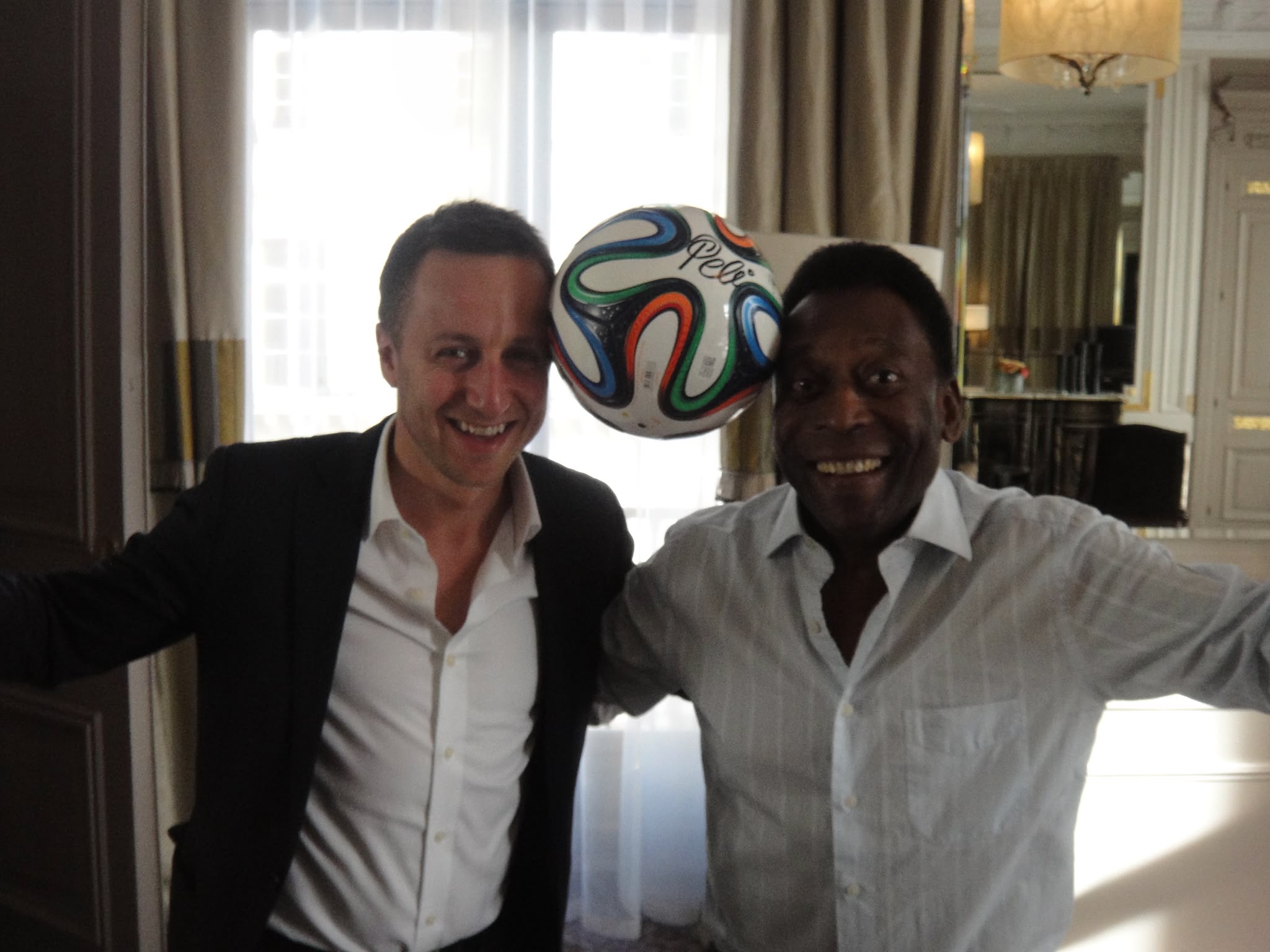
One of Not Many was founded by Misha Sher after more than two decades working across sport, media, culture, sponsorship, talent, and brand strategy. His work with some of the most recognisable names in global sport helped shape the belief behind ONM: exceptional talent deserves the same level of long-term thinking, discipline, and ambition that sits behind the world’s most iconic brands and businesses.
The company works with a deliberately selective group of elite athletes and cultural figures. Rather than applying the same model across a large roster, ONM builds around the individual. Each athlete has a different story, a different audience, a different cultural position, and a different long-term destination. The role of ONM is to define that direction and then assemble the right strategy, partners, collaborators, and opportunities around it.
This is not social media management. Social media may be one expression of the platform, but the work is deeper than any single channel. ONM looks at who the athlete is in the world, what they stand for, how they connect with audiences, and how that can become a foundation for long-term commercial and cultural value.
The company also reflects a wider shift in sport. The athletes who build with intention during their careers are not only preparing for life after retirement. They are increasing their value now: to clubs, teams, sponsors, media companies, investors, and audiences. In this new environment, the athlete is not just attached to the commercial ecosystem. The athlete can become the engine of it.
One of Not Many has a particular focus on the growth of women’s sport and the commercial opportunity around elite female athletes. As investment, media attention, sponsorship, and audience interest continue to grow, the next phase will be shaped by athletes who are able to transcend their sport and build deep cultural connection. ONM exists to help build those athletes and the platforms around them.
The name captures the philosophy. This is not about scale for the sake of scale. It is about selectivity, craft, intention, and long-term value.
One of Not Many is built for the few.
One of Not Many is built for the few.
Key Insights
- One of Not Many treats elite athletes as platforms, not just performers or brands.
- ONM focuses on long-term athlete value through narrative, positioning, partnerships, media, IP, ventures and ownership.
- The company has a particular focus on women’s sport and globally resonant female athletes.
Our Exclusive Interview with Founder Misha Sher
What was the original idea behind creating One of Not Many?
I spent over two decades inside the system, working with some of the biggest brands and some of the most exceptional athletes in the world. What I watched happen over the last five or six years specifically is that the athletes who think differently started pulling away from everyone else, not in terms of talent on the pitch, but in terms of the value they built around themselves.
Look at LeBron James. Early in his career he made a deliberate decision to stop taking the bigger guaranteed cheque and start taking equity instead. He turned a marketing relationship with Fenway Sports Group into an ownership stake in Liverpool. He built SpringHill into a media company worth hundreds of millions, backed by the likes of Nike and RedBird. That didn’t mean turning down short-term opportunities; he took plenty. It meant always asking which ones built something that would still be growing in ten years.
Jude Bellingham is showing the same instinct at 22. He’s still in the middle of his career at Real Madrid, yet he’s already set up a company to manage his image rights and commercial interests properly, and he’s taken an ownership stake in a cricket franchise back in Birmingham, the city that shaped him. He has built a small team around himself who are solely focused on his career and future. He is not one of their many priorities, he is the single most important one. He didn’t wait for retirement to start thinking like this. He’s making decisions today that will shape what he’s worth and what he owns for decades to come.
These athletes weren’t being managed in the traditional sense. They were being built, by themselves, deliberately, while they still had the time and the leverage to do it properly. There’s a fundamental difference between that and simply being represented.
That’s the gap I built One of Not Many to close. The name reflects the philosophy directly: this isn’t about representing as many athletes as possible. It’s about being deliberate, selective, and building something real around the rare few who are ready for it.
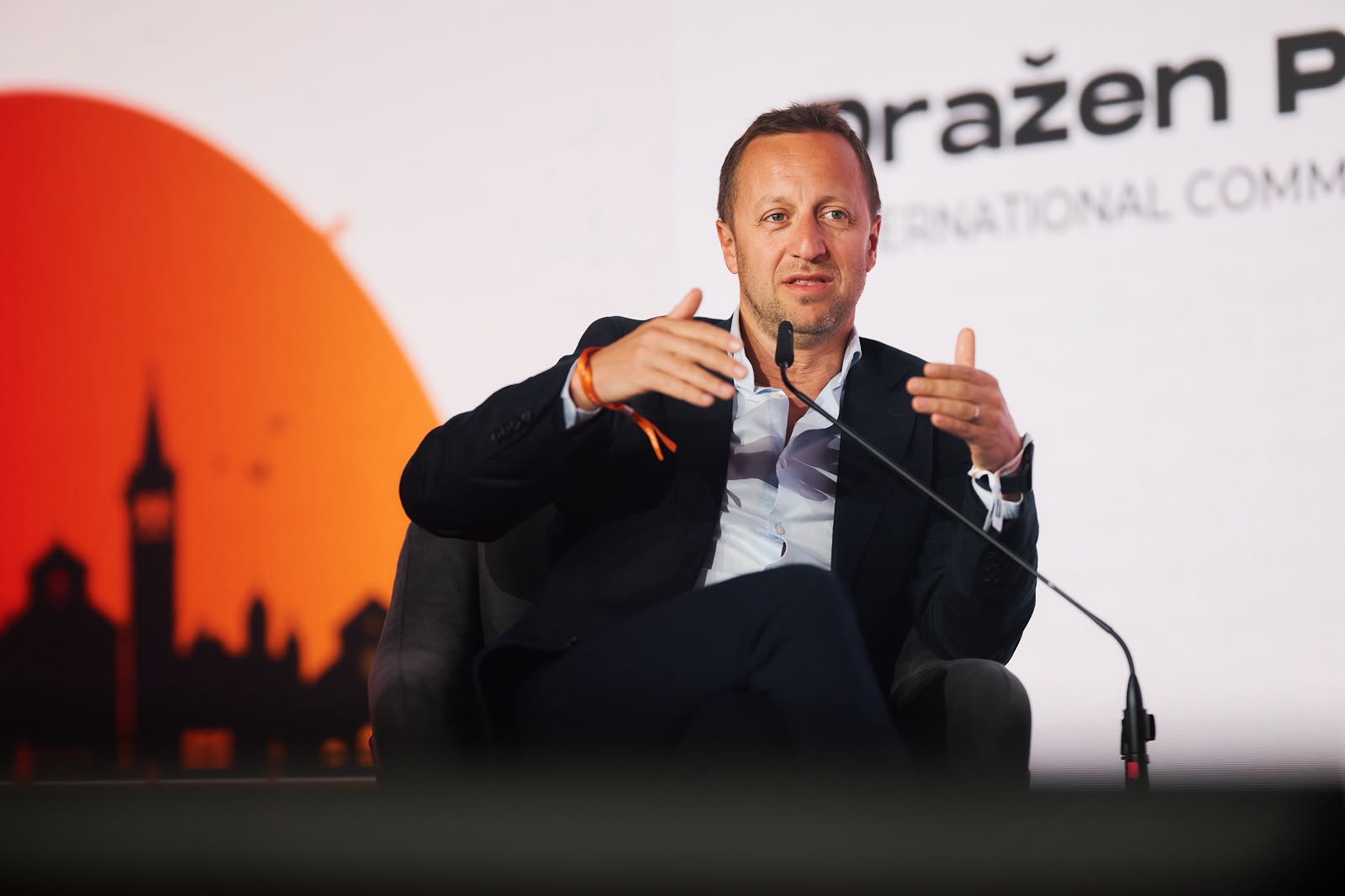
You describe athletes as platforms, not just brands. What does that mean in practical terms?
A brand is something you build around a product or a message. An audience is something you accumulate. A platform is something you can build other things on top of.
When I talk about athletes as platforms, I mean their relevance has become genuinely multidimensional. They can be a media channel in their own right; that’s what Kevin Durant and Rich Kleiman proved with Boardroom. They can be founders, the way LeBron and Maverick Carter built SpringHill from scratch into something institutional investors wanted a piece of. They can be investors, the way Roger Federer backed On years before the IPO. They can be storytellers and cultural figures whose audience trusts them in a way no advertising campaign can buy.
The mistake most of the industry still makes is treating all of that as a slightly bigger sponsorship opportunity. It isn’t. A platform compounds. A sponsorship depreciates the moment the contract ends. That’s the entire difference, and it’s why the biggest opportunity for elite talent today isn’t more endorsements, it’s building the type of audience, relevance and influence that can be a foundation for an entire commercial flywheel, where sponsorships are part of a much bigger platform that compounds.
A platform compounds. A sponsorship depreciates the moment the contract ends.
How does ONM differ from a traditional agency or representation model?
We’re not trying to replace an agent, and we’re not trying to replace an athlete’s existing team. If anything, we work alongside them. An agent is focused, rightly, on negotiating the best deal in front of them. What’s often missing is somebody with a complementary skillset, reputation and network which will enable that athlete to create value far beyond sport, today and in the future.
That’s the role ONM plays. We’re not just optimising individual transactions. We’re defining the long-term direction, the narrative, the positioning, the partnerships that actually compound, and then making sure everything else, including the deals the agent negotiates, is built in service of that direction rather than in isolation from it.
Access alone has never been the hard part in this industry. Everybody has access to somebody. The hard part is having a genuine point of view about where an athlete’s value is actually heading, and the experience to know the difference between an opportunity that builds something and an opportunity that just generates short-term noise.
Why is narrative such an important part of athlete value?
Because nothing else works without it. You can’t build a commercial relationship, an audience or a business around someone if people don’t yet understand who they are. A narrative, or a story, is the shortest distance between the athlete and the audience.
The sequence is always the same, whether you’re talking about LeBron, Federer or anyone building this properly: narrative comes first, audience trust follows, monetisation follows that, and ownership and platform value come after. Skip the first step and you’re just buying short-term attention, which is exactly what most of the industry still does.
The athletes who understand this build audience trust and cultural relevance while they’re still playing, not after they retire. That’s actually the most important point. The value isn’t something that gets unlocked when the career ends. It’s something that compounds throughout the career and increases what they’re worth at every single stage: what they earn, what they negotiate, the deals that come looking for them rather than the other way around.
What does it mean to build something that outlasts a playing career?
It means the athlete isn’t the product. The athlete is the founder of something bigger than themselves, and the building starts long before the career ends, not after it.
Federer is the example I keep coming back to because the timing matters as much as the decision itself. He took that On stake in 2019, with several years of his career still ahead of him. By the time he retired, the equity was already worth more than everything he’d earned from playing. That’s not a retirement plan. That’s a career-long strategy that happened to keep paying out after he stopped playing.
Bellingham is following a similar pattern at a much earlier stage, setting up proper structures around his image rights and taking ownership positions while he’s still only 22 and in the middle of what should be a fifteen-year career. The lesson in both cases is the same: the best time to start building something that outlasts your playing days is while you still have plenty of playing days left, not the year before you retire.
Why does ONM work with a deliberately small number of athletes and cultural figures?
Because this kind of work cannot be templated. Every athlete has a different story, a different audience, a different cultural position and a different long-term destination. The moment you try to apply the same playbook across forty clients, you’re not building anything specific to any one of them. You’re running a generic service business, which is exactly what already exists everywhere else in this industry.
Selectivity isn’t a marketing line for us. It’s a structural requirement. The depth of thinking this work demands, understanding who someone genuinely is, where their value can go, who the right partners are, simply isn’t possible at scale. When we think of scale, we think of scaling and compounding what we build around exceptional people, not just simply scaling the roster. Craft and scale often pull in opposite directions. We’ve chosen craft.
Women’s sport is a major focus for ONM. Why do you see elite female athletes as one of the biggest commercial opportunities in sport?
Because the growth is real, the investment is following, and yet the piece that will ultimately determine how much value gets created is still underbuilt.
I’ve spent more than a decade in this ecosystem and I believe the next phase of growth in women’s sport won’t be driven by infrastructure or broadcast deals alone, important as those are. It will be driven by the emergence of athletes who are genuinely globally resonant, players that audiences who have never followed the sport before still want to follow because of who they are.
More influential, marketable athletes drive stronger sponsorship, bigger media rights deals, deeper fan engagement and more valuable properties right across the ecosystem. The athlete isn’t simply part of the value chain in women’s sport. In many ways, the athlete is the unlock for everything else. Helping build that next generation of globally influential athletes is where I believe ONM can make its single biggest contribution.
The athlete isn’t simply part of the value chain in women’s sport. In many ways, the athlete is the unlock for everything else.
How should brands think differently about working with athletes today?
The best partnerships today aren’t built around borrowed attention. They’re built around genuine alignment, shared values and long-term thinking. The partnerships that cut through are ones built and co-created with the talent, not ones where talent becomes an amplifier of an idea that many others could have done.
The brands that understand that, and build with the athlete rather than just renting their image for a few months, are the ones who will define the next decade of marketing.
What kind of athlete is best suited to working with ONM?
Someone with real ambition beyond their sport, who is genuinely prepared to think long term rather than chase the next deal in front of them.
It’s not about how famous someone is right now. It’s about whether they want to build something intentional, whether they have the patience for that, because this isn’t a quick win. The athletes this works best for are the ones who already sense, even if they can’t quite articulate it yet, that they could be building something far bigger than their playing career. Our job is to help them see exactly what that looks like and then build it properly.
Not every athlete needs this model, and that’s fine. We’re not trying to be everything to everyone. We’re trying to be exactly the right partner for a select number of exceptional people.
Looking ahead, what do you want One of Not Many to become?
I want ONM to be remembered as one of the businesses that changed how this industry thinks about talent, not by being the biggest, but by being genuinely different in how we built around the people we worked with. I want athletes to understand what’s possible when they build intentionally with people who don’t just have the required expertise, but are genuinely invested in their journey.
And I want women’s sport specifically to look back at this period and recognise that ONM played a real part in producing the kind of globally resonant athletes who helped take the entire ecosystem to where it deserves to be.
We’re just getting started.
FAQ
What is One of Not Many?
One of Not Many is a management and brand-building house created for extraordinary talent in sport and culture.
Who founded One of Not Many?
One of Not Many was founded by Misha Sher after more than two decades working across sport, media, culture, sponsorship, talent, and brand strategy.
What does ONM focus on?
ONM looks at who the athlete is in the world, what they stand for, how they connect with audiences, and how that can become a foundation for long-term commercial and cultural value.