
Language Education for Football
Profile
Role: A specialized language school created specifically for football and sports professionals
Specialisation: Language education for football and sports
Experience: Founded in 2024
Focus Areas: Personalized lessons, group sessions, cultural integration support, press conference preparation, football-specific translation services
A Language School Built for Football
Football has become a global industry, and communication is now just as important as talent on the pitch. FUT Language is a specialized language school created specifically for football and sports professionals who need to communicate effectively in international environments.
Unlike traditional language schools, FUT Language focuses entirely on the world of football. Its programs are designed for players, coaches, technical staff, executives, analysts, and academies preparing for the global sports market.
The idea behind FUT Language came from a common problem in modern football: many talented professionals struggle abroad because they cannot confidently communicate with teammates, coaches, media, or club staff. These barriers often affect adaptation, confidence, and even performance.
Football has become a global industry, and communication is now just as important as talent on the pitch.
Languages and Services
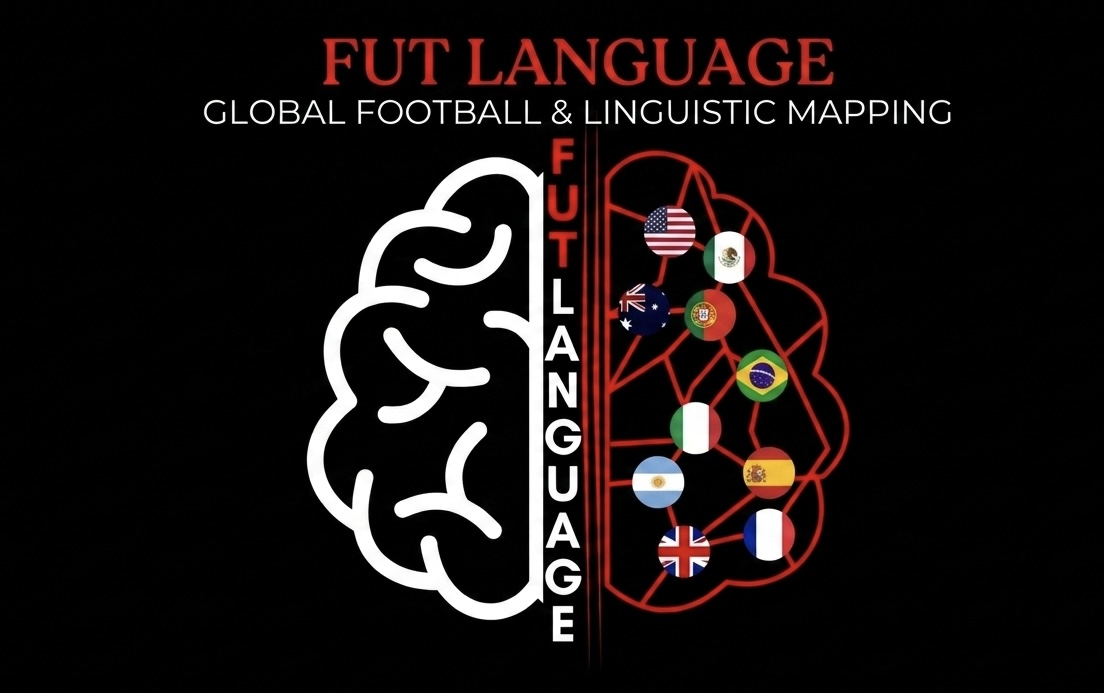
To solve this, FUT Language offers practical training in nine languages:
- English
- Spanish
- Portuguese
- French
- German
- Italian
- Arabic
- Polish
- Romanian
The school provides:
- Personalized lessons
- Group sessions for squads and staff
- Cultural integration support
- Press conference preparation
- Football-specific translation services
A Methodology Focused on Real Football Situations
What makes FUT Language different is its methodology. Instead of teaching generic grammar, the lessons are built around real football situations, including:
- Tactical instructions
- Locker room communication
- Training sessions
- Interviews and press conferences
- Team meetings and travel
- Relationships with teammates and coaches
The focus is practical communication that directly applies to life inside professional football.
Cultural Adaptation Beyond Language
FUT Language also helps students adapt culturally by preparing them for the realities of living and working in different countries and football cultures.
The goal is not only to teach a language, but also to help professionals feel comfortable, confident, and integrated in international environments.
The Vision of FUT Language
The long-term vision is to become an international reference in language education for football and sports, helping professionals become more confident, adaptable, and competitive in the modern global game.
In today’s football world, communication is no longer optional, it is part of performance.
In today’s football world, communication is no longer optional, it is part of performance.
Key Insights
- FUT Language is a specialized language school created specifically for football and sports professionals who need to communicate effectively in international environments.
- Unlike traditional language schools, FUT Language focuses entirely on the world of football.
- The goal is not only to teach a language, but also to help professionals feel comfortable, confident, and integrated in international environments.
Our Exclusive Interview with FUT Language
What is FUT Language, and what inspired its creation?
FutLanguage is a language school specializing in the world of football and sports. It was created to prepare players, coaches, executives, and sports professionals to communicate effectively within an international context.
The inspiration came from the reality of modern football: players and coaches constantly move between countries, working in multicultural environments. Many often lose opportunities or face significant hurdles simply because they do not master a foreign language. FutLanguage was born to meet this specific demand in the sports market.
Who Founded FUT Language, When Was It Created, and Who Is Part of the Team?
Founded in 2024 by former federated student-athlete Tiago Caroço, FutLanguage bridges a crucial gap in the market as the first language school exclusively tailored for professional football. Combining his deep passion for the game with his multicultural expertise, Tiago built the company to transform how athletes, coaches, and technical staff communicate. Fluent in Portuguese, English, and Spanish, he leads a core team of expert professors: Manik Mané, Luca Magnanini, Tito Junior, and Ricardo Simões. Also supported by a network of external tutors to accommodate the school’s newly added languages.
What kind of services do you propose and what languages does FUT Language Cover?
FutLanguage offers specialized training in nine languages: English, Spanish, Portuguese, French, German, Italian, Arabic, Polish, and Romanian, covering the world’s major football markets. The services meet the specific needs of athletes and coaches through personalized individual classes or group sessions for squads and technical staffs.
For clubs and academies, the school develops custom programs aligned with their game model and internal culture. These services include support for integrating new athletes, cultural assistance for their families, and preparation for official press conferences.
The methodology focuses on performance-based communication rather than traditional grammar, with total flexibility to adapt to training schedules and travel. Additionally, FutLanguage provides specialized translation services for the football industry, including document translation and live interpretation for press conferences.
What problem in football or sports education is FUT Language trying to solve?
FutLanguage addresses a problem that was ignored for years: the lack of linguistic and communication preparation among sports professionals.
Many players possess immense quality on the pitch but struggle to:
- Integrate into the locker room.
- Build relationships with coaches and teammates.
- Handle the press.
- Understand tactical instructions.
These barriers can damage a professional’s confidence, performance, and overall career trajectory. FutLanguage eliminates these obstacles by preparing students for the real-world situations of professional football.
What kind of services do you propose and what languages does FUT Language Cover?
FutLanguage offers specialized training in nine languages: English, Spanish, Portuguese, French, German, Italian, Arabic, Polish, and Romanian, covering the world’s major football markets. The services meet the specific needs of athletes and coaches through personalized individual classes or group sessions for squads and technical staff.
For clubs and academies, the school develops custom programs aligned with their game model and internal culture. These services include support for integrating new athletes, cultural assistance for their families, and preparation for official press conferences.
The methodology focuses on performance-based communication rather than traditional grammar, with total flexibility to adapt to training schedules and travel. Additionally, FutLanguage provides specialized translation services for the football industry, including document translation and live interpretation for press conferences.
How does FUT Language differ from traditional language schools?
The key differentiator is specialization. While traditional schools teach generic English, FutLanguage teaches communication specifically applied to football and sports.
Our lessons are built around the daily life of an athlete or coach, including:
- Training ground communication.
- Tactical briefings.
- Interviews and press conferences.
- Meetings, travel, and networking.
- Locker room dynamics and physical recovery sessions.
Why is communication and language learning so important in modern football?
Football is now a global industry. A player might leave Portugal today and, within months, be in a locker room in Europe, Saudi Arabia, or the United States.
Those who can communicate adapt faster, gain confidence, and build better group dynamics. In the modern game, speaking only your mother tongue is no longer enough, communication directly influences leadership and on-field performance.
In the modern game, speaking only your mother tongue is no longer enough, communication directly influences leadership and on-field performance.
Who are the typical students or professionals that FUT Language works with?
We work with a wide range of professionals, including: football players (professional and youth prospects), coaches, technical staff, club executives, analysts, physical trainers, agents, and academies looking to prepare their athletes for the global market.
How does your teaching methodology connect language learning with real football situations?
Our methodology is practical and contextualized because we do not just teach grammar, but rather how to function within the football ecosystem. Students practice tactical instructions and technical feedback alongside post-match interviews and media relations.
Furthermore, the training covers meetings with board members and agents as well as the process of integration into new clubs and the practicalities of international travel.
What challenges do international players and coaches commonly face when adapting to a new country or club?
The primary challenges are typically communication, cultural integration, and emotional adaptation. Many professionals struggle to understand instructions, express their personality, build relationships within the group, or handle the press. In some cases, the issue is neither technical nor physical, it is simply the inability to communicate with confidence. When an athlete or coach masters the language, adaptation becomes much faster and smoother.
Can you share a success story that demonstrates the impact of FUT Language Schools?
We have several cases of players and coaches who came to us prior to their international experiences and were able to adapt much faster thanks to their linguistic preparation. Some students gained the confidence to communicate in the locker room and during interviews, while others managed to improve their relationships with teammates and technical staff. The impact goes beyond the language itself: it is clearly visible in their confidence, integration, and even their performance on the pitch.
How does FUT Language help students adapt not only linguistically, but also culturally?
At FutLanguage, we believe that learning a language isn’t just about learning words, it’s about understanding people, cultures, and contexts. For this reason, we also work on cultural aspects linked to international football: communication styles, professional behavior, locker room environments, and relationships with teammates, coaches, and the press in different countries. Our goal is to prepare students to feel comfortable and confident in any international setting.
What is the long-term vision for FUT Language and its impact on global football?
The vision of FutLanguage is to become an international reference in language teaching applied to football and sports. We want to help train professionals who are better prepared, more confident, and more competitive in an increasingly global market. We believe that communication can change careers. Talent opens doors, but the ability to communicate can define exactly how far a professional can go.
Talent opens doors, but the ability to communicate can define exactly how far a professional can go.
FAQ
What is FUT Language?
FUT Language is a specialized language school created specifically for football and sports professionals who need to communicate effectively in international environments.
Who does FUT Language work with?
FUT Language works with players, coaches, technical staff, executives, analysts, physical trainers, agents, and academies preparing for the global sports market.
What makes FUT Language different from traditional language schools?
Unlike traditional language schools, FUT Language focuses entirely on the world of football and builds lessons around real football situations.
Discover FUT Language
Specialised language education for football and sports professionals.