

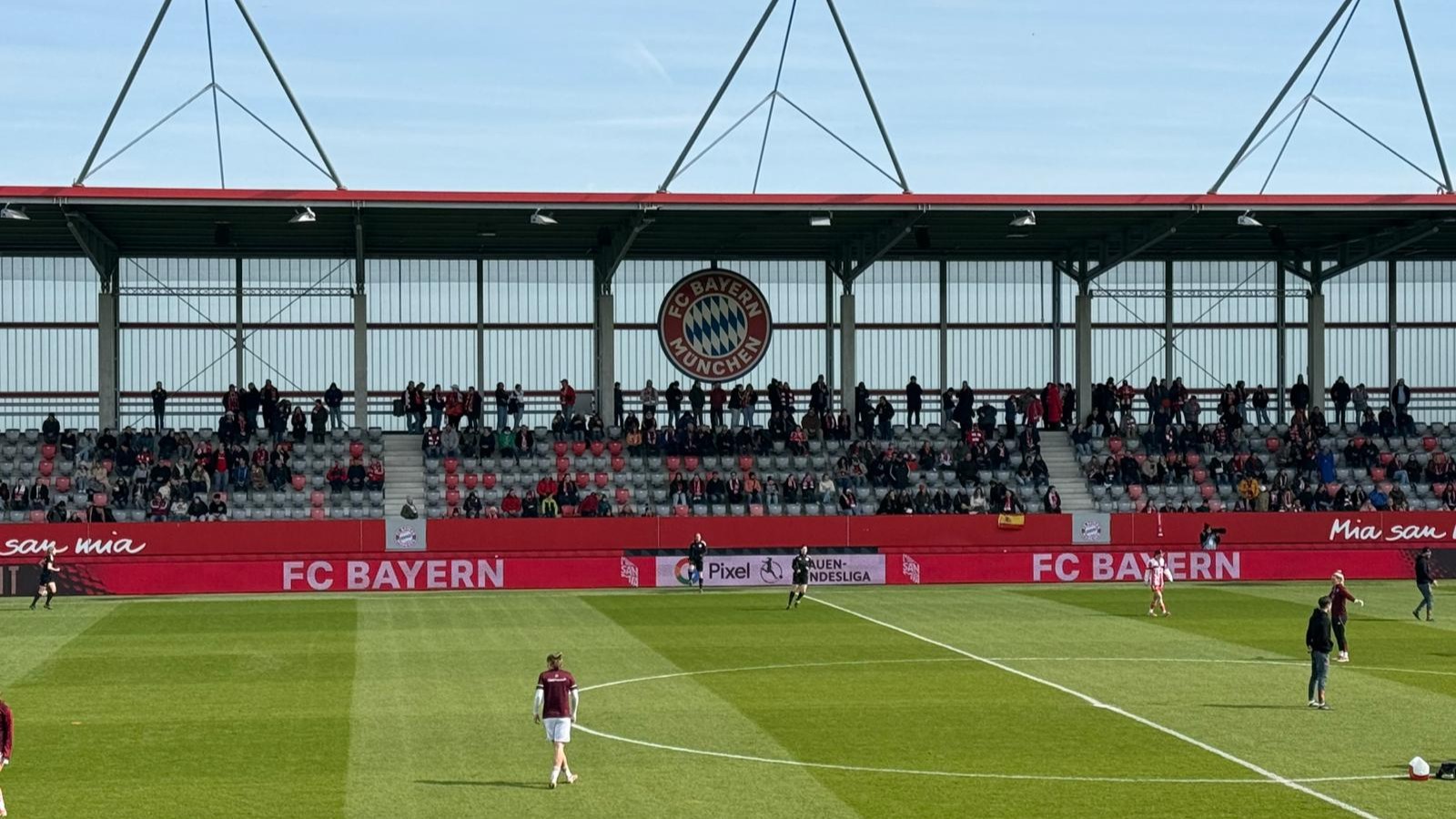
On December 4, 2025, the Deutscher Fußball-Bund (DFB) published a statement on its official website that could mark an important turning point for the future of women’s football in Germany. Yet the announcement also raises several questions that deserve closer examination.
According to the statement, the 14 clubs competing in the Frauen-Bundesliga are moving toward establishing their own league association. This structure is expected to become the foundation of a planned joint venture the creation of an FBL GmbH that would organize and commercially develop the league. From the DFB’s perspective, the initiative is a natural and necessary step toward the professionalization of women’s football.
But the real question is: Is it that simple?
The real question is: Is it that simple?
Women’s football is no longer a romantic side story in the global football landscape. Across Europe, stadium attendances are growing, broadcasting interest is increasing and commercial investments are accelerating. England, Spain and France have already taken significant steps in transforming their women’s leagues into strong commercial platforms. Germany, with its deep football culture and strong club structures, cannot afford to fall behind.
In this context, it is also encouraging that these developments have received considerable attention in the media. Public discussion and media visibility are essential for the growth of women’s football.
Especially after the remarkable interest generated by the UEFA Women’s Euro 2025 hosted in Switzerland, the momentum around the women’s game in Europe has clearly increased. Stadiums filled, television audiences grew, and the tournament once again demonstrated that women’s football has become a powerful and attractive product for fans, sponsors and broadcasters alike.
Women’s football has become a powerful and attractive product for fans, sponsors and broadcasters alike.
Against this backdrop, the latest discussions in Germany can be seen as a very positive development. If managed correctly, the steps being discussed today could produce constructive and tangible results in the coming months.
For this reason, I felt it was important to bring this topic back into the spotlight and write about it once again as a reminder, and to help keep public attention alive. Developments like these should not fade away quietly. They deserve to remain visible, to be discussed openly and to build a stronger public awareness especially in the name of women’s football and the thousands of women who dedicate their lives to this sport.
The Governance Question
However, the proposed structure also opens an important debate. If the league is to be organized and driven primarily by the clubs, what will the future role of the DFB actually be?
DFB Secretary General Holger Blask emphasized that the federation remains committed to its promises and investments related to the joint venture. Yet the same statement also reveals that negotiations are far from complete. Club representatives have reportedly submitted extensive amendments and additional demands to the draft agreements.
In other words:
The real negotiations are still happening behind the scenes.
Several crucial questions therefore remain unanswered:
- Will the league truly operate under club leadership, or will federation influence continue to shape key decisions?
- How will broadcasting rights, sponsorship deals and commercial revenues be distributed?
- Could smaller clubs lose influence within this new governance model?
- And most importantly: will this structure actually improve the economic conditions for the players themselves?
Beyond Structural Reform
The development of women’s football cannot rely solely on administrative reforms. Real progress requires sustainable investment in youth development, improved salaries and working conditions for players, higher professional standards across the league, and long-term strategic planning by clubs and governing bodies.
Germany has long been one of the most respected football nations in the world. But in the modern era of women’s football, success will no longer depend only on strong federations — it will depend on strong league economies.
Opportunity or Test?
The planned new structure could therefore become a major opportunity. But it could also become a major test.
Because in modern football the question is no longer simply: “Is a new league structure being created?”
The real question is: “Is this structure truly being built for the players and the future of the game — or is it merely creating another layer of administration?”
The coming weeks and months of negotiations will reveal the answer. But if the current momentum continues, the developments we are witnessing today may soon be reflected as a positive transformation for women’s football in Germany.
One thing, however, is already clear: The future of women’s football is increasingly being decided at the negotiation table, and every decision made there will shape the future of thousands of young girls chasing their dreams on the pitch.