

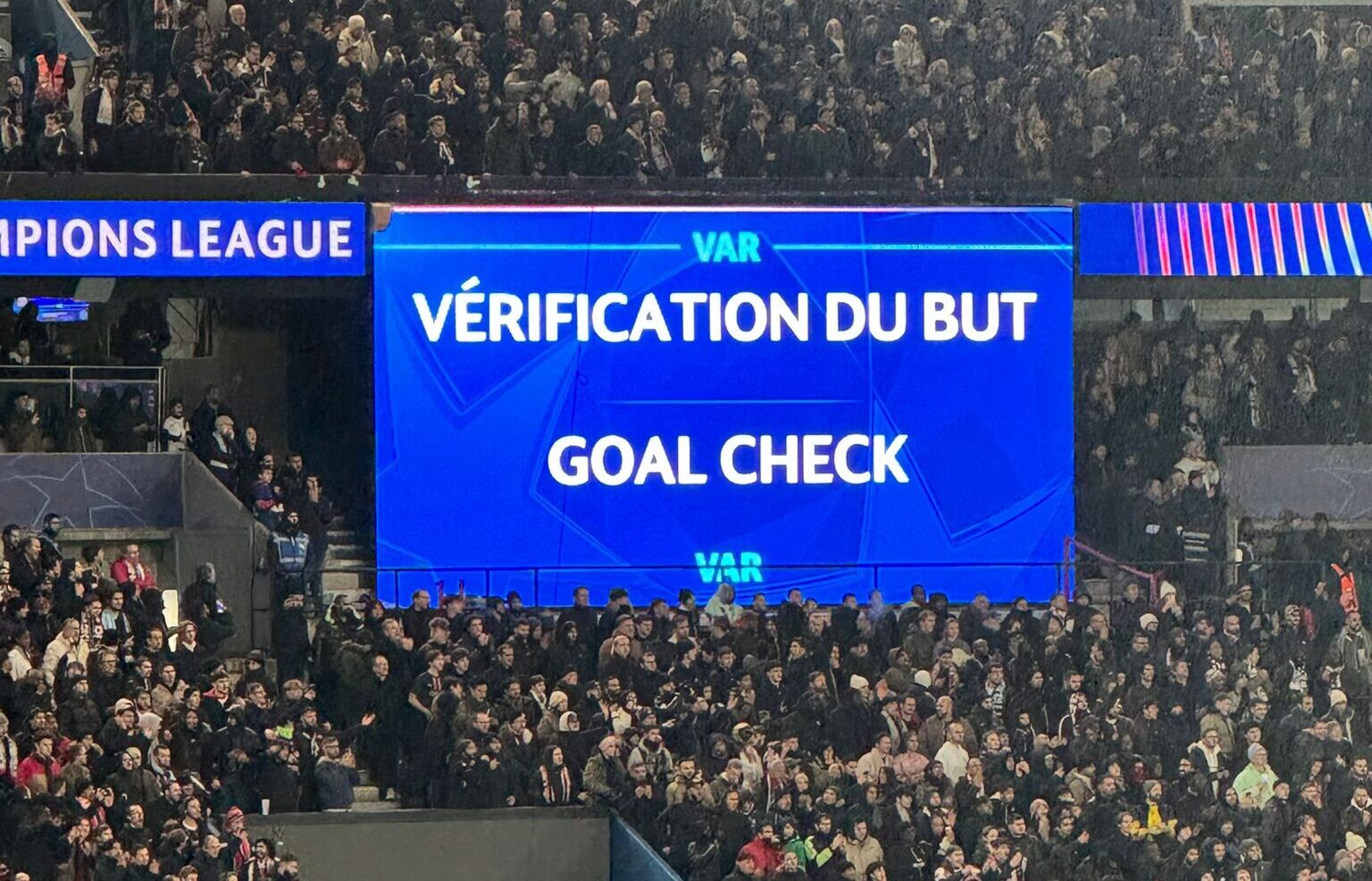
Since its introduction, VAR (Video Assistant Referee) promised fairness, accuracy, and transparency in officiating. Yet in many cases, it has caused more confusion than clarity — not because of the technology itself, but because of the way its use is communicated.
In a sport ruled by emotions and built on trust in the referee, VAR’s communication strategy is falling short. There’s a lack of clarity, education, and openness, which directly impacts the soul of the game: the fan’s trust.
There’s a lack of clarity, education, and openness, which directly impacts the soul of the game: the fan’s trust.
VAR: A Modern Tool with Outdated Communication
VAR was created to assist, not replace. But the main issue isn’t the tool — it’s the communication around it.
- Why review some plays and not others?
- Why does it take so long?
- What is the referee saying in the booth?
- What was the reasoning behind that disallowed goal or penalty call?
These questions are asked week after week, and rarely receive clear, timely, or official answers. This lack of transparency fuels mistrust, conspiracy theories, and unnecessary noise across media, social platforms, and stadiums.
The Problem Isn’t the Technology, It’s How Decisions Are Communicated
Modern refereeing is under constant scrutiny. Every decision is dissected from multiple camera angles, in high definition, with instant replays and global commentary. And yet, refereeing communication feels stuck in the past.
While sports like rugby or American football allow fans to hear referee decisions live or provide detailed explanations post-match, football continues to lag behind:
- VAR decisions are rarely communicated clearly during matches.
- Referees aren’t allowed to publicly explain controversial calls.
- Refereeing bodies take days to provide explanations.
- Press conferences from referees are rare exceptions.
In some countries, referees announce decisions through stadium speakers, but often without context or explanation. This creates a sense of secrecy, even when the decision is technically correct. And in communication, what isn’t explained becomes suspect.
And in communication, what isn’t explained becomes suspect.
The Consequences: Silence Undermines Trust
Poor communication has serious consequences: fans think VAR is “rigged”, players and coaches lash out publicly due to confusion, referees lose credibility not just for bad calls, but for the lack of institutional support and the media fills the silence with speculation, controversy, and clickbait.
This doesn’t just damage the image of referees, it hurts the perception of football as a fair and trustworthy sport.
What Needs to Change: Communication Strategies Football Must Adopt Now
Ongoing Fan Education: Regularly explain the rules, VAR protocols, and interpretation criteria through official, accessible channels. Not just during controversy — make it part of fan education.
Real-Time (or Near Real-Time) Transparency: Follow models like the 2022 FIFA World Cup, where referees used microphones to explain decisions after reviews. Even simple graphics or speaker announcements during matches could make a huge difference.
Public Post-Match Referee Reports: Brief official explanations of controversial decisions. Not to justify errors, but to show the rationale behind key calls.
Trained Referee Spokespersons: Train select referees or officials to act as media spokespersons. Not everyone needs to speak, but someone must — and they must be well-prepared.
Unified Criteria Across Leagues and Competitions: VAR shouldn’t be interpreted differently in every country or tournament. Inconsistent communication across leagues only confuses fans and weakens referee authority.
Examples That Reveal the VAR Communication Crisis
Controversies happen every weekend, but some stand out as proof of the system’s failure to communicate.
Premier League (2023): Liverpool had a goal disallowed due to a “human error” by VAR. The issue wasn’t just the mistake — it was that the press leaked the story before any official statement. Days later, fans still lacked clear answers.
Liga MX (2022): A controversial penalty in the playoffs followed a long VAR review. Fans left the stadium not knowing what had been called. The explanation came two days later — too late, too disconnected.
Copa Libertadores (2023): Boca Juniors and Palmeiras players only realized a red card had been given through the referee’s gesture — no further explanation, as cameras captured visible confusion on the bench.
Without communication, there is no justice.
Without Communication, There Is No Justice
VAR is a powerful tool. But when poorly communicated, it becomes a source of chaos. Football needs to embrace transparency, not just in rules, but in how it speaks to those who live and love the game: players, coaches, fans, and the media.
Modern refereeing cannot hide behind institutional silence. It must speak, explain, and educate. Because in football, perception is just as powerful as the decision itself and a poorly communicated truth can be just as damaging as a lie.