

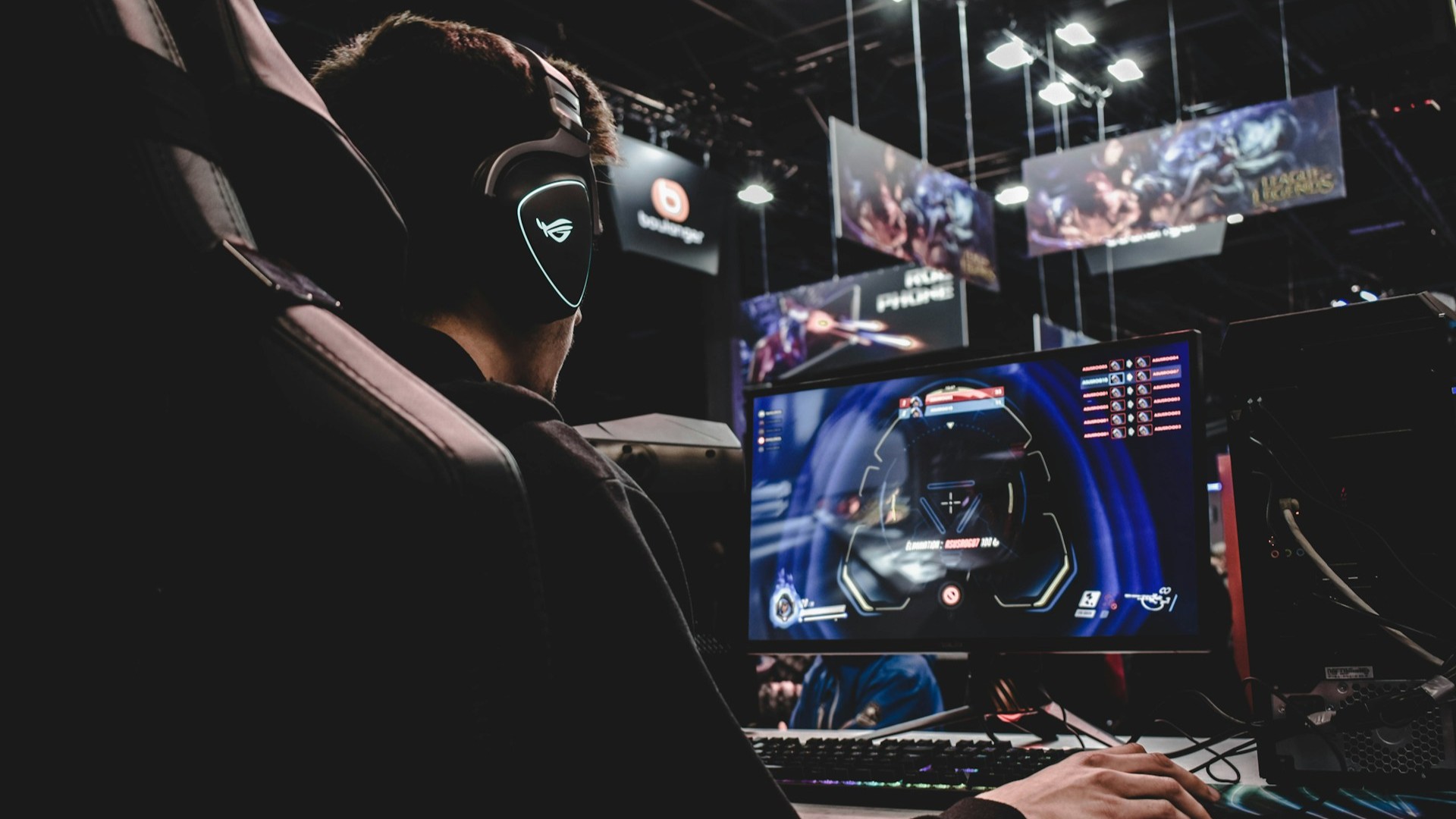
Esports used to feel like a niche offshoot of gaming. Now it’s mainstream sport’s fastest-growing commercial frontier, and top-tier footballers are staking claim. Recent corporate moves show how seriously money is flowing into gaming: Electronic Arts was taken private in a landmark $55 billion deal in 2025, underlining investor belief that sports gaming and esports IPs are strategic, long-term assets. That kind of capital inflow changes the commercial calculus for athletes, clubs and rights-holders: esports is no longer an adjunct to sport but has become a parallel ecosystem offering sponsorships, content, community, and product revenue at scale.
This blog pulls together the commercial opportunities the esports boom creates for footballers, using concrete examples of players who already own teams, and explains why this is a smart, modern diversification for athletes, and how to do it well.
Why now? The economics are real and accelerating
Two things are happening at once:
- Investor capital is arriving at scale. The EA buyout, backstopped by major investors and sovereign capital, signalled to the market that premium gaming IPs and esports ecosystems are strategic media assets. When gaming publishers are worth tens of billions, the sponsorship, media and IP downstream becomes exponentially more valuable.
- Market growth is explosive. Recent industry studies put the global esports market in the hundreds of millions to low billions in annual value today, with forecasts showing double-digit compound annual growth through the next decade. Revenues are growing across sponsorship, media rights, merchandise, and in-game commerce. These are all channels footballers can plug into.
At the same time, modern sports titles are massive distribution platforms. The newest editions of football games now feature tens of thousands of athletes, hundreds of clubs, and dozens of stadiums, meaning a player’s presence in-game reaches a global, digitally native audience that watches, plays, and spends.
Esports is no longer an adjunct to sport but has become a parallel ecosystem offering sponsorships, content, community, and product revenue at scale.
Footballers getting in: real examples of player-owned teams
A growing list of active and retired footballers have created or invested in esports organisations. These are not symbolic gestures; they’re strategic plays to capture audience, content and commercial upside.
The late Diogo Jota – LUNA Esports
Jota launched an organisation (initially named after him, now LUNA) focused on EA Sports FC and other competitive titles. The team competes in major tournaments and produces content, bringing Jota’s fanbase into the esports funnel and continues his legacy.
Mesut Özil – M10 Esports
Özil’s M10 started as a branded commercial vehicle and evolved into a competitive esports entity and content platform. It leverages his global profile, particularly in markets where he has strong cultural ties.
Oleksandr Zinchenko – Passion UA
Zinchenko founded Passion UA with a mission-driven angle: supporting Ukrainian esports talent in titles like CS2 and Dota 2. That regional authenticity gives the brand narrative and access to emerging markets of fans.
Sergio Agüero – KRÜ Esports (co-owners include Lionel Messi)
KRÜ has become a major South American esports organisation, competing in multiple titles and attracting co-ownership that amplifies flavour and reach.
David Beckham – Guild Esports (founder/co-owner)
Beckham’s high-profile backing highlighted how legacy athletes can build a branded talent pipeline, although Guild’s public financial path also illustrates the risk and volatility in running a listed esports business.
Players are choosing ownership, equity stakes or presidency roles rather than purely “paid ambassador” relationships, which gives them upside on long-term growth rather than a single cheque.
What commercial opportunities open up for players?
For footballers, esports unlocks several commercial levers that are complementary to their on-pitch careers:
New revenue streams (beyond endorsements and salaries)
Ownership stakes and co-ownership allow players to earn from sponsorship deals, tournament winnings, media rights, merchandise and content monetisation. Rather than trading time for a flat endorsement fee, equity can appreciate materially as the team or organisation grows.
Year-round content and fan engagement
Esports teams produce constant digital content (streams, vlogs, tournaments, player interviews). That content keeps a footballer top of mind during the off-season, strengthens personal brand loyalty, and creates inventory for sponsors looking for frequent exposure.
Cross-platform sponsorship packages
Companies can partner on both the footballer’s career and their esports ventures, a single overlay that spans matchday visibility, in-game presence, co-branded merch, and livestream activations. For brands, that breadth is highly attractive.
Access to younger, digitally native audiences
Esports audiences skew younger and are highly engaged in streaming and social. Players who invest in esports are effectively building relationships with fans who may not watch linear TV, a valuable demographic for sponsors and DTC businesses.
Product and IP extension
Players can co-create merchandise, digital collectibles (including NFTs where appropriate), training apps, and branded in-game items. An exclusive boot or kit in a popular game becomes a new SKU for a player’s brand.
Post-career pathways
Ownership, content and media experience set players up for life after football as executives, investors, streamers, or media personalities. That transition is both commercially and personally stabilising.
From equity upside and perpetual content to sponsor-friendly activation pipelines, esports gives players tools that football alone can’t deliver.
Why teams and brands want player investors
Brands and esports organisations value athlete owners for three main reasons:
- Built-in audience and credibility. A high-profile player brings social reach, press attention and credibility in a crowded market.
- Content amplification. Athlete-owned teams get featured in the owner’s channels, creating immediate reach for sponsors.
- Commercial introductions. Players often unlock sponsor relationships in markets (e.g., Middle East, Turkey, Brazil) that traditional esports teams can’t access easily.
For brands looking to activate via esports, putting money behind a footballer-led team creates a neat story: bridging traditional sport fandom with gaming culture.
Real risks and what players must watch for
Esports is exciting, but it’s not a guaranteed win. Footballers should approach ownership like any professional investment:
- Operational complexity. Running a competitive team requires experienced management, coaching staff, player contracts and compliance across multiple titles.
- Financial volatility. Not all esports franchises scale profitably; public examples show sharp swings in valuation and cash-flow pressures.
- Reputational risk. Poor governance, toxic team behaviour, or controversial sponsorships can harm a player’s personal brand.
- Regulatory maze. Prize money, player transfers, gambling sponsorships and region-specific laws create legal complexity.
- Market saturation & selection risk. Some titles are winners, others decline; choosing where to invest matters.
David Beckham’s Guild Esports underscores the point: celebrity backing alone doesn’t guarantee long-term commercial success without strong operational execution and capital discipline.
How players should approach esports ownership strategically
- Treat it like a business – surround yourself with experienced esports executives and operators, not just friends and influencers.
- Pick the right titles – match the game to your audience and your strategy: FIFA/EA FC for football fans, CS2/Valorant for competitive viewership, and so on.
- Integrate content and commerce – use your channels to amplify the team and create products fans want to buy.
- Protect brand values – choose sponsors and partners aligned with your public image and avoid short-term cash at the cost of reputation.
- Think global & local – leverage your geographic pull (e.g., Portuguese players in Brazil, Ukrainian players in Eastern Europe) to build authentic footholds.
The bottom line: esports as modern diversification
The rise of esports is a commercial expansion that offers footballers new ways to monetise fame, grow their personal brands, and future-proof their careers. From equity upside and perpetual content to sponsor-friendly activation pipelines, esports gives players tools that football alone can’t deliver.
The EA buyout and fast-rising market forecasts are a clear signal: this space will attract more capital, more mainstream media deals, and more cross-border sponsorships. For players who approach esports with strategy, discipline and the right partners, ownership can be a defining chapter of a modern athlete’s commercial life, not as a detour from football, but as a parallel ecosystem that amplifies their reach, revenue and relevance.