
Profile
Role: Head Coach, Strømmen IF
Specialisation: Coaching, Leadership and Tactical Adaptability
Experience: Sweden, Lithuania, the Faroe Islands and Norway
Focus Areas: Adaptability, Cultural Understanding and Player Development
Swedish Head Coach with International DNA
Jens Wedeborg, born in 1979, is a Swedish head coach at Strømmen IF in Norway’s First Division. He has over 18 years of experience in football and more than 10 years of professional coaching experience across Scandinavia and Europe. Known for his adaptability and cultural awareness, Wedeborg has worked in elite men’s, women’s, and youth football in Sweden, Lithuania, the Faroe Islands, and Norway.
Early international experience at FK Riterias, in first tier Lithuania, helped shape Wedeborg’s approach to leadership in demanding professional environments, sharpening his ability to understand group dynamics and adapt his coaching to different contexts.
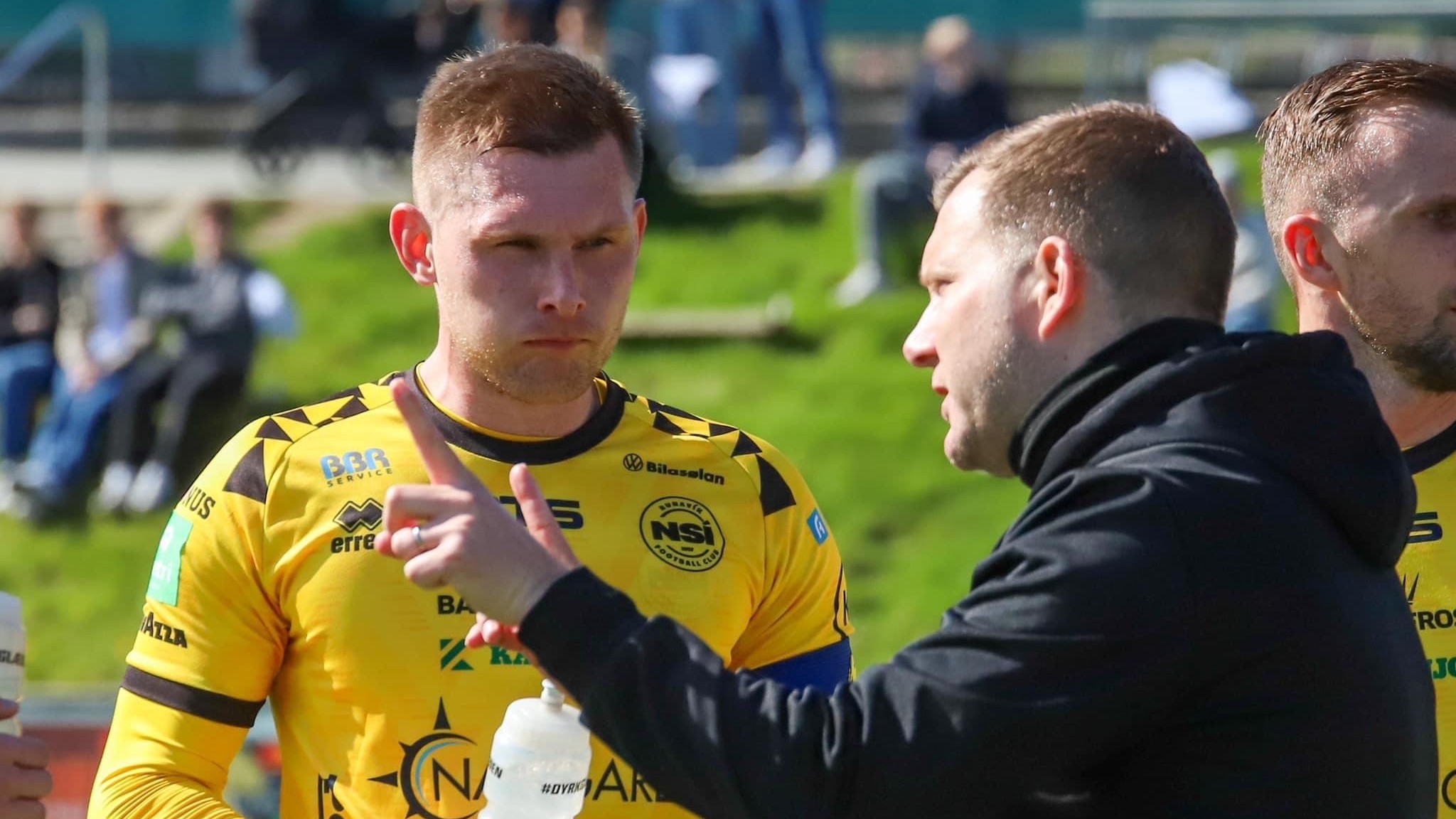
A defining chapter of his career came at NSÍ Runavík in the Faroe Islands Premier League, where he led the club to European qualification in both of his seasons. Under his guidance, Runavík scored 92 goals in 27 matches, ranking among the most prolific teams in European leagues during that period. The club’s strong winning culture provided a solid foundation, while targeted recruitment and an emphasis on adapting tactics to player profiles proved key to sustained success.
Coaching in the Faroe Islands also required practical adaptability, with climate and local conditions influencing tactical decisions. Wedeborg embraced the importance of understanding both the sporting culture and the people, viewing cultural awareness as a central factor in on-pitch performance.
Alongside his work in men’s football, Wedeborg has coached at the highest level of women’s football, including IFK Kalmar in Sweden’s Damallsvenskan and KÍ Klaksvík Women, one of the most successful clubs in Faroese football. His experience in women’s football further strengthened his ability to work in elite, high-expectation environments with diverse, international squads.
Wedeborg has now begun a new chapter as head coach of Strømmen IF, following the club’s promotion to Norway’s First Division. With Strømmen returning to a fully professional league after challenging seasons, the focus is on stability, continued development, and building on the strong foundation from the previous staff.
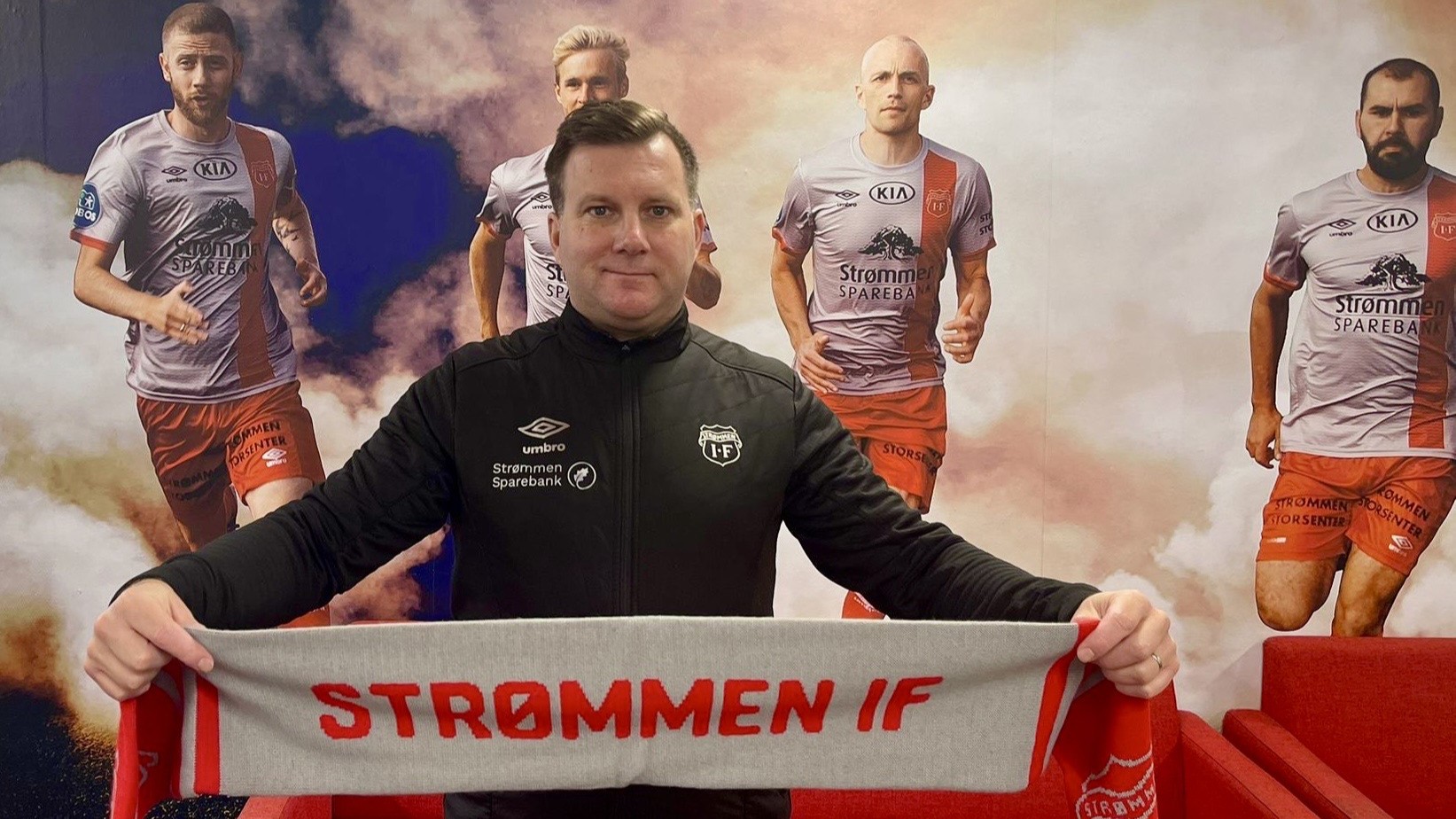
Across countries, leagues, and football cultures, Jens Wedeborg has built a coaching identity centred on adaptability, cultural understanding, and creating the right conditions for players to succeed.
Key Insights
- How international coaching experience shaped Jens Wedeborg’s adaptable leadership style.
- Why cultural understanding and tactical flexibility were central to success at NSÍ Runavík.
- What Wedeborg aims to build at Strømmen IF after promotion to Norway’s First Division.
Our Exclusive Interview with Jens Wedeborg
What inspired you to become a football coach, and what are some of your coaching philosophies?
I played football with some promise as an academy player, but I didn’t take the final step from U19 to senior level, so I stopped my journey as a professional player. I moved from a smaller town in the south of Sweden to Stockholm and began my studies in Physical Education.
During this time, I studied many different leaders and leadership styles, and I became increasingly interested in football management. In my final years as a semi-professional footballer, I think I was starting to bother my teammates, as I became more and more of a coach on the field. Before I even realized it, I had begun my journey as a coach.
You had a successful spell at NSÍ Runavík in the Faroe Islands Premier League, where the team qualified for European competition. What were the keys to that success?
In both seasons, we were successful and qualified for European competitions. The club was something of a “sleeping giant” that had enjoyed success for many years, so there was already a strong culture and pride connected to winning and competing in Europe. I arrived at a stage where some rebuilding was needed, but we managed to recruit the right player and management profiles to meet that challenge successfully.
Secondly, I have been coaching for 18 years. I worked in Lithuania at Žalgiris Vilnius in a post-Soviet football culture, and more recently in the Faroe Islands. These experiences helped me recognize what each group needs and how to adapt accordingly—whether that means intense defensive pressing, playing in a 4-3-3 or a 5-3-2, or adjusting to the strengths of the players available. Putting players in the right situations for success translated directly into results, including scoring 92 goals in 27 games, making us one of the leading goalscoring teams in European leagues that season.
Putting players in the right situations for success translated directly into results, including scoring 92 goals in 27 games, making us one of the leading goalscoring teams in European leagues that season.
Changing environments and leaving your comfort zone is crucial. Sometimes it’s less about football itself and more about understanding the culture and sporting context, then applying your own style within that framework.
What was the biggest adjustment moving from Swedish clubs to coaching in the Faroe Islands with NSÍ Runavík and KÍ Klaksvík?
The Faroe Islands are located in the middle of the North Atlantic Ocean, so climate and wind are major factors. Wind speeds can reach the equivalent of 20 seconds per kilometer, which makes playing long balls out the back challenging. You have to adapt.
One detail was we decided to work closely with local ferry assistants who understand the weather conditions extremely well. The wind can completely destroy a game if you don’t adjust your approach. There is even a special rule, similar to one in the NFL, where if you can place your finger on the ball without it moving, play can continue.
Beyond the climate, you must also adapt to the people, culture, and sporting mentality. Faroese people are extremely hardworking; many come from fishing backgrounds, enduring harsh conditions at sea for months before returning to land. That resilience is reflected in their football mentality.
Beyond the climate, you must also adapt to the people, culture, and sporting mentality.
You coached IFK Kalmar in the Swedish women’s top tier (Damallsvenskan) and KÍ Klaksvík Women, one of the most successful clubs in Faroese football. How was your experience in those elite environments?
Being part of women’s football was fantastic, you meet incredible sportspeople and professionals. KÍ Klaksvík Women were already very successful before I arrived, so my role was to continue that work and maintain high standards.
Women’s football in Sweden is very well developed. At IFK Kalmar, we had players from many nationalities, including Germany, Slovakia, and the United States, which made the environment highly competitive and culturally enriching.
You recently joined Strømmen IF in the Norwegian First Division. What are your objectives for this season?
We were promoted this season, and there are similarities to my time at Runavík. Strømmen IF had spent many years in the second tier but were relegated in 2021. After a few challenging seasons, the club has finally returned to where it belongs.
In Scandinavia, the top two tiers are fully professional, so the level is high. We are a smaller club in the Oslo region, and our main objective this season is to establish stability in the league while building on the excellent work done by the staff who won promotion the year before.
FAQ
Who is Jens Wedeborg?
Jens Wedeborg is a Swedish head coach at Strømmen IF in Norway’s First Division with experience across Scandinavia and Europe.
What is Jens Wedeborg known for as a coach?
He is known for adaptability, cultural awareness, and creating the right conditions for players to succeed in different football environments.
Which clubs and leagues has Jens Wedeborg worked in?
He has coached in Sweden, Lithuania, the Faroe Islands, and Norway, including roles in elite men’s and women’s football.