

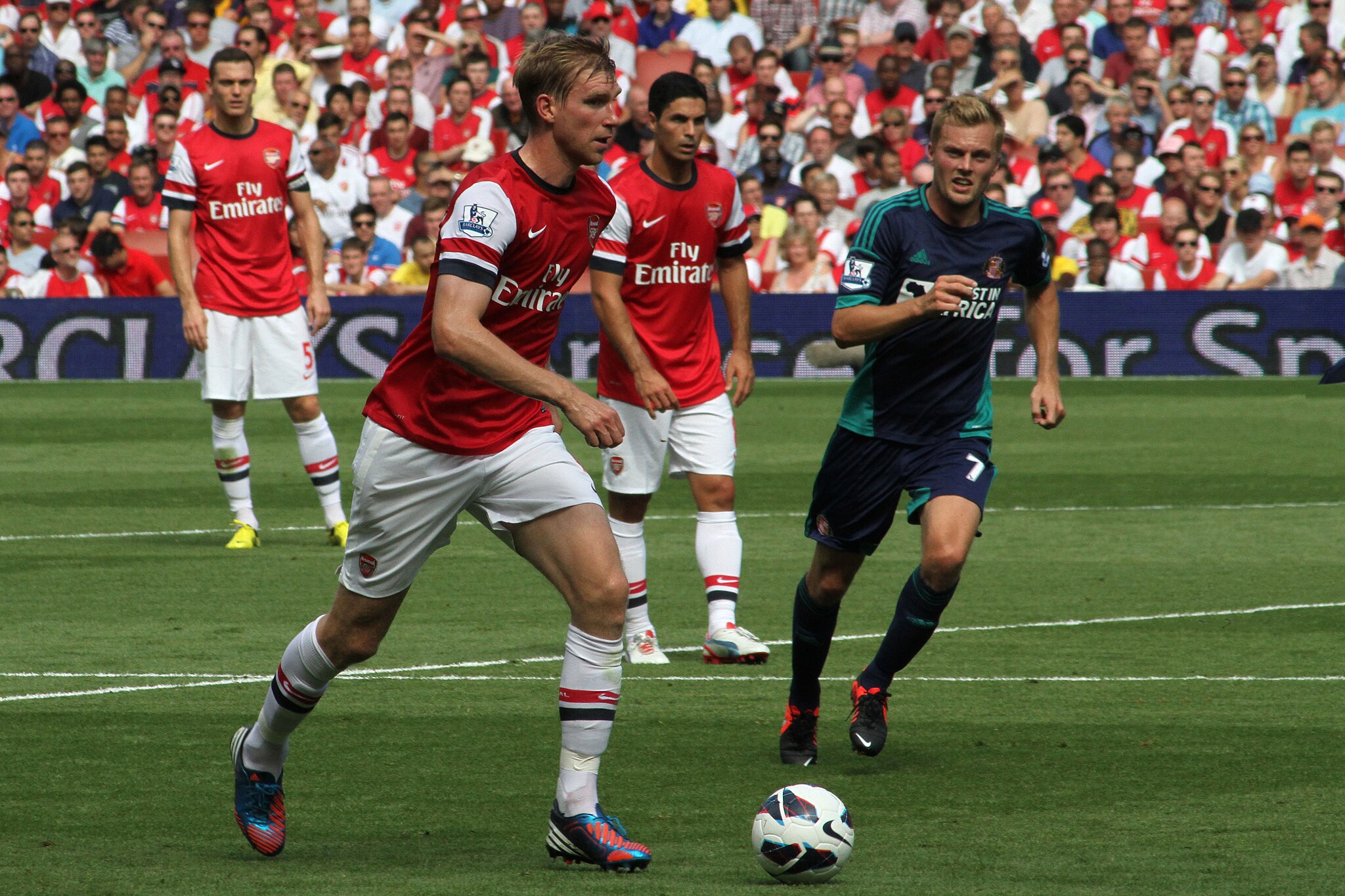

£750 million for a logo on the front of a football shirt? At first glance, the number looks outrageous. But in today’s Premier League, front-of-shirt sponsorships aren’t just advertising. They’re among the most valuable assets in global sport.
A sponsor’s logo on a Manchester United, Arsenal, or Liverpool shirt isn’t confined to 90 minutes on matchday. With Premier League broadcasts reaching over 3.2 billion people in 190 countries, it’s closer to acquiring global TV rights than buying ad space. Every match, every replay, every highlight reel embeds that logo into sporting culture. That’s why brands commit hundreds of millions: it’s guaranteed exposure at the intersection of passion, identity, and global fandom.
They’re among the most valuable assets in global sport.
The Numbers Behind the Shirt
The economics are staggering. Football shirts already generate over $1 billion in worldwide sales annually, but the true value of sponsorship goes far deeper than retail. A logo on the chest is recurring visibility, international reach, and cultural association rolled into a single product.
When Cristiano Ronaldo returned to Manchester United in 2021, $60 million worth of shirts were sold within 10 days. That frenzy didn’t just benefit Adidas, United’s kit partner, it amplified TeamViewer’s logo on every shirt shipped worldwide. Sponsorship, in this sense, is multiplied through emotion. Fans are buying into a story, and the sponsor’s logo is stitched directly into that narrative.
Psychology also plays a role. Studies show that fans feel “temporal dissonance” wearing old kits, making them more likely to rebuy every season. Every new purchase repeats the cycle: the sponsor’s branding re-enters households, schools, pubs, and stadiums around the globe.
Who’s on the Front in 2025?
The graphic tells its own story. Out of 20 Premier League clubs this season:
- 11 are sponsored by betting & casino brands – showing how dominant the gambling sector has become in football marketing.
- 2 by financial services firms – looking to align with trust and stability.
- 2 by airlines – leveraging football’s global reach to promote travel.
- 2 by entertainment companies – tapping into football as mass culture.
- 1 by software, 1 by life & health insurance, and interestingly, 1 club with no sponsor at all.
This dominance of gambling sponsors highlights both the money they bring and the challenges the Premier League faces as regulation tightens. By 2026, clubs will no longer be able to display betting brands on the front of shirts, forcing a major shift in the sponsorship landscape. That means opportunities for new sectors, tech, fintech, crypto, and lifestyle brands, to fill the vacuum.
Why It Works
Front-of-shirt deals thrive because they hit three levels at once:
- Visibility: Live games, highlights, interviews, and even training shots keep the logo in constant circulation.
- Emotion: The logo becomes part of fan and club identity.
- Global Reach: A single logo placement in the Premier League delivers a footprint across Europe, Asia, Africa, and the Americas without additional media spend.
It’s a perfect storm of sport, culture, and commerce.
More than ad space, it’s cultural space, worn by millions, remembered forever, and replayed endlessly.
How the Premier League Compares Globally
The Premier League isn’t alone in monetising shirt space, but its scale sets it apart. In LaLiga, giants like Real Madrid (Emirates) and Barcelona (Spotify) also command global mega-deals, yet mid-table Spanish clubs struggle to secure anywhere near the same value. In Serie A, Inter Milan’s front-of-shirt deal with Paramount+ reflects football’s growing overlap with streaming, but overall sponsorship revenues remain a fraction of the Premier League’s. Bundesliga clubs like Bayern Munich (Deutsche Telekom) have long-standing domestic partnerships, though the league’s international broadcast reach limits global exposure compared to England. Meanwhile, MLS in the United States has embraced front-of-shirt deals more recently, often with tech, finance, or healthcare brands, but valuations are smaller, LA Galaxy’s Herbalife deal was once a standout at around $7m annually, dwarfed by the £50m+ deals at the top of the Premier League. The comparison underscores the Premier League’s unique commercial strength: it blends global broadcast dominance with cultural cachet, making its shirt front the most expensive billboard in sport.
The Future of Shirt Sponsorship
As betting logos fade from view, the Premier League may become the stage for a new wave of partners. Real estate giants (like DAMAC and Sobha with Chelsea and Arsenal), digital brands, sustainability-driven companies, and global consumer goods firms will compete for space.
But one thing is certain: the front of a Premier League shirt will remain one of the most powerful pieces of marketing real estate in the world. More than ad space, it’s cultural space, worn by millions, remembered forever, and replayed endlessly.