

Context and Sporting Relevance
Ramadan 2026 begins on 19 February and concludes on 19 March. For professional football organisations, this period represents a recurring operational phase that intersects with training load, match preparation and recovery management.
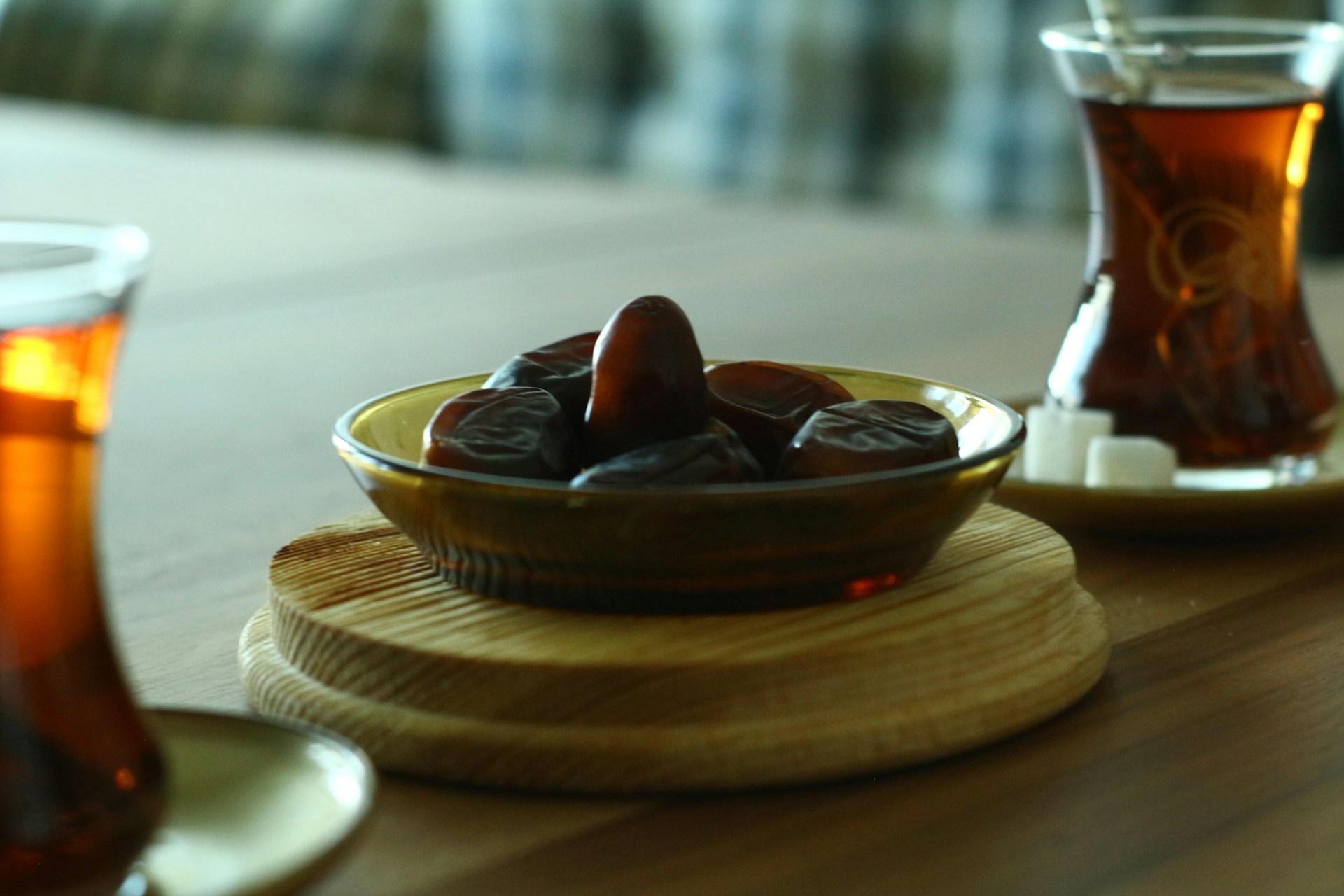
Ramadan, the ninth month of the Islamic calendar, requires fasting from dawn to sunset. During daylight hours no food or fluid is consumed. Nutritional intake is concentrated in the evening meal after sunset, Iftar, and the pre dawn meal, Suhoor. For elite athletes, this creates a daily rhythm that must be considered within performance planning structures.
The objective for clubs and federations is not to engage in theological debate. It is to ensure that sporting preparation, medical oversight and regulatory frameworks are aligned with the realities of the calendar.
The objective for clubs and federations is not to engage in theological debate. It is to ensure that sporting preparation, medical oversight and regulatory frameworks are aligned with the realities of the calendar.
Performance and Medical Considerations
From a sports science perspective, fasting affects hydration patterns, glycogen availability and sleep cycles. Training intensity, environmental temperature and fixture congestion can influence the degree of physiological stress.
Professional environments typically respond through structured measures such as adjusted session timing where possible, tailored nutritional planning for non fasting hours, gradual rehydration protocols after sunset and continuous load monitoring by medical staff.
Islamic jurisprudence permits professional athletes to postpone fasting under certain conditions and compensate at a later time. Decisions therefore remain individual. The role of clubs is to provide informed medical guidance and maintain open communication regarding performance readiness.
Club Level Practice in Women’s Football
In 2022, players from SC Freiburg, including Ereleta Memeti and Hasret Kayıkçı, spoke publicly about fasting while competing at professional level. Kayıkçı stated that fasting remains an integral part of her faith and emphasised the importance of understanding from coaches and teammates.
The example illustrates that internal alignment between player, coaching staff and performance department is central to managing Ramadan in a professional setting. It also demonstrates that fasting and elite competition can coexist when expectations are clearly defined.
League Level Operational Adjustments
Since 2021, the Premier League has provided guidance allowing referees to permit short pauses at natural stoppages around sunset so players can break their fast. These interruptions are integrated into normal match flow and do not represent a formal change to competition rules.
In 2022, the Bundesliga adopted a comparable approach. A visible example was Mainz defender Moussa Niakhaté receiving a brief opportunity to take fluids after sunset during a league match. The adjustment was operational rather than structural, reflecting a pragmatic interpretation within existing regulations.
Regulatory Framework in France
The approach in France differs. The French Football Federation does not permit match interruptions for religious observance, referencing the constitutional principle of institutional neutrality.
In April 2023, FC Nantes defender Jaouen Hadjam was excluded from the matchday squad after choosing to continue fasting. Coach Antoine Kombouaré publicly stated that he respected the player’s beliefs while prioritising sporting considerations in team selection. The case illustrates how national governance frameworks can shape competition level practice.
Federation Guidance and Institutional Standards
The German Football Association has published sports science recommendations addressing hydration and nutrition during Ramadan. The guidance highlights gradual rehydration after sunset, balanced food intake and coordination between players, coaches and medical staff.
Such frameworks demonstrate that Ramadan management is not solely an individual matter. It requires institutional clarity and structured preparation.
Such frameworks demonstrate that Ramadan management is not solely an individual matter. It requires institutional clarity and structured preparation.
Women’s Football and Structural Development
In women’s football, formalised Ramadan protocols are not yet standardised across all competitions. While individual clubs provide support, federation level consistency remains in development in many jurisdictions.
Given the global expansion of women’s football, including regions with significant Muslim player populations, Ramadan planning can be integrated into broader athlete welfare and governance strategies. Evening kick off times, common in several women’s leagues, may in practice facilitate fasting players without requiring structural rule changes.
The key issue for decision makers is not symbolic positioning. It is performance stability, regulatory clarity and equal treatment within existing frameworks.
Conclusion
Ramadan 2026 once again intersects with the professional football calendar. Different leagues operate under different regulatory principles. Clubs apply varying operational models based on competition schedules and medical advice.
For executives, sporting directors and federation officials, the central task remains consistent. Integrate Ramadan into annual planning cycles, formalise medical standards and ensure that governance frameworks are applied coherently.
In a global sport shaped by diverse player populations, structured preparation and institutional clarity are the defining elements of professional management.