
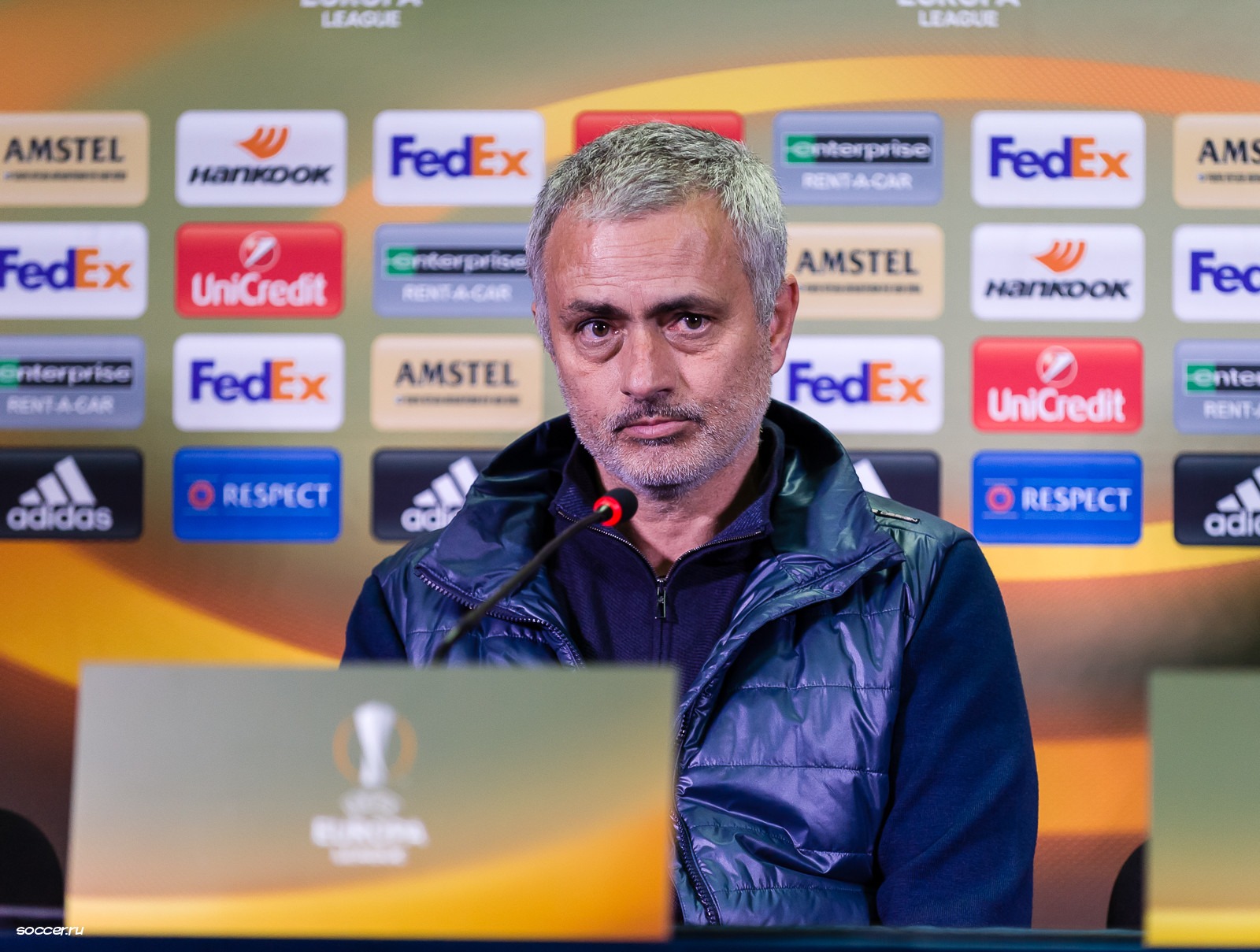

José Mourinho’s journey from tactical mastermind to global brand icon demonstrates the immense commercial power a modern manager can harness. Known as “The Special One” since 2004, Mourinho has parlayed his personality into endorsements with global names like Adidas (since 2005), Hublot, Jaguar, Heineken, Zegna, Snickers, Turkish Airlines, Lipton Tea, and Football.com. His status as one of the most recognisable figures in world football has allowed him to command as much as €1.5-2 million annually per brand partnership.
José Mourinho’s journey from tactical mastermind to global brand icon demonstrates the immense commercial power a modern manager can harness.
Major Endorsements and Global Campaigns
Adidas
Mourinho’s relationship with Adidas is his most enduring commercial partnership, beginning in 2005 and continuing through to today. What makes this relationship remarkable is its resilience. Despite Mourinho managing clubs sponsored by rival brands, Chelsea (Nike), Real Madrid (Adidas), Inter Milan (Nike), Tottenham Hotspur (Nike), and Roma (New Balance), the Three Stripes never severed ties with him. This demonstrates how Mourinho transcends team affiliation; his image carries weight on its own. Adidas has long positioned him as a figure of authority, intelligence, and leadership within the game. Campaigns featuring Mourinho often lean into his iconic confidence and sharp presence, qualities that resonate globally and strengthen Adidas’ identity as a brand synonymous with winners.
Hublot and Jaguar
Luxury brands have also leveraged Mourinho’s aura. His partnership with Hublot positioned him as a global ambassador for the Swiss watchmaker, a role that linked the precision and prestige of luxury timepieces to his reputation for tactical mastery. The same philosophy applied to his partnership with Jaguar, which used Mourinho’s persona in campaigns around the F-Type sports car. Both deals reportedly earned him millions annually, and they served to elevate his personal brand beyond football, presenting him as an international symbol of ambition, style, and taste. By aligning with high-end lifestyle products, Mourinho broadened his commercial reach, appealing to affluent consumers who admire him as much for his image as for his success on the pitch.
Heineken
As one of UEFA’s most visible Champions League sponsors, Heineken turned to Mourinho to embody the excitement and prestige of European football. His work with the brand included high-profile global campaigns, positioning him as a charismatic, instantly recognisable face who could connect football culture with wider audiences. Reports suggest this partnership brought Mourinho around £4 million per year, putting him in the same bracket as some elite players when it comes to commercial earnings. For Heineken, Mourinho represented an entertainer capable of cutting through the noise in markets across Europe, Asia, and Latin America, regions where football and beer brands are deeply intertwined.
Football.com
In 2023, Mourinho signed on as a global ambassador and creative partner with Football.com, a digital platform aiming to redefine how fans engage with the sport. The campaign reimagined defining moments from Mourinho’s managerial career, blending nostalgia with innovation to highlight the platform’s emphasis on ambition and creativity. By weaving his career story into the activation, the brand was able to leverage Mourinho’s narrative as a natural bridge between football history and future-facing digital innovation. It was a partnership that went beyond simple brand endorsement, instead casting Mourinho as a figure who legitimises the brand’s vision of growth and disruption in football’s digital space.
Snickers x Meta
Perhaps one of Mourinho’s most innovative brand deals came through a collaboration between Snickers and Meta. The campaign harnessed AI-powered technology to create a Mourinho avatar on WhatsApp, enabling fans to interact with him directly in a playful, digital-first way. This activation highlighted Mourinho’s adaptability to the modern media landscape: he was the face and voice of an interactive experience designed to resonate with a younger, tech-savvy generation. It was a clever fusion of humour, technology, and football culture, and a case study in how managers can remain relevant in an age dominated by digital engagement.
Collectively, these campaigns underline Mourinho’s exceptional ability to generate commercial value. At times, his endorsement earnings have been reported to exceed the annual salaries of top-level managers, highlighting the strength of his brand in and beyond football. Unlike most managers, Mourinho has cultivated an identity so powerful that it consistently attracts global partnerships, ensuring his influence stretches far beyond the touchline.
The Special One Wine: A Personal Brand Into Product
In January 2025 Mourinho launched a boutique red wine named “The Special One”, handcrafted from Portugal’s prestigious Douro Valley. At approximately €144 per bottle, the limited-release wine bears a label silhouette commemorating his iconic Champions League celebration in 2004 and is marketed as a premium lifestyle product for fans and collectors.
By extending his nickname into a tangible product, Mourinho converted personal brand equity into ownership. The wine launch deepens his commercial persona beyond football, allowing him to profit directly from brand identity rather than simply licensing or ambassador fees.
What Mourinho’s Brand Strategy Teaches Modern Managers
Craft a Memorable Persona
José Mourinho has never blended into the background. From declaring himself “The Special One” in his first Chelsea press conference to his sharp one-liners in post-match interviews, he has created a persona rooted in confidence, mastery, and theatrical wit. That public identity is what makes him compelling not only as a football manager but also as a commercial figure. Audiences, and brands, know what to expect: a man who commands attention, stirs emotion, and creates headlines. For modern managers, the lesson is clear. In a crowded football market, having a defined, consistent persona can set you apart from your peers and make you attractive to sponsors seeking bold and recognisable personalities. Whether it’s through charisma, humour, tactical genius, or even calm authority, managers who craft a strong identity become marketable far beyond the touchline.
Tie Endorsements to Consistent Values
Mourinho’s commercial partnerships reveal a deliberate alignment with values that mirror his own reputation. Adidas taps into his leadership and footballing pedigree. Hublot and Jaguar highlight his association with precision, luxury, and ambition. Heineken connects him to moments of global football celebration and prestige. This consistency is key. Every deal reinforces the same themes: excellence, status, and reliability. For modern managers, the takeaway is that partnerships should not be scattergun. Choosing endorsements that align with personal credibility, be it leadership training, performance analytics, wellness, or lifestyle products, creates authenticity. A manager who stands behind brands that naturally reflect their image builds trust with consumers, paving the way for longer-term, more lucrative deals.
Own Your Brand Fully
Mourinho’s commercial success also comes from his ability to own his image. From coining “The Special One,” a phrase that now transcends football, to launching his own branded ventures like The Special One Wine, Mourinho has ensured that key aspects of his persona are trademarked and monetised. This protects him from dilution while giving him direct control over his commercial value. Modern managers can follow this model by trademarking catchphrases, unique symbols, or even personal methodologies. In doing so, they not only safeguard their intellectual property but also open new income streams through merchandise, licensed partnerships, or entrepreneurial ventures. In a world where personal branding is as important as team results, full ownership prevents ambiguity and maximises commercial upside.
Build Multi-Industry Appeal
What makes Mourinho unique is how far his brand stretches beyond football. He has appeared in luxury lifestyle campaigns, technology activations, and even humorous digital marketing stunts. He is not confined to football pitches but is also relevant in boardrooms, advertising billboards, and social media feeds. This multi-industry reach broadens his audience to include corporate leaders, casual fans, and lifestyle consumers alike. For today’s managers, the lesson is to think wider than football. Opportunities exist in leadership training, motivational speaking, media punditry, publishing, and digital ventures. By positioning themselves as thought leaders and entertainers as well as coaches, modern managers can transform into cross-industry icons. This ensures that their brand power, and revenue potential, continues to grow, even when results on the pitch fluctuate.
The Pitfalls of Personal Branding for Managers
Performance Risk
At the heart of any manager’s reputation lies results on the pitch. When a team struggles, even the strongest brand image can become a liability. A manager fronting global advertising campaigns while failing to deliver victories risks alienating fans, damaging credibility, and creating awkward optics for sponsors. For example, when Mourinho was sacked by Manchester United in 2018, headlines that had once celebrated him as “The Special One” quickly shifted to portray him as outdated. For sponsors, the lesson is that aligning too closely with a manager’s personal aura means inheriting the volatility of football results. A poor run of form can tarnish even the most polished campaign.
At the heart of any manager’s reputation lies results on the pitch.
Conflict with Club Sponsors
Managers also operate in a commercial ecosystem controlled by their clubs. Mourinho’s long-standing partnership with Adidas clashed with his tenure at Tottenham, a Nike-sponsored club. While the conflict was managed through careful contract structuring and mutual respect, such situations are delicate. Clubs want full loyalty to their partners, while managers are increasingly global brands in their own right. Navigating these overlapping commercial interests requires skilled negotiation. For modern managers, failing to anticipate these conflicts can lead to strained relationships with both clubs and sponsors.
Overshadowing the Club
There is also the danger of a manager’s persona eclipsing the institution they serve. Mourinho’s name has often generated more headlines than the teams he managed. While that can be commercially beneficial, it also risks unsettling fans, players, and executives if it feels like the manager is bigger than the club. In periods of poor form, this imbalance becomes even more pronounced, leading to criticism that the manager is too focused on their image rather than results. For brands, tying their campaigns too strongly to a single personality risks blowback if fans perceive ego overshadowing collective success.
Dilution of Message
Finally, personal brands need careful management to avoid overexposure or controversy. Managers who appear in too many campaigns risk becoming caricatures rather than authentic figures. Similarly, erratic public behaviour or controversial comments can quickly undermine a carefully built image. Mourinho’s outspoken style, while central to his appeal, has also created flashpoints that put sponsors under pressure. For modern managers, controlling their public-facing narrative is as important as tactical decisions on the pitch. Without discipline, brand value can decline as fast as it was built.
Conclusion
José Mourinho’s evolution from elite manager to multifaceted commercial figure offers a roadmap for how modern coaches can build lifetime brands. His career shows that personality, creativity, and authenticity can be transformed into long-lasting commercial value from marquee clothing and watch partnerships to a wine label bearing his own identity.
But along with upside, managers must manage brand reputation carefully. For every creative activation and product line, there’s a risk: performance dips, off-pitch controversies, or brand clashes can all undermine credibility. Smart managers will balance ambition with authenticity, and ensure the brand outlives the football jobs.
In today’s era where sport, media, and lifestyle converge, a strong manager brand may be the ultimate hedge against the volatility of the touchline.