


What our discomfort with footballers’ salaries reveals about how we misunderstand value
The issue of footballers’ salaries is often framed as a moral dilemma: How can someone earn tens of millions of euros to play a game, while professionals in fields like healthcare or education earn a fraction of that for their essential work? It’s a question that seems to have a simple answer, but as we dig deeper into the economics of sport, it becomes clear that our discomfort with footballers’ pay reflects a deeper misunderstanding of value, scarcity, and the way modern markets function.
The 90-Minute Myth
One common misconception is that footballers only work for 90 minutes a week, that their job is just about showing up for a match on the weekend. This idea is easy to believe if you’ve never considered the unseen hours that go into professional sport. Let’s break it down:
- Training: approximately four hours a day, six days a week, totaling around 24 hours.
- Tactical meetings and planning: around 10 hours a week.
- Recovery, physiotherapy, and fitness: an additional 10 hours.
- Traveling, matches, media obligations: another 15 hours or so.
In total, that’s 60 hours per week. And this doesn’t include the years of training and sacrifices that athletes make from a young age, often before their teenage years. Add the constant pressure of public scrutiny, the physical risk of injury, and the mental strain of performing at an elite level, and you begin to see that footballers are far from part-time workers.
In total, that’s 60 hours per week.
The Value of Entertainment
Another common rebuttal is that football is “just entertainment,” as if entertainment doesn’t have an economic impact.
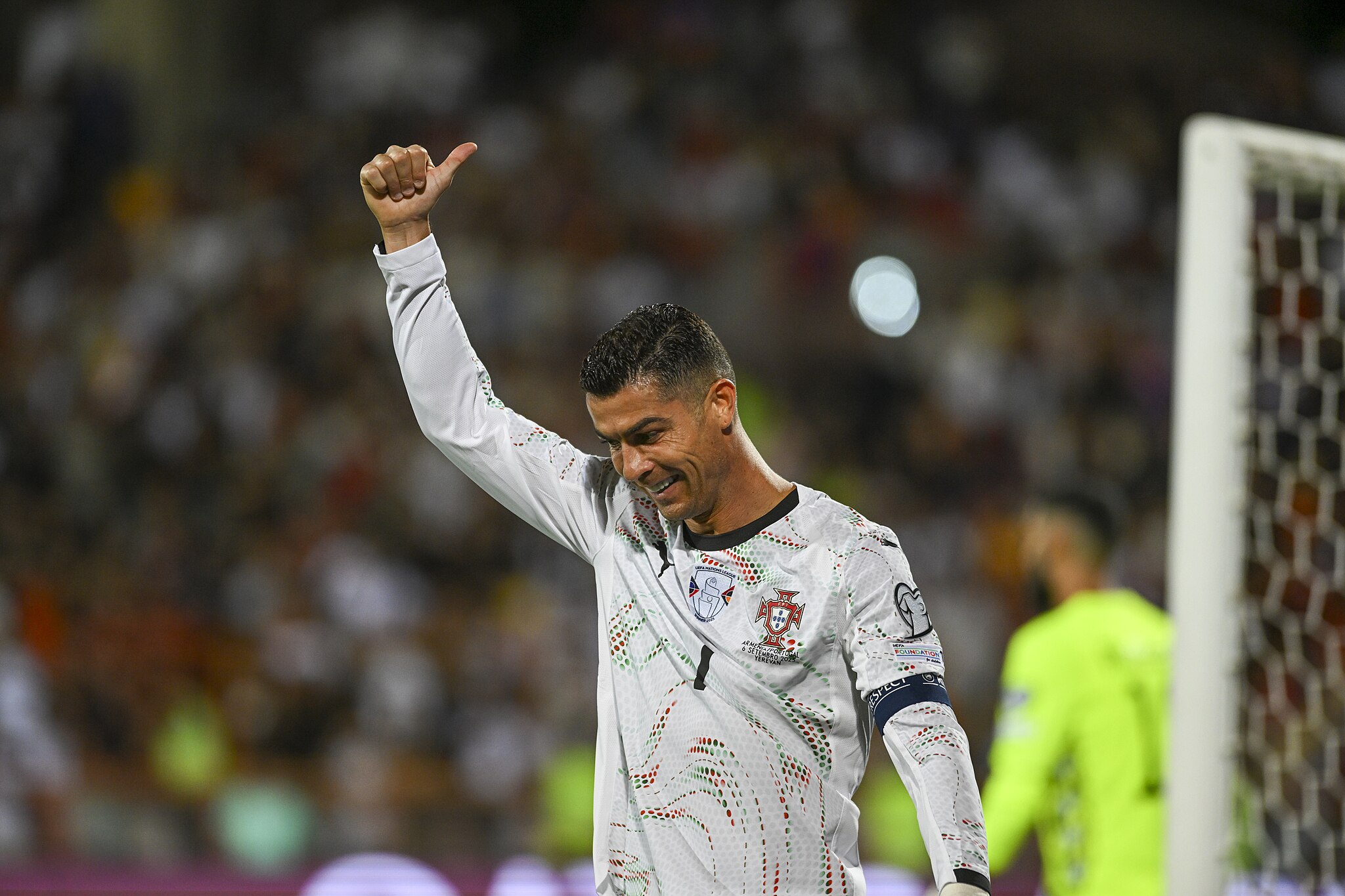
Think about it: the revenue generated by global football is staggering. When Cristiano Ronaldo transferred to Juventus, the impact was immediate. Shirt sales surged. Social media engagement exploded. Match attendance increased. Even Juventus’ stock price saw a jump.
Cristiano Ronaldo, for example, didn’t just play football. He generated economic value, bringing millions of euros in additional revenue to his club. Juve’s value on the stock market lifted by a staggering 37%, from around €660m on 28 June, when rumours of Ronaldo’s move to Italy started surfacing, to €905m on 10 July when the transfer was confirmed in the media. Ronaldo officially signed for Juventus on July 10 and in the rest of that month the club gained on social media:
- 3.5 million Instagram followers
- 1.7 million Facebook likes
- 344,000 Twitter followers
- 71% increase on YouTube engagement
This is not accidental. Football is a billion-dollar industry, and the players who captivate its audiences are directly responsible for its financial success. Their salary reflects the economic value they create, much in the same way that top-performing executives are compensated based on the value they help generate.
The Fallacy of Salary Caps
It’s also common to suggest implementing salary caps in football, to prevent what some view as unsustainable pay levels. But this misses the point entirely. In fact, it’s a strategy that could ultimately hurt the sport.
If top players are restricted in what they can earn, they will likely move to leagues or clubs that offer more competitive wages. As the best talent leaves, the quality of play declines, leading to a drop in TV ratings, attendance, and commercial deals. Lower revenue means less money for youth development programs, fewer jobs, and a diminished footballing ecosystem.
The idea of limiting footballers’ earnings does not make the sport fairer. It simply reduces the overall economic value the sport can create, impacting everyone involved: from players to fans to local communities.
Understanding the Economics of Market Value
The crux of the misunderstanding about footballers’ salaries lies in the difference between social worth and market value.
It’s easy to argue that doctors, teachers, and nurses (those who provide essential services) should be compensated more. They perform jobs that society cannot function without. But the reality is, their salaries are not determined by the global market in the way that footballers’ salaries are.
Football is a massive global entertainment industry, with billions of viewers, corporate sponsorships worth hundreds of millions, and media rights deals that run into the billions. The players at the top of their game, who can attract millions of eyes to a broadcast and drive sponsorship dollars, are entitled to a share of the revenue they generate.
To bring up an example: As revealed by El Chiringuito TV, between Real Madrid’s official store and website, over 7,000 custom Kylian Mbappé kits were sold on day one of his announcement even before his official presentation as new Real Madrid player in the Bernabeu stadium. This alone gave rise to around €800,000 worth of revenue for the club.
When a player like Kylian Mbappé brings in €500 million in added revenue for a club, does it make sense to pay them a fraction of that amount, or is €50 million a fair share of the value they help create?
The idea that they are “overpaid” is based on a flawed understanding of how value is created and rewarded. Footballers are compensated in proportion to the revenue they generate. If they’re earning tens of millions, it’s because they’re creating hundreds of millions.
Footballers are compensated in proportion to the revenue they generate.
The Discomfort with Visible Wealth
A key factor in the public discomfort with footballers’ salaries is the transparency of their earnings. While it’s easy to look at a footballer’s salary and think it’s excessive, we rarely see the compensation packages of corporate executives, bankers, or media moguls… and yet, they often earn far more.
Consider that the CEOs of major corporations can earn 200 times the salary of an average employee. Bankers often receive multimillion-dollar bonuses, even in years when their companies perform poorly. Inherited wealth creates billionaires with no clear link to actual economic productivity. Yet, we rarely question these disparities.
Footballers’ earnings are public, and that transparency makes their wealth uncomfortable for some to digest. But we have to recognize that footballers’ pay reflects their role in a global economy of sport, one where they’re performing at the highest level of competition and entertainment, and generating immense value in the process.
Rethinking Value and Merit
The real issue isn’t about whether footballers are overpaid. The real issue is about how we value different types of excellence in society.
We live in a world where we often accept vast disparities in income, provided we can’t see the full picture. CEOs, bankers, and billionaires are often rewarded in ways that are more difficult to understand, but we rarely question the systems that allow such inequality. Footballers, on the other hand, have transparent salaries, and their value is directly linked to their skill, marketability, and the revenue they generate. It’s uncomfortable, but it’s also market reality.
At the end of the day, the question isn’t whether footballers deserve their salaries. The question is: why do we find it so hard to accept the meritocratic logic behind them? If we truly valued excellence across all sectors (whether in sport, business, or the arts) we might see a world where the value of talent is more transparently and fairly distributed.