

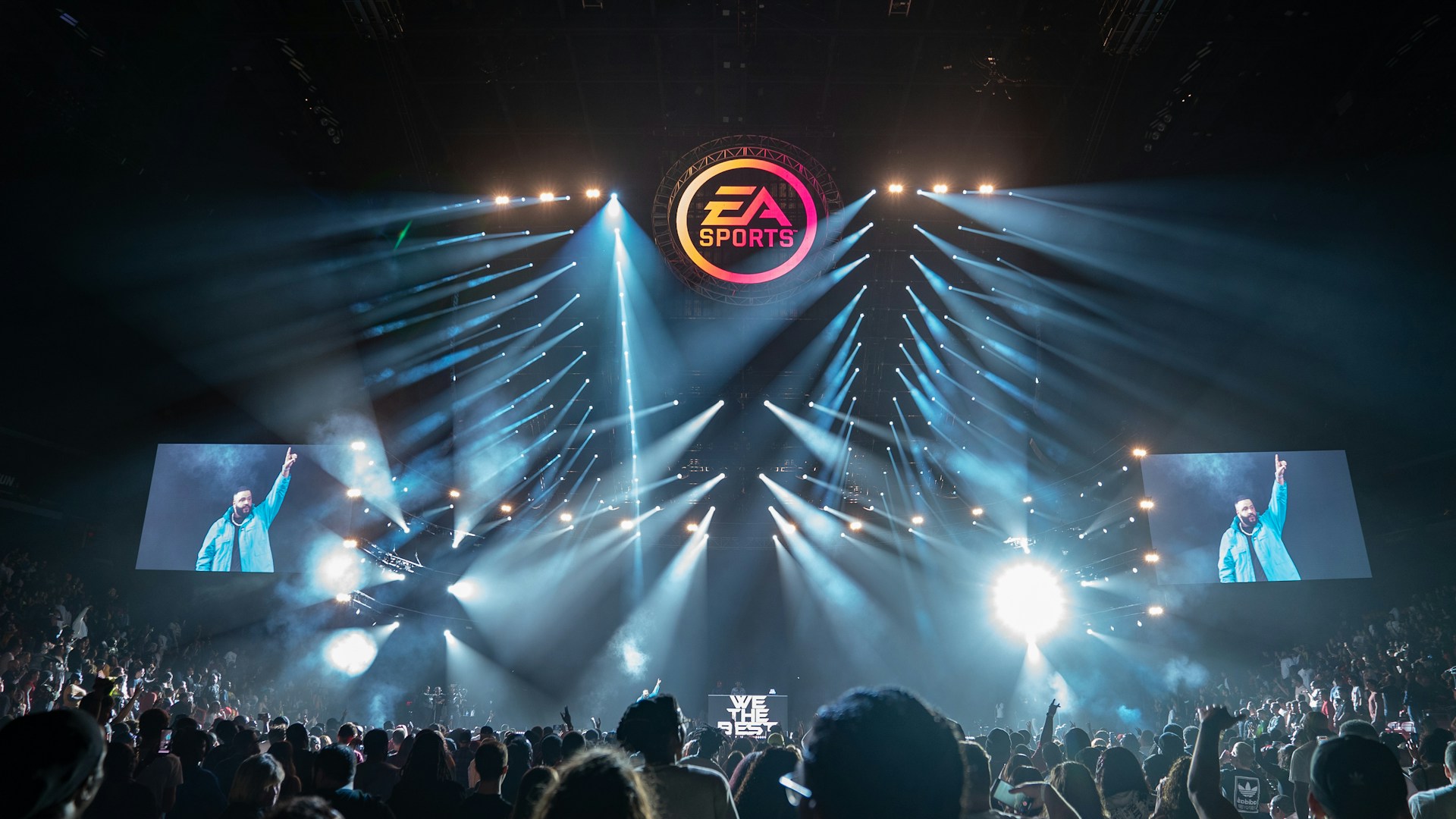
The Football Association has recently announced EA Sports as the official football video game partner for both the England men’s and women’s national teams. This marks a significant step in the integration of esports and football, illustrating how traditional sports governing bodies are leveraging gaming platforms to reach younger, digital-first audiences and create new commercial opportunities. The deal was brokered by global sports marketing agency SPORTFIVE, highlighting the increasing professionalisation of partnerships between football institutions and esports brands.
Why This Partnership Matters
At first glance, partnering with a video game developer may seem purely digital, but the implications are far-reaching. EA Sports is not just providing a gaming experience; it is building an official platform that brings England’s national teams, their players, and iconic venues like Wembley Stadium into the gaming ecosystem. This provides the FA with a unique channel to engage fans beyond match days, extending brand reach and strengthening the emotional connection with supporters worldwide.
EA Sports is not just providing a gaming experience; it is building an official platform that brings England’s national teams, their players, and iconic venues like Wembley Stadium into the gaming ecosystem.
By aligning with EA Sports, the England teams can tap into a global gaming audience of millions. The upcoming release of EA SPORTS FC 26 will feature over 20,000 playable athletes, 750+ clubs, 120+ stadiums, and 35+ leagues, supported by more than 300 official football partnerships globally. For England fans, this means authentic access to kits, crests, and FA trophies within the game, reinforcing the visibility and prestige of the national teams in a highly interactive environment.
Commercial and Marketing Impact
From a commercial perspective, this partnership is designed to create multiple revenue streams and engagement opportunities. EA Sports can offer unique content, in-game promotions, and fan activations that would be difficult to achieve through traditional media alone. The integration allows the FA to provide branded experiences, such as player-focused challenges, exclusive virtual merchandise, and digital campaigns tied to live international fixtures.
Brands and sponsors aligned with the FA or EA Sports also benefit from this overlap between football and gaming. For example, campaigns targeting younger demographics, who are increasingly consuming football digitally rather than in stadiums, can leverage the platform to drive engagement, awareness, and loyalty. This partnership illustrates how esports can serve as a complementary channel to broadcast, social media, and on-site marketing, enhancing the commercial potential of national teams.
A Broader Trend: Esports as a Gateway for Football Brands
The FA-EA Sports partnership is part of a wider movement where football clubs, leagues, and national teams increasingly embrace gaming as a commercial and cultural platform. High-profile examples include Liverpool FC’s collaboration with EA for FIFA events and Manchester City’s investment in esports competitions. These initiatives are helping brands reach global audiences in ways traditional football alone cannot, from interactive tournaments to livestreamed digital content, while also creating valuable data on fan engagement.
This partnership illustrates how esports can serve as a complementary channel to broadcast, social media, and on-site marketing, enhancing the commercial potential of national teams.
The convergence of esports and traditional football is also opening doors for partnerships with non-sports brands. Sponsors in tech, mobile gaming, streaming, and lifestyle sectors see esports integrations as a highly visible and measurable way to engage with younger, digitally native audiences.
Conclusion
The England teams’ partnership with EA Sports is a case study in how football can expand into esports to create new revenue, fan engagement, and marketing opportunities. It demonstrates that the future of sports sponsorship and fan interaction is increasingly digital and interactive. For brands, governing bodies, and players, partnerships like this represent a blueprint for how sport, technology, and culture can intersect, creating value that extends far beyond the pitch.