


From the age of three, football was where I felt most myself. The cages in Madrid, the parks in London, that was my world. Football wasn’t just a sport; it was my identity, my routine, my purpose.
But what nobody tells you is that the dream comes with a mental weight most young players aren’t prepared for. And most parents never see it.
The Pressure Before You Even Touch the Ball
I’ve been to more trials than I can count, in different countries, different environments, different expectations. Some felt hopeful. Some felt hostile.
One moment has stayed with me forever: walking into a trial abroad, stepping onto the pitch, and instantly feeling twenty pairs of eyes locked onto me. Not in a welcoming way. In a “Is this guy here to take my place?” way.
In academy football, players aren’t just competing with opponents, they’re competing with teammates for survival.
In academy football, players aren’t just competing with opponents, they’re competing with teammates for survival. Every new arrival feels like a threat. Every training session feels like an evaluation. Every mistake feels like a verdict.
It’s like starting a new job where every move is judged, and one slip could cost you your place. The scrutiny never stops, and everyone is watching to see if you belong.
Parents don’t see the silence in the changing room when a new player walks in. They don’t see the tension when boys realise the club can only sign one of them. They don’t see the pressure to perform or disappear.
It’s a ruthless system. Mentally, it shapes young players fast, sometimes too fast.
Injury: The Breaking Point Most Players Hide
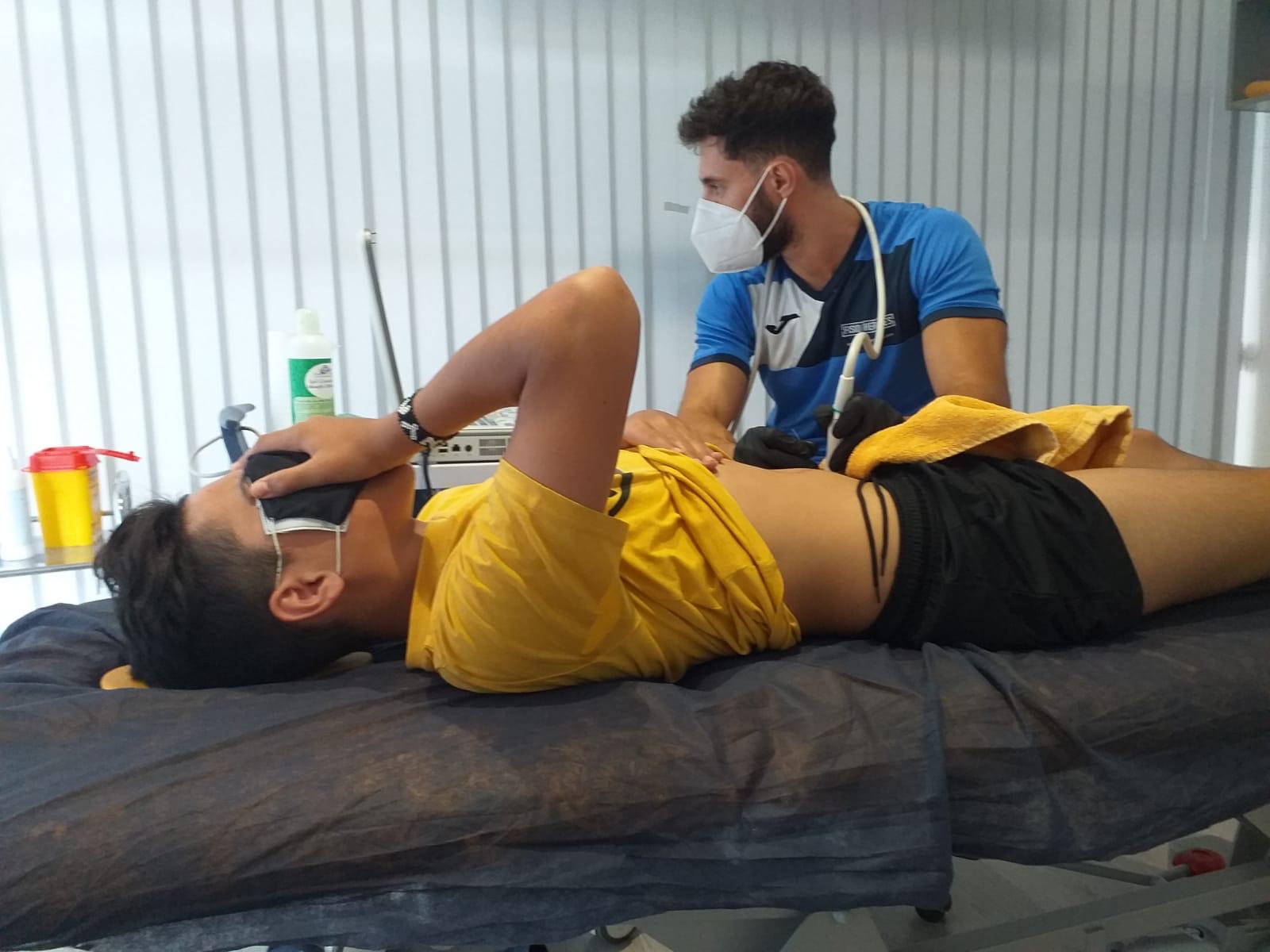
At 14, an ankle injury cut my season in half. One minute I was flying, the next I couldn’t even jog. At that age, you feel untouchable until your body reminds you you’re not.
At 18, a torn groin took even more. The pain was one thing, but the questions were worse:
- What if this is it?
- What if I never come back?
- Who am I if I’m not a player?
These are thoughts young footballers rarely say out loud. Injury doesn’t just stop your body, it stops your identity. You watch teammates improve while you stand still. You start to feel forgotten, replaceable, sometimes invisible.
Parents see a child resting at home. What they don’t see is the quiet panic in their chest.
Parents see a child resting at home. What they don’t see is the quiet panic in their chest.
What I Discovered When Football Was Taken Away

When I couldn’t train or compete, I made a decision: I wouldn’t disappear. I attended events, spoke to coaches, analysts, and scouts, anyone willing to give advice. I wanted to understand the game beyond the pitch.
That journey led me to work as an international scout and later as a commercial manager. I began seeing football from angles most teenagers never experience.
And that’s when I realised something important. Even when I couldn’t play, football still had space for me.
Talent Won’t Save You. Mindset Will.
Growing up, people told me I was sharp, quick, a natural. But talent disappears the moment your body does.
What lasts?
- Character
- Work ethic
- Resilience
- Ability to grow, adapt, and reinvent yourself
These qualities carry players further than raw ability ever will.
What Parents Need to Understand
Your child may love football with everything they have, but the academy pathway is mentally demanding in ways that are easy to miss. They might be:
- Comparing themselves to teammates daily
- Scared to make mistakes
- Worrying about losing their spot
- Hiding pain to avoid seeming weak
- Unsure how to talk about the pressure
- Trying to impress coaches while pretending not to be nervous
None of this shows up in match reports, but all of it shapes who they become. Parents play a bigger role than they realise: supporting, listening, grounding, and reminding their child that their identity is bigger than a badge on a shirt.
The Bigger Message for Young Players
Football might break you at times. Injury, rejection, pressure, comparison, they all hurt.
But being broken doesn’t mean being finished. Sometimes the moments that stop your journey are the same moments that shape your future. Sometimes detours lead you deeper into the game, not out of it.
Football gave me purpose. It also tested me in ways I never expected. But every setback built a stronger version of me.
And that’s what I want parents to understand. The academy dream isn’t just about football. It’s about identity, resilience, and growth on and off the pitch. Your child’s journey won’t be perfect, but with the right support, it can be powerful.