
Background and Career
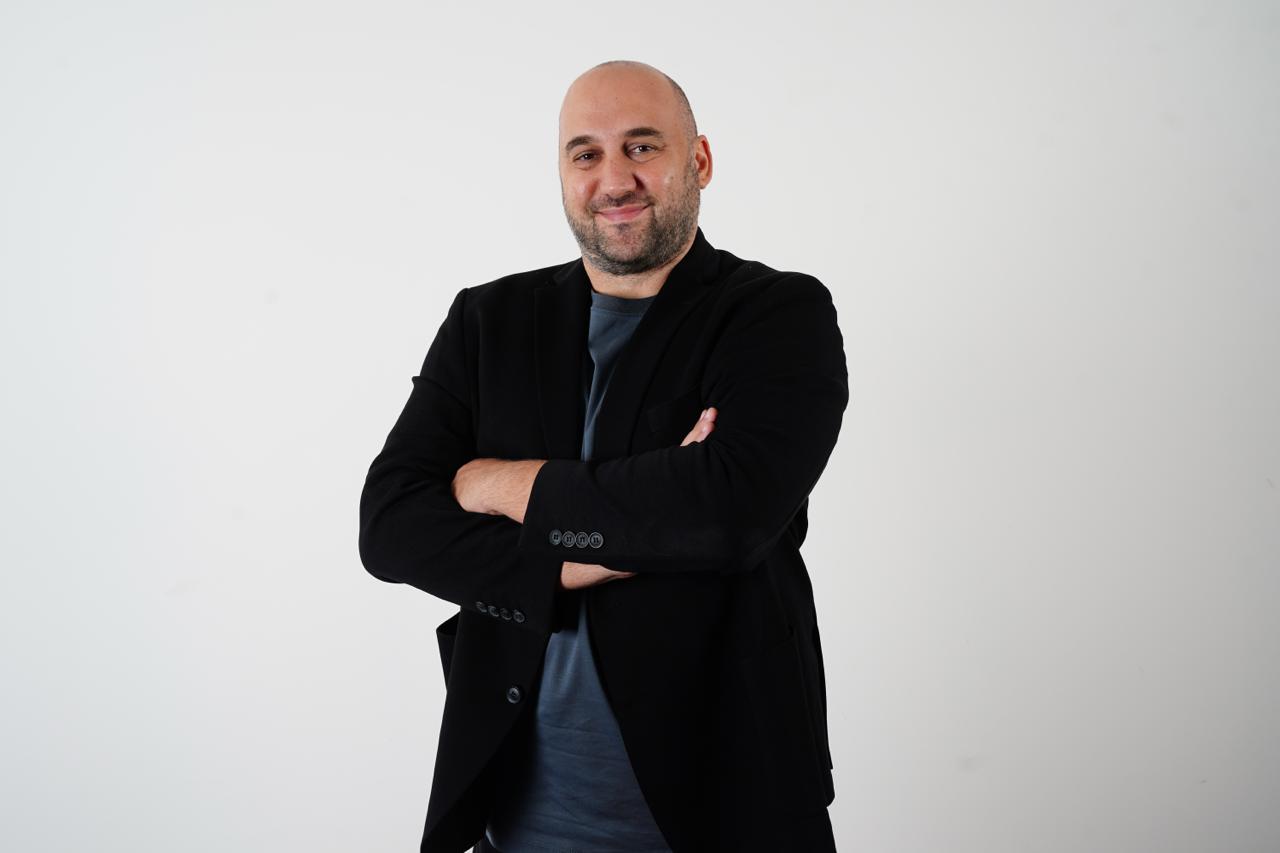
Born in 1984 in Istanbul, Emir Güney has built a distinguished career at the intersection of sports education, governance, and law. A graduate of Kadıköy Anadolu Lisesi, he pursued higher education through the Dual Diploma Programme (DDP) in Global and International Affairs at Boğaziçi University and SUNY Binghamton. He later earned his master’s degree in Management & Organization from Marmara University and is currently completing his PhD in Business at Kadir Has University, with research focusing on fan engagement in sports, particularly fantasy sports games.
After a short stint in his family’s maritime business, Güney entered the sports industry in 2009 as a full-scholarship student in the Sports Law & Management and Sports Communication programs at Kadir Has University’s Center for Sports Studies. In 2010, at just 25 years old, he was appointed head of the Center, a position he continues to hold.
Since then, he has led the Center’s education programs and built national and international partnerships. Since 2015, he has served as Local Coordinator and Scientific Committee Member for the UEFA Football Law Programme, where Kadir Has University is a founding partner. Alongside his role at Kadir Has, Güney lectures at both undergraduate and graduate levels and has delivered seminars at universities worldwide.
His professional portfolio extends beyond academia. In July 2025, he was appointed to the Scientific Board of the Turkish Olympic Committee. Since February 2024, he has been advising the KECÖ Law Firm on independent sports governance. Since March 2022, he has served as an arbitration judge at the Sport Arbitration Moot (SAM). He is also a founding member and writer for Socrates Dergi and contributes regularly to various national and international sports publications.
Previously, Güney served as a Euroleague Basketball Delegate (2015–2018) and Turkish Basketball Federation (TBF) League/Federation Delegate (2022–2025). In addition, he has translated two books on sports, publishes his independent sports newsletter (10’un Yeri Spor Bülteni), and earned the FIFA Players’ Agent license in 2023, although he does not actively practice as an agent.
With a career that blends academia, governance, and thought leadership, Emir Güney has become one of the leading figures in Turkish sports management and education, shaping the next generation of professionals while contributing to the global sports ecosystem.
With a career that blends academia, governance, and thought leadership, Emir Güney has become one of the leading figures in Turkish sports management and education
Our Exclusive Interview with Emir Güney
Since you became head of the Kadir Has University Sports Studies Center, how has the program evolved in preparing young professionals for careers in sports?
Since I began my role in 2010, my mission has been to deliver the highest-quality professional education programs and foster the ideal networking environment for talented young sports professionals. I had set a 10-year goal of creating a hub for our graduates, which would include sector professionals who can offer job and internship opportunities to our new graduates. I am happy to say that I have achieved this goal.
I had set a 10-year goal of creating a hub for our graduates… I am happy to say that I have achieved this goal.
My vision for the next 10 years is to create an environment in which our graduates hold the C-level positions in sports clubs, federations, confederations and throughout the sports sector. They will not only create opportunities for bright young minds but also help shape a better sporting future for Türkiye and for the world.
Looking at your academic career, what are your long-term goals in research and education? Are there areas you especially want to develop further at Kadir Has?
My long-term goal at Kadir Has Sports Studies Research Center is to focus more on niche research and professional education programs under the umbrella of sports and social sciences.
We have already started to work on two new education programs focusing on ‘sustainability in sports’ and ‘digitalization and content creation in sports’ topics. Soon, you will be hearing from us on these topics.
Also on the research side, we are focusing more on nationally and internationally funded projects such as TÜBİTAK and EU programs.
How do you see the role of Turkish universities in shaping the next generation of leaders for the sports industry?
Turkish universities are entering a pivotal phase in shaping the next generation of leaders for the sports industry. The traditional model of higher education, built on lectures and static curricula, is no longer sufficient for any industry that’s digital, global, and increasingly data-driven.
What we need now is a shift from conventional education to specialized learning ecosystems: programs that blend academic rigor with industry collaboration, real-time case studies, and interdisciplinary skills.
The sports industry today demands leaders who can navigate analytics, fan engagement, sustainability, governance, and entrepreneurship simultaneously.
Many Turkish universities, including ours, are starting to design such specialized programs: executive certificates, postgraduate modules, and lab-based learning formats that connect students directly with federations, clubs, agencies, and tech start-ups. These initiatives not only close the gap between theory and practice but also position universities as hubs of innovation and talent development for the wider sports ecosystem.
Ultimately, I see the role of universities as evolving from being knowledge transmitters to knowledge integrators, building bridges between academia and industry, equipping students not just with diplomas but with adaptive, international, and entrepreneurial mindsets that the future of sport requires.
You have worked closely with international programs such as the UEFA Football Law Programme. How has that global perspective influenced your approach to education at Kadir Has?
My work with international programs, such as the UEFA Football Law Programme, has shown me the power of practice-oriented, globally connected education. I’ve tried to bring that spirit to the KHAS Sports Studies Research Center by designing courses that combine academic depth with real-world exposure, inviting international experts, working on live cases, and framing Turkish sport within the global ecosystem.
It’s about creating a network environment where our students think and act beyond borders, while still engaging critically with local realities.
Who have been the biggest influences in your career, and what lessons did you take from them that you try to pass on to your students?
To answer this question, two people who instantly come to my mind are Dr. Levent Bıçakcı and Bağış Erten. The former Turkish Football Federation President and a member of the UEFA Appeals Body for more than 35 years, Dr. Bıçakcı, was the one who believed in me when I was a 25 year-old sports enthusiast and hired me as the director of the KHAS Sports Studies Research Center immediately after I graduated from the first edition of the Sports Law and Management Certification Program in 2010.
I am also privileged to say that Bağış Erten, a renowned sports writer in Türkiye whom I had followed as a sports fan before starting my career, has become a dear friend and mentor to me throughout my career.
In this sense, every program we build together at Kadir Has has been and will be student-centered. In the end, we believe that it is not about teaching sport; it’s about developing the people who will redefine it.
What do you see as the biggest challenges facing Turkish sports governance today, and how can academic institutions like Kadir Has contribute to solutions?
The biggest challenge in Turkish sports governance is the persistence of centralized, politically influenced structures that limit transparency and innovation. Many decisions are still made without data or stakeholder consultation.
Universities like Kadir Has can contribute by bridging this gap, by training the next generation of professionals who understand governance, ethics, and sustainability, and by producing applied research that guides federations and policymakers.
In that sense, our mission is not only to educate but to help transform governance culture through knowledge, dialogue, and best case examples.
Your PhD focuses on fan engagement, particularly fantasy sports. What have you discovered so far, and how do you see this area shaping the future of sports business?
I focus on examining fan engagement through gamification using the examples of fantasy sports, specifically how digital participation platforms like Fantasy Premier League or NBA Fantasy change the way fans consume, understand, and emotionally invest in sport.
It is still early to discuss the results of my research, but I am confident in sharing that fan engagement through fantasy sports games can transform fans from passive spectators into active participants who co-create value through data interpretation, competition, and community engagement. Unlike traditional fan loyalty models, fantasy participation encourages cross-team engagement, as fans watch more games and interact with more content, broadening their attention rather than deepening single-club allegiance.
I see fantasy sports as the prototype for the next generation of fan engagement, where sports organizations will integrate gaming logic, AI-driven personalization, and participatory storytelling to sustain attention in an increasingly fragmented media landscape.
Looking ahead, what are your own priorities and projects for the next stage of your career, both at Kadir Has and in the wider sports industry?
My next priorities are to design new, industry-relevant programs at Kadir Has, particularly in digital fan engagement, sustainability, and sports data, while strengthening partnerships with federations, clubs, and international bodies.
I also plan to expand my consulting work, advising organizations on governance and fan strategies. I view this as an opportunity to integrate academic research with practical solutions and position Kadir Has as a regional leader in sports education and innovation.