

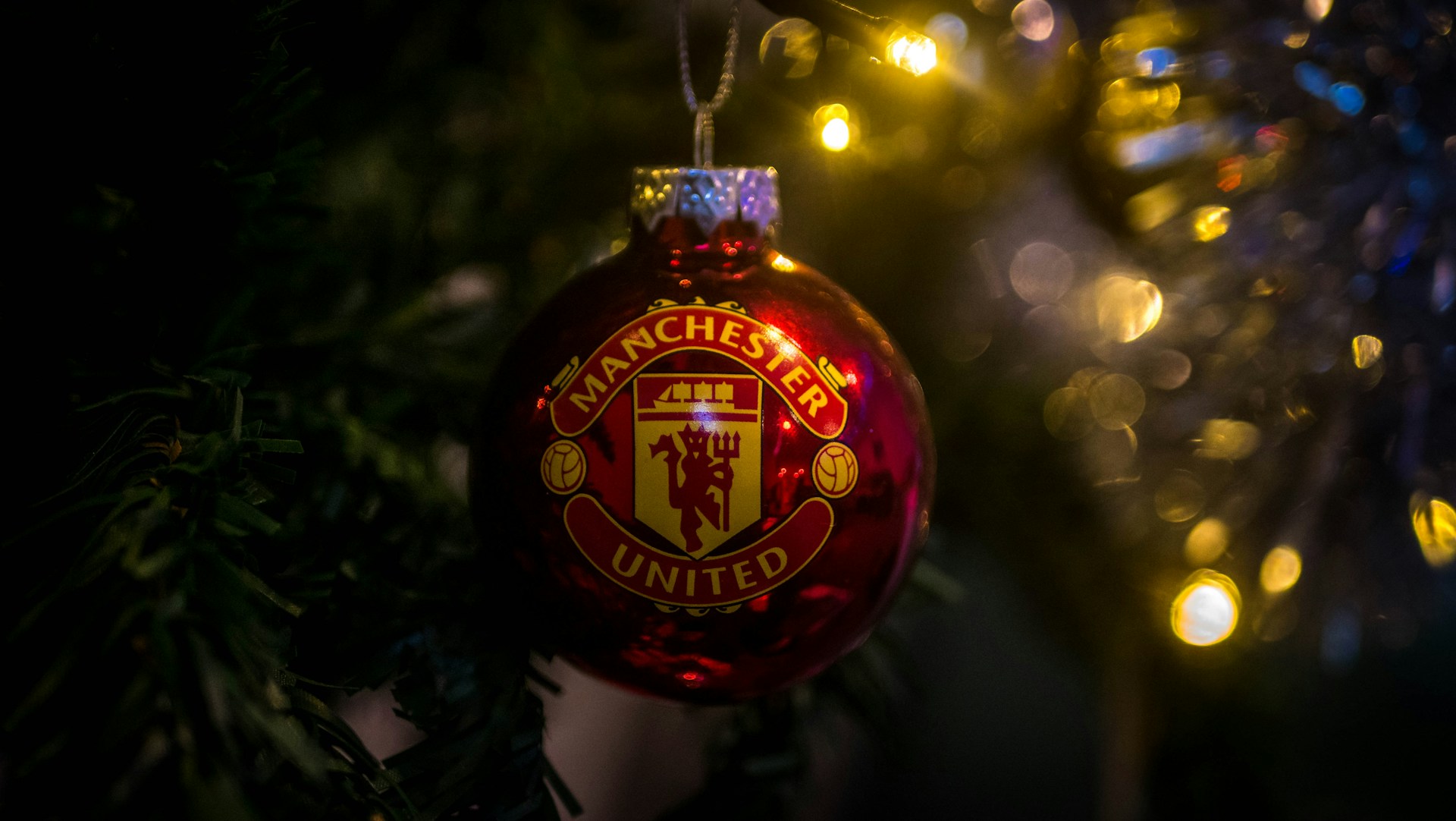
Christmas has long carried cultural and consumer significance in many parts of the world, and when football intersects with that season, the commercial impact is magnified. The combination of festive sentiment, leisure time, gift-giving, family gatherings and increased media consumption makes the Christmas period especially valuable for football brands, players, sponsors, broadcasters and advertisers.
For football clubs and players, the festive fixture schedule often means multiple games in a short period; more matches, more exposure, more storylines, and more emotional resonance with fans. For brands, this provides a high-impact environment in which to run seasonal campaigns, position themselves around holiday themes, and tap into a ready-made audience primed for consumption, community and celebration.
Why Christmas Amplifies Football’s Commercial Value
Firstly, Christmas gifts a break from normal work schedules for many fans; holidays, time off, and family gatherings mean people have more leisure time. This increase in free time generally translates into more football watching, more social media engagement, and greater appetite for content, merchandise and festive promotions. For sponsors and advertisers, that’s a ready-made captive audience.
For sponsors and advertisers, that’s a ready-made captive audience.
Secondly, the festive period often coincides with a busy match schedule, historically Boxing Day, the days between Christmas and New Year, and sometimes New Year’s Day itself have delivered high volumes of matches across leagues. That flood of live football, sometimes with multiple games per week, increases broadcast volume, media coverage, and the chance for brands to attach messages to the emotional highs and lows of the season. Even for clubs or leagues with fewer matches, the proximity to Christmas gives a natural storytelling moment: holiday content, gift-themed campaigns, player-fan interactions and community outreach become more resonant.
Thirdly, the emotional and cultural weight of Christmas gives marketing campaigns greater potency. Themes such as family, giving back, community, goodwill and togetherness tend to perform strongly at this time of year. When footballers, who already carry cultural influence, align with these themes, the narrative becomes even more powerful. By blending their sporting identity with festive or charitable messaging, athletes and clubs can connect at a deeper emotional level with fans and consumers.
Finally, for broadcasters and media-rights holders, Christmas football has traditionally delivered high viewership. Because many people are off work or school, and often gathering indoors with family or friends, a high-volume schedule becomes attractive for streaming platforms, subscription services and pay-TV networks alike. This creates incentive for broadcasters to bid high for rights for holiday match rounds or invest in promotional campaigns around festive football.
How Players and Brands Have Leveraged Christmas Campaigns
Footballers have become a central part of the modern Christmas advertising landscape, especially in the UK, a market where festive adverts attract Super Bowl-level attention. Brands increasingly use players to connect holiday sentiment with sporting culture, blending emotional storytelling with the star power of elite athletes.
One of the strongest recent examples is Marcus Rashford’s partnership with McDonald’s in its “Raise Your Arches” Christmas campaign. Rashford has previously fronted McDonald’s charity-led work, and although he did not star in the 2023 Christmas ad, he appeared in surrounding festive activations that positioned him as a symbol of community support during the holiday season. The brand used his public goodwill and national credibility to enhance its Christmas messaging.
Another example is Tottenham’s Heung-Min Son, who featured prominently in AIA’s global Christmas campaigns across Asia. In 2022, Son took part in AIA’s “Healthier Christmas Together” campaign, blending festive storytelling with fitness, wellness and family-focused content, perfectly aligned with both the insurer’s positioning and Son’s own reputation for professionalism and positivity.
Even retired stars are valuable in the Christmas advertising space. David Beckham has repeatedly appeared in festive campaigns for brands like Haig Club, where Christmas-themed content, warm visual aesthetics, family gatherings, gifting moments, plays into Beckham’s lifestyle-driven identity. His 2021 holiday campaign helped spike Haig Club’s seasonal sales, with Diageo reporting significant December uplift across multiple global markets.
On the pure retail side, footballers have also been central to high-street Christmas adverts. In 2023, Sports Direct launched its “Give Me Football” Christmas campaign featuring Bukayo Saka, Jack Grealish, Mason Mount and Emma Hayes, blending football culture with holiday nostalgia in one of the UK’s most-watched festive sports ads. The video surpassed 20 million online views in its first month, proving how footballers can dominate the Christmas advertising ecosystem.
For players, Christmas ads offer a rare chance to expand their narrative: family life, heritage, celebration, generosity. Fans are already in an emotionally receptive state, meaning the player’s personal brand benefits from being associated with warmth, humour and tradition. When the festive storytelling resonates, the long-term commercial impact can be substantial.
Fans are already in an emotionally receptive state, meaning the player’s personal brand benefits from being associated with warmth, humour and tradition.
How Media Rights Holders and Streaming Platforms Capitalise on Boxing Day & Holiday Fixtures
For broadcasters, Boxing Day football is one of the most commercially valuable assets in the sporting calendar. The Premier League’s festive schedule consistently produces some of its largest domestic and global audiences due to family gatherings, increased free time and a cultural tradition of watching football on 26 December.
The most prominent example is Amazon Prime Video, which secured exclusive rights to a full round of Premier League fixtures every December from 2019 to 2023. The move was strategic: Amazon knew that the holiday window was ideal for driving Prime subscriptions, with the platform reporting a surge in sign-ups during its first Boxing Day broadcast. According to UK media analysts, Amazon’s football coverage contributed to a 53% year-on-year increase in Prime sign-ups across December 2019.
Amazon doubled down on Christmas content, offering multi-game interactive features, alternate commentary streams and behind-the-scenes documentary-style extras, all designed for fans relaxing at home during the holidays. Their Boxing Day coverage became a cornerstone of Prime’s annual subscription push.
Traditional broadcasters also benefit enormously. Sky Sports regularly sees December viewership spikes, with Boxing Day fixtures often ranking among the season’s top five most-watched matches. BBC Sport uses the holiday period to amplify highlight shows like Match of the Day, which historically sees uplifts in viewership due to families being gathered at home.
Streaming platforms beyond football have taken notice of this trend too. Netflix, for example, times many of its sports documentary releases for December, such as Sunderland ‘Til I Die and its Drive to Survive-style formats, because Christmas binge-watching spikes demand for sports storytelling. While not live rights, it positions Netflix firmly in the holiday football ecosystem.
For rights holders, the Christmas period is a perfect storm: huge captive audiences, strong advertiser demand, and culturally embedded fixtures that require no additional marketing to generate excitement. For brands, it’s an unmatched window to integrate holiday messaging with live sport. And for players, it ensures high visibility, at exactly the time when brands are investing heavily in seasonal campaigns.
Considerations, Risks and Changing Traditions in Modern Scheduling
However, the combination of football and Christmas is not without complications. Fixture congestion can strain players physically, especially in packed December and January schedules. Recent seasons have seen traditional Boxing Day “wrap-around” fixture lists altered or scaled down due to broadcast commitments and fixture congestion. For example, in a recent season, the top-flight league scheduled just a single fixture on Boxing Day, a break from the norm, citing expanded European competition obligations and the need to balance rest and broadcast demands. That change, though exceptional, signals how modern football’s commercial and logistical pressures can challenge long-standing festive traditions.
For brands and sponsors, that unpredictability can be a risk. An overly dense schedule might lead to player fatigue, injuries or lower on-pitch quality, factors that can make festive campaigns feel disjointed. There is also the moral dimension: players may be expected to participate in holiday promotions and public appearances at a time when fans expect them to rest, reflect, or be with family, over-commercialisation during a traditionally personal period can backfire if not handled sensitively.
From a fan perspective, there is sometimes resistance to seeing Christmas become over-commercialised, or to changes in traditional match schedules. When holiday fixtures are moved or trimmed, fans often lament the loss of historic rituals like Boxing Day full card matchdays. This tension between commercial benefit and tradition is growing sharper as leagues juggle broadcast deals, player welfare, fixture congestion and revenue priorities.
Why Christmas-Football Remains a Strategic Moment for Brands, Clubs, Players and Rights-Holders
Despite the challenges and the evolving landscape, Christmas remains a uniquely strategic window for football commercialisation. For brands, it offers emotional leverage, heightened engagement, and a seasonal backdrop that amplifies messaging. For players, it’s a chance to humanize their personal brand, reach beyond athletic identity, and connect with fans on values like family, generosity, joy and solidarity.
For clubs and leagues, the festive period, when managed properly, can deliver boosted match-day revenue, increased broadcast value, and a global audience tuned in for both the sport and the celebration. For media rights holders and streaming platforms, holiday fixtures continue to present enormous value through subscriptions, ad revenue, and content differentiation.
In short: Christmas and football, when aligned strategically, create a multilayered commercial ecosystem, one that blends emotion, tradition, entertainment and business in a way few other combinations can match.
For those in sports marketing, athlete representation, media, or brand management, the festive season remains a valuable period of the year, but only if deals, scheduling and campaigns respect both the spirit of the holidays and the demands of modern football.